PHOTO GALLERY
Mark | Family and Friends | Wildlife and Nature | Africa | Fishing | Hunting
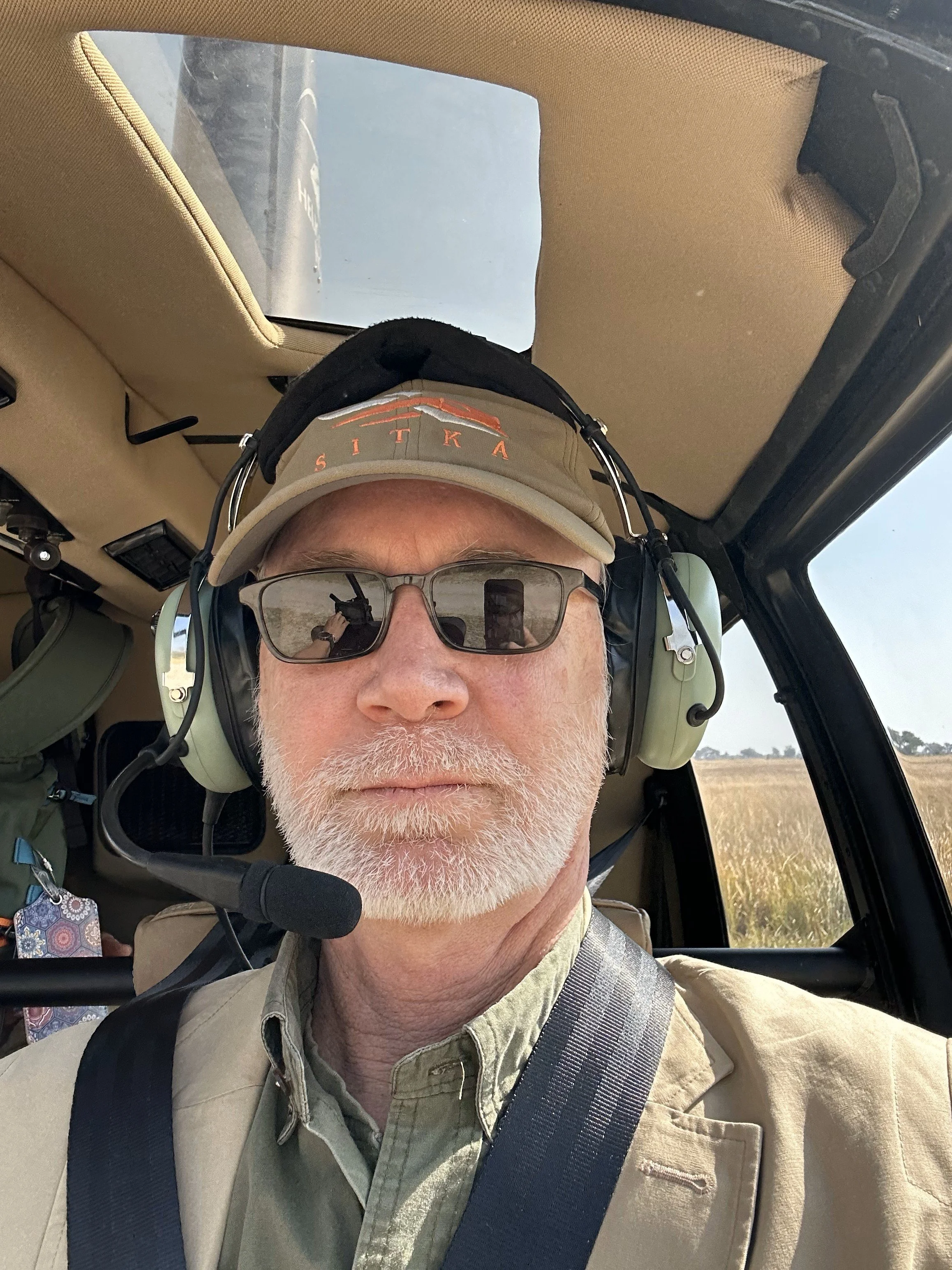
Okavango Delta, Botswana
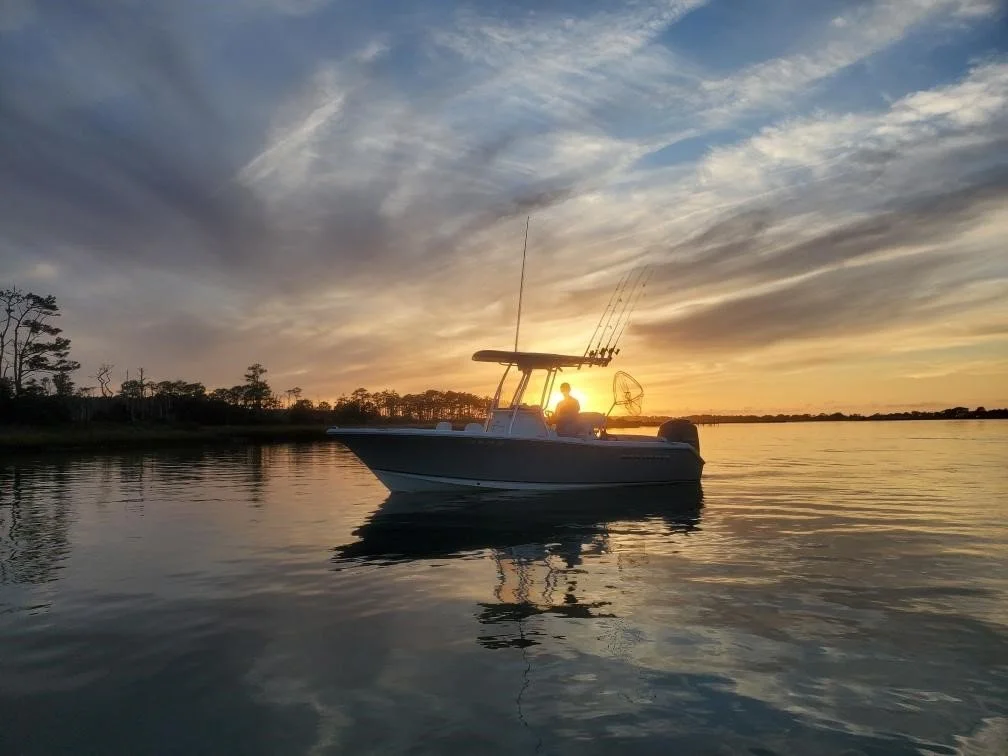
My front yard, Chincoteague Island
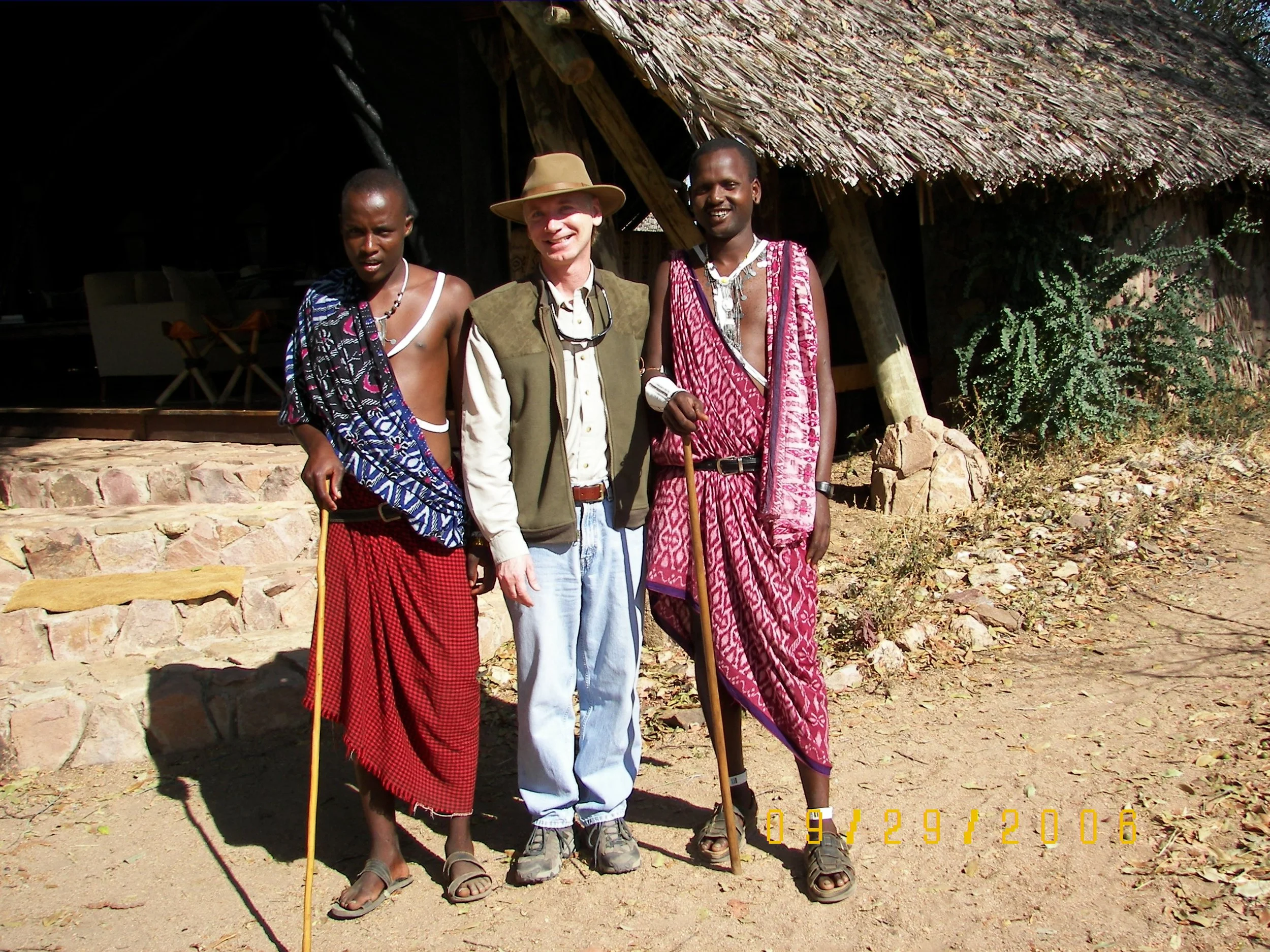
Serengeti National Park
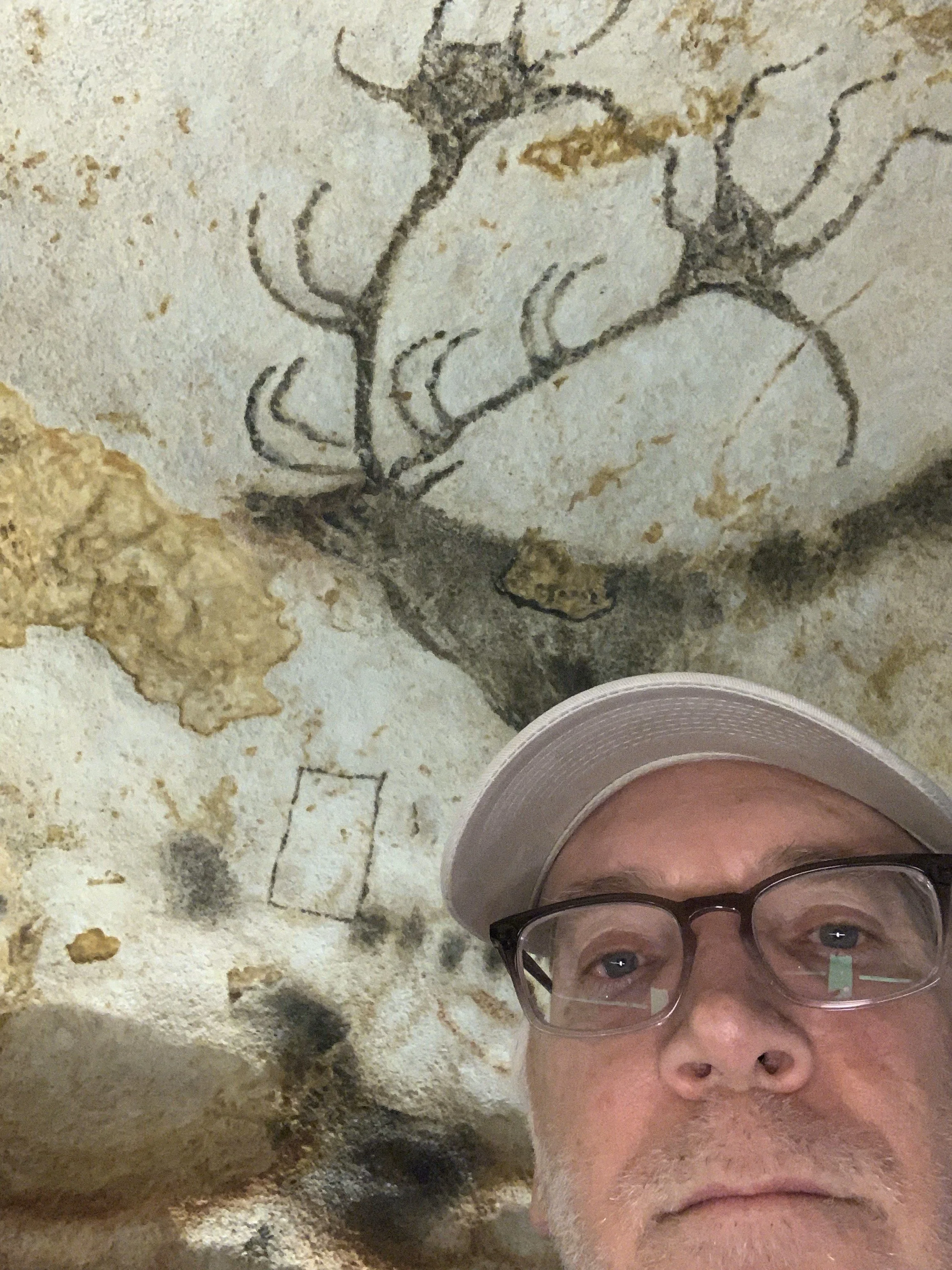
Paleolithic cave paintings
Montignac, France
Limpopo Province,
South Africa

Prairie Creek Redwoods State Park, California

Honorary Doctorate, addressing the graduating Class of 2025
WVU Coliseum, Morgantown
Corcovado National Park, Costa Rica
Scottish Highlands
near Glencoe, Scotland
Clamming at Tom's Cove,
Chincoteague National Wildlife Refuge
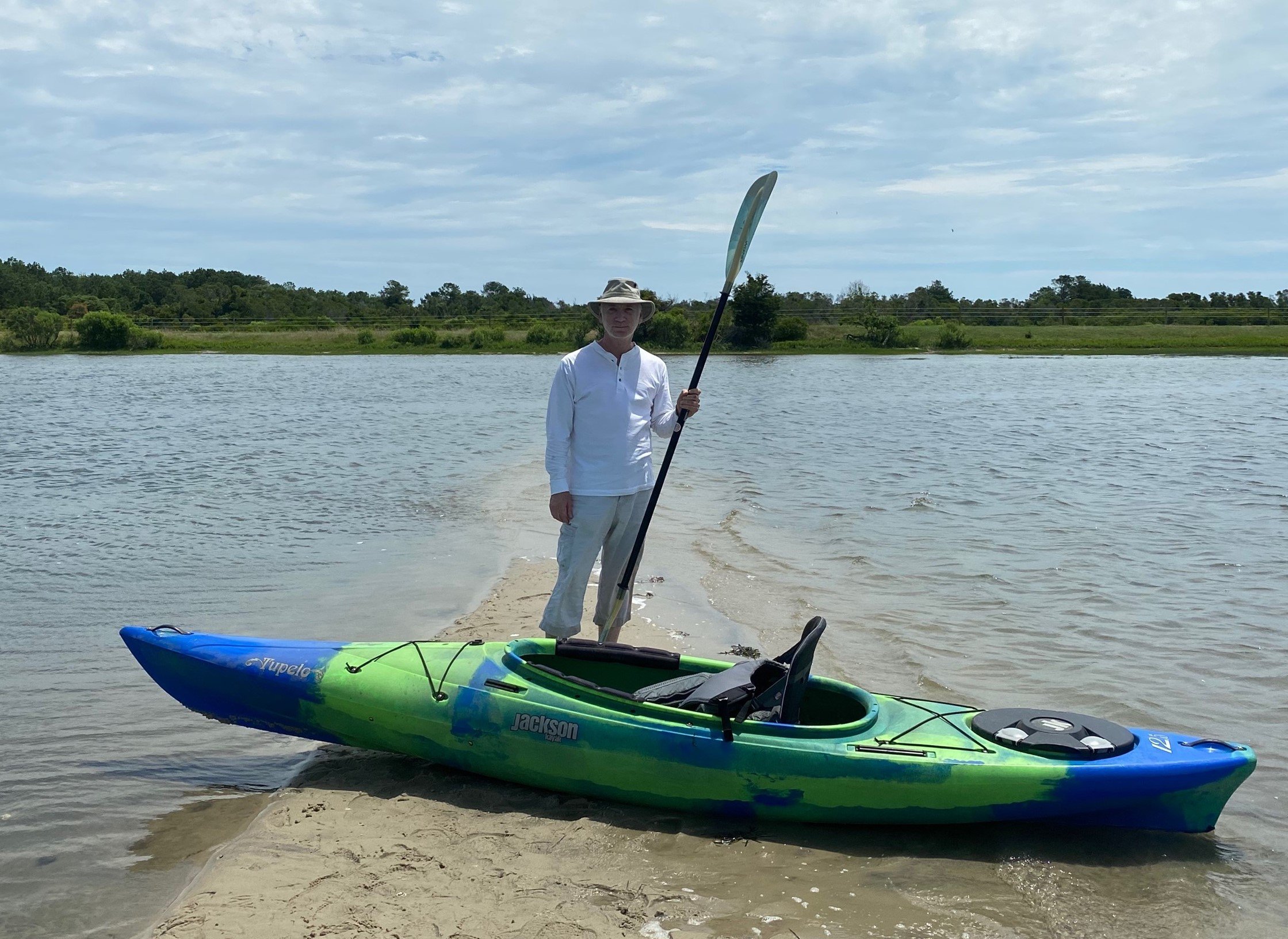
Assateague Island, Maryland
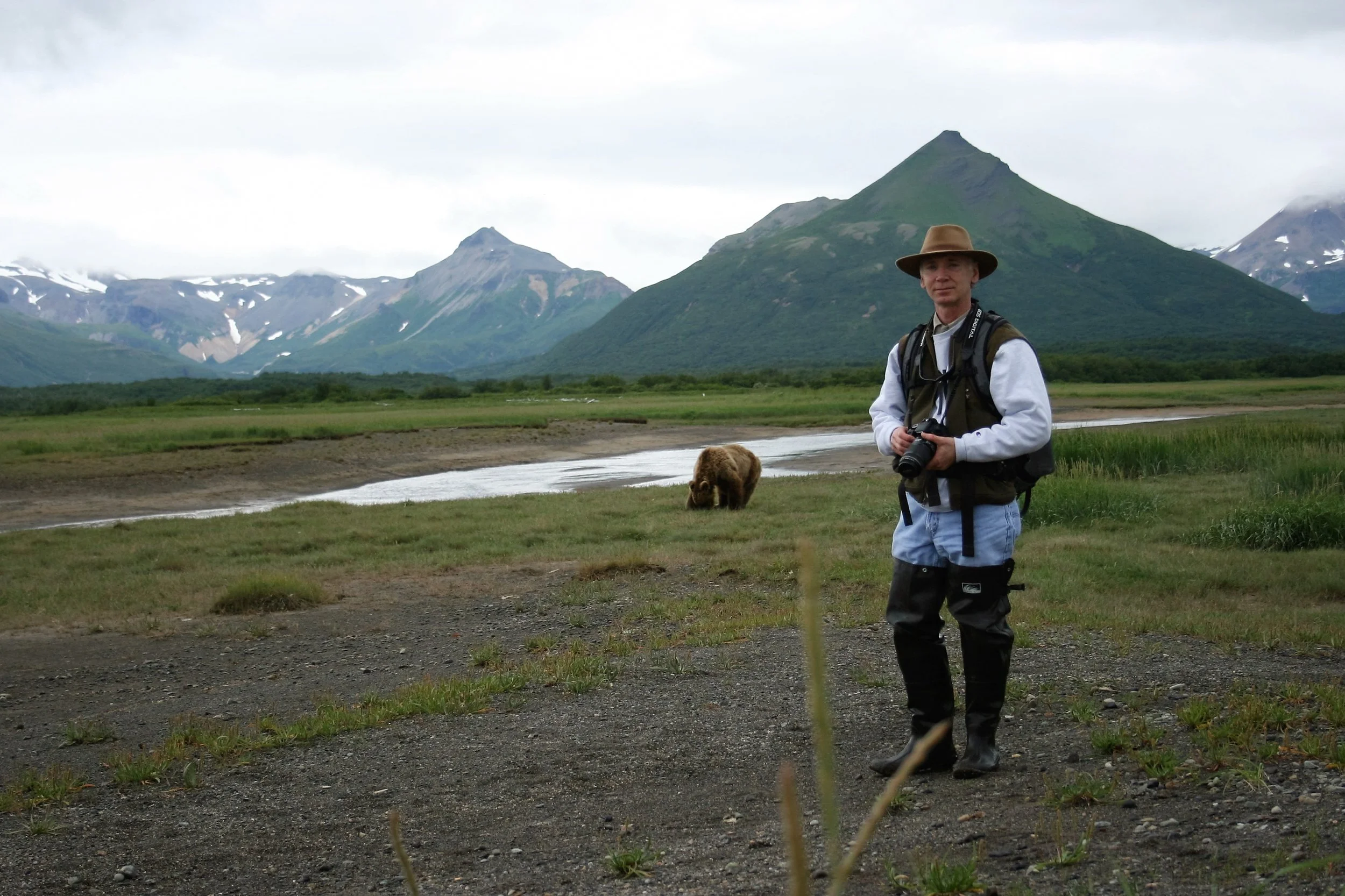
Brown bear, Katmai, Alaska
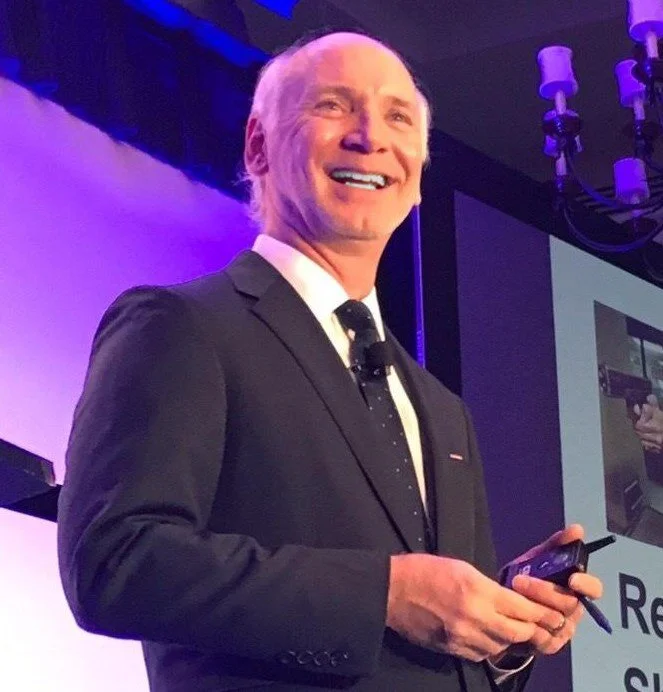
Shooting Sports Summit
Colorado Springs, Colorado
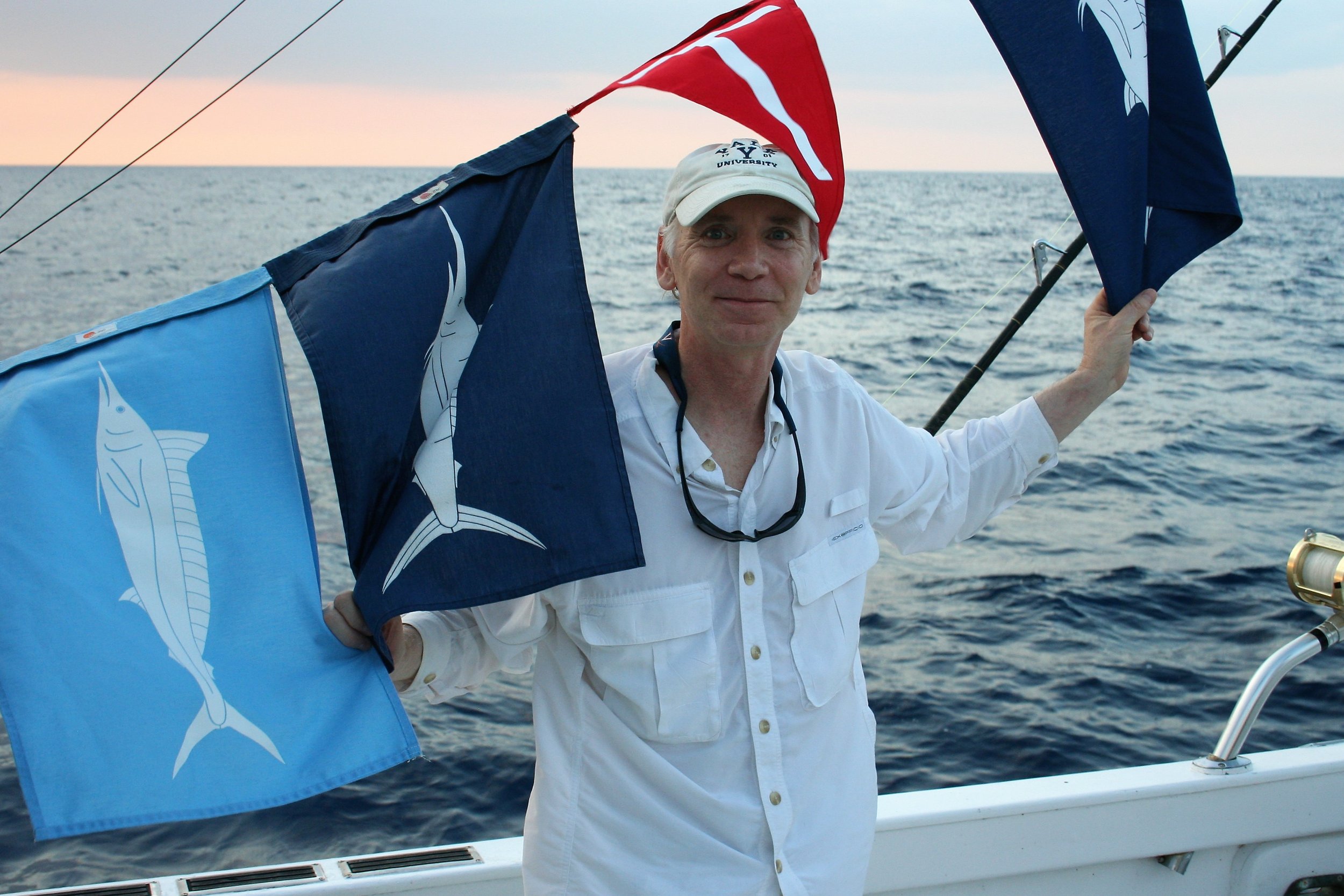
Six marlin in one day
Big island, Hawaii
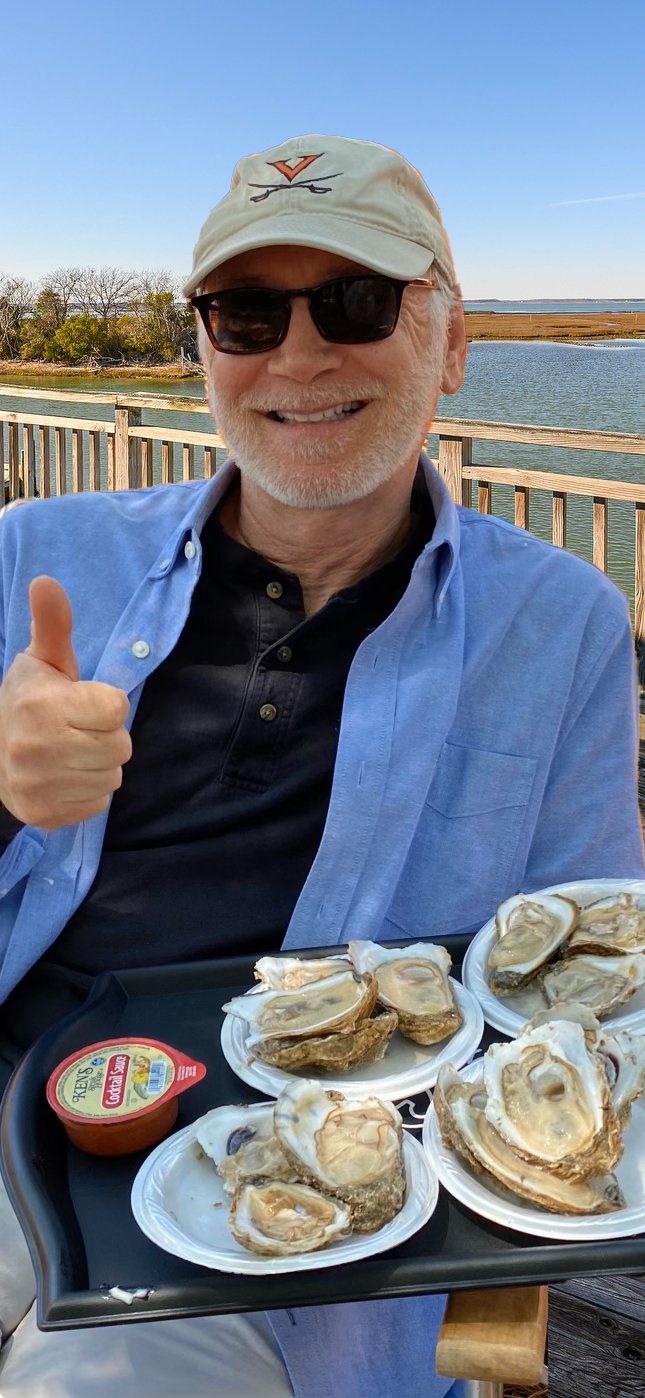
Chincoteague Island, Virginia
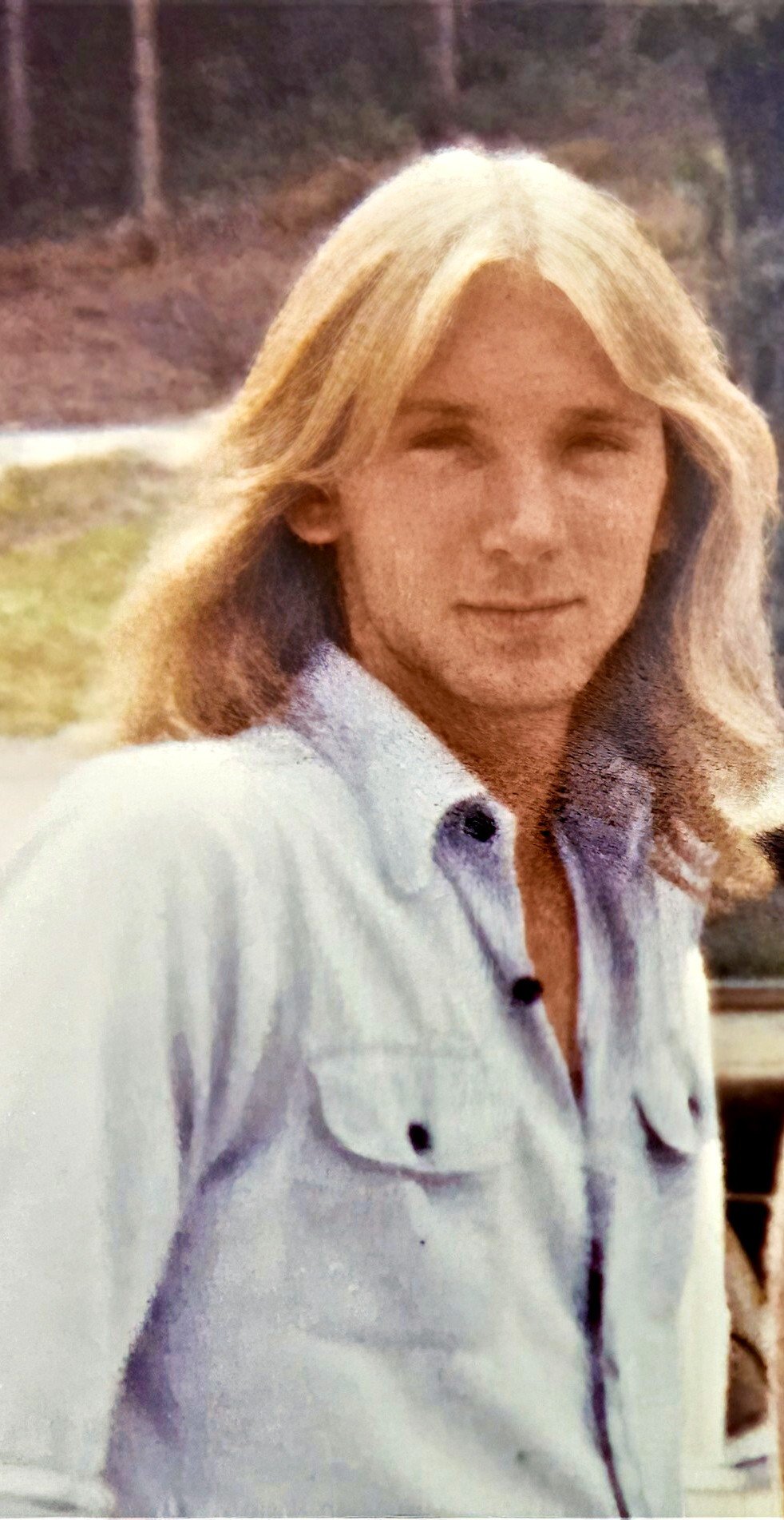
Tennessee, 1980
Oh, that hair
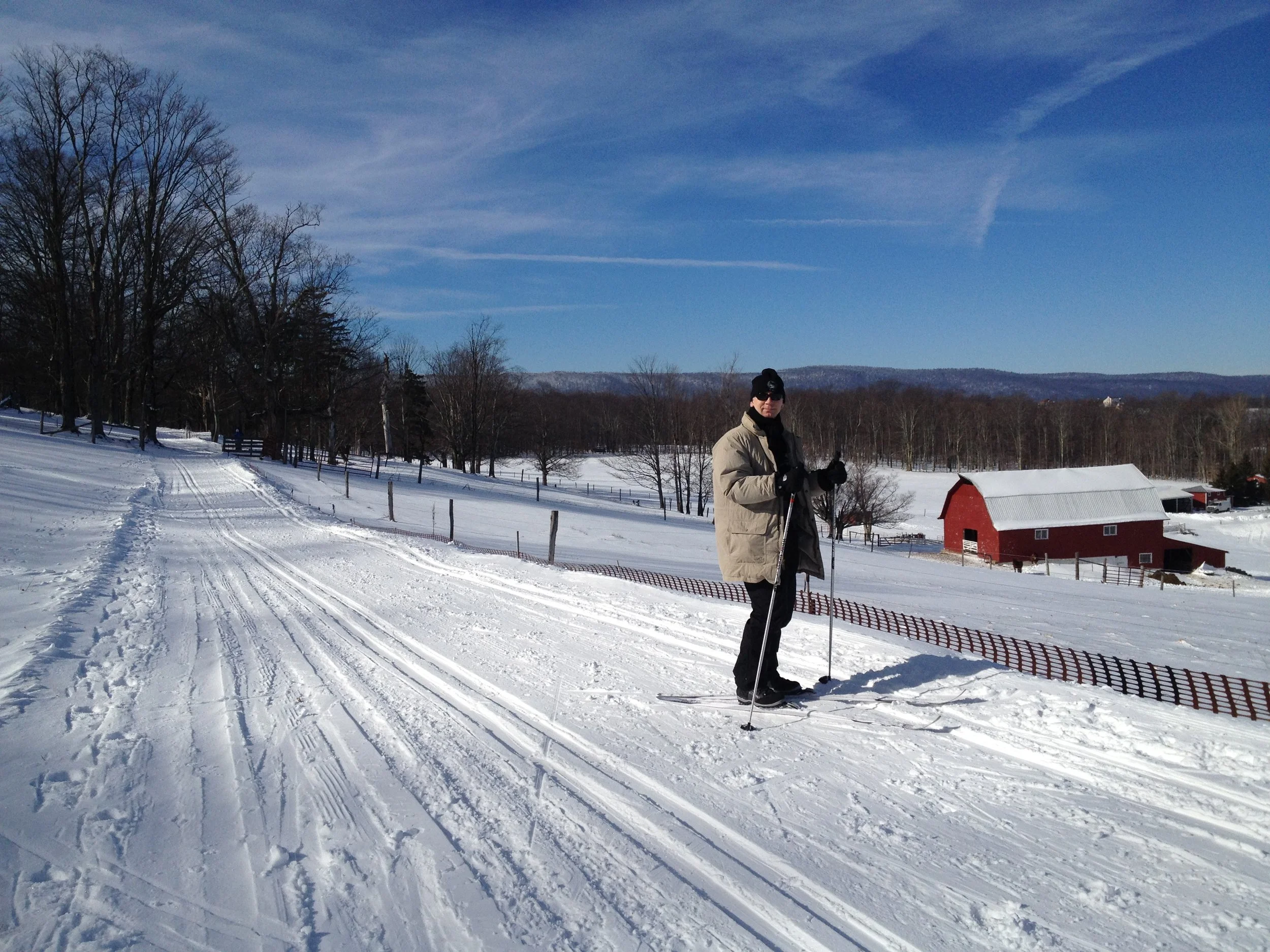
Canaan Valley, West Virginia
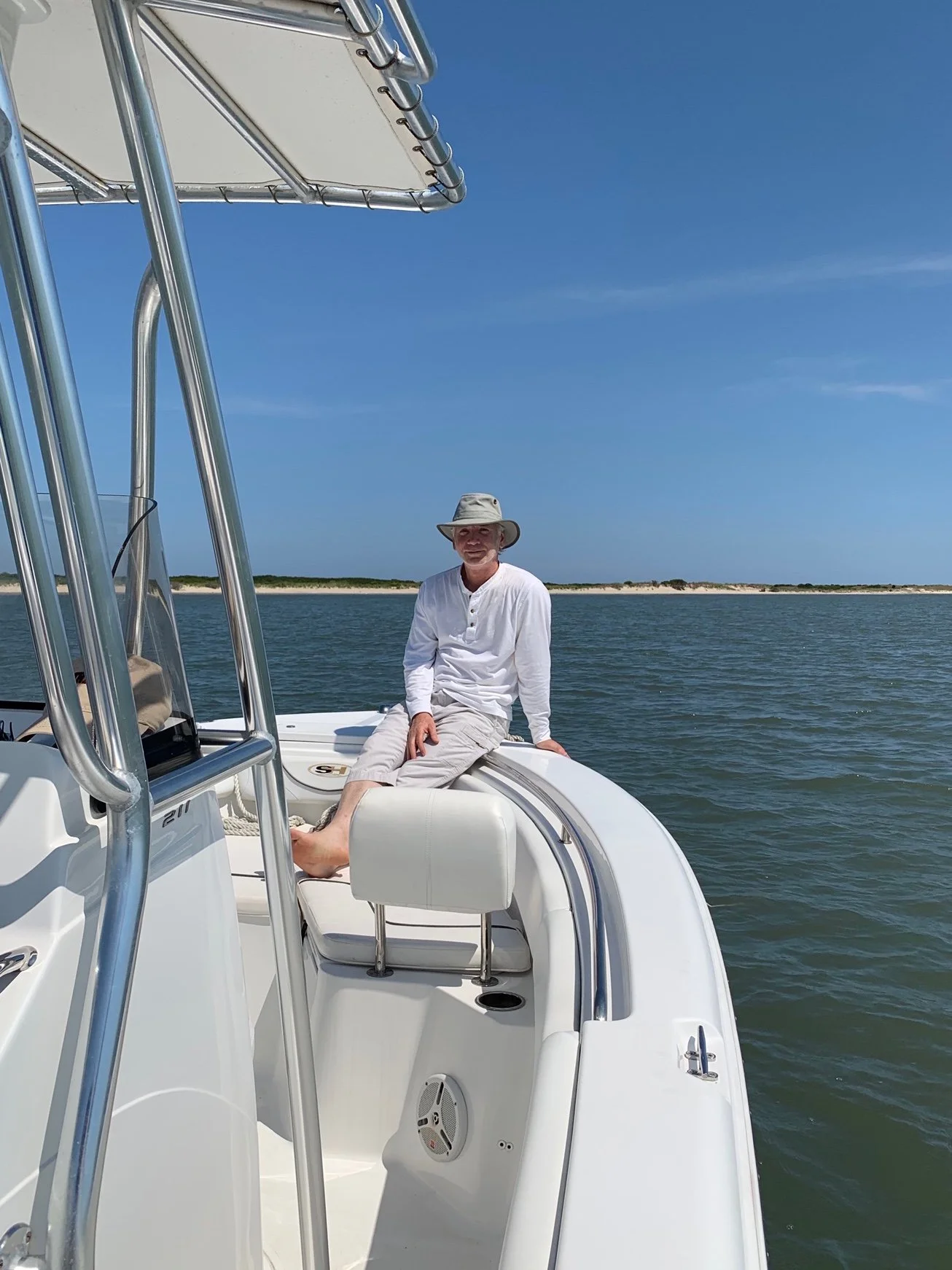
Assateague Island, Virginia
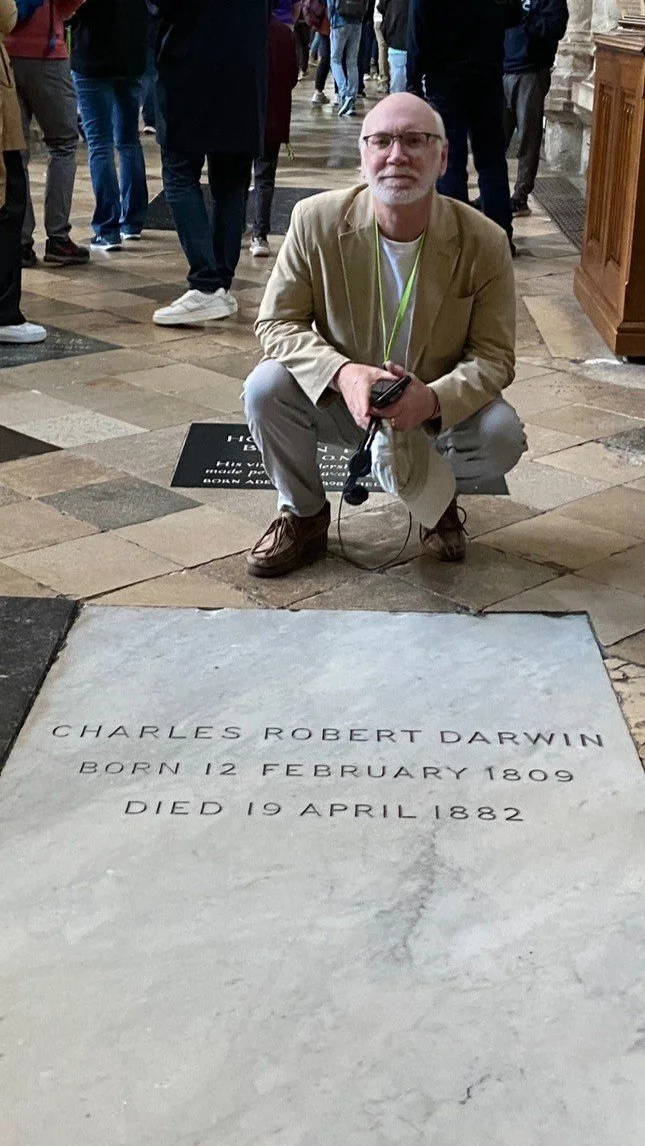
Darwin's grave
Westminster Abbey
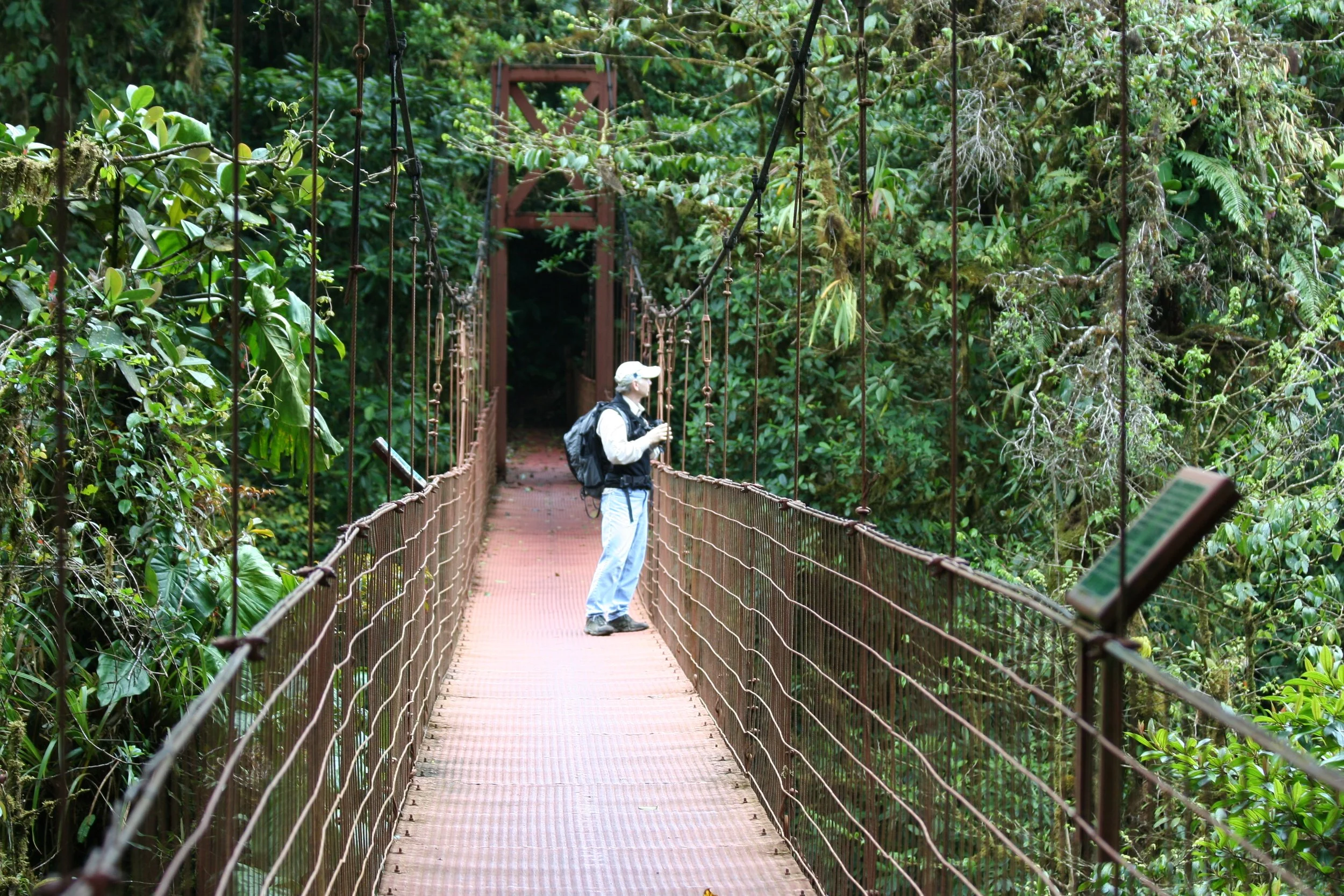
Monteverde, Costa Rica
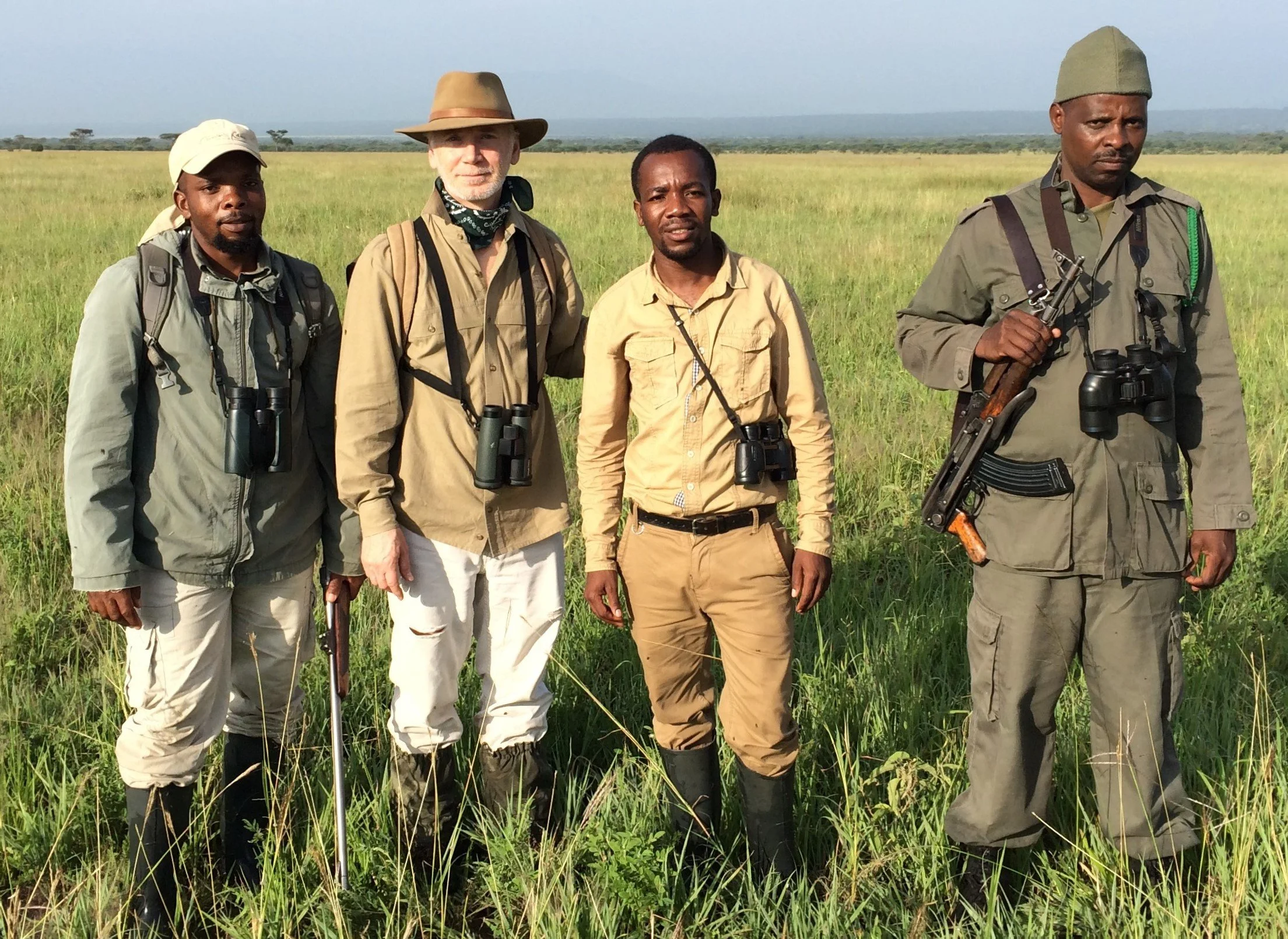
Guide training, Tarangire National Park, Tanzania
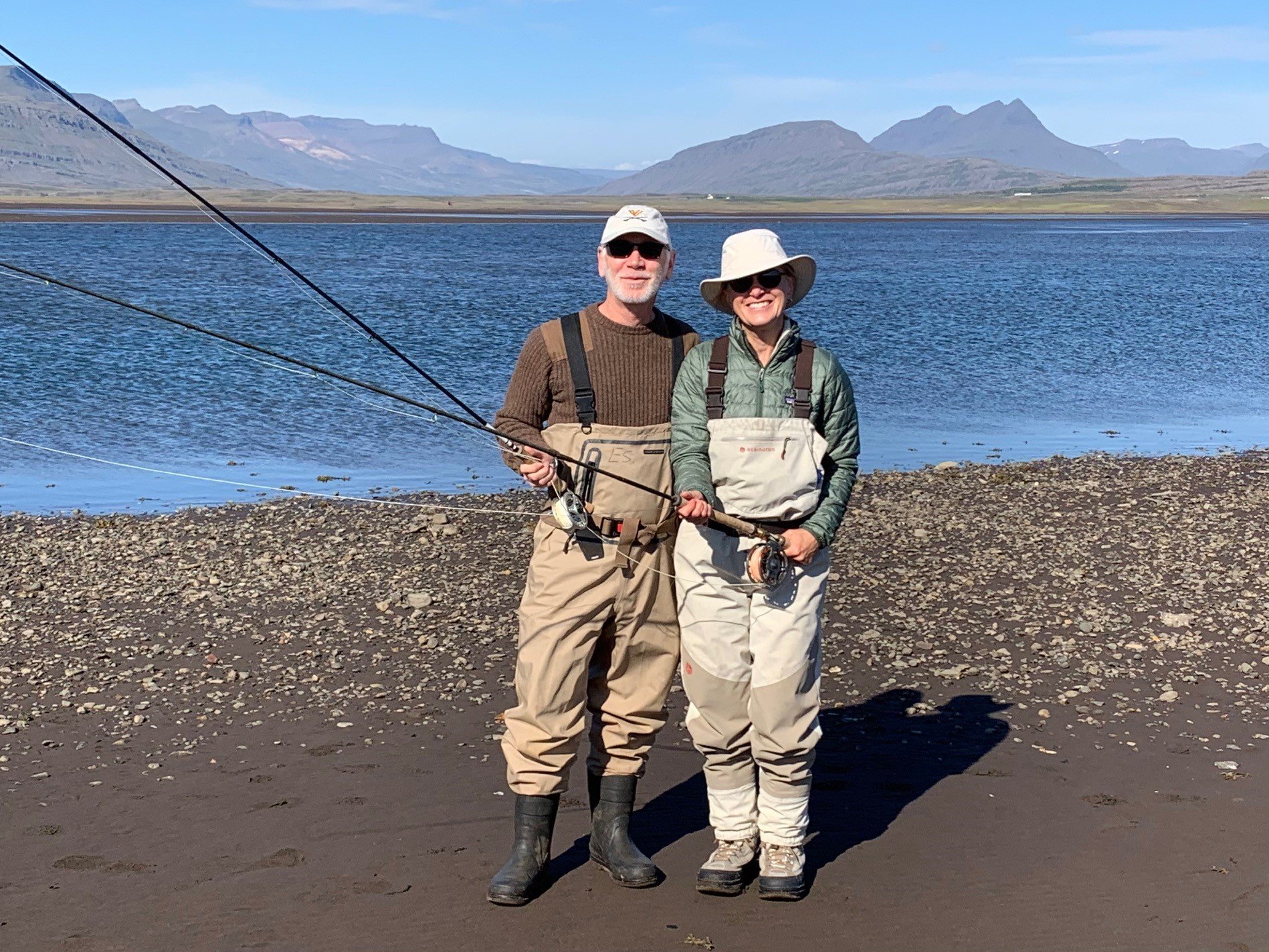
Fly fishing for Arctic char
Breiðdalsvík, Iceland
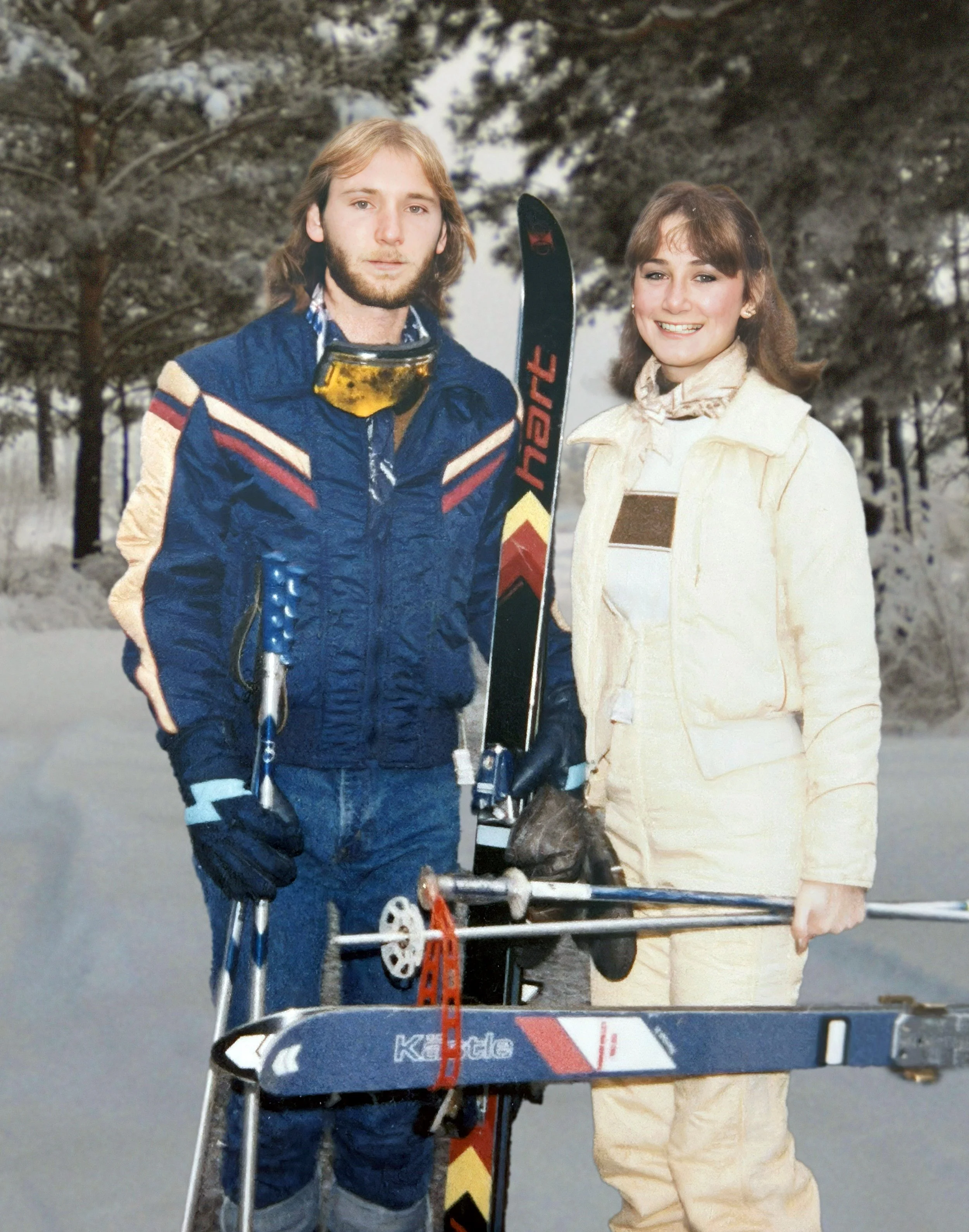
MDD and sister, Claudia
Snowshoe, West Virginia
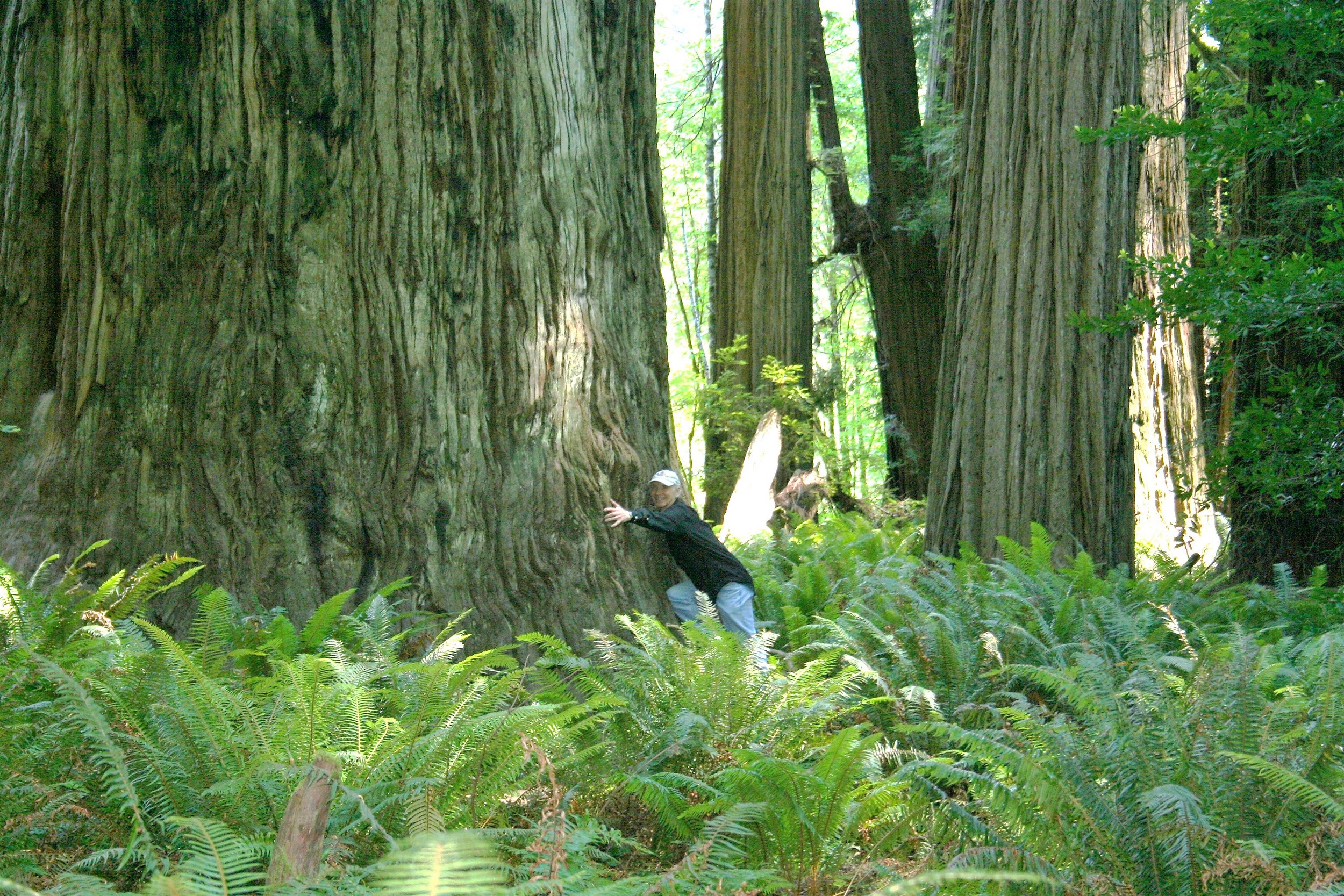
Tree hugger
Redwood National Park, California
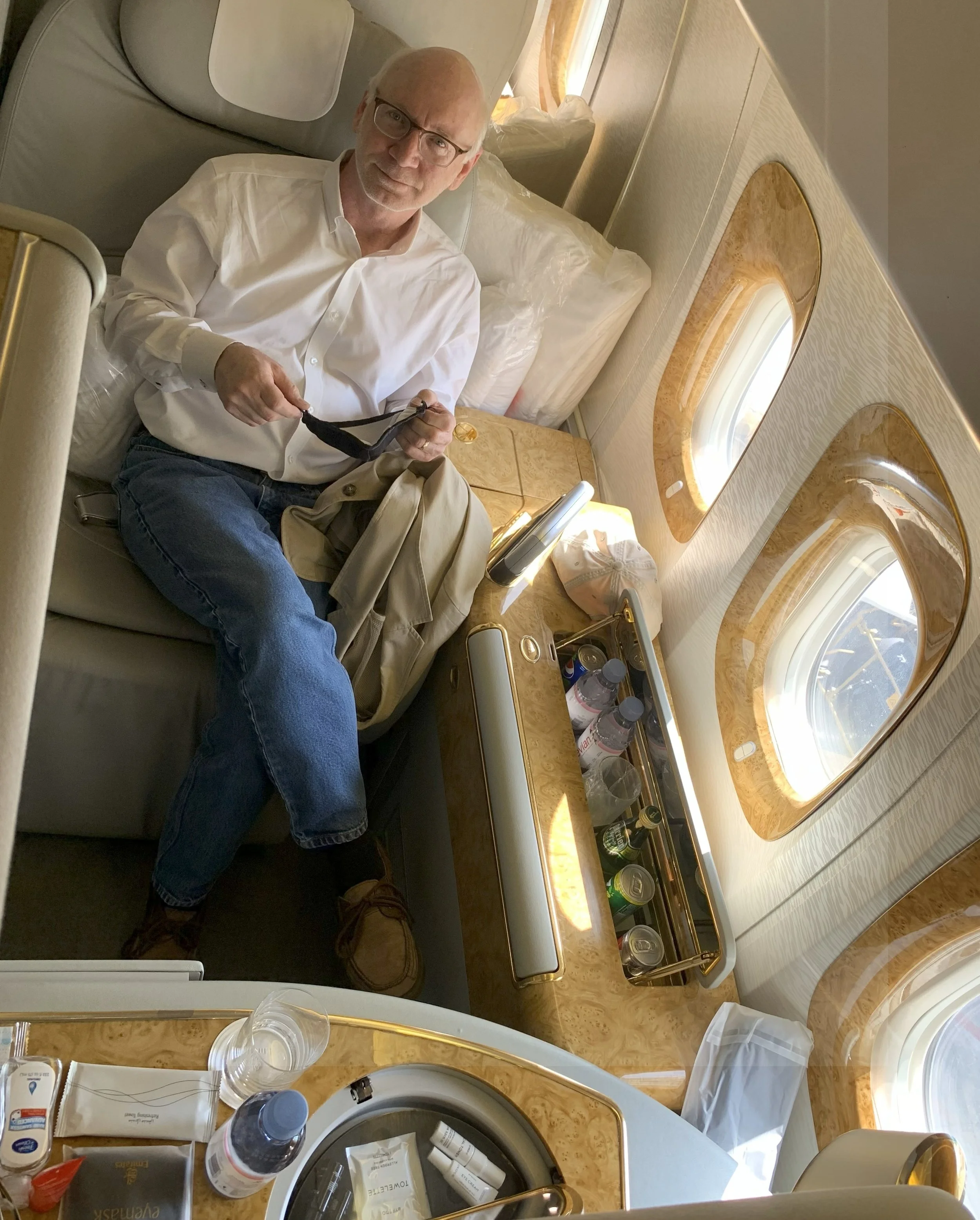
Emirates Airlines
Dulles to Dubai
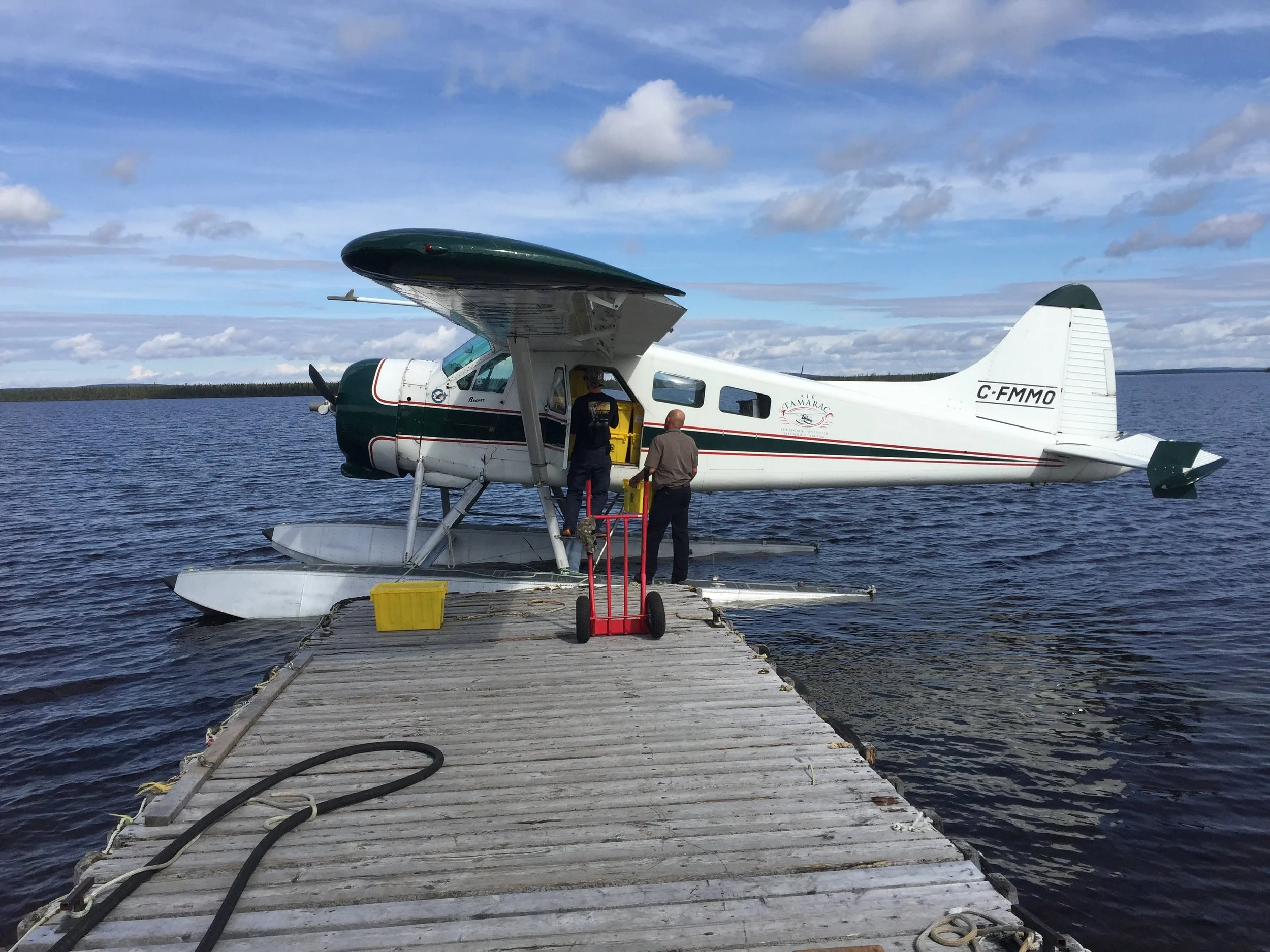
Remote camp in Northern Quebec
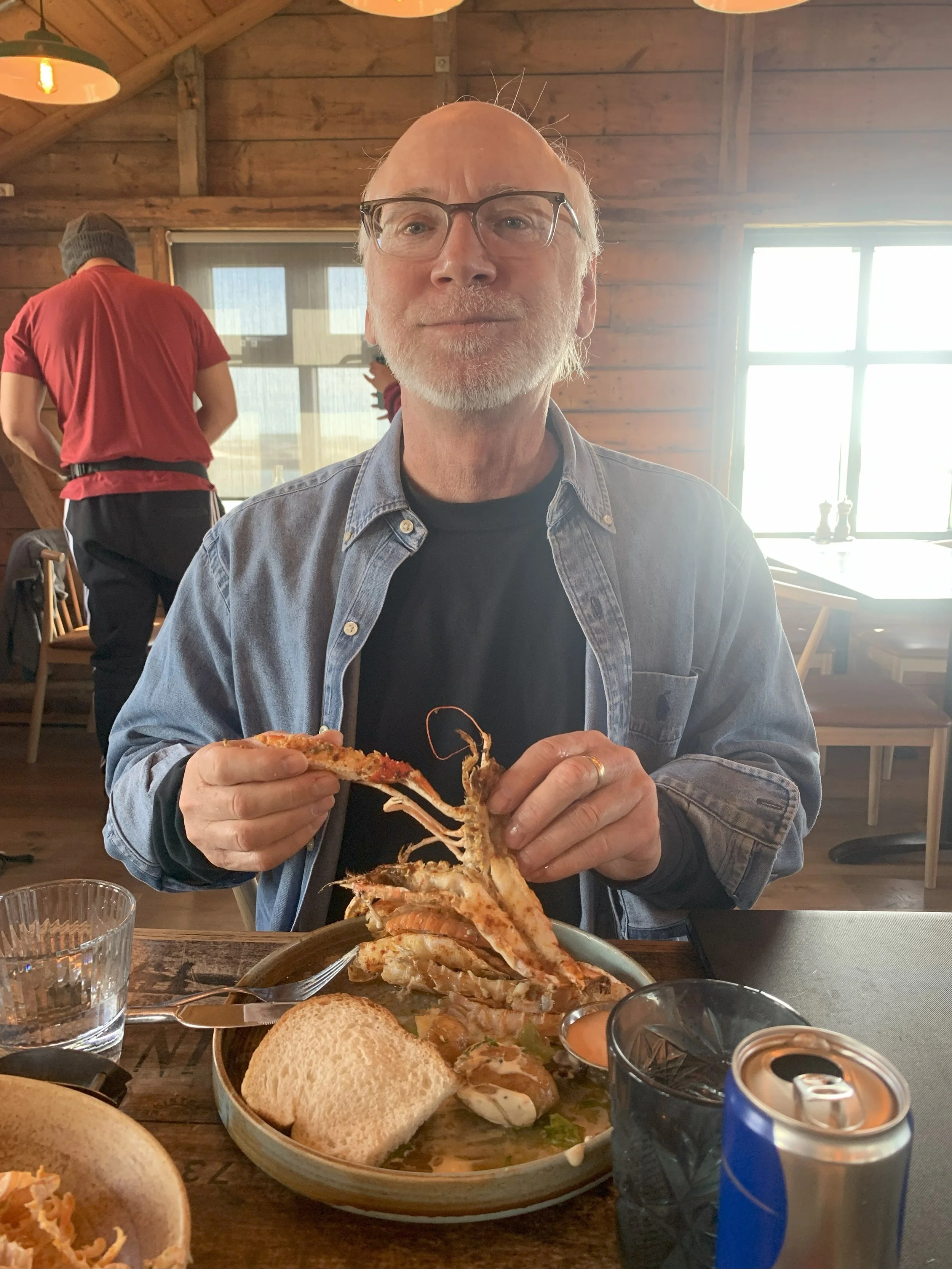
Langoustine, Höfn, Iceland
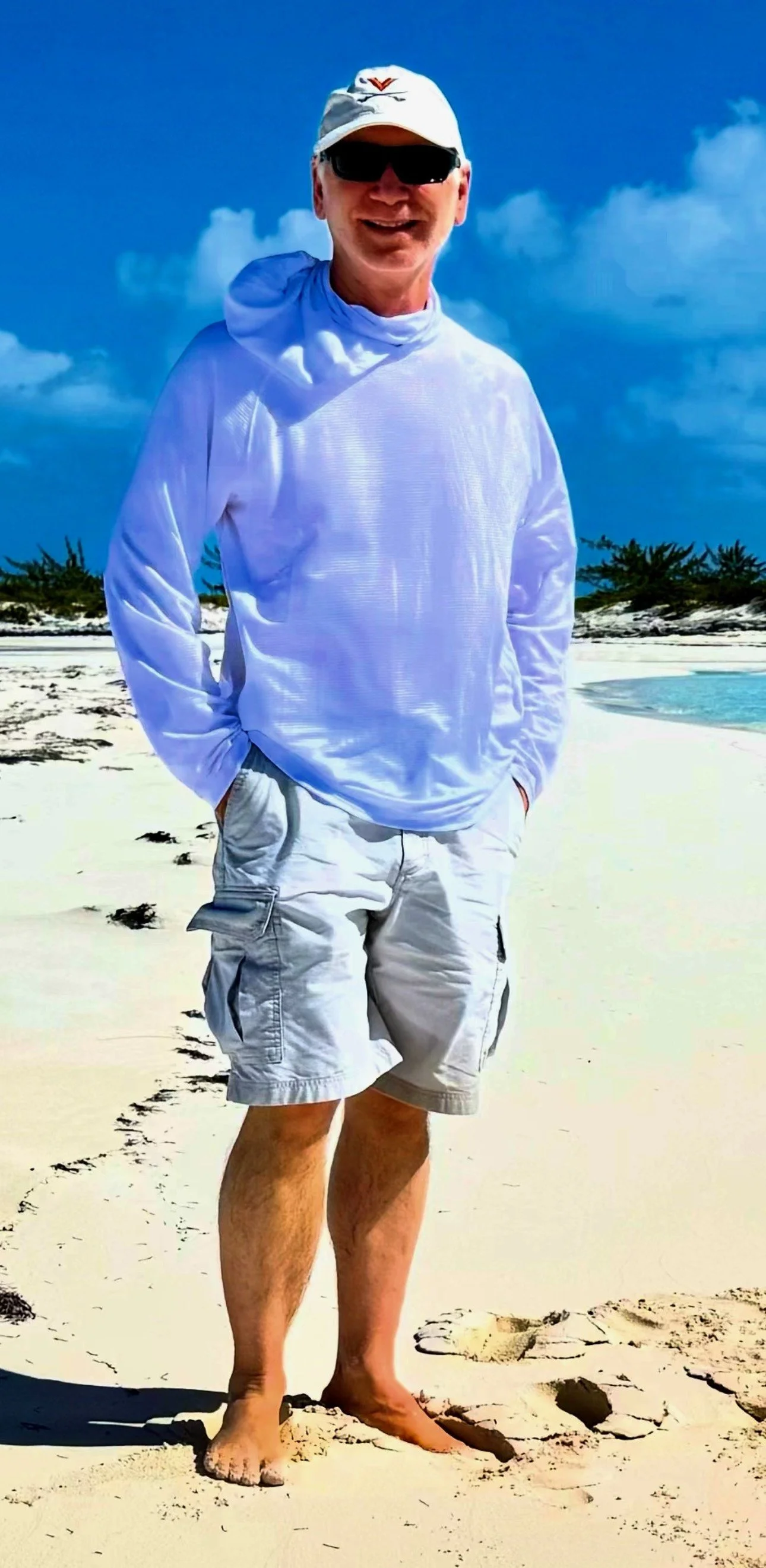
Long Island, Bahamas
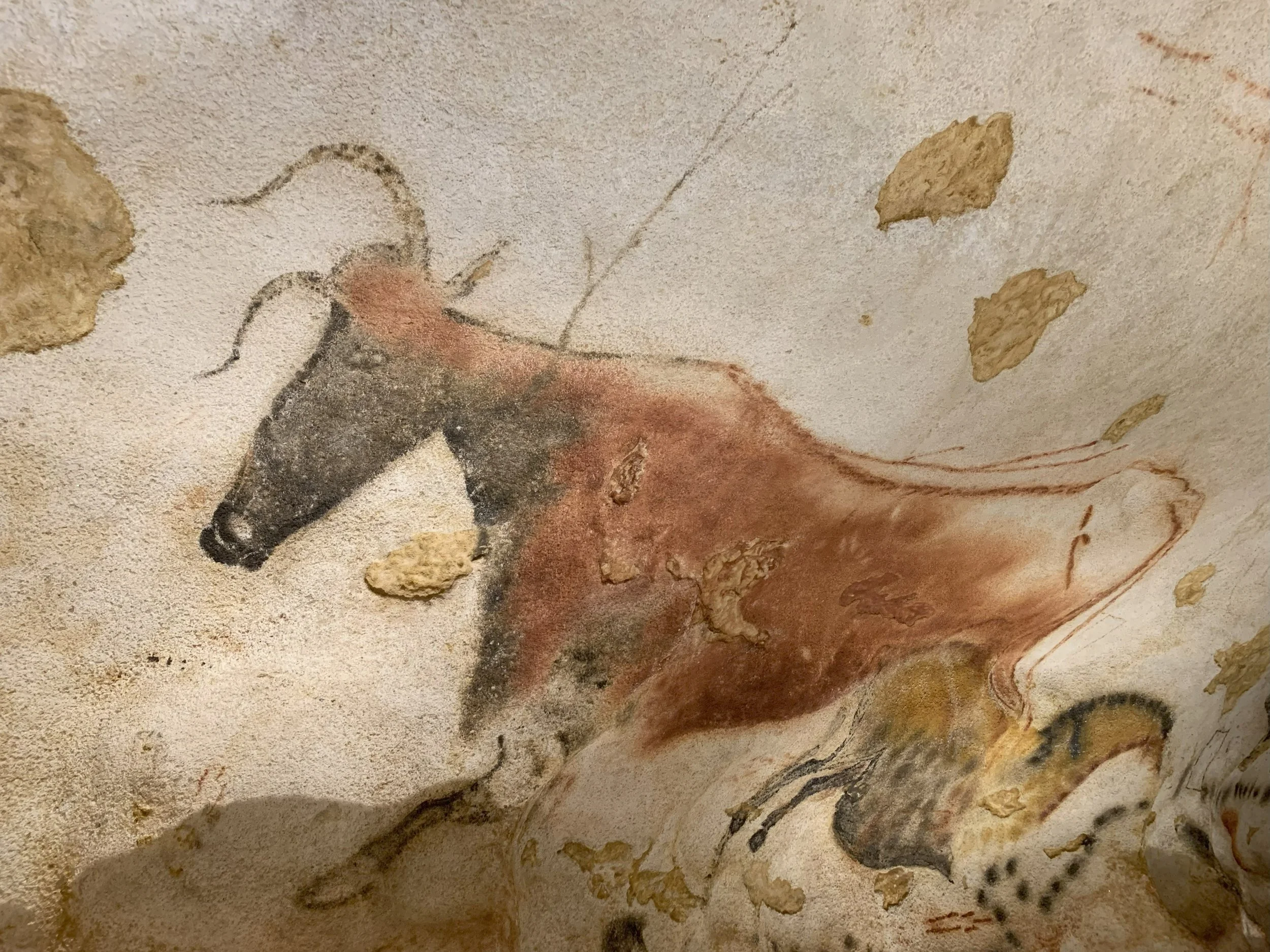
20,000 year-old cave art in Dordogne, France
Sites studied included Font-de-Gaume, Pech Merle,
Les Combarelles, Rouffignac cave (Cave of the Hundred Mammoths) (Mark's favorite) and Lascaux
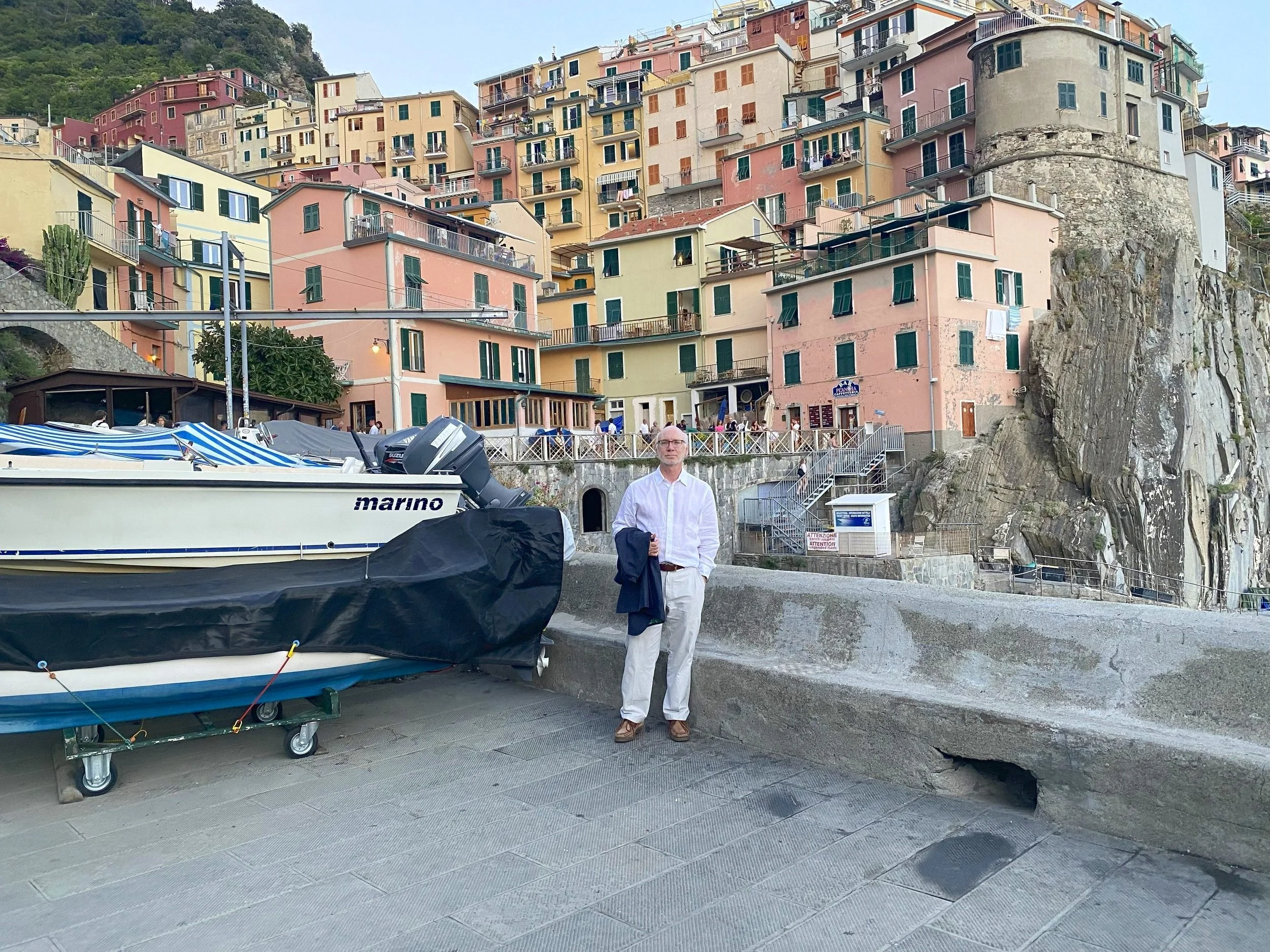
Cinque Terre, Italy
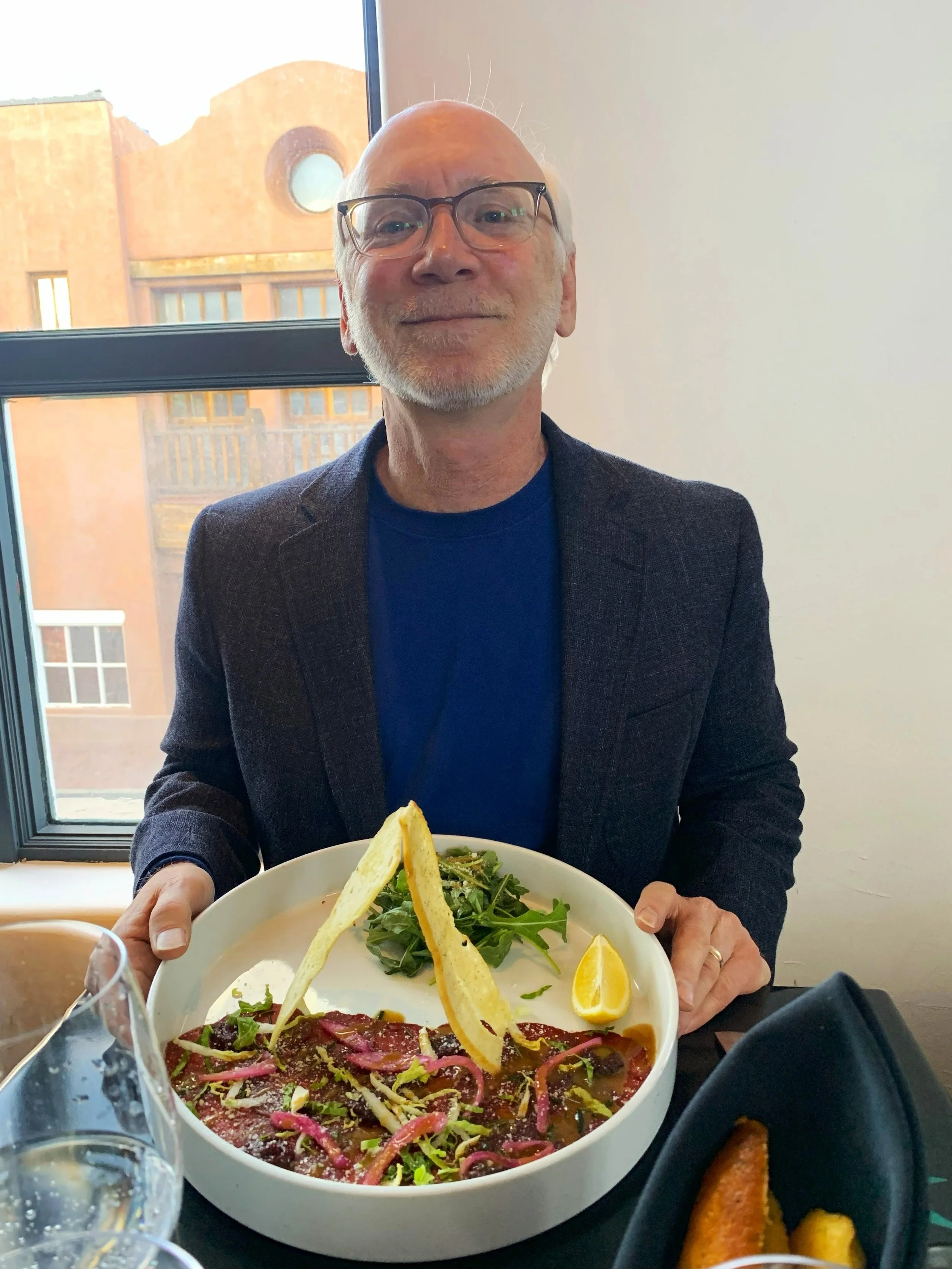
Elk carpaccio
Santa Fe, New Mexico
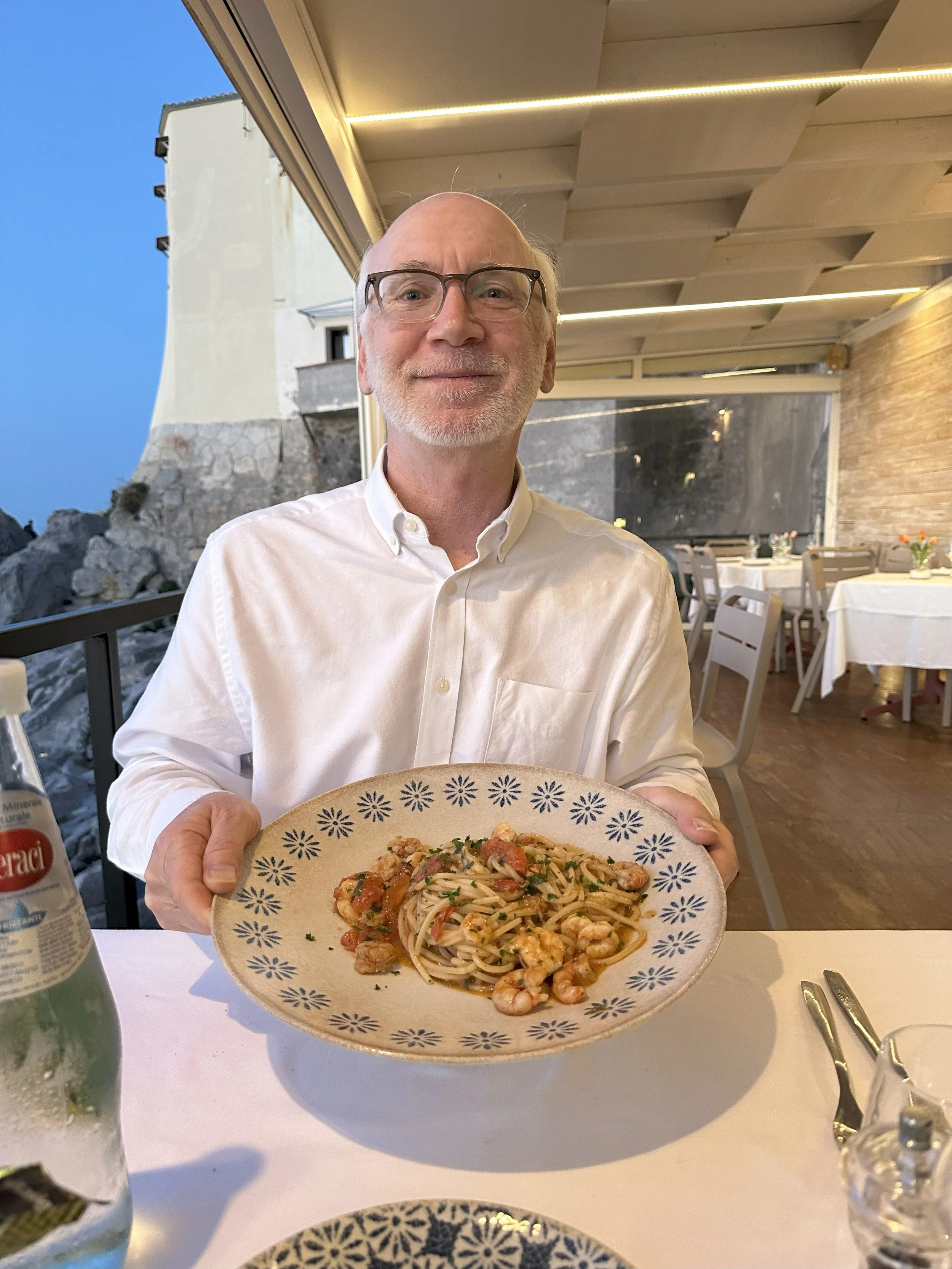
Local shrimp pasta
Cefalu, Sicily
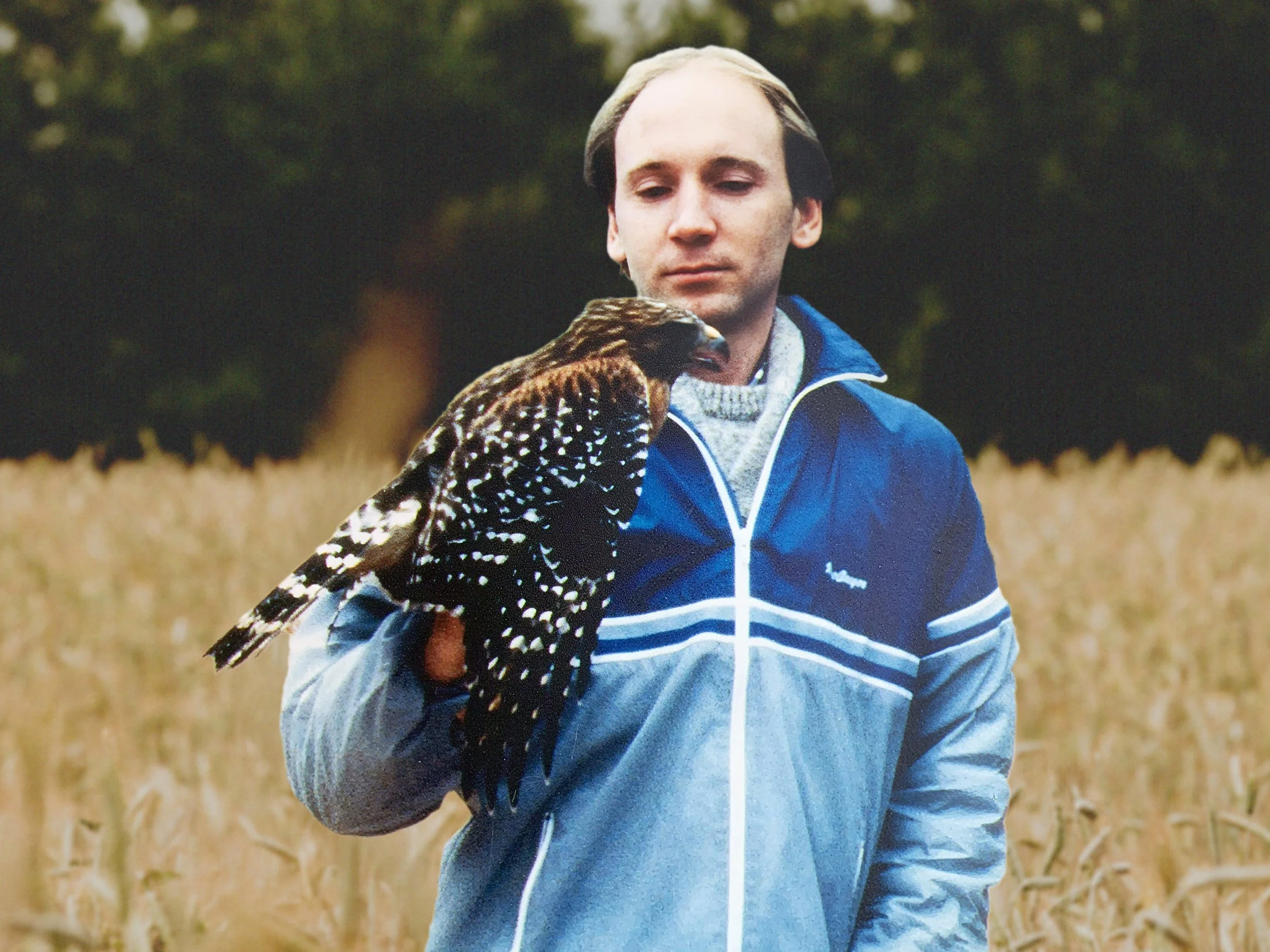
Early wildlife biologist days, Florida Fish and Wildlife Conservation Commission

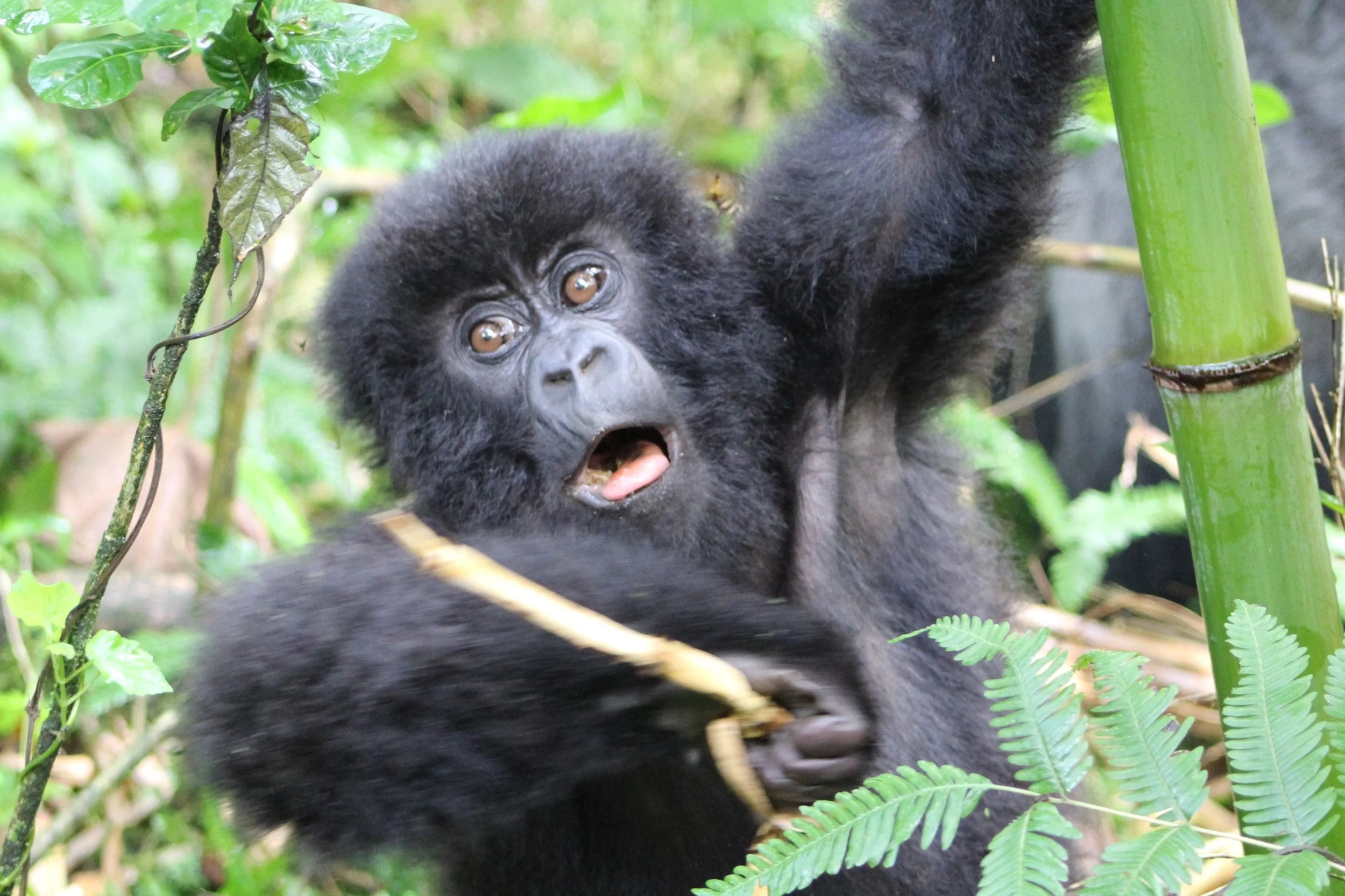
Gorilla trekking with the Deputy Secretary General of the United Nations and former Nigerian Minister of Environment
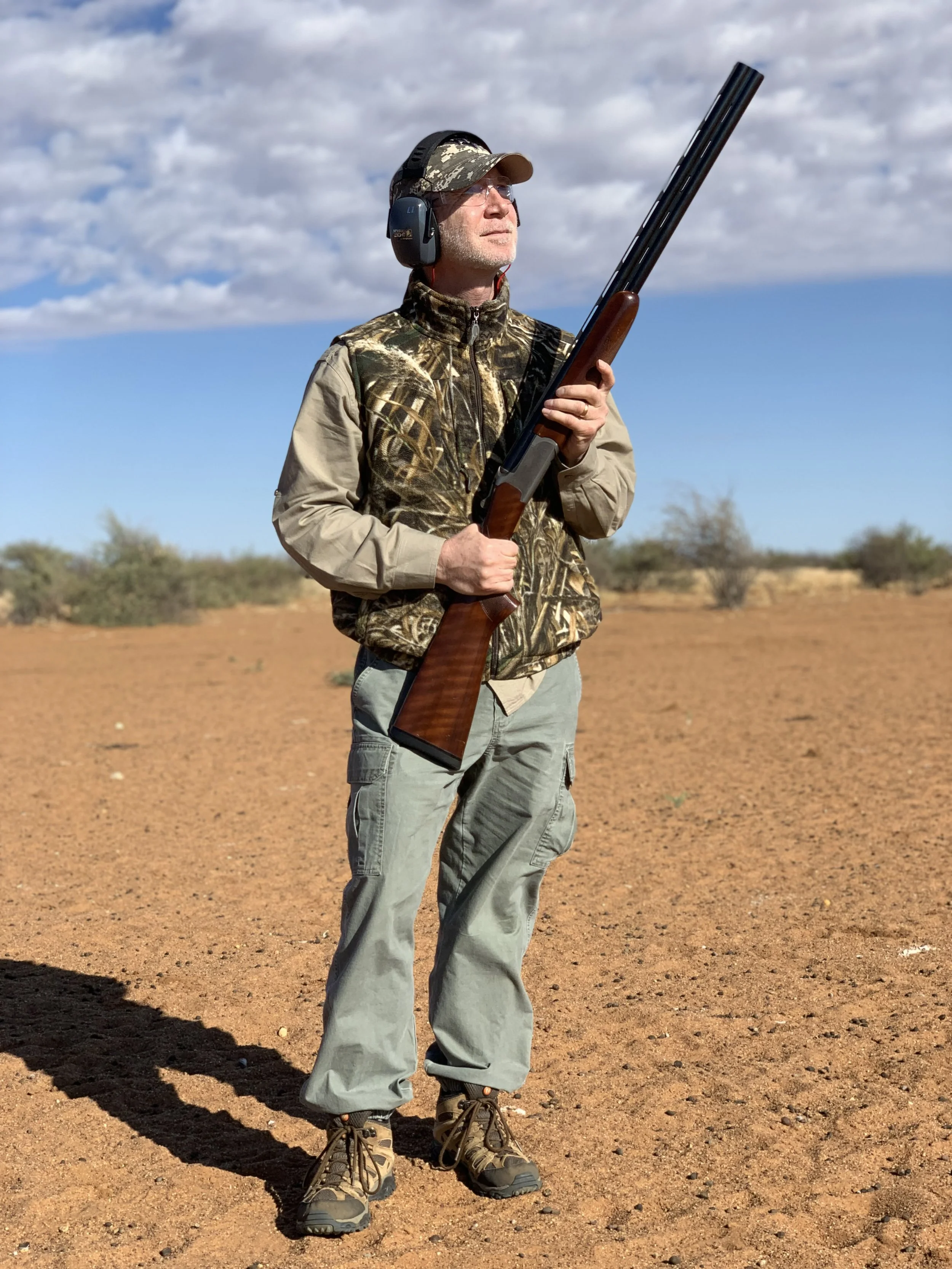
Sand grouse hunting
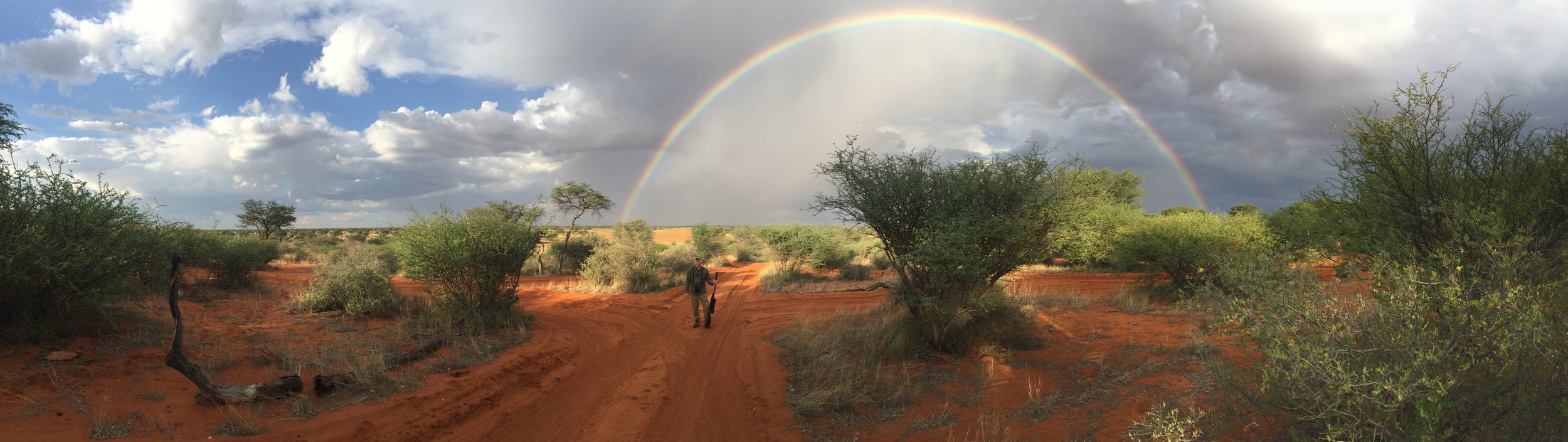
Kalahari Desert, Namibia
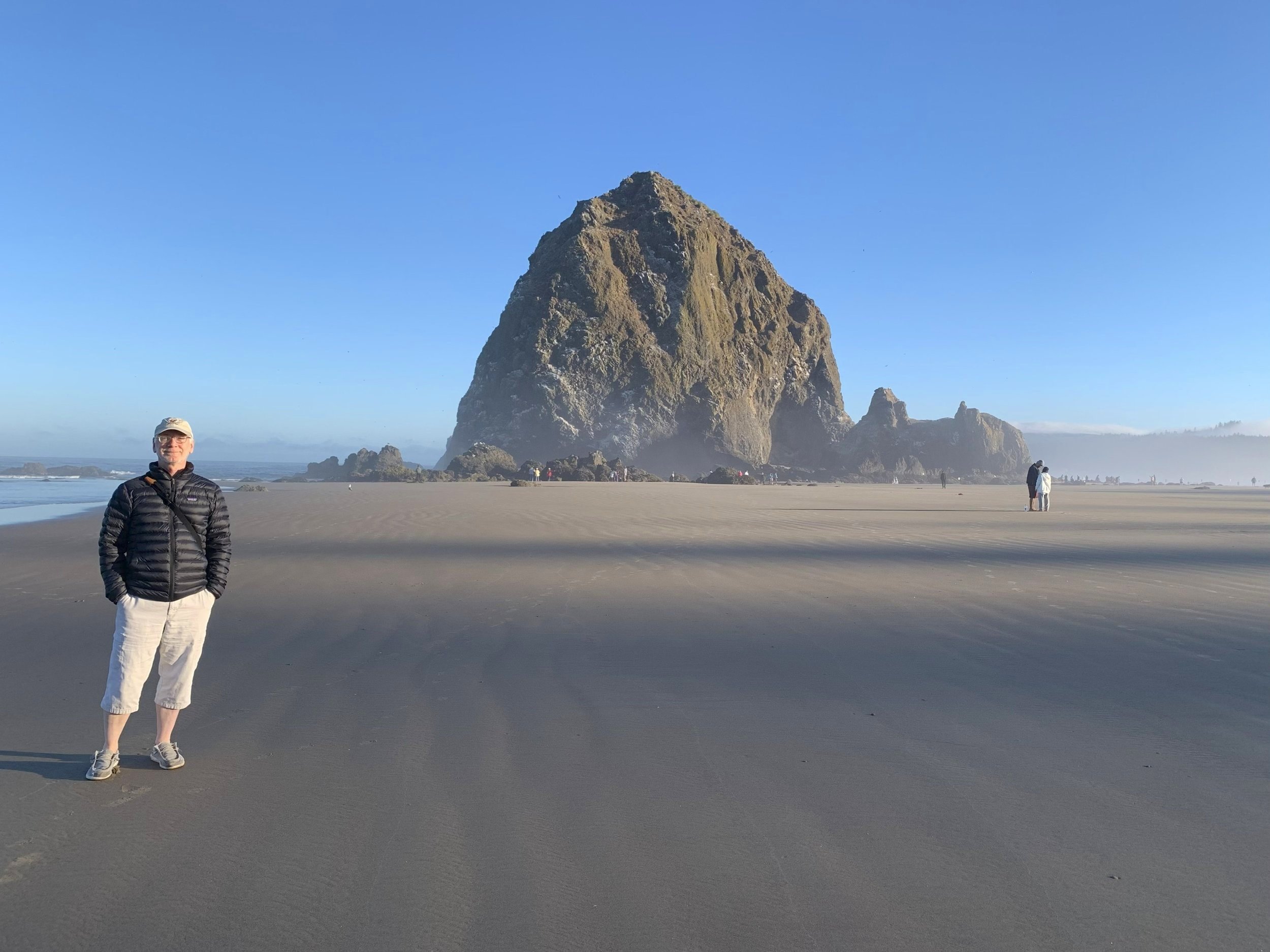
Cannon Beach, Oregon
Family and Friends
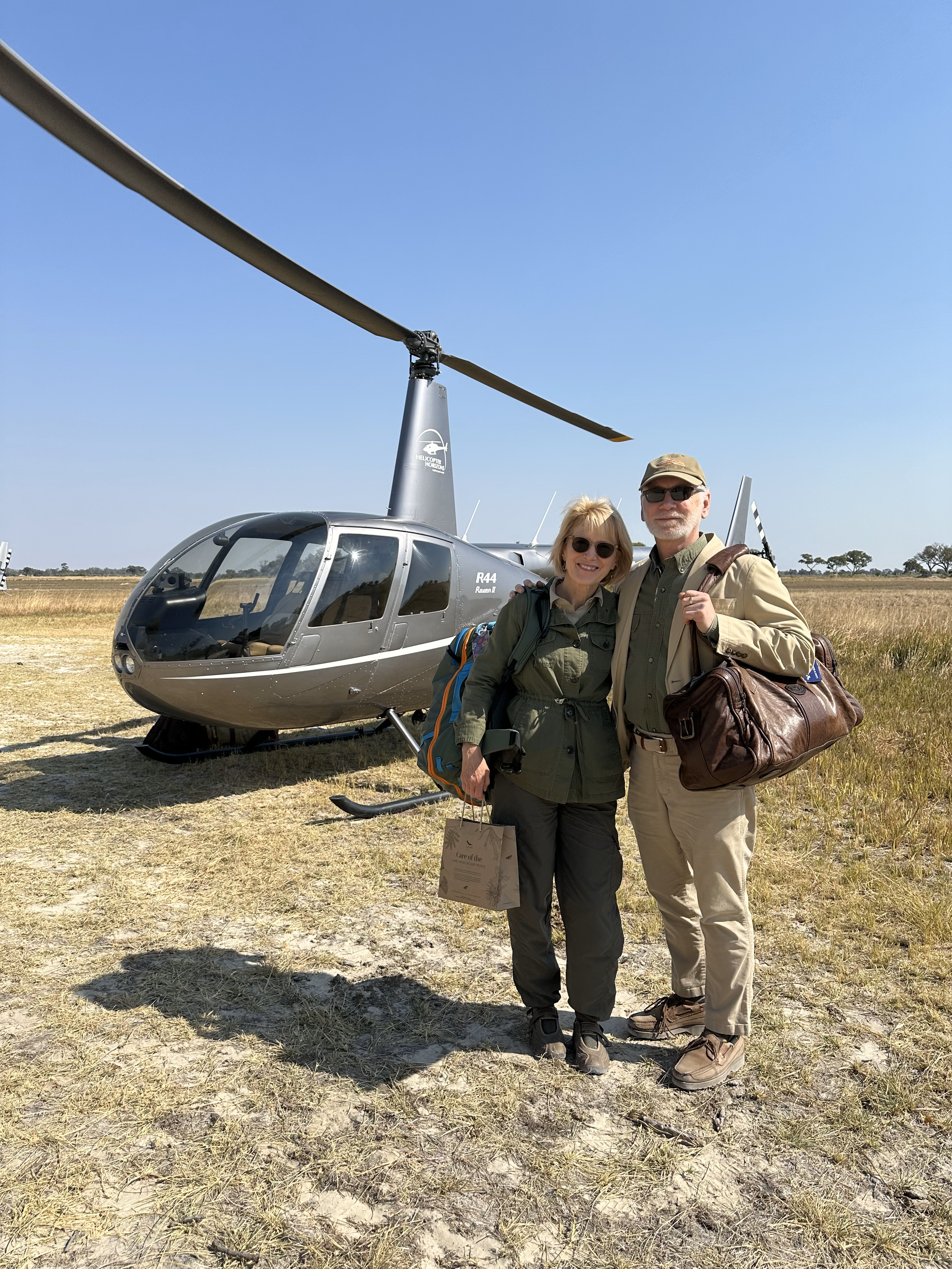
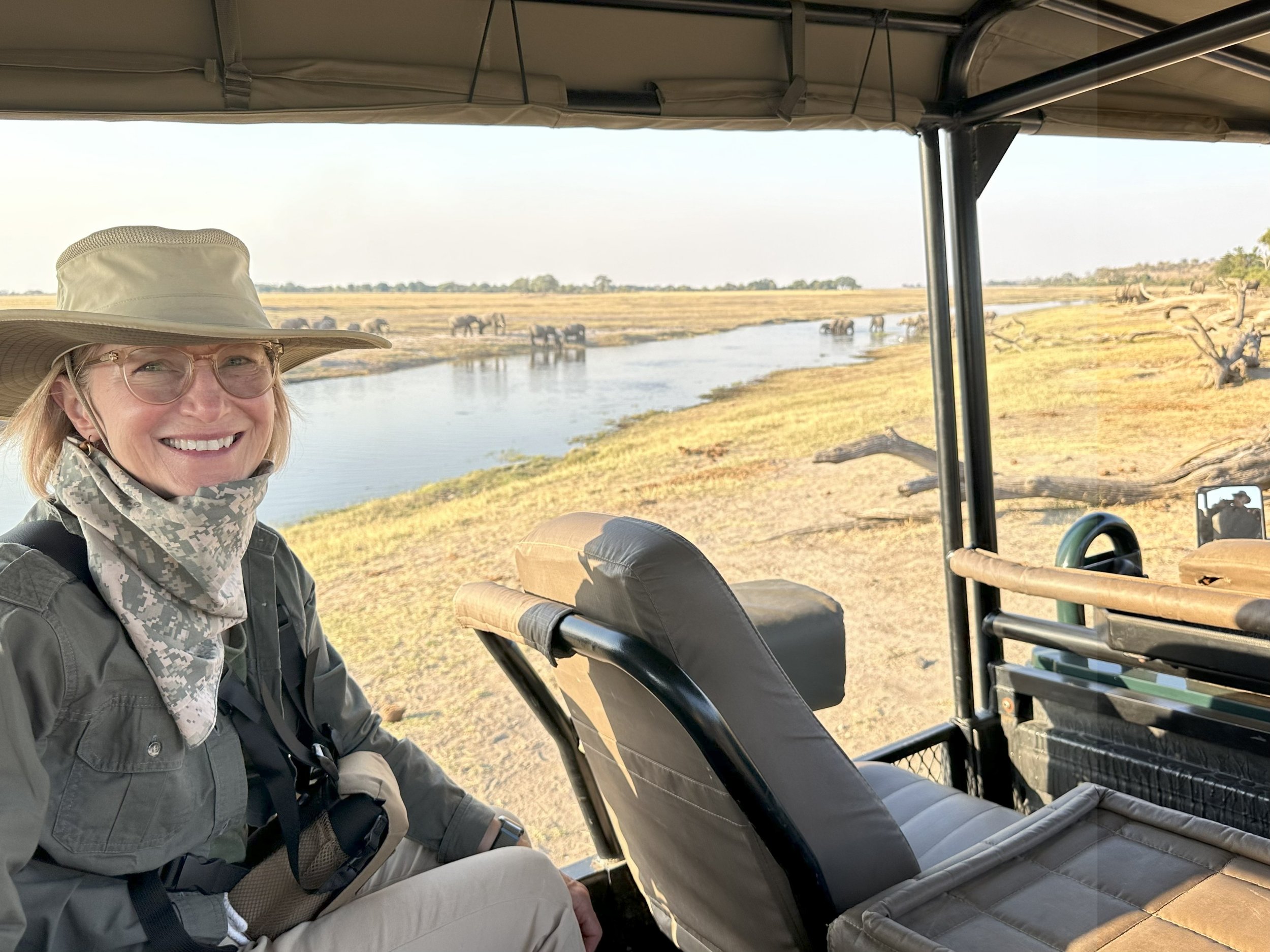
Okavango Delta, Botswana
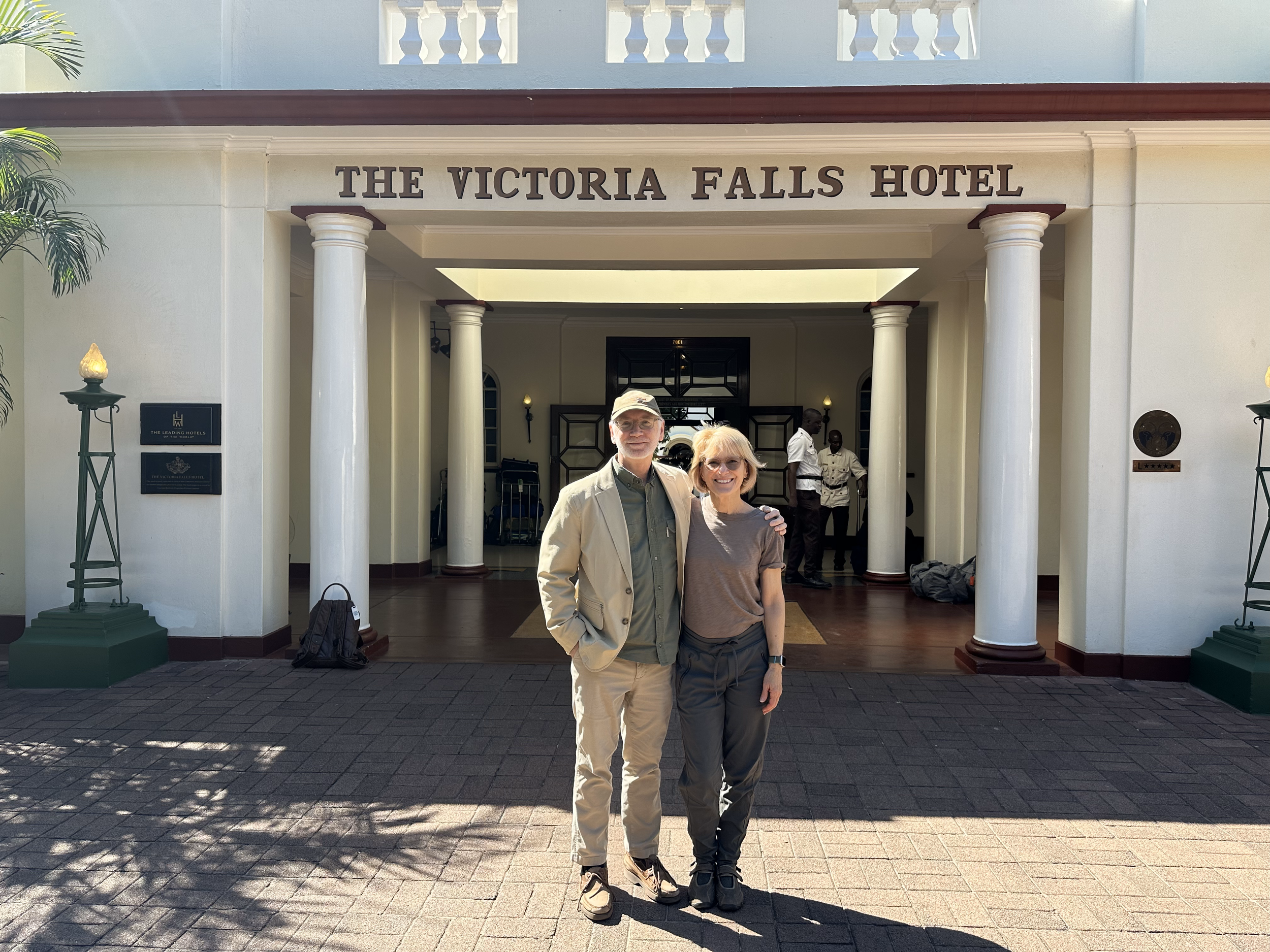
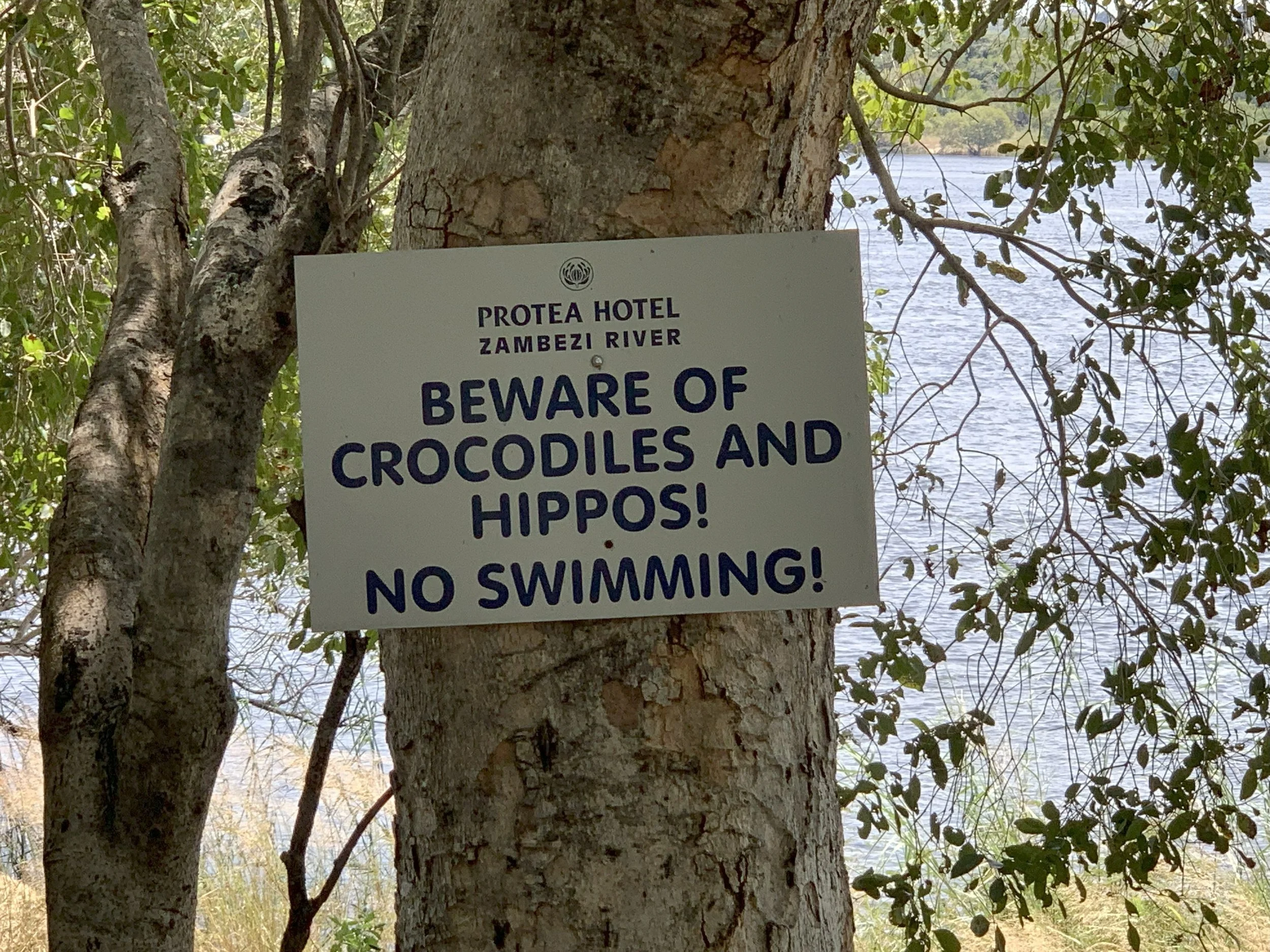
Zimbabwe
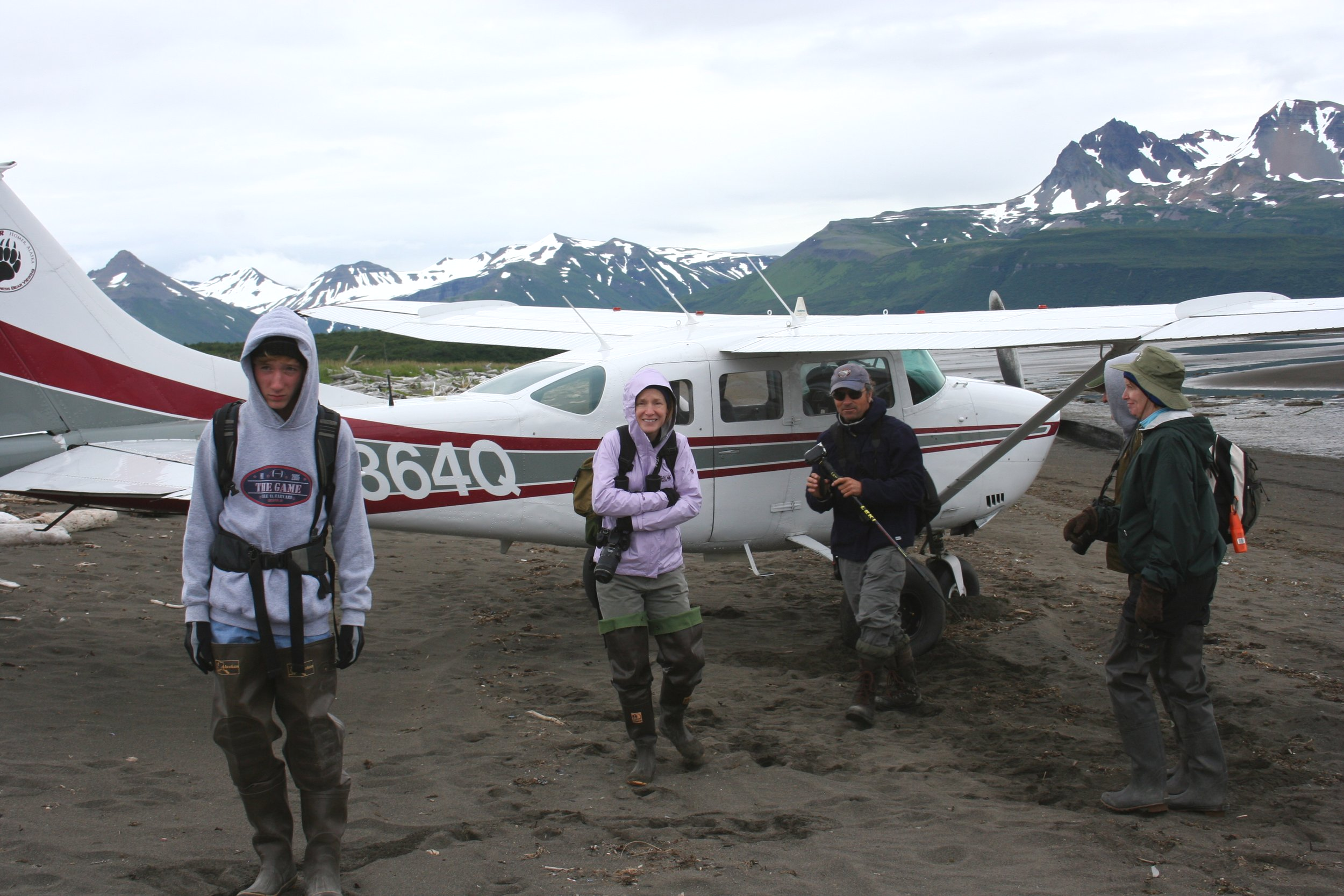
Remote Alaskan Beach near Lake Clark National Park
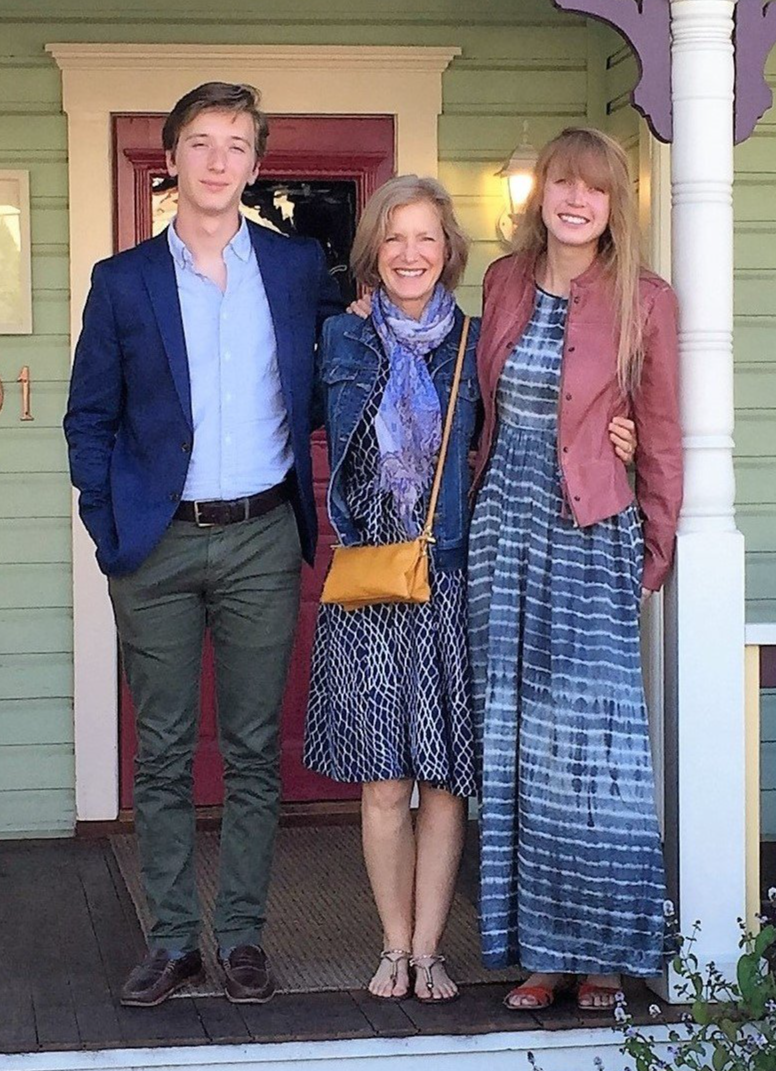
Newberg, Oregon
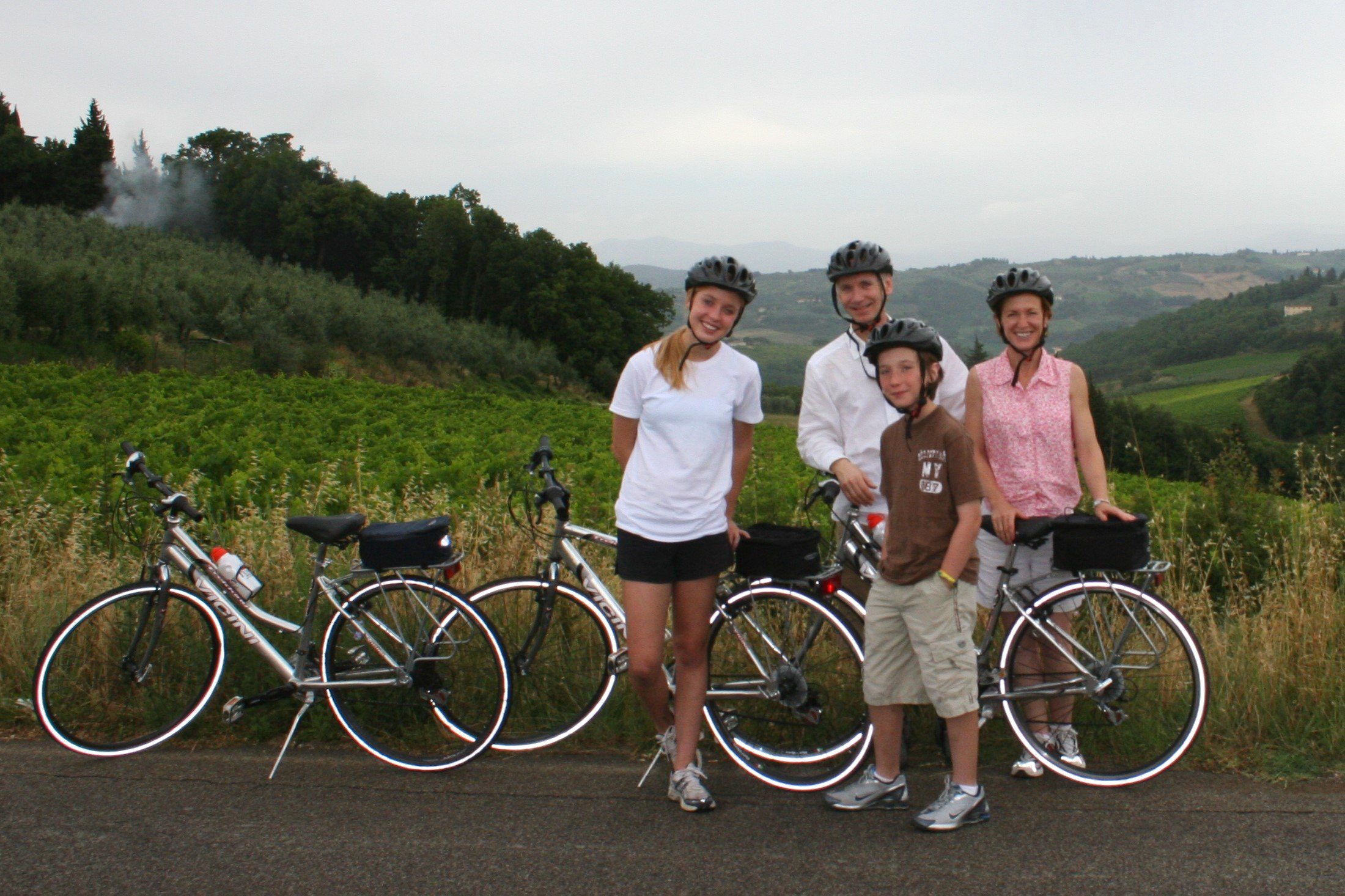
Tuscany, Italy
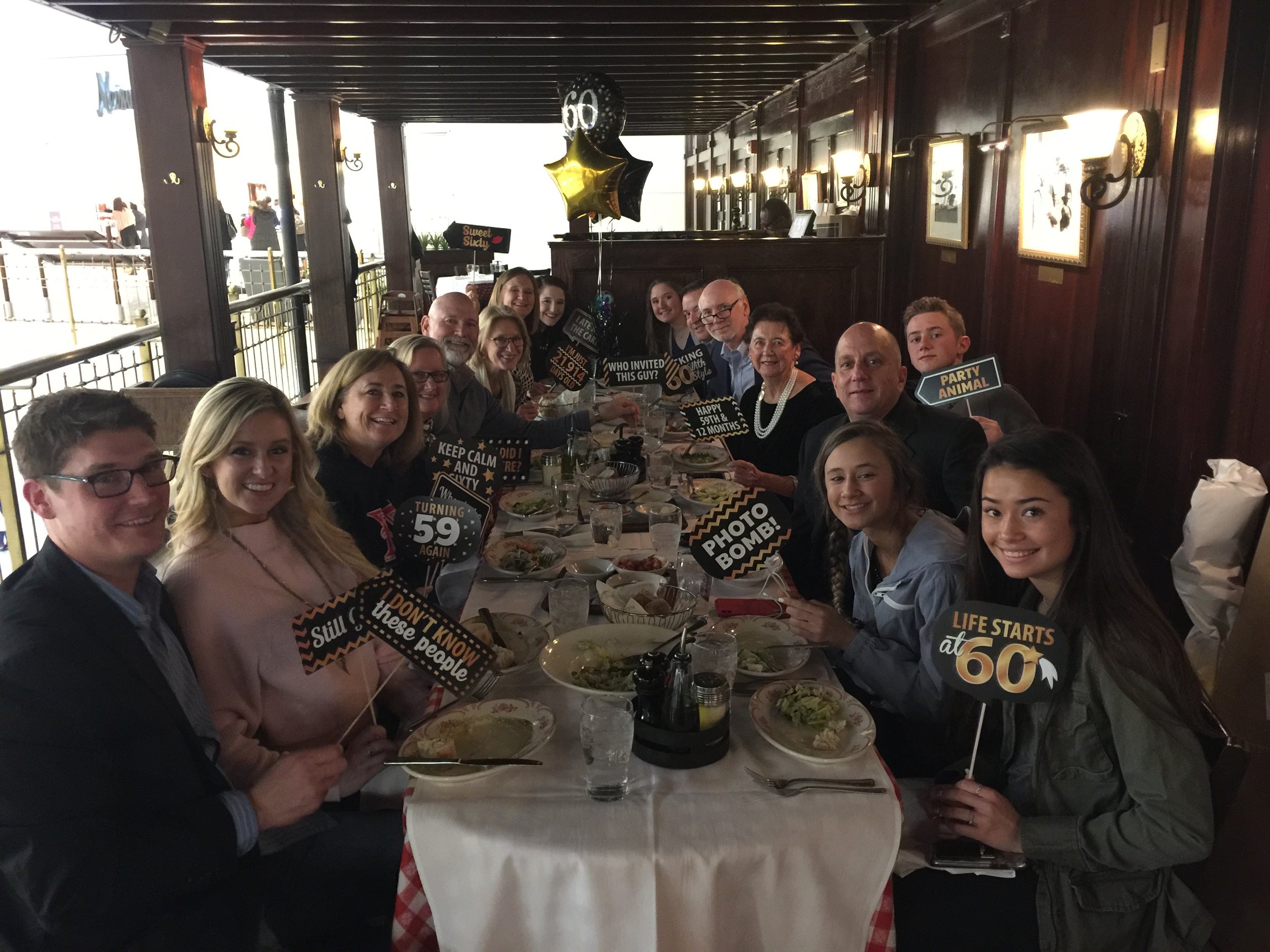
A small quiet family (LOL)
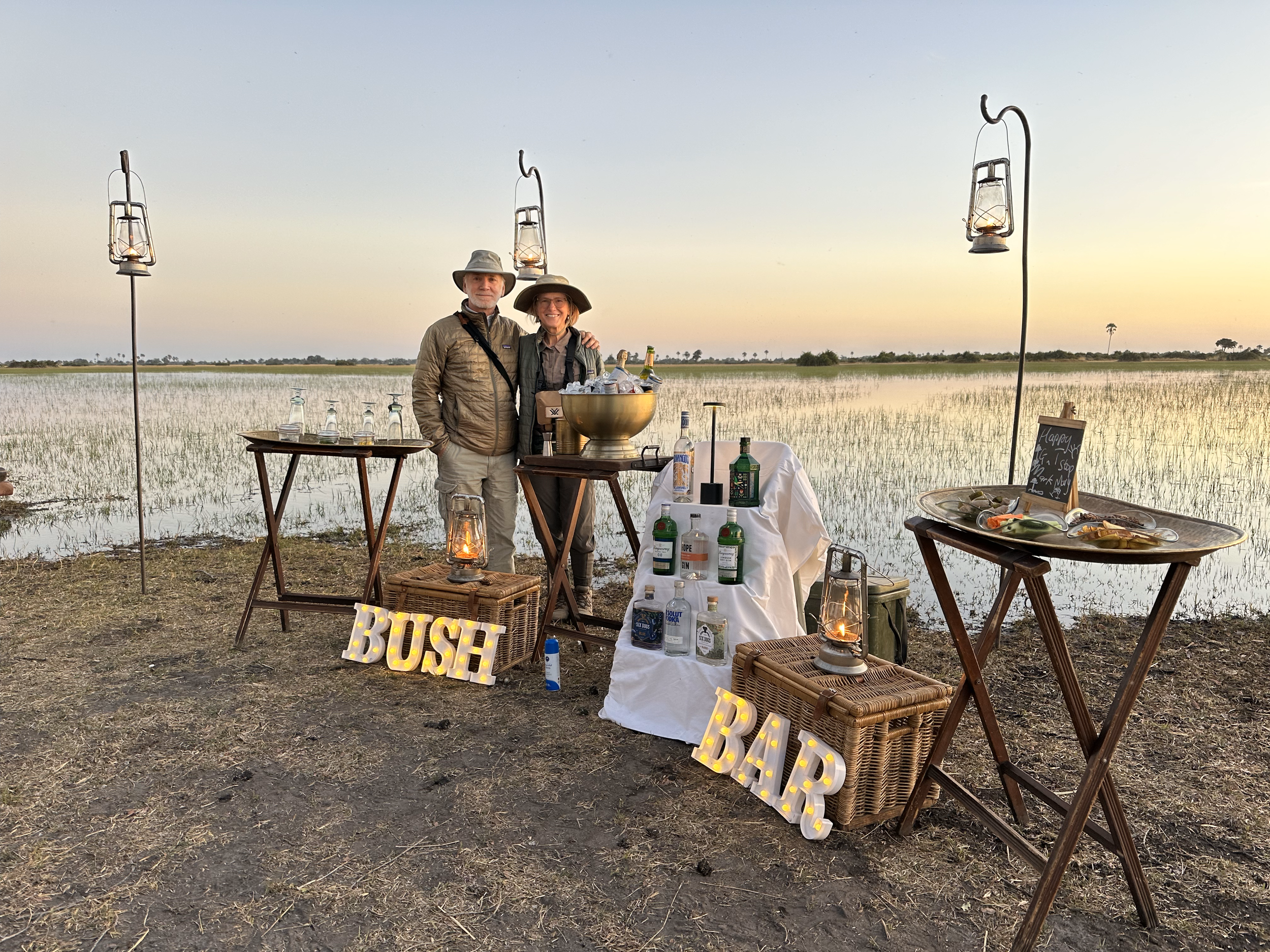
Xaranna Camp, Botswana
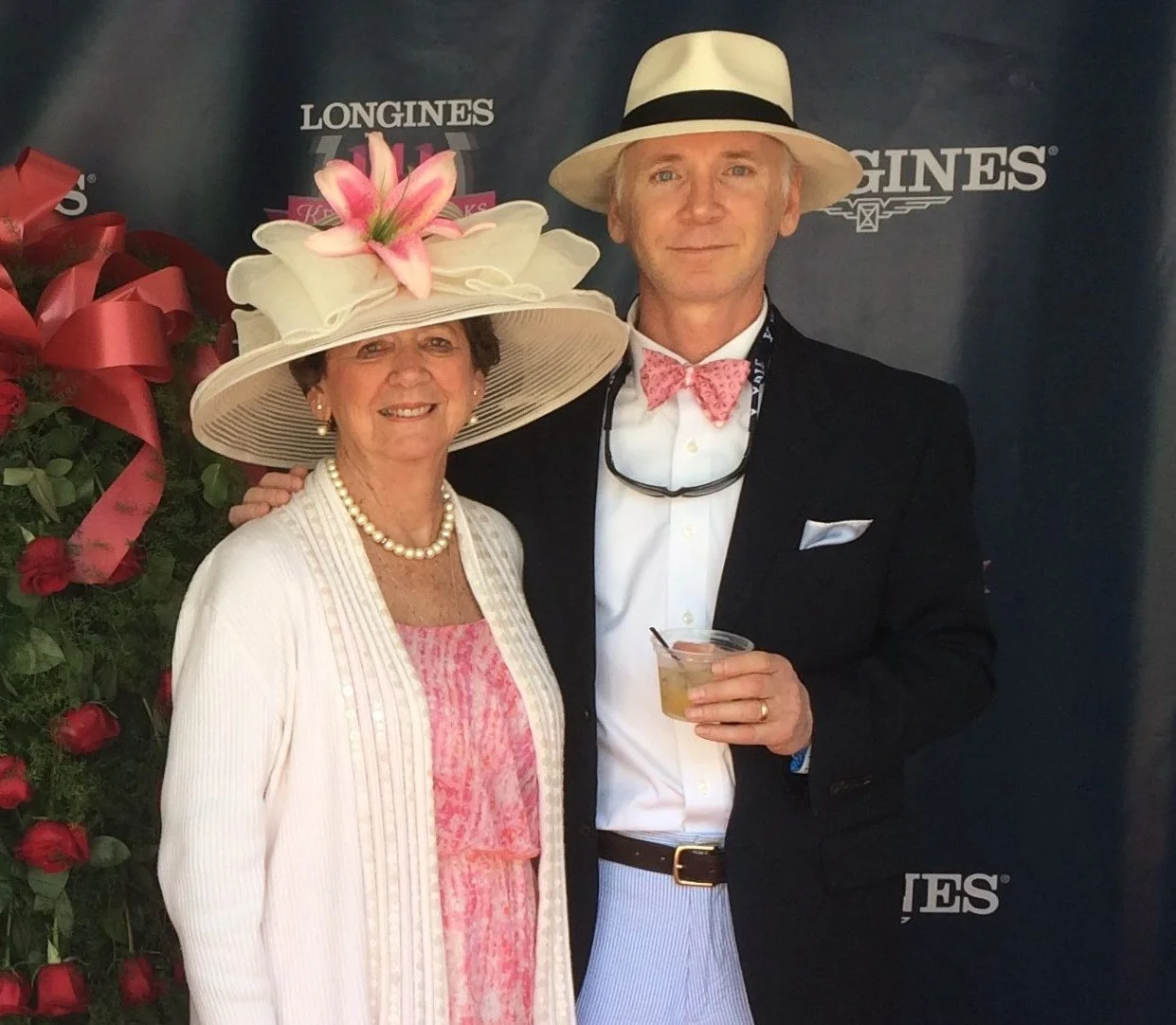
Kentucky Derby, mom's bucket list checked
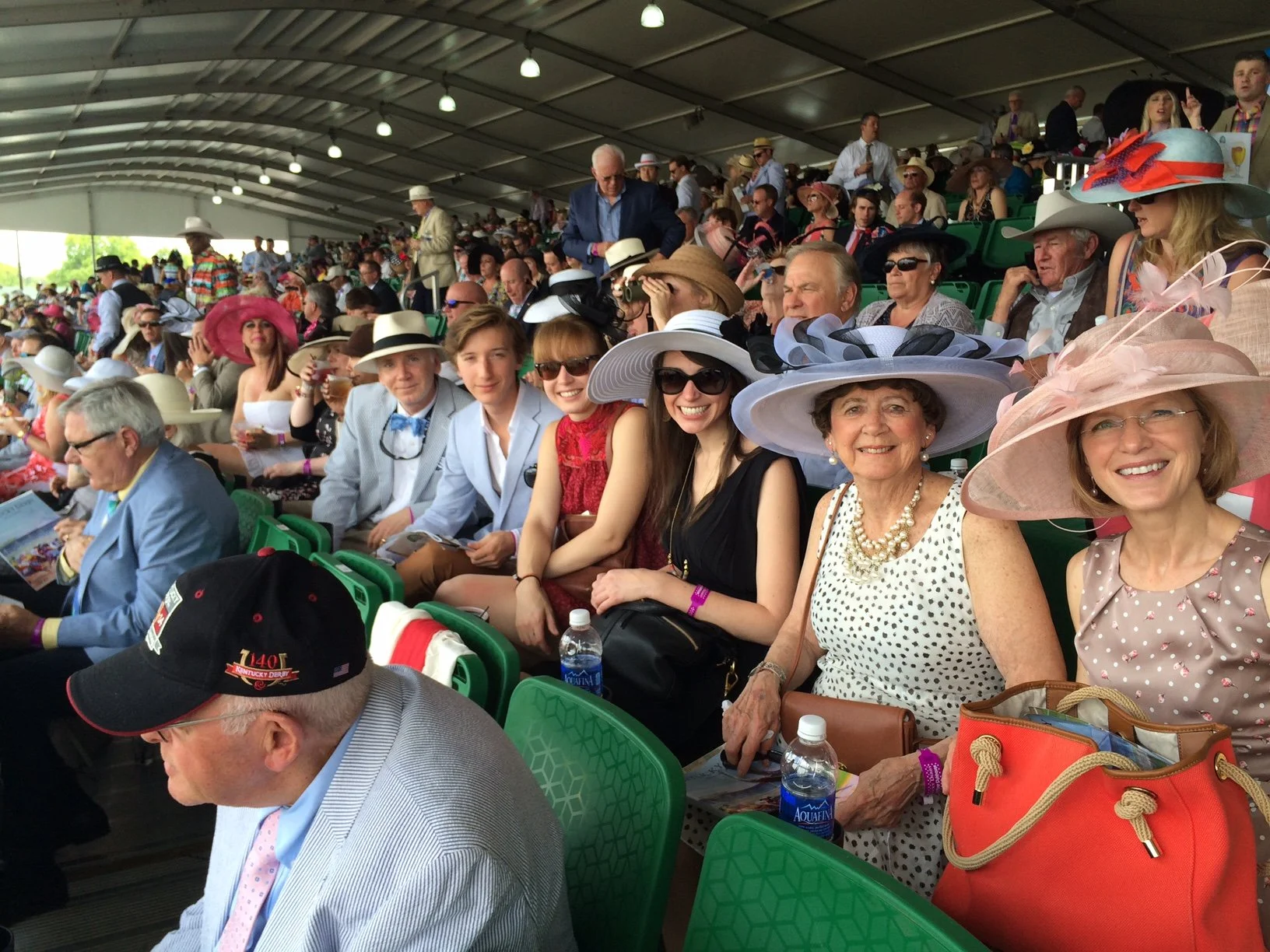
Kentucky Derby

At Kentucky Derby rooting for American Pharoah,
eventual triple crown winner
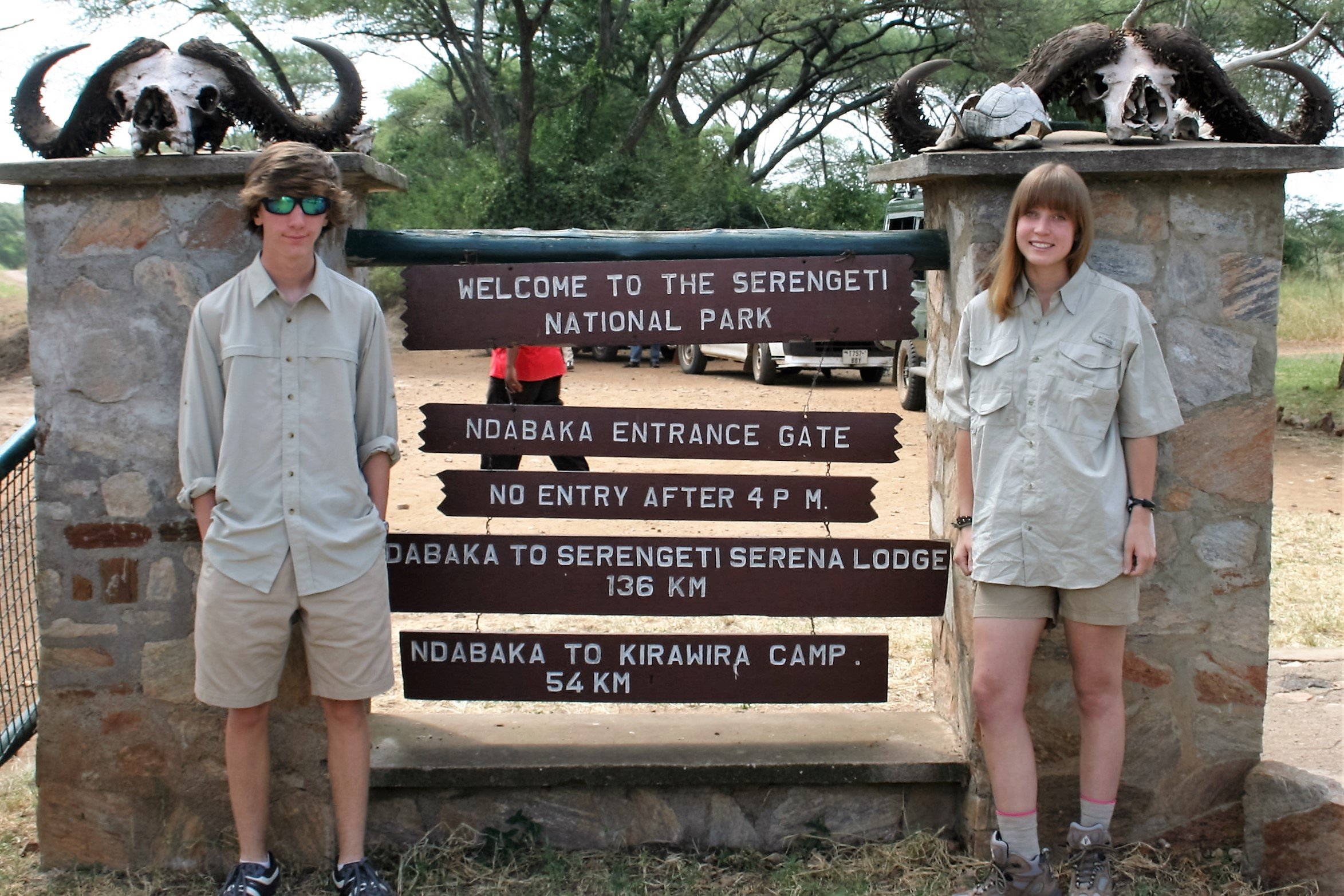
Western Serengeti

Santa Elena Cloud Forest Reserve, Costa Rica
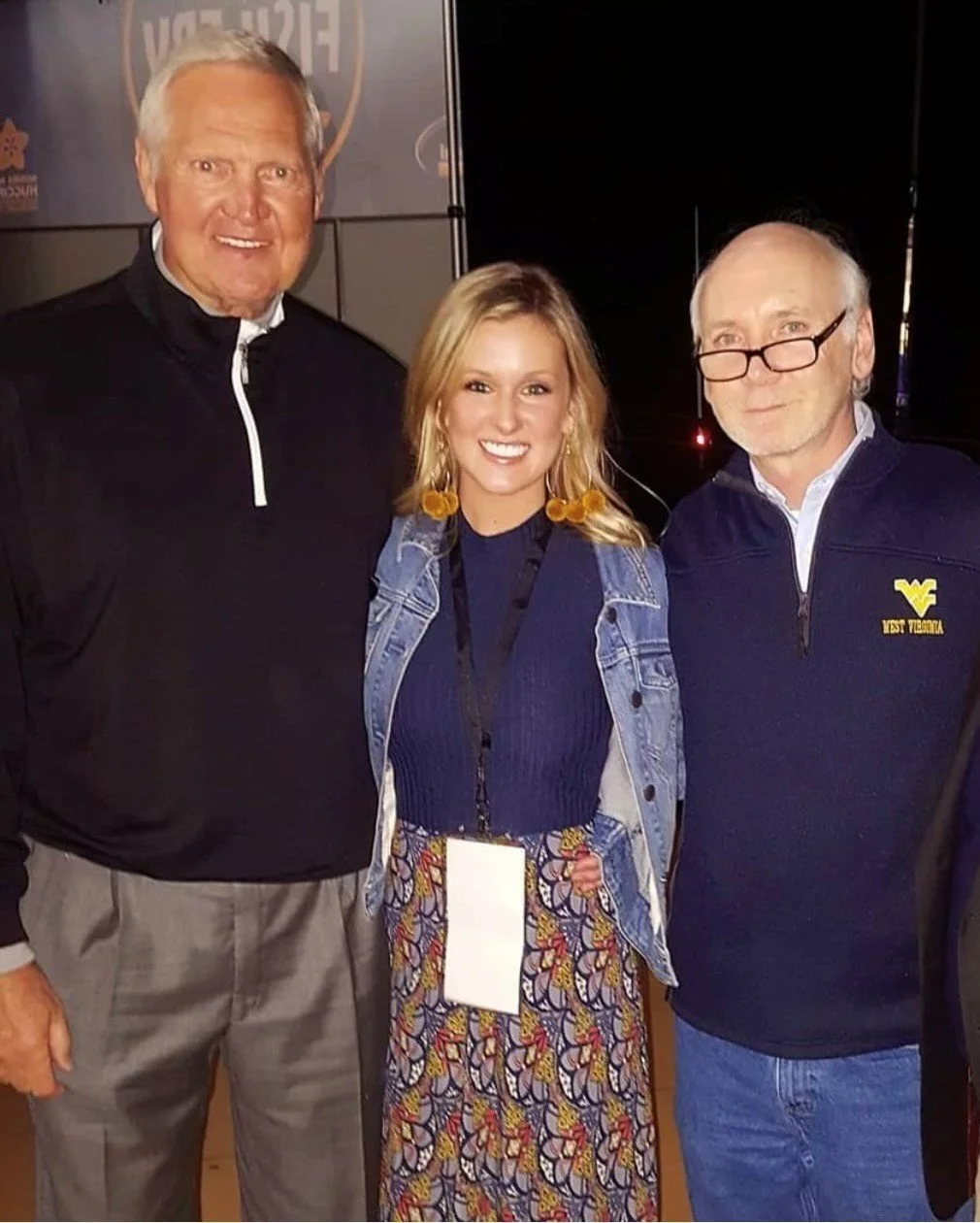
MDD, Kate (niece), and basketball legend, Jerry West
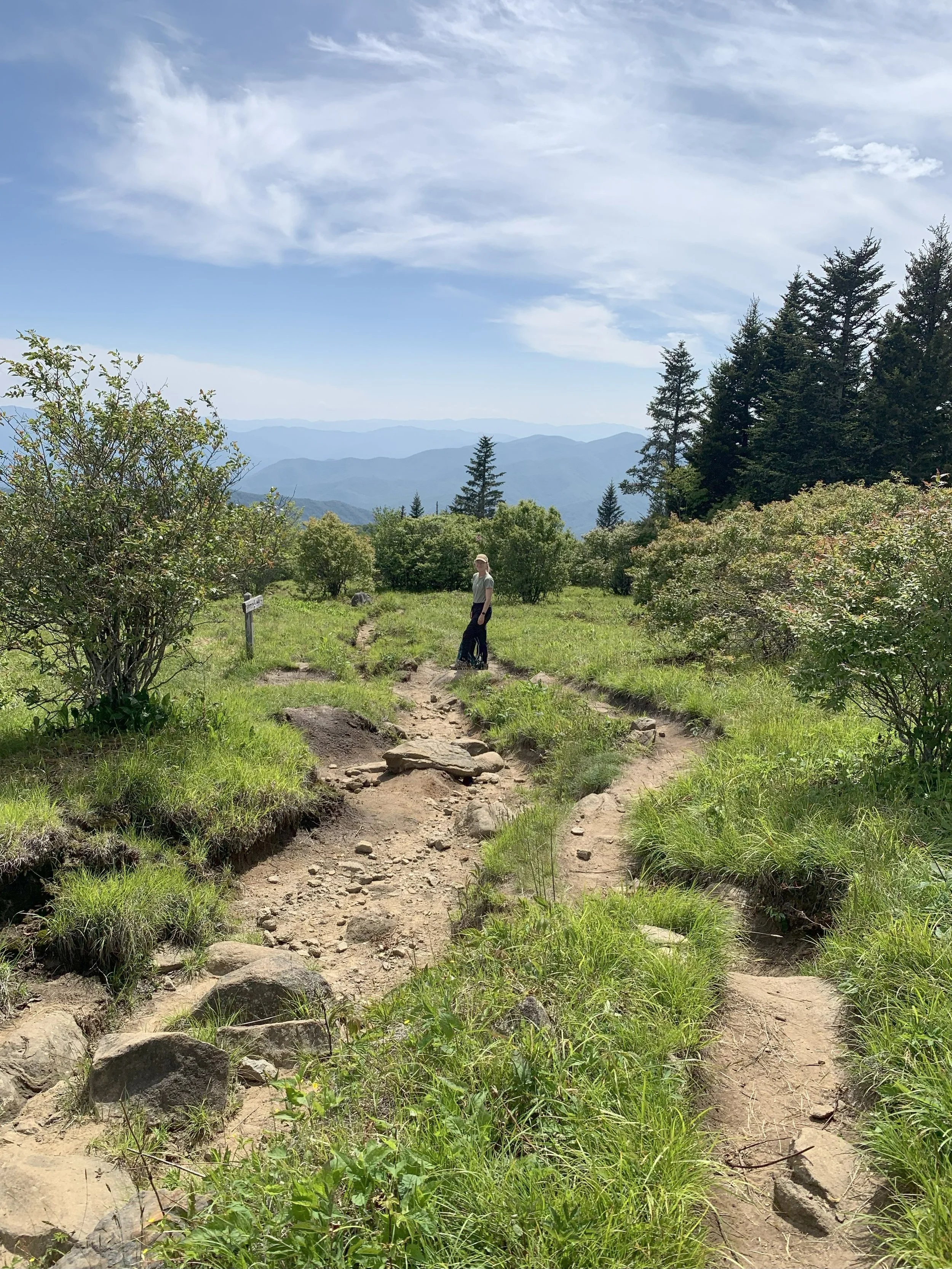
Great Smoky Mountains National Park
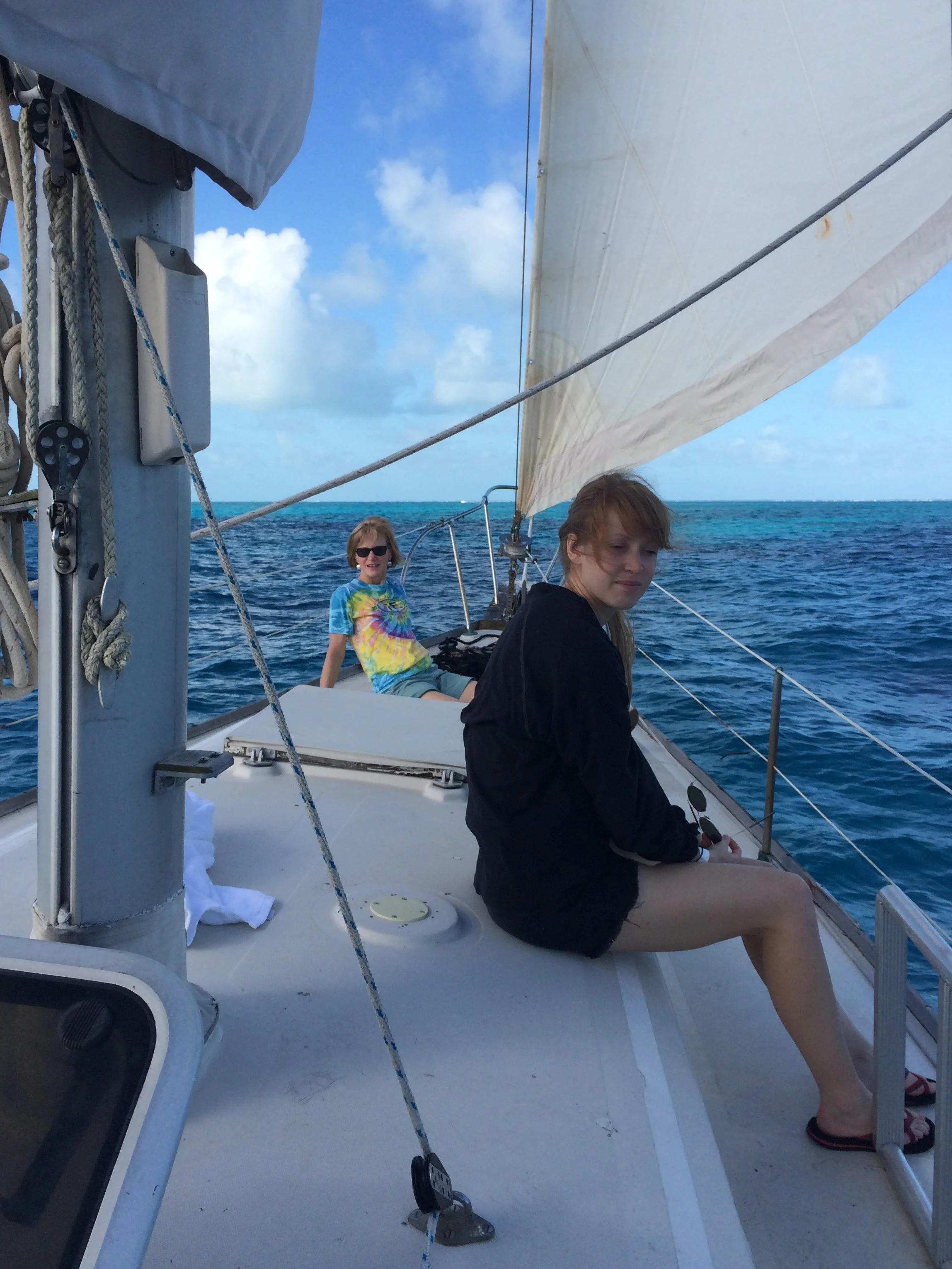
Sailing, Key West
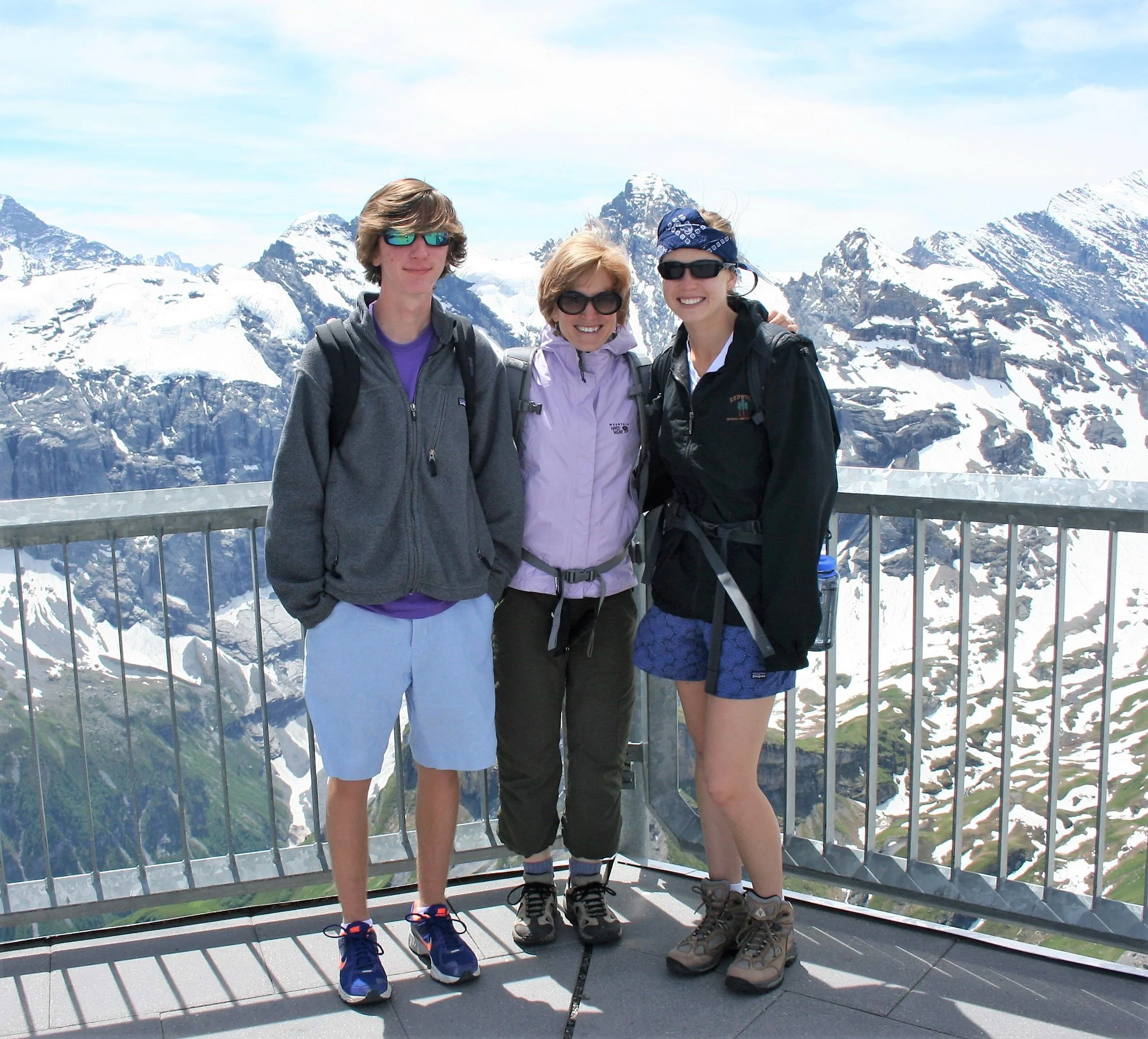
Schilthorn summit, Switzerland
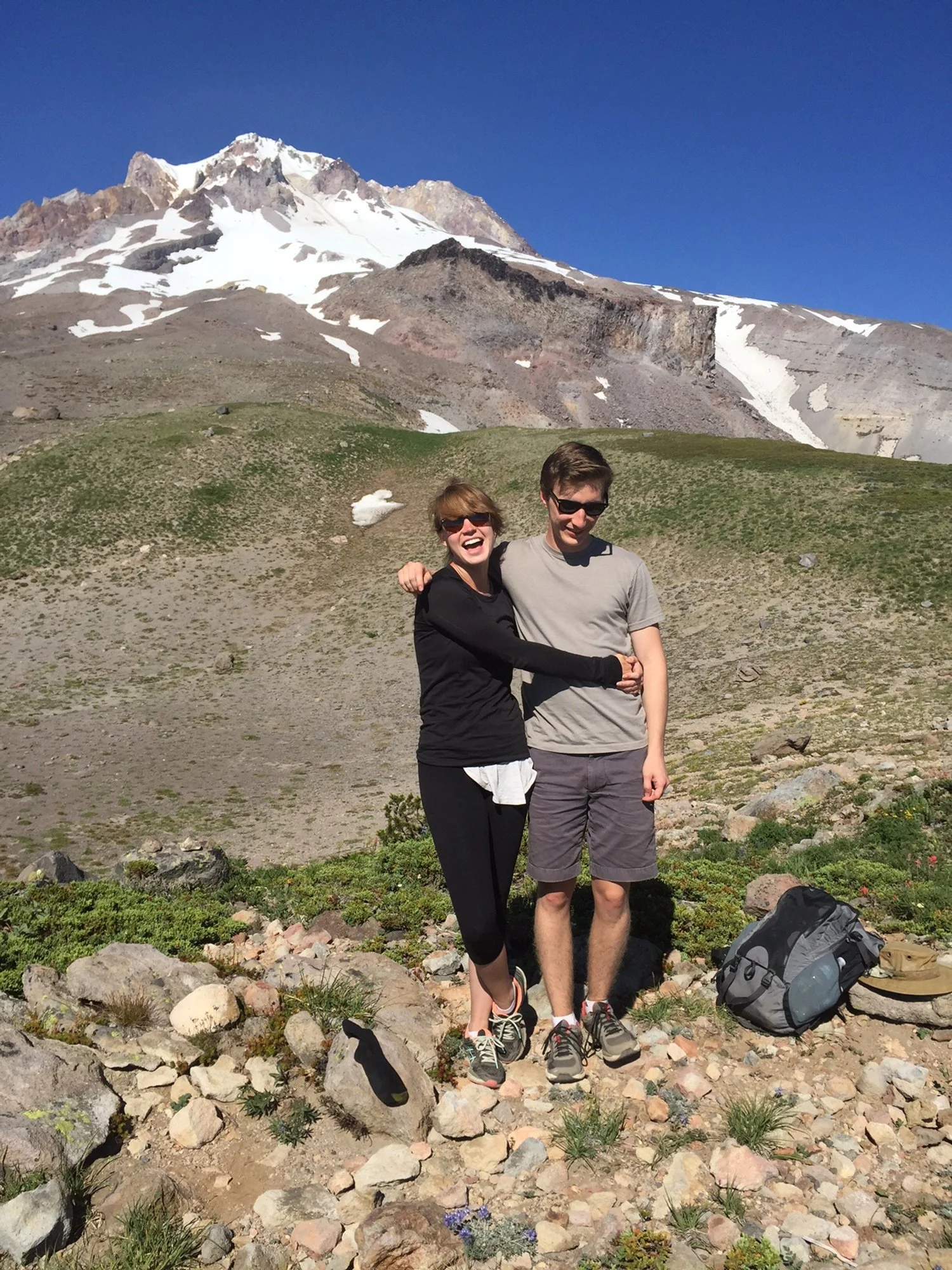
Mount Hood, Oregon
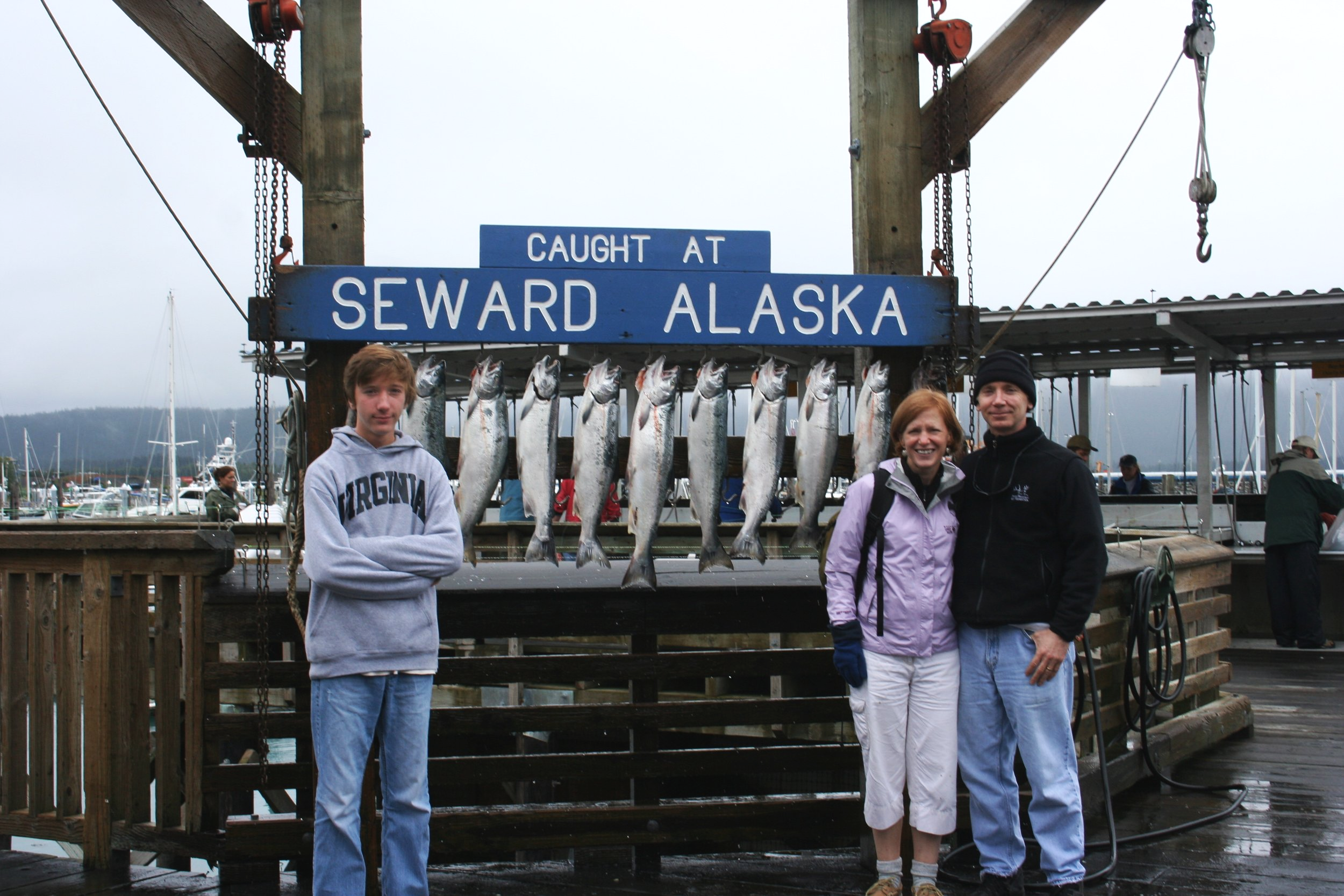
A good morning haul
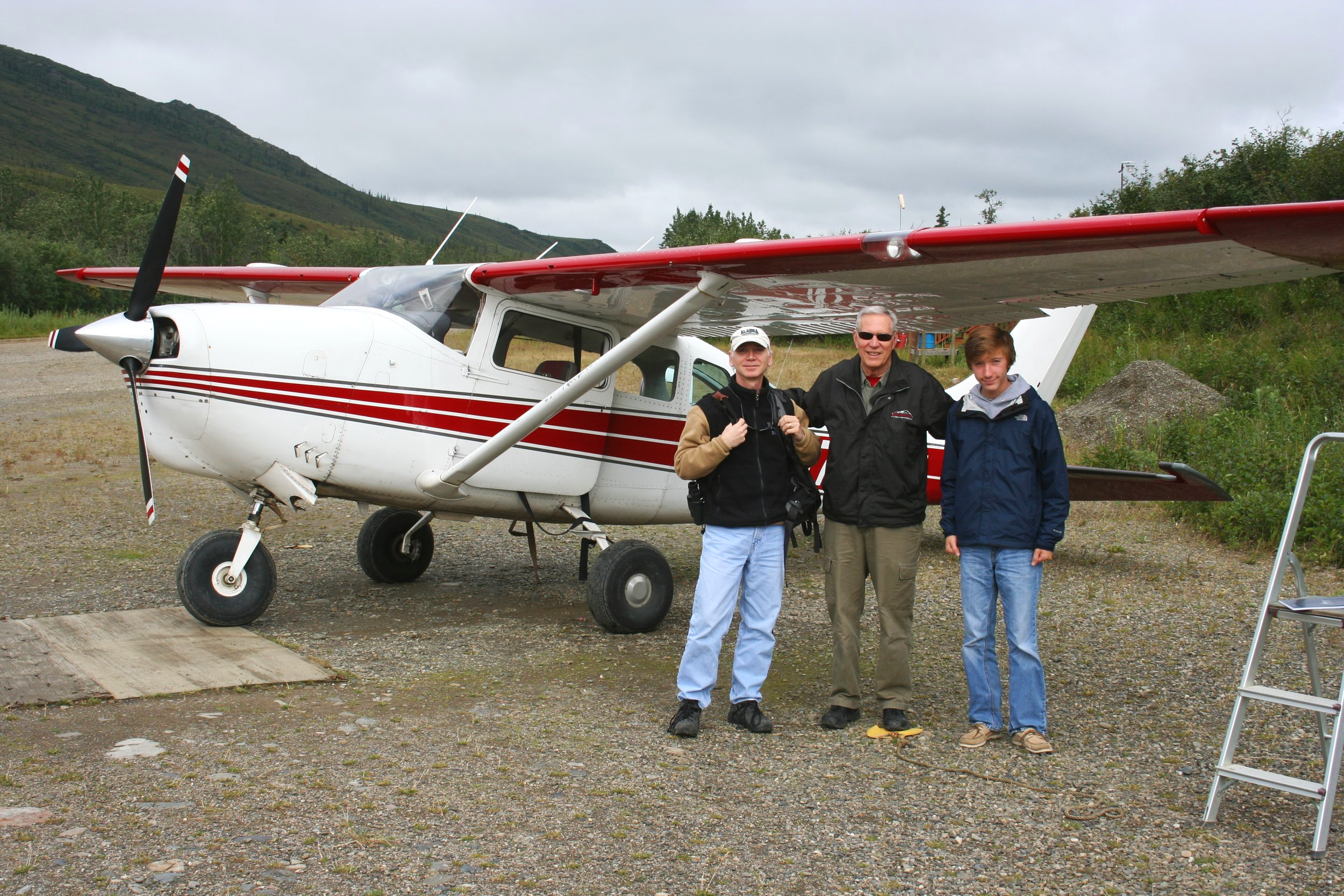
Small plane around Denali
not for the faint of heart
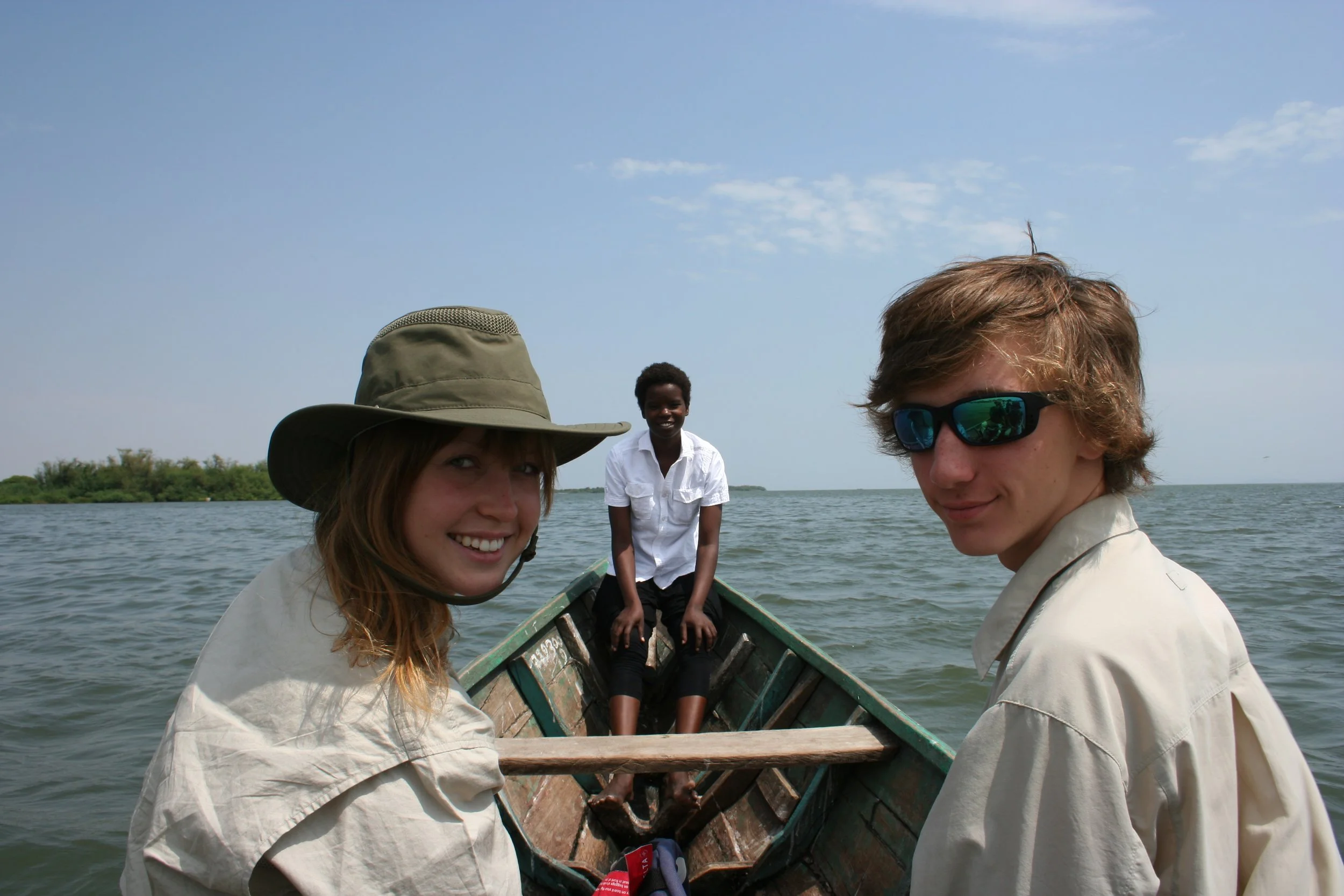
Lake Victoria, Africa

39th anniversary at Xaranna Camp, Okavango Delta
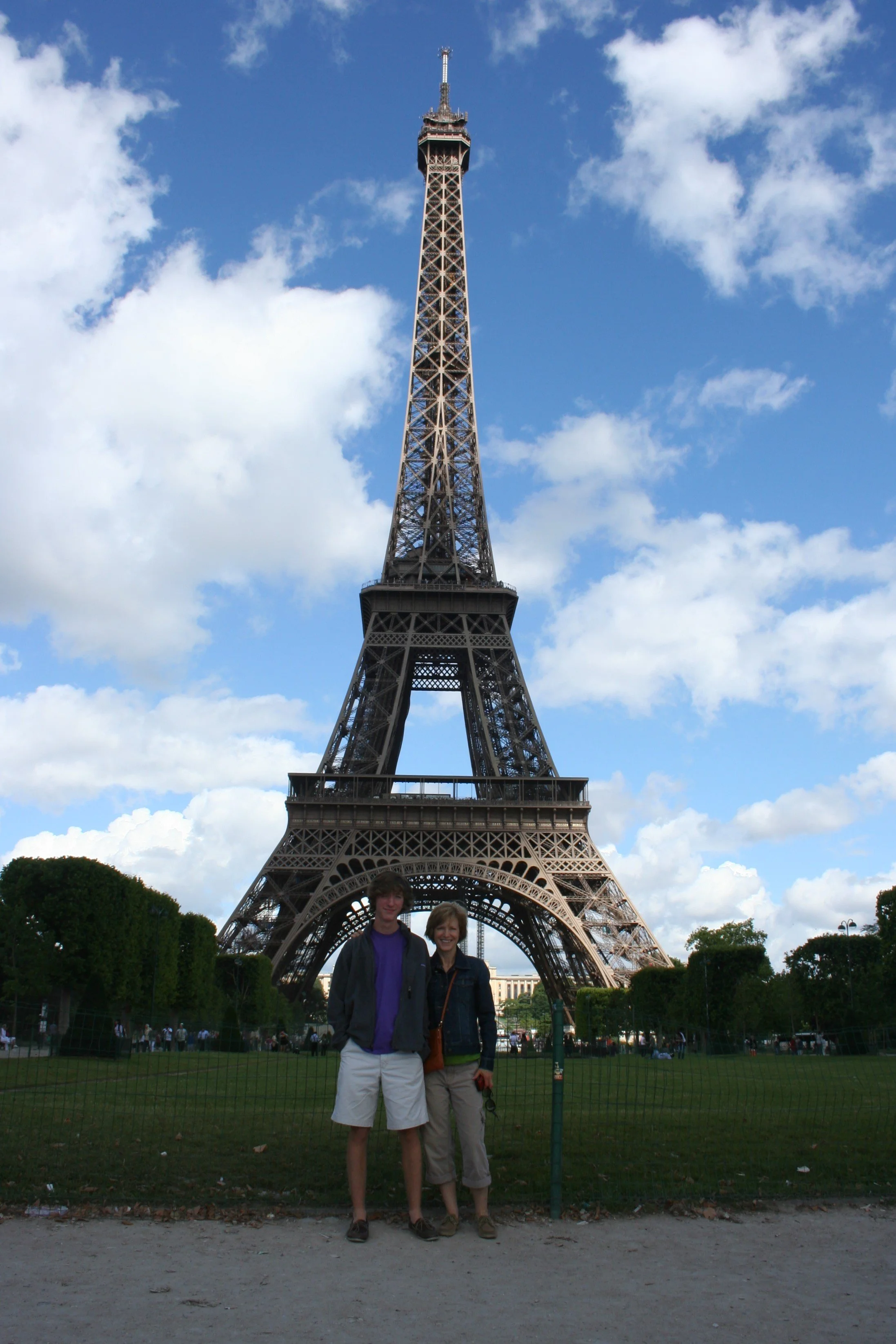
Paris
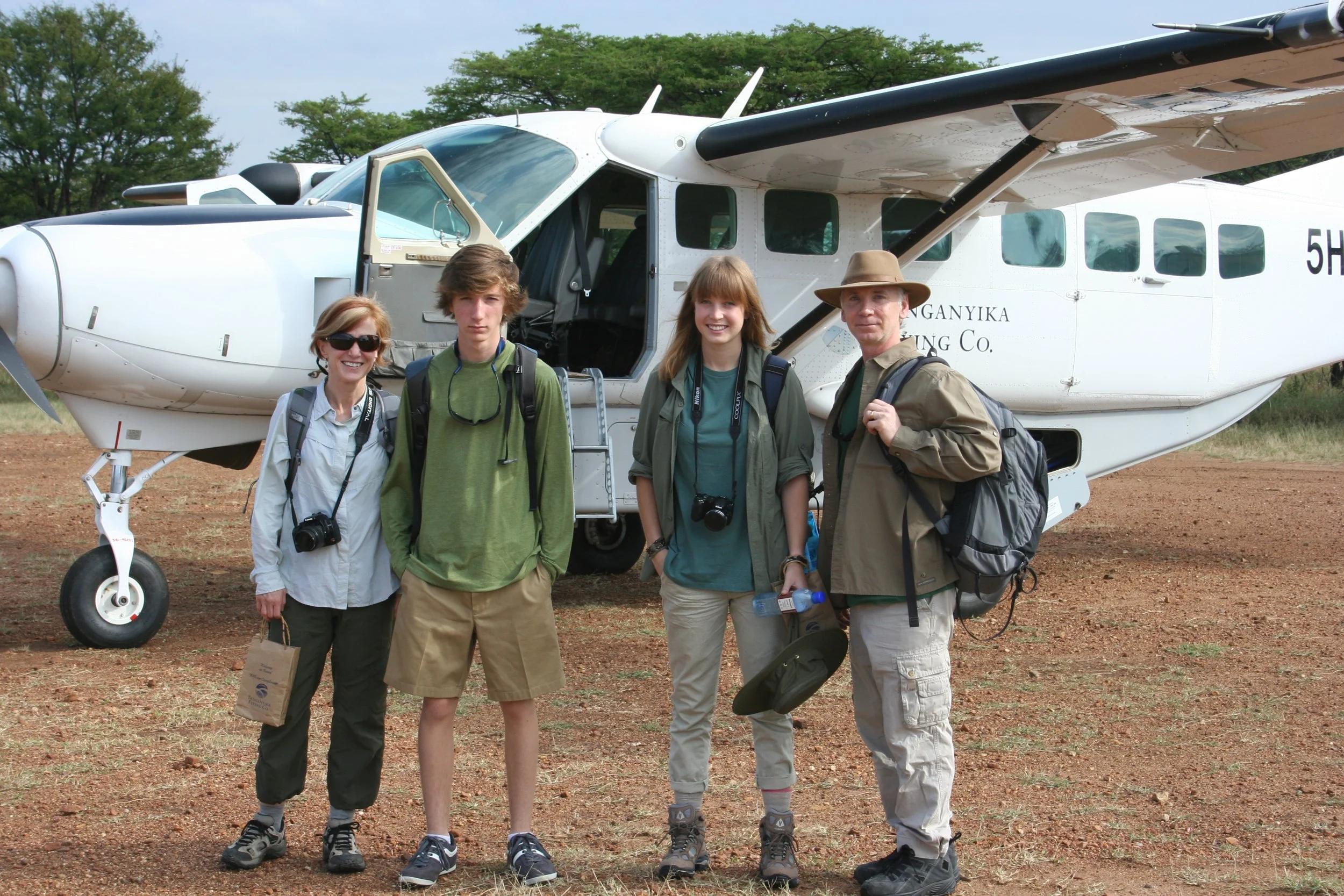
Serengeti National Park, Tanzania
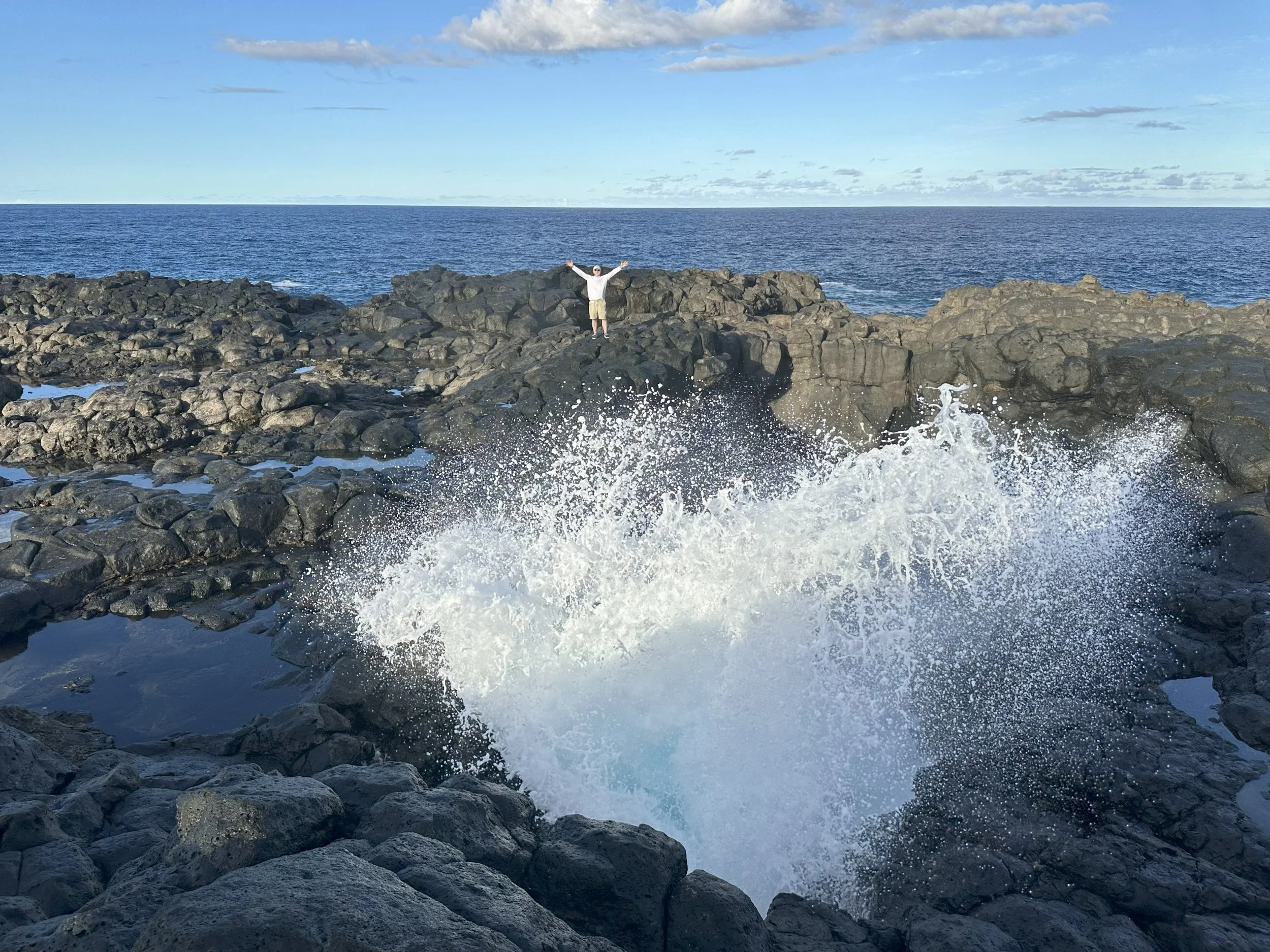
Molokaʻi, Hawaii
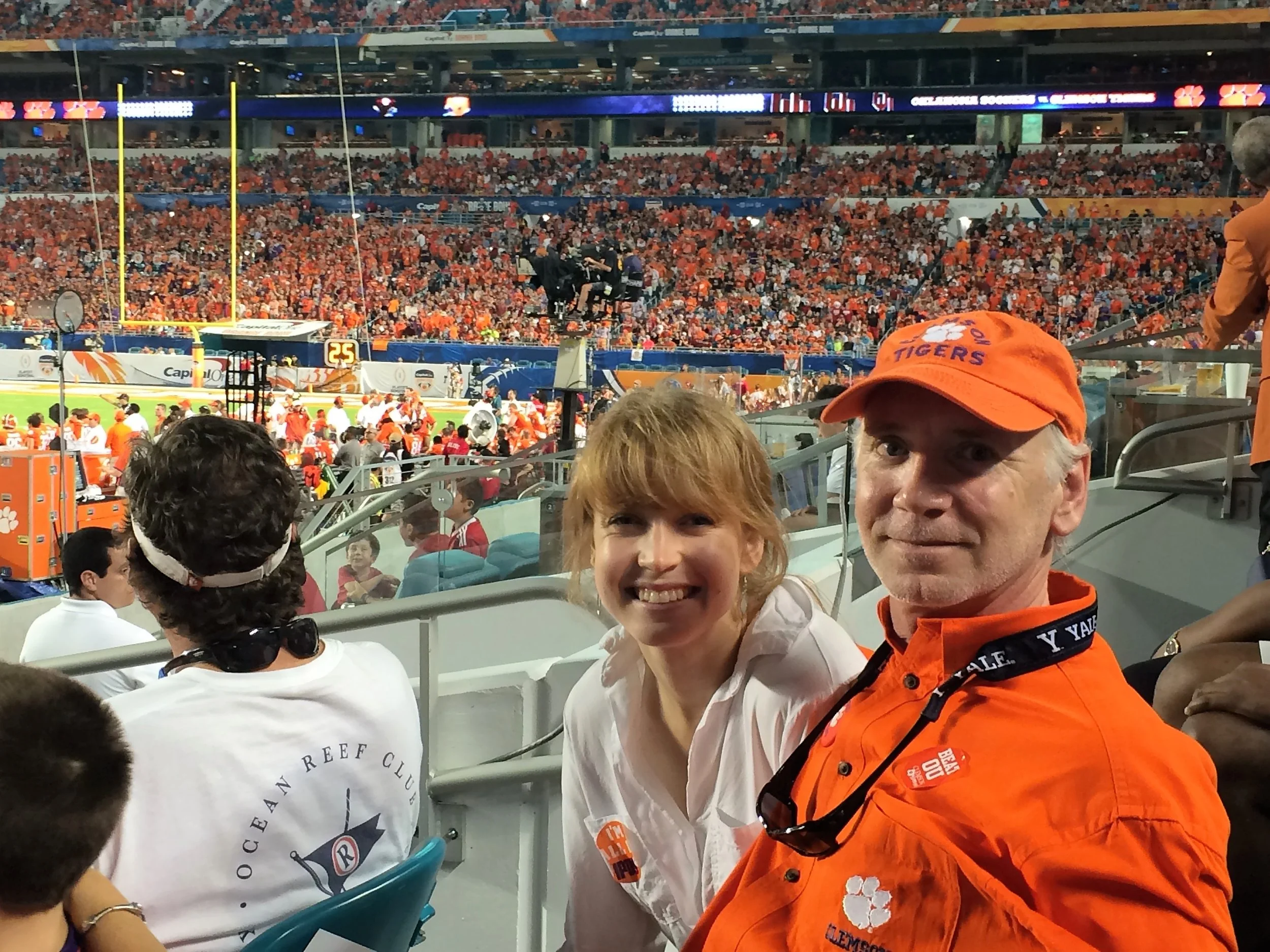
Orange Bowl, college football playoffs
Clemson, college football national champions 1981, 2016, 2018
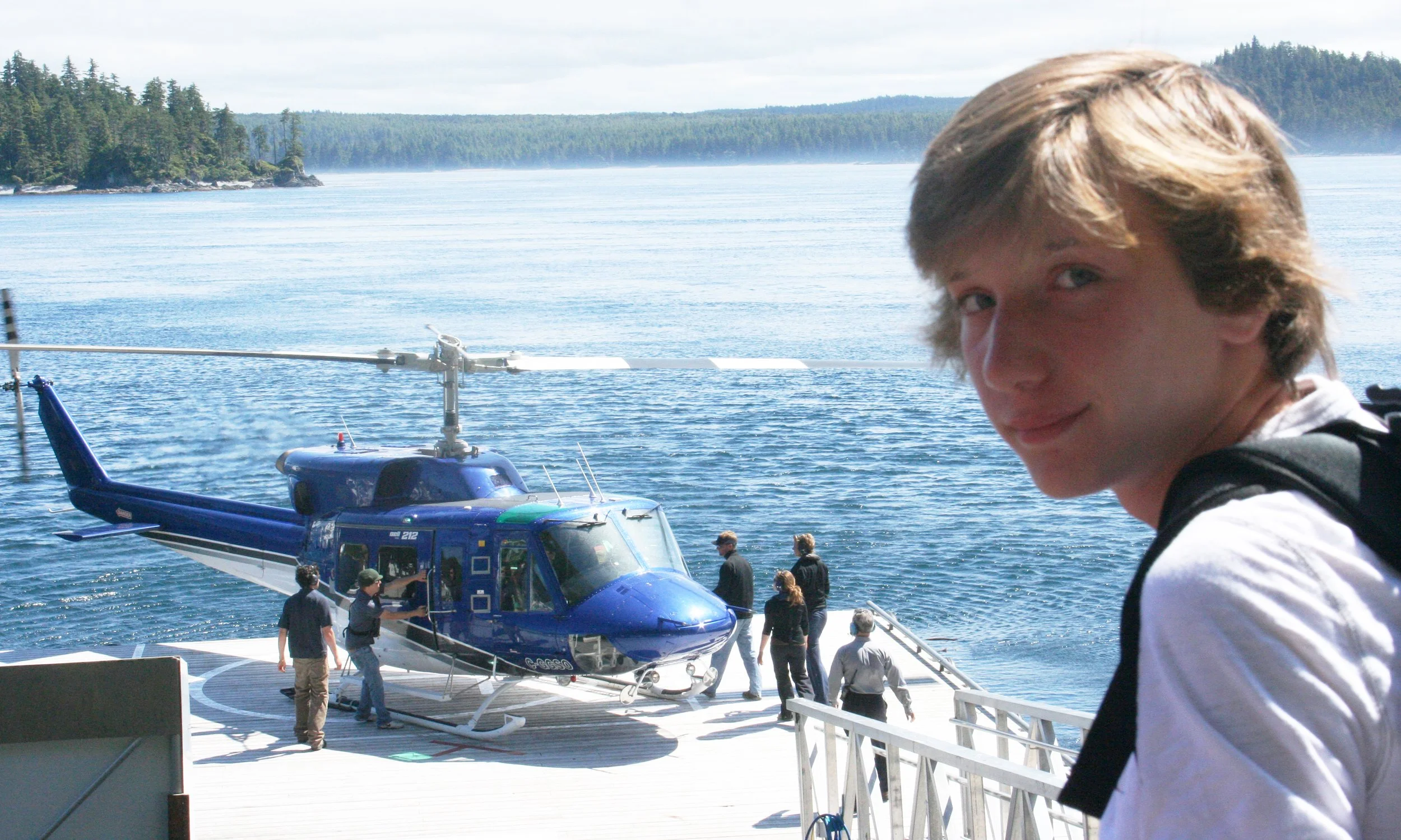
Haida Gwaii, British Columbia

Fishing in the Cayman Islands (well, some of us were fishing)

One of Josh Allen's last collegiate games - University of Wyoming, Laramie, Wyoming
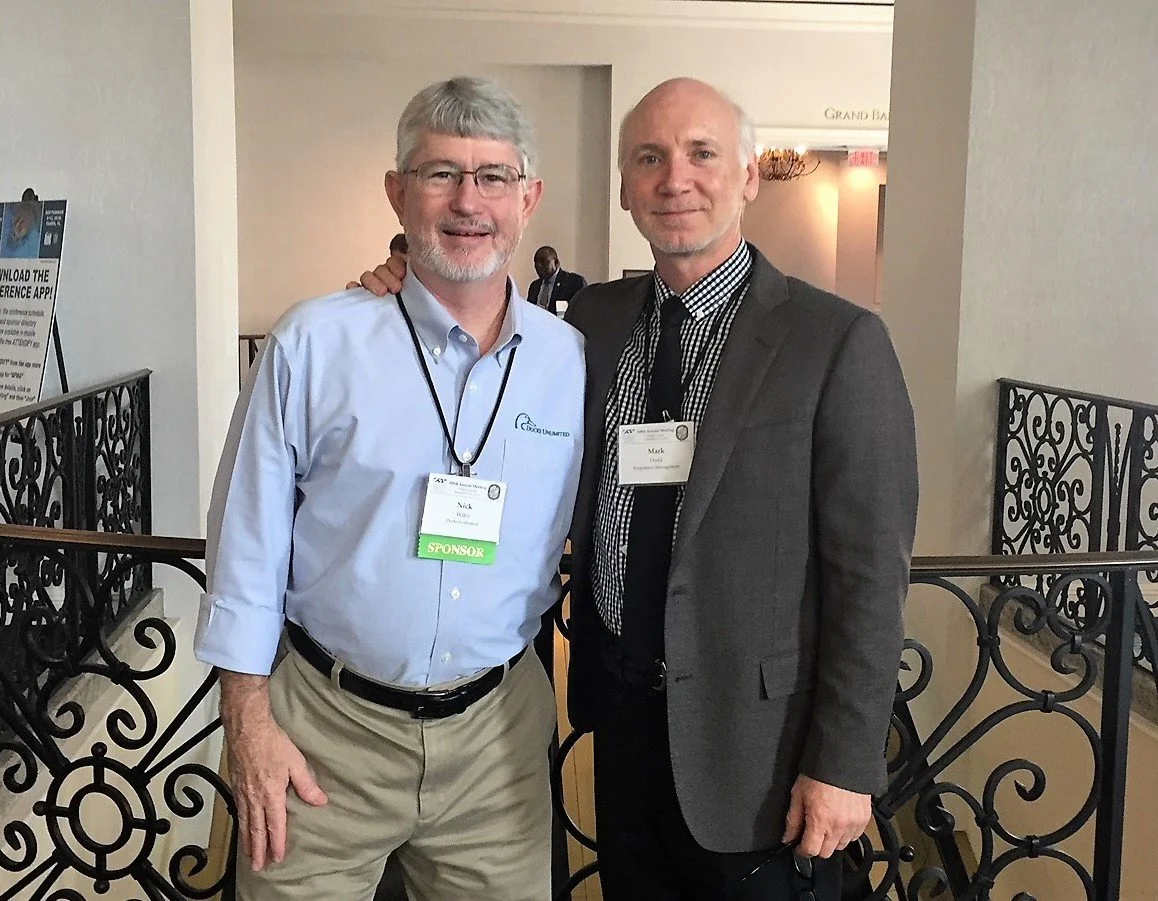
MDD and Nick Wiley started out in the same office in the 1980s with the Florida Game and Freshwater Fish Commission
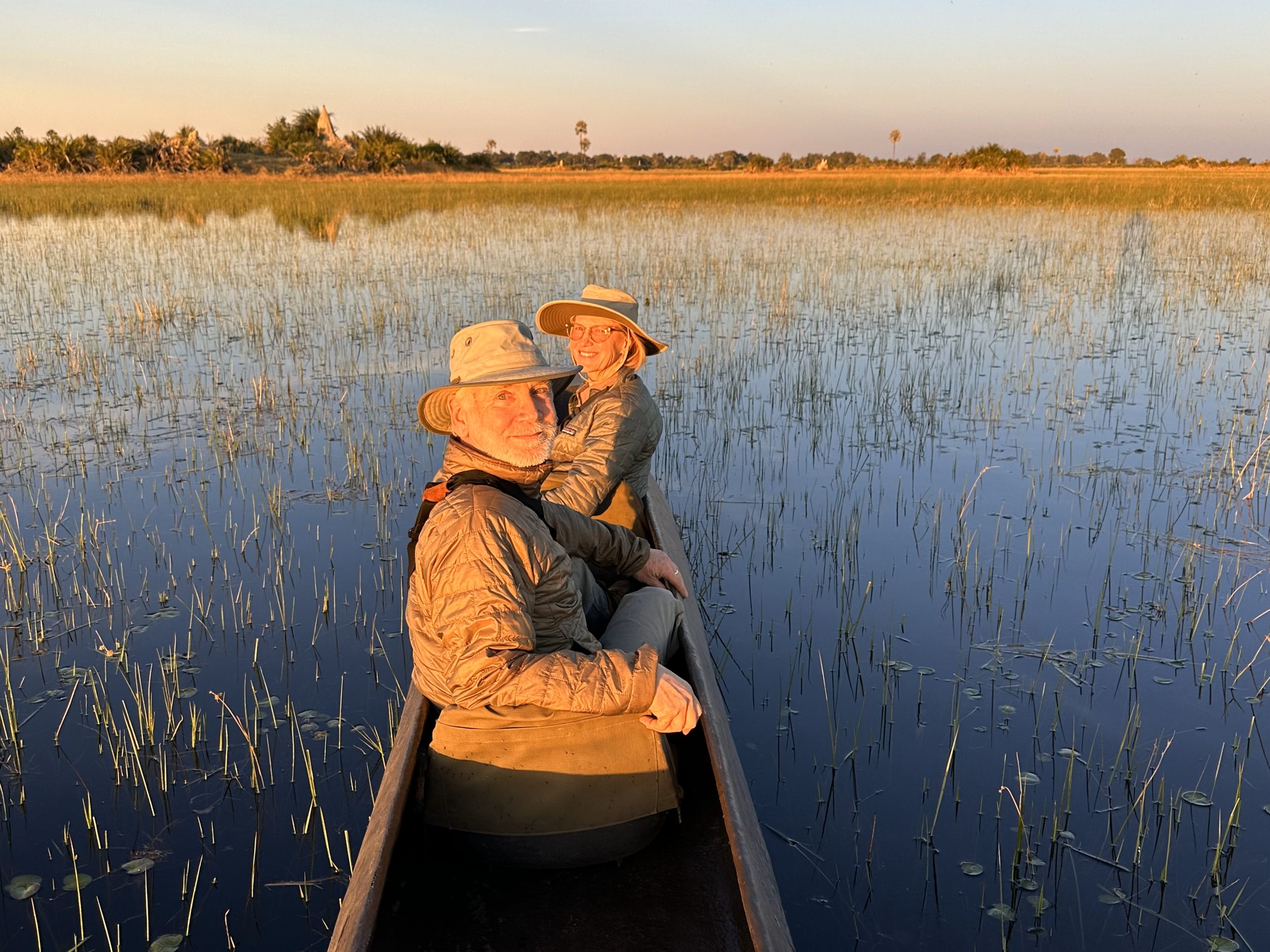
Traditional mokoro (dugout canoe), Botswana
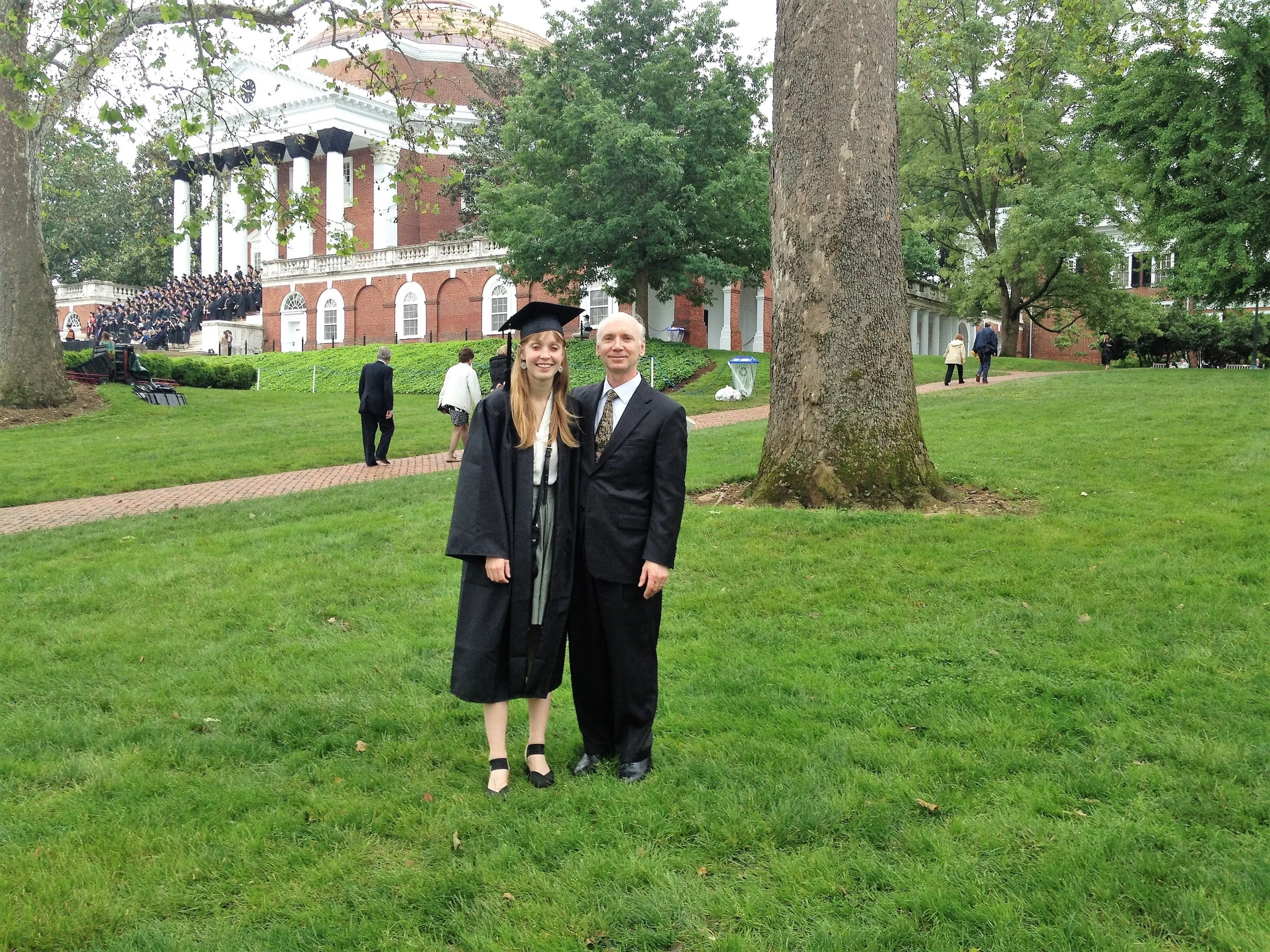
Graduation day, University of Virginia
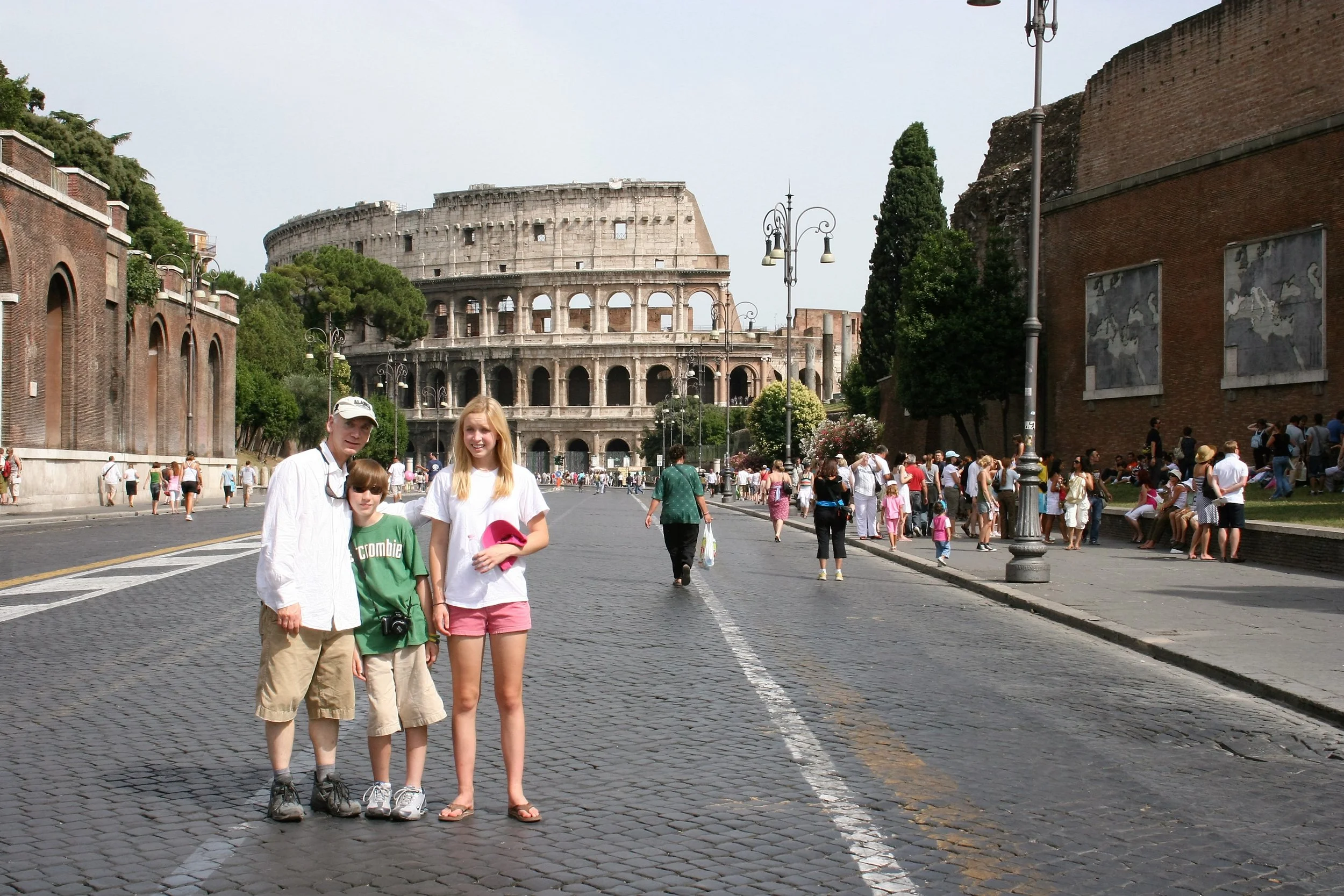
Rome
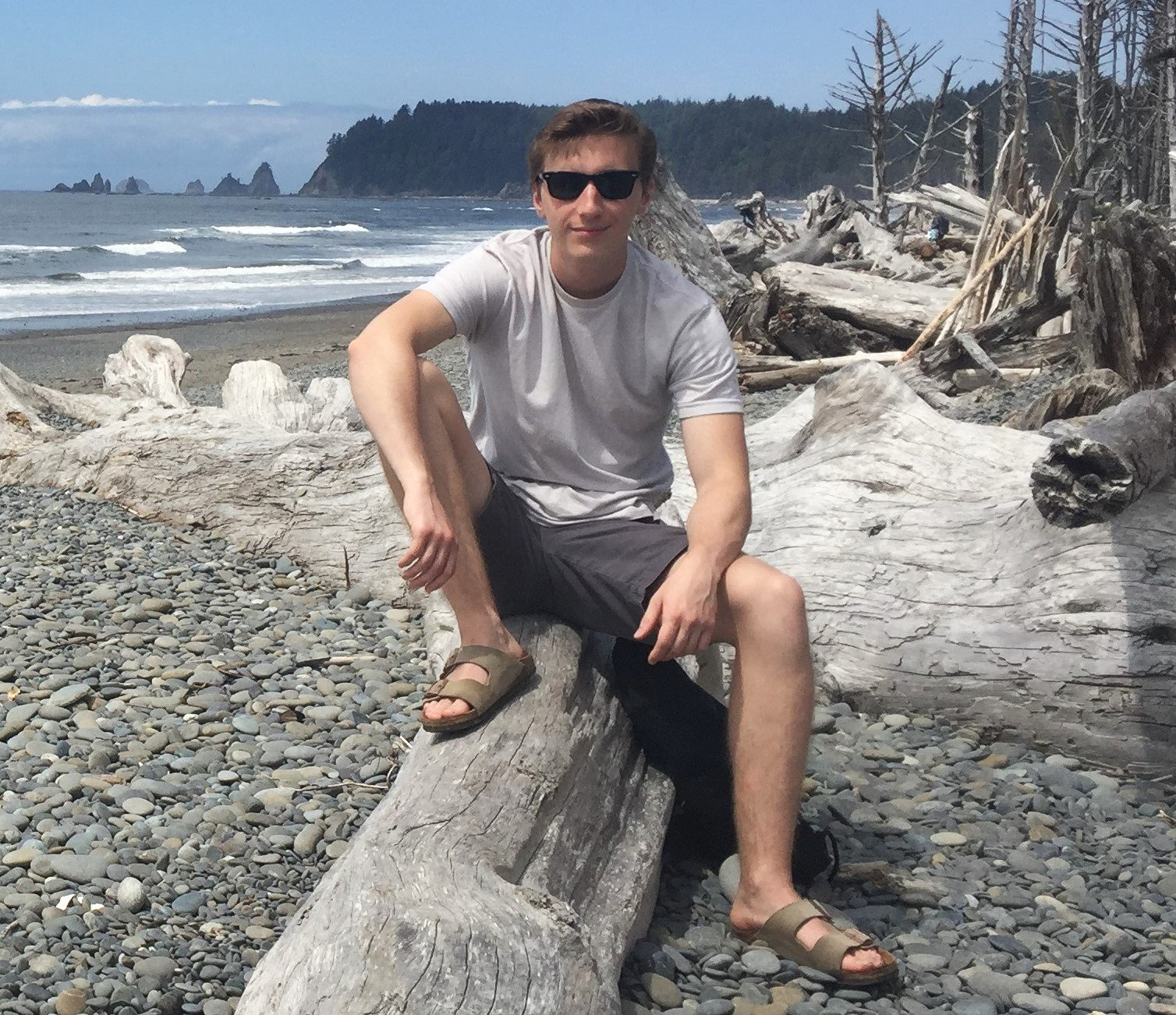
Olympic National Park, Washington
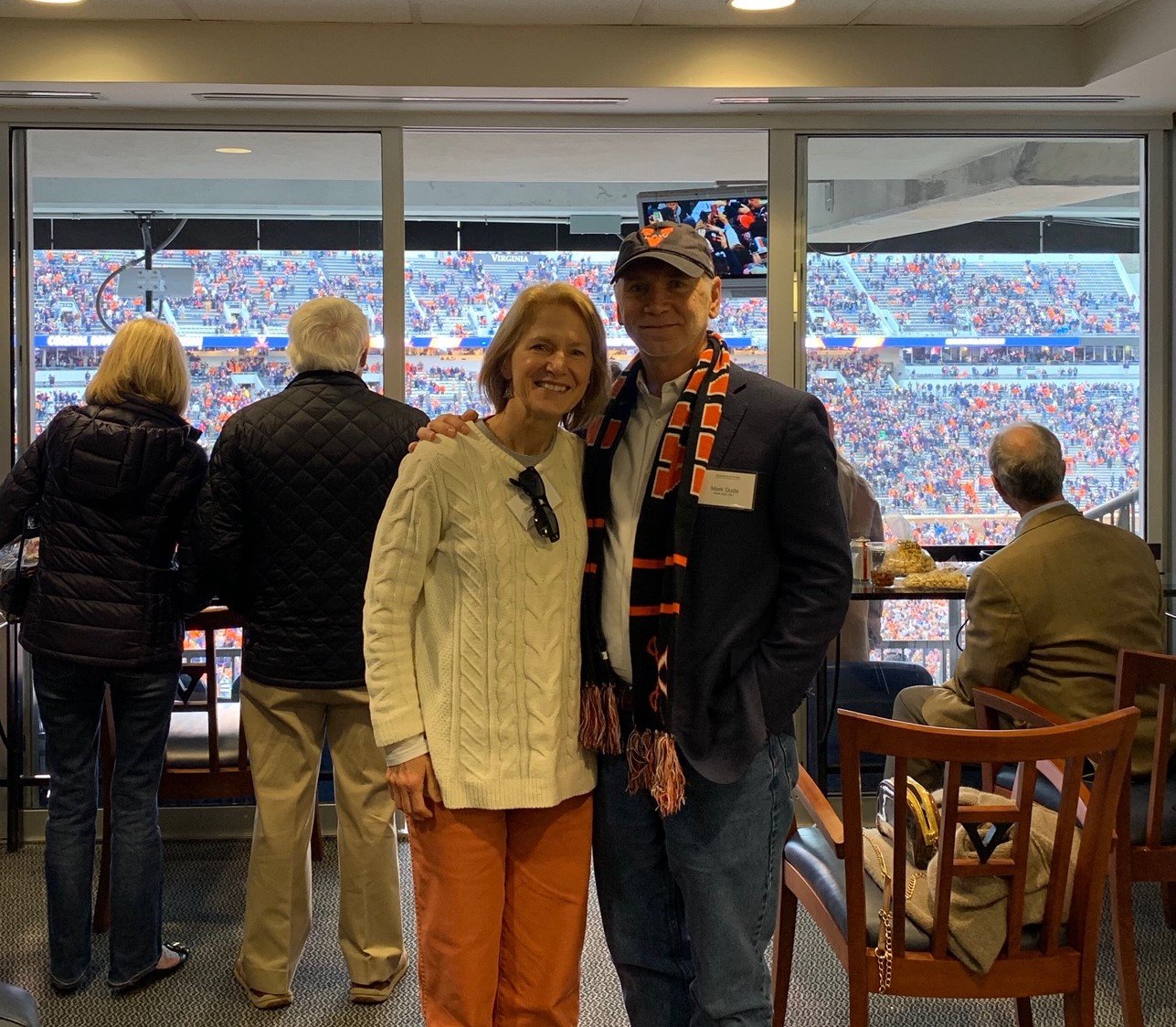
President's Suite, University of Virginia
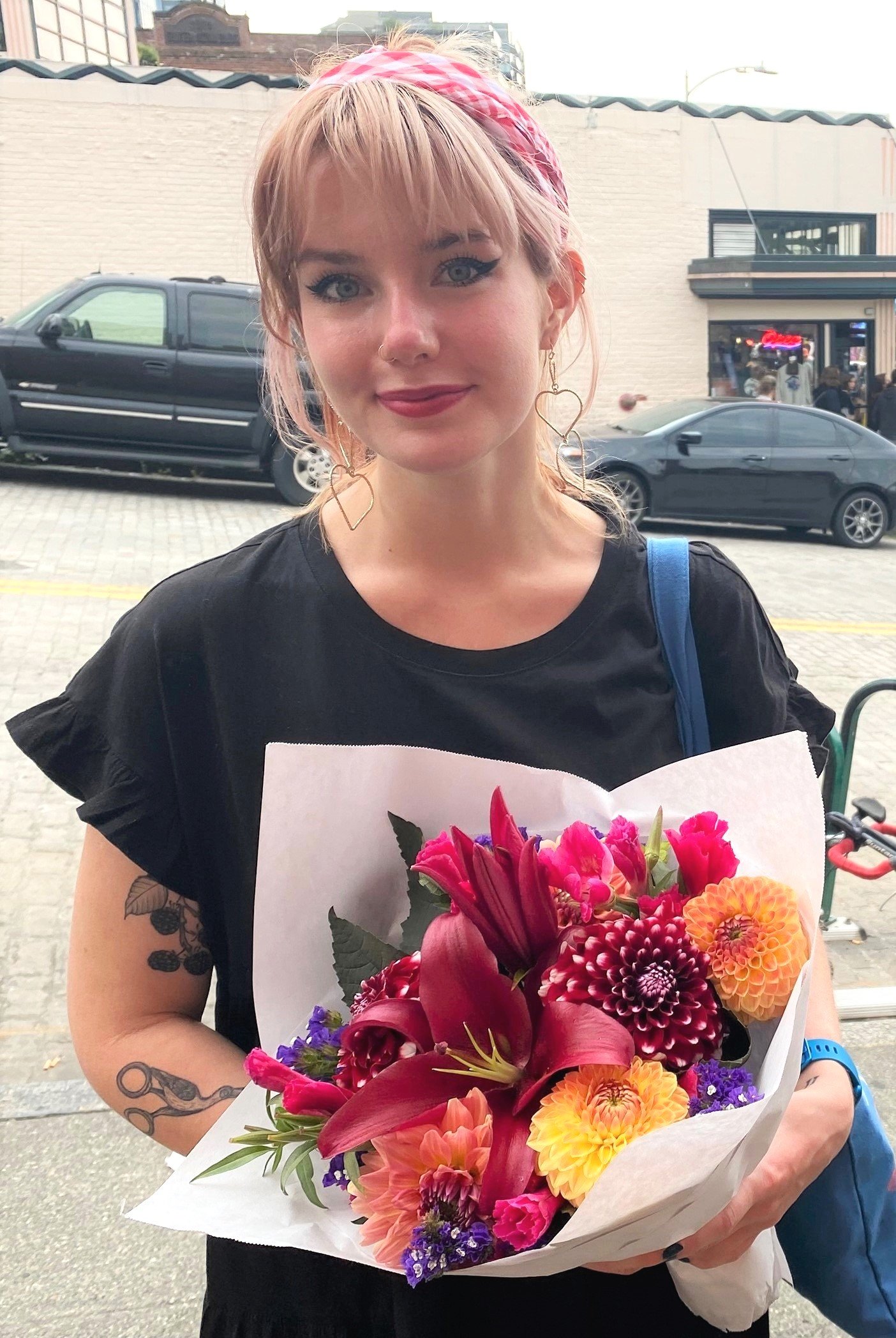
Daughter-in-law, Katie
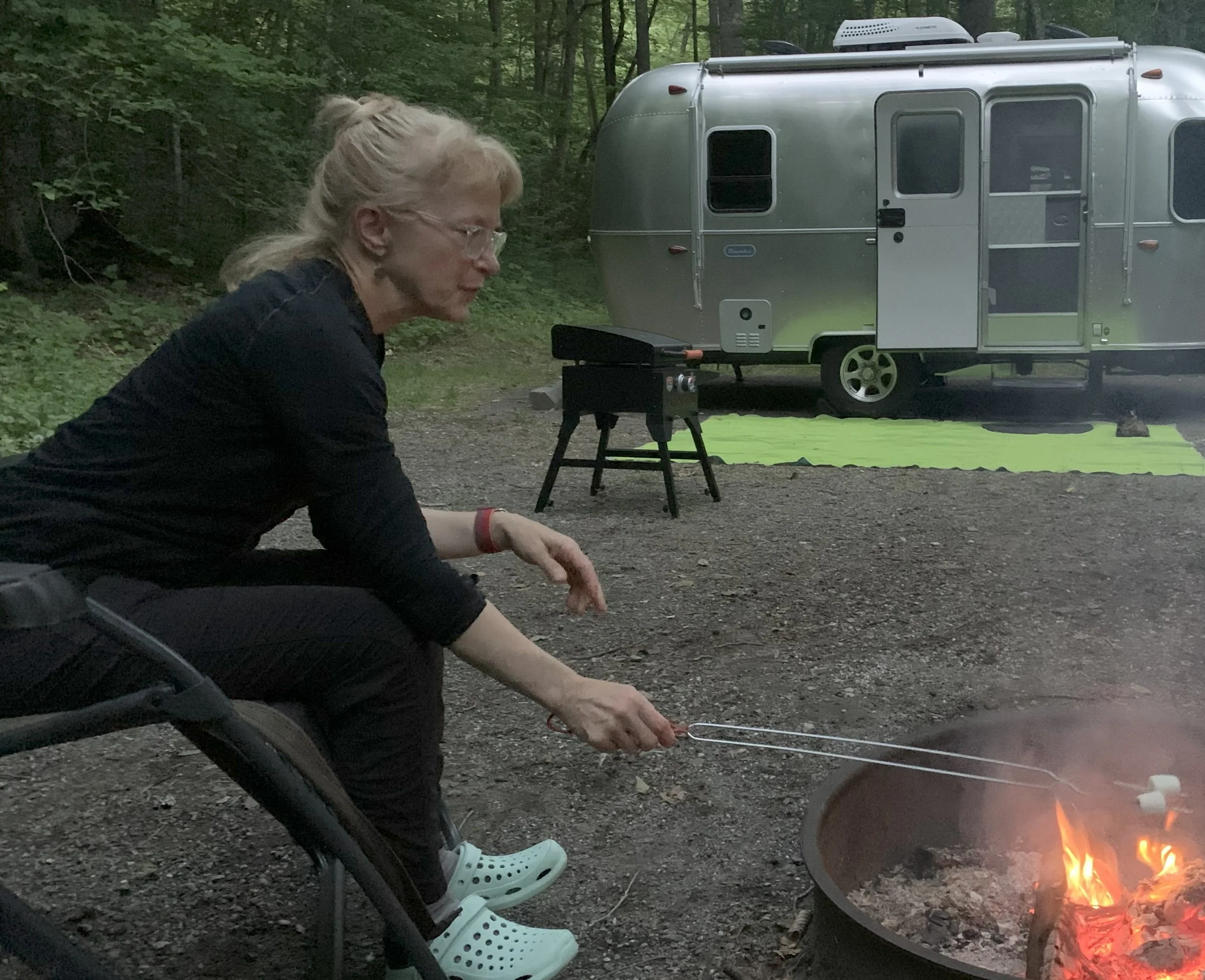
Smokemont Campground, Great Smoky Mountains National Park
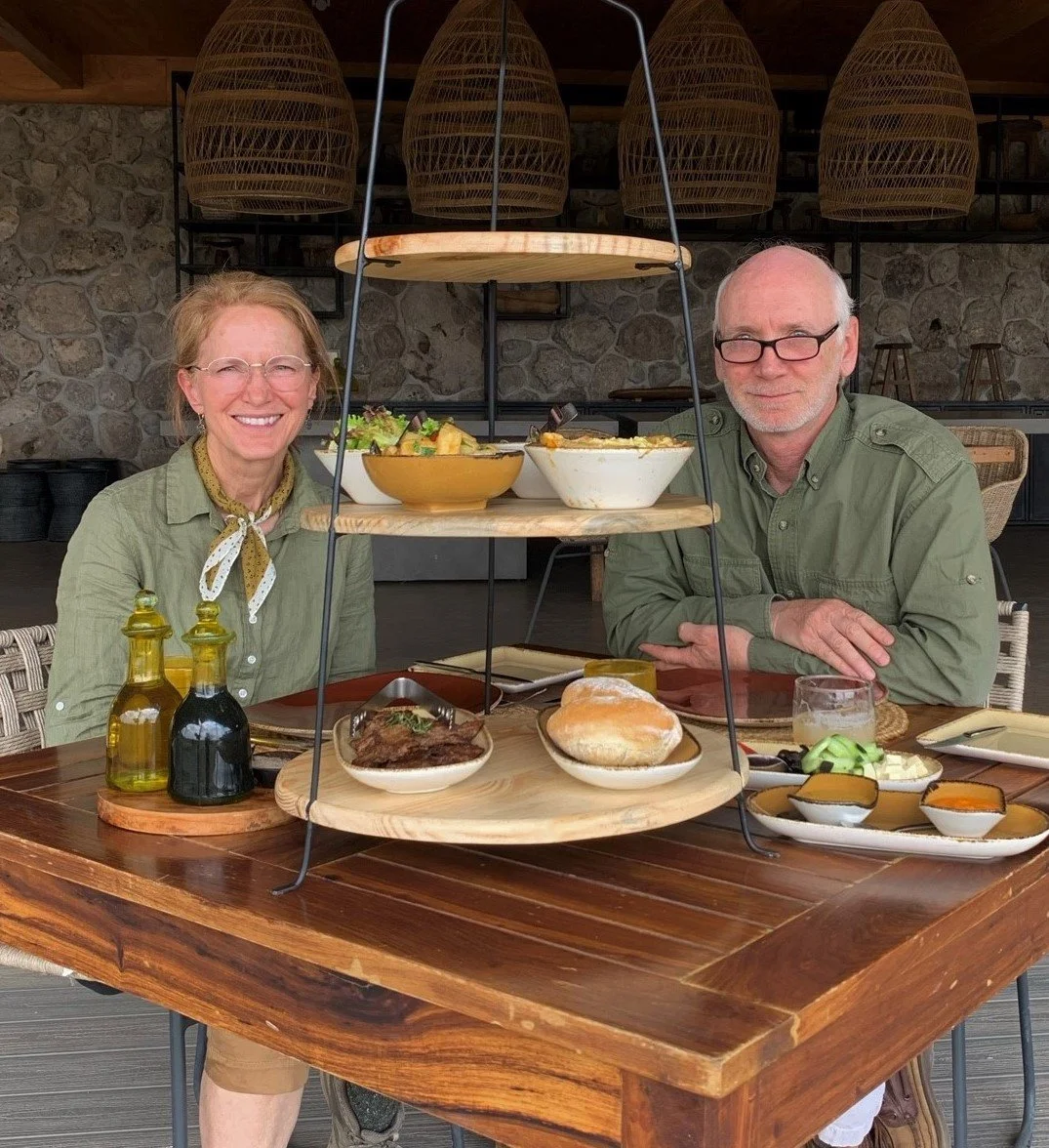
Namiri Plains, Eastern Serengeti
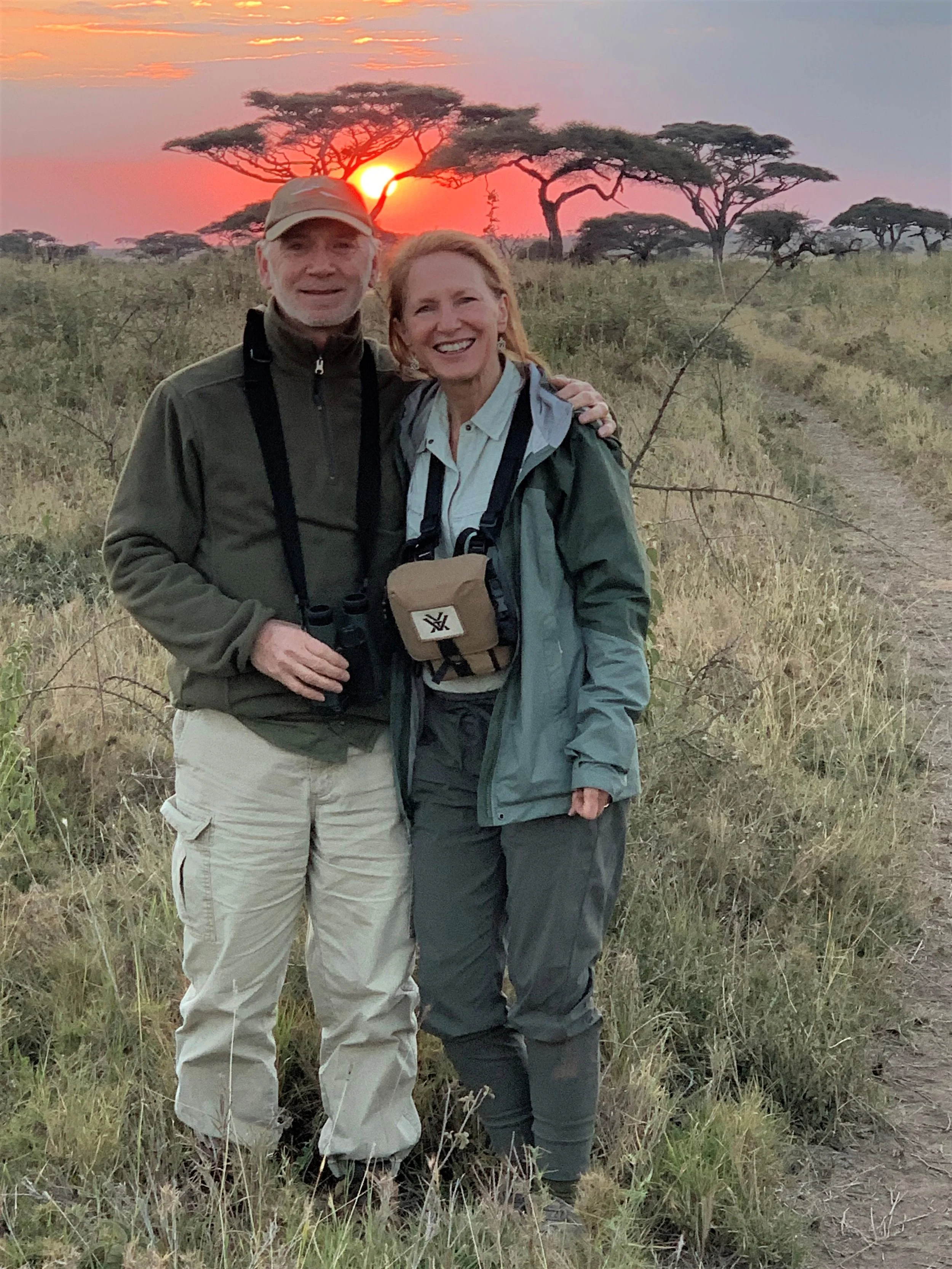
Serengeti National Park

Law School graduation, University of Virginia

Katie, Daughter-in-law
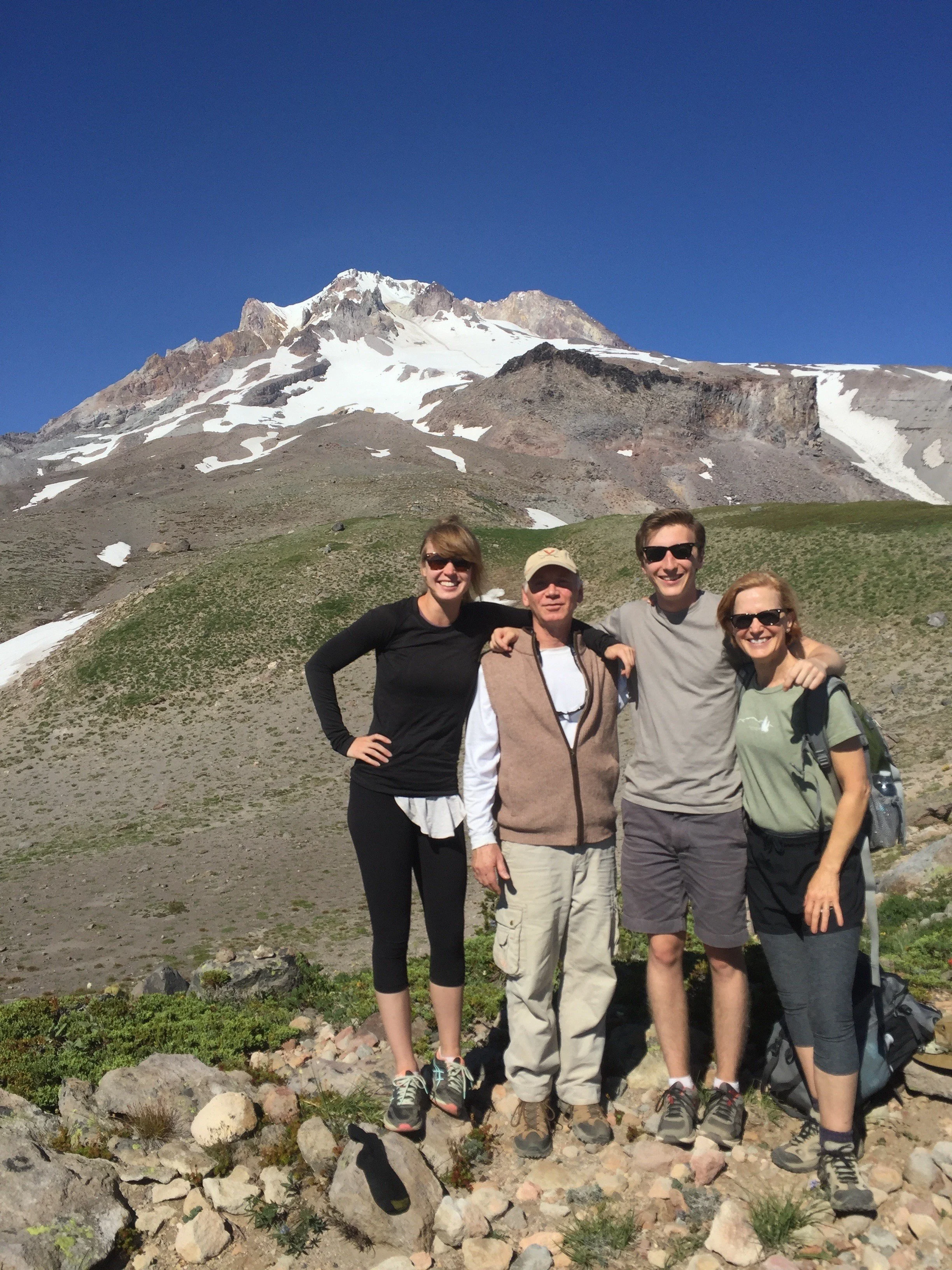
Mount Hood, Oregon
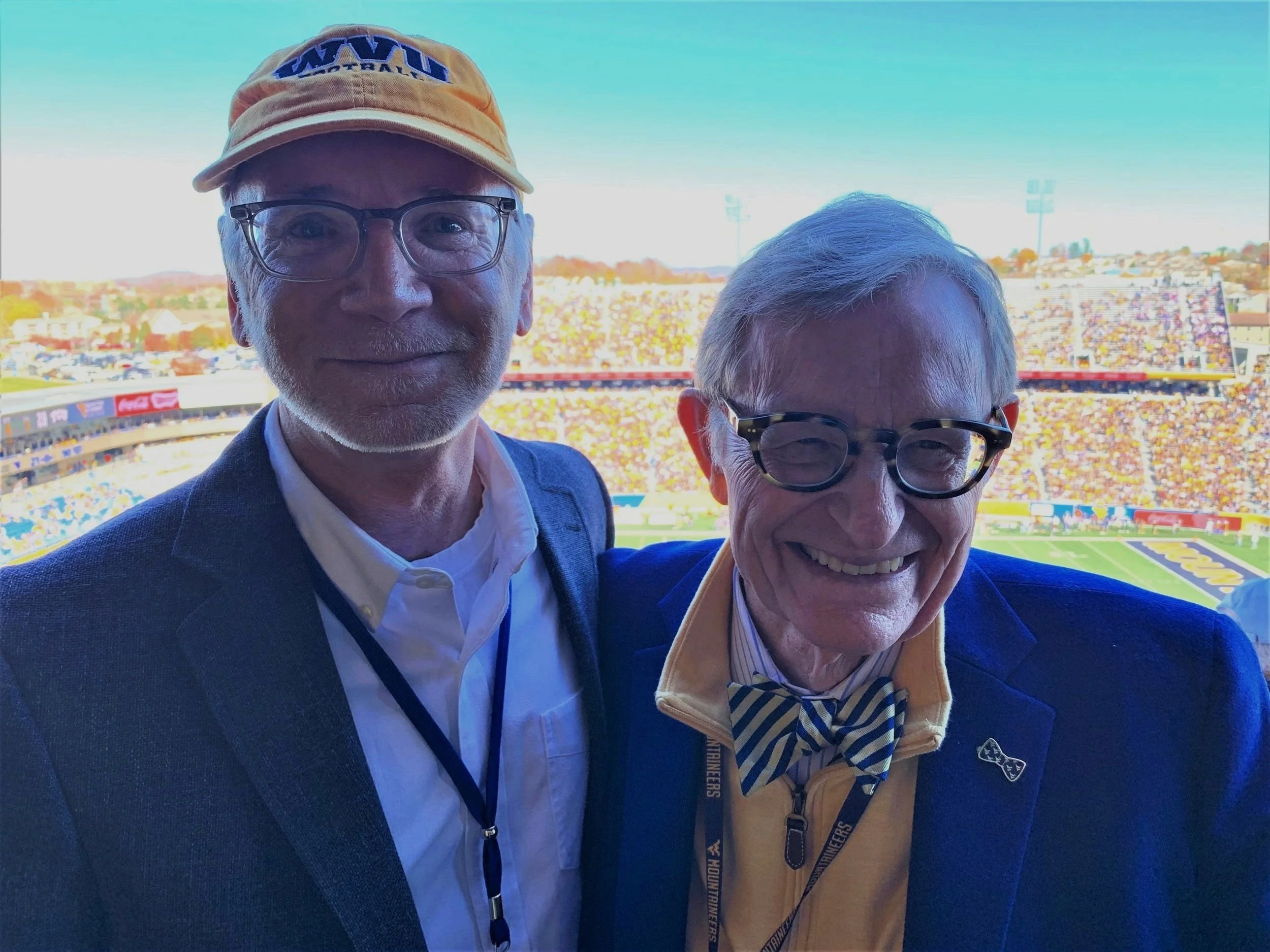
MDD and WVU President, Gordon Gee
President's Suite, Mountaineer Field, Morgantown
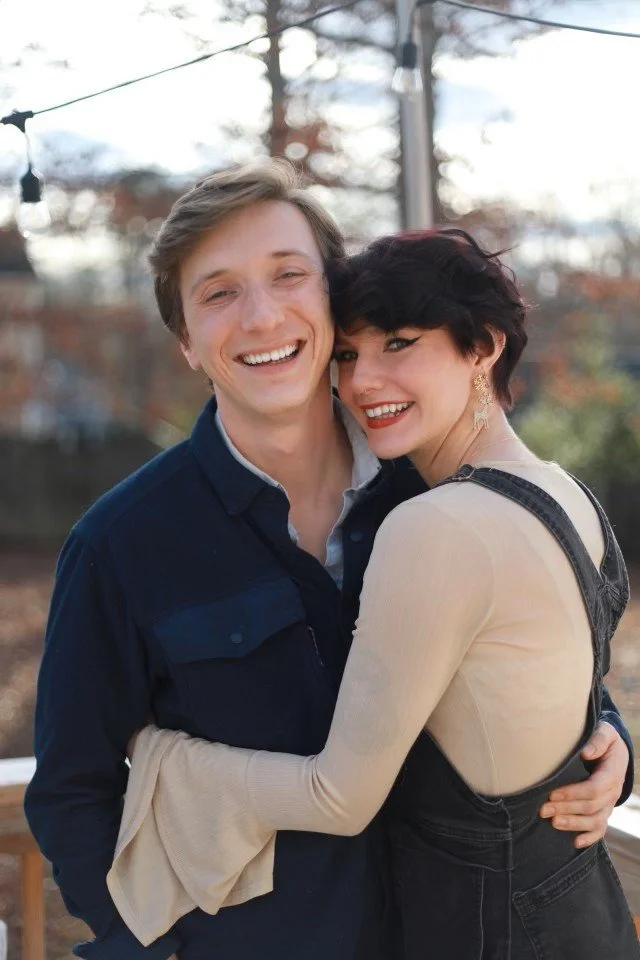
Mark and Katie

Maddie, Utila, Honduras
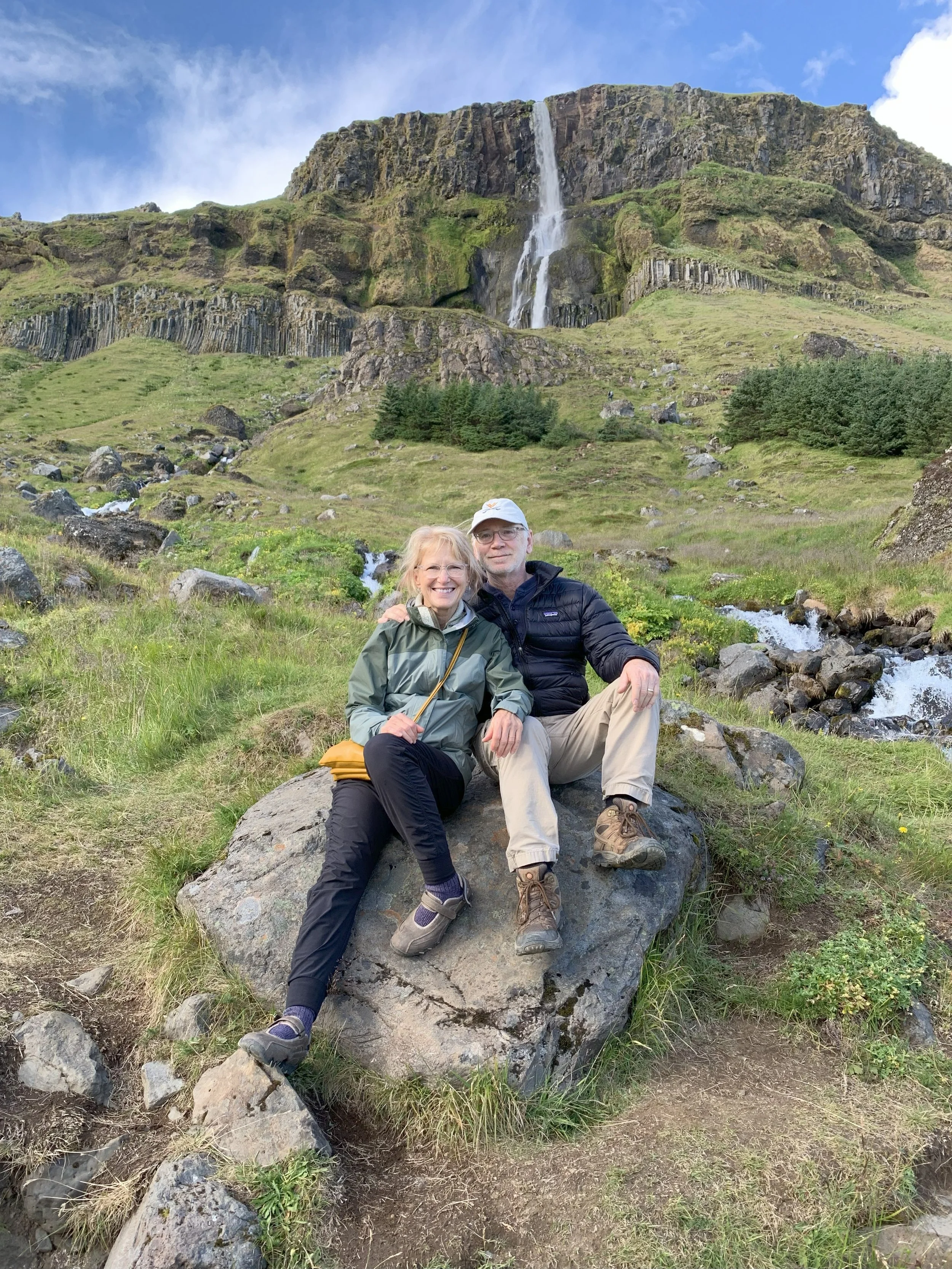
Just one of the more than 10,000 waterfalls in Iceland
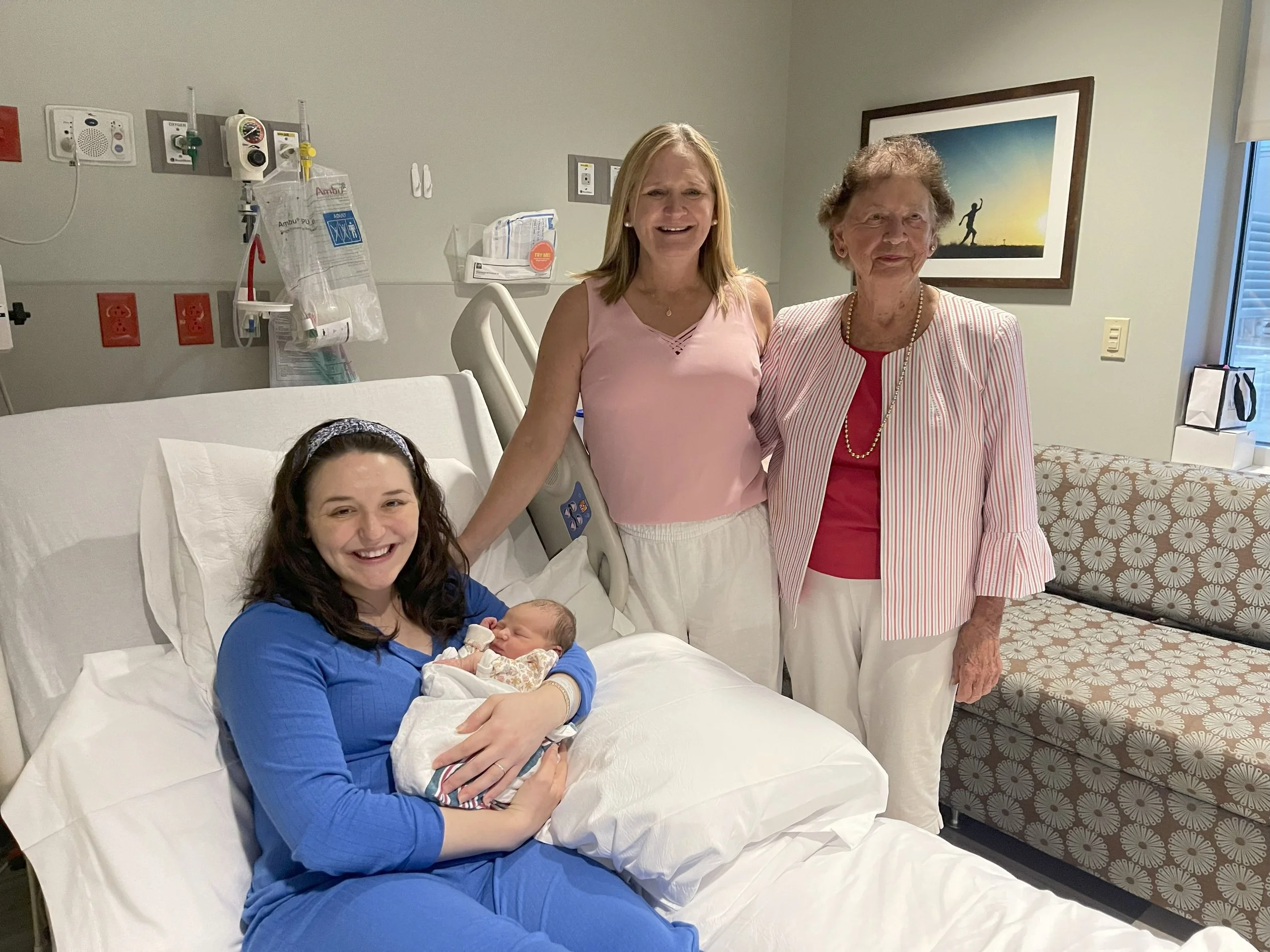
Four generations: Mom; sister, Casey;
her daughter, Kendall; and baby Lucy
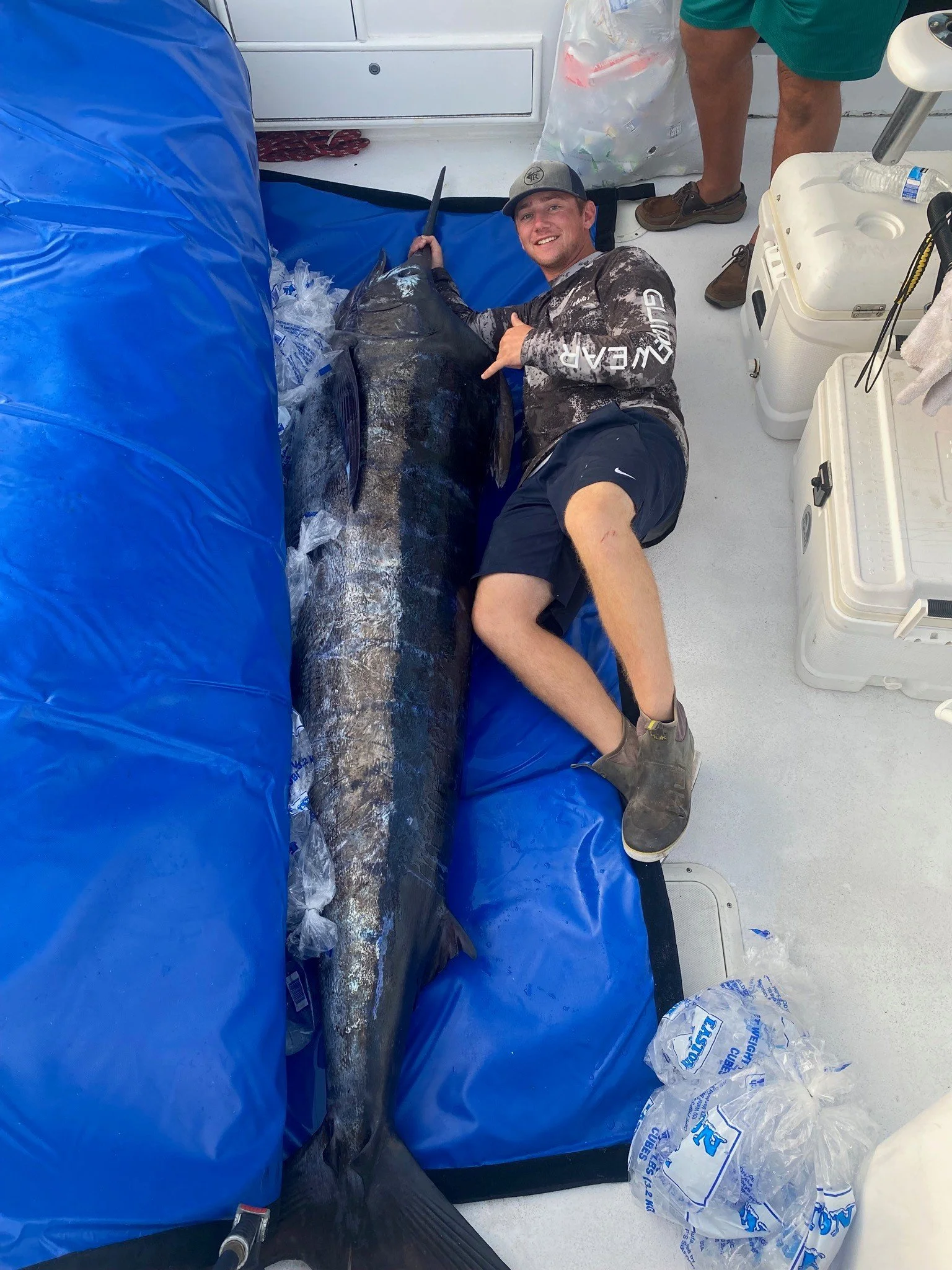
Nephew Nick and blue marlin
Ocean City, Maryland
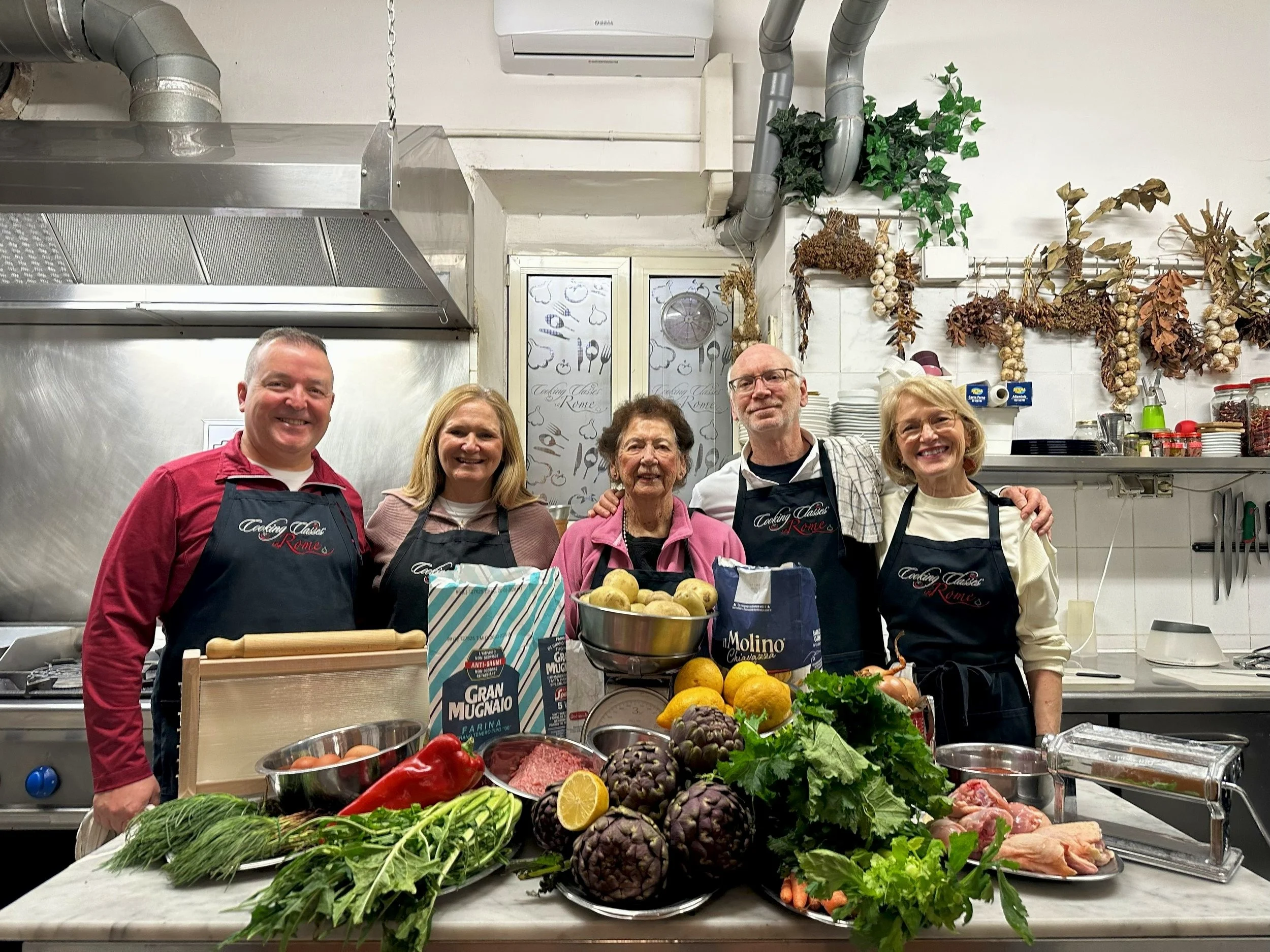
Cooking class, Rome

Spearfishing, nephew Nick at Winter Quarter
off Assateague Island
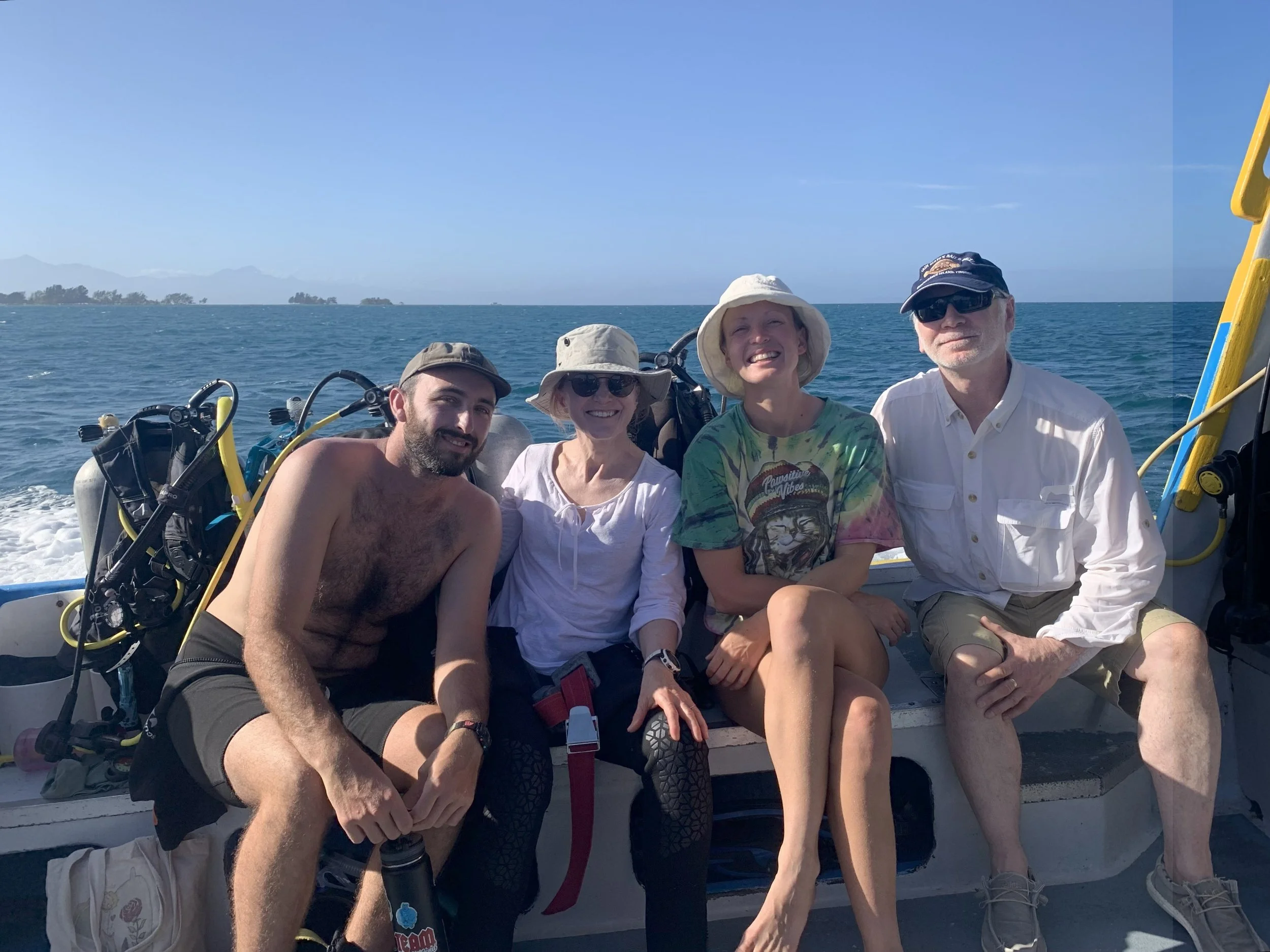
Diving in Utila, Honduras
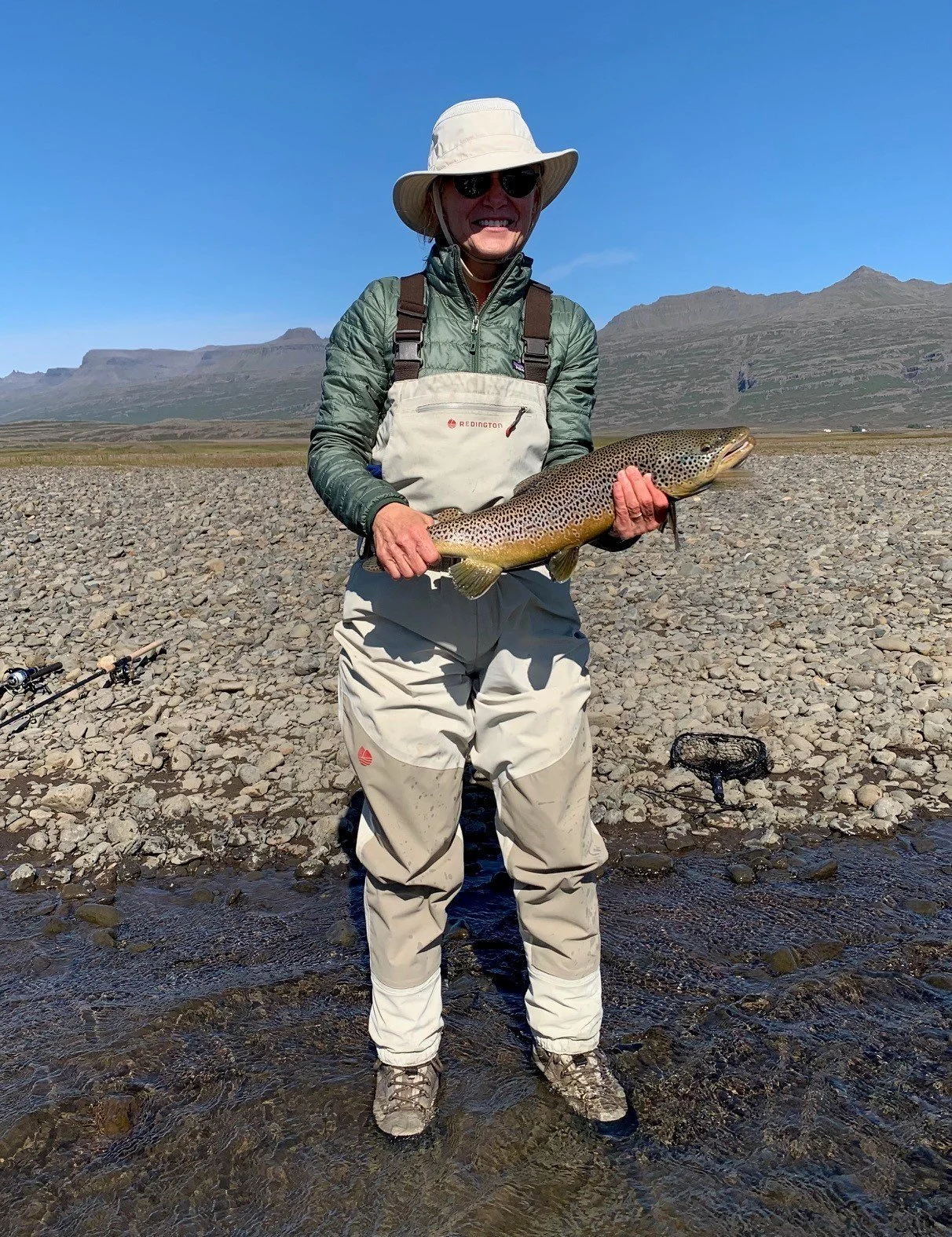
Brown trout
Breiðdalsvík, Iceland
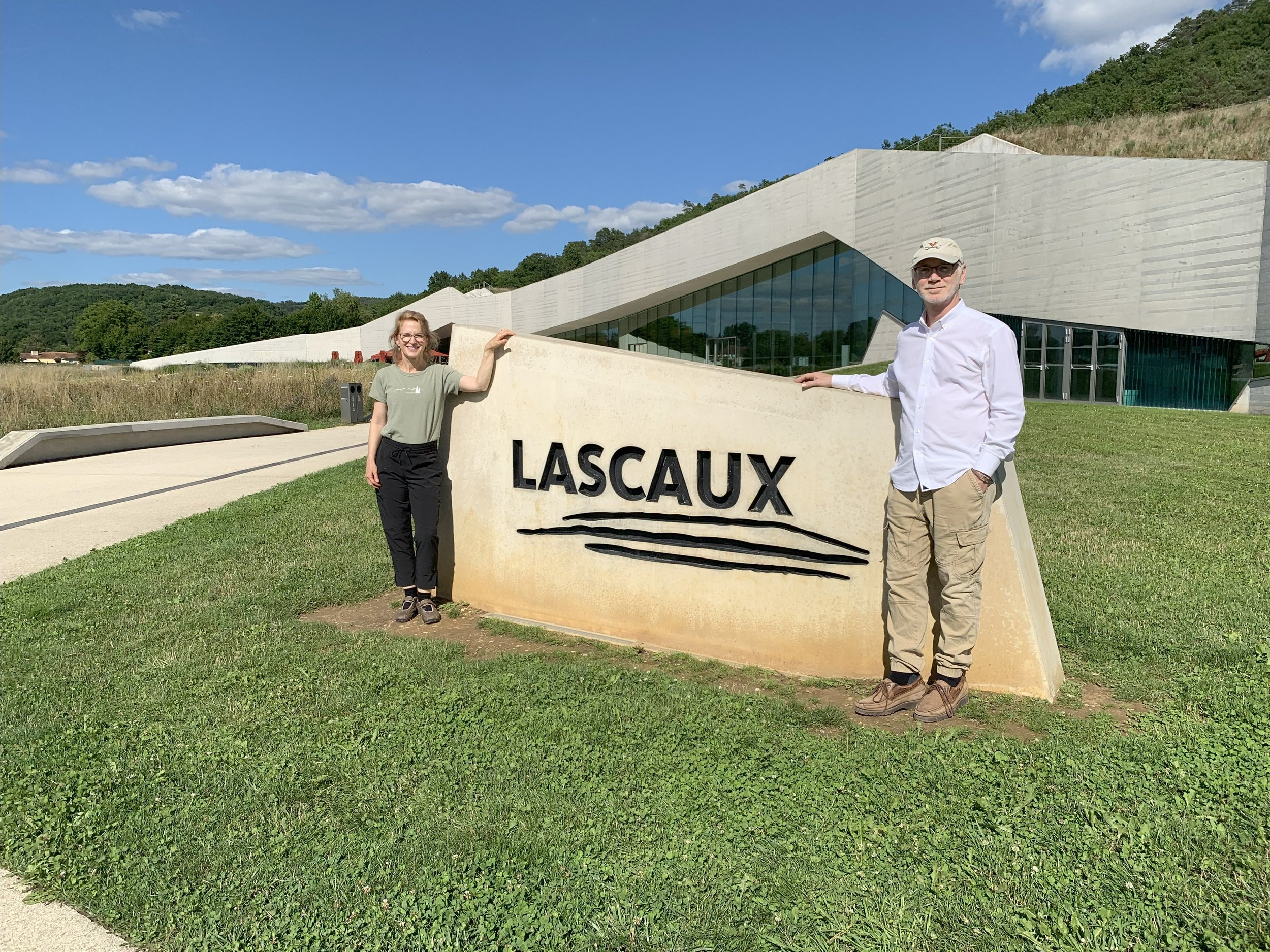
Centre International de l’Art Pariétal,
Montignac, France
Maddie

Nieces, Kate and Ali
Currituck Sound, North Carolina
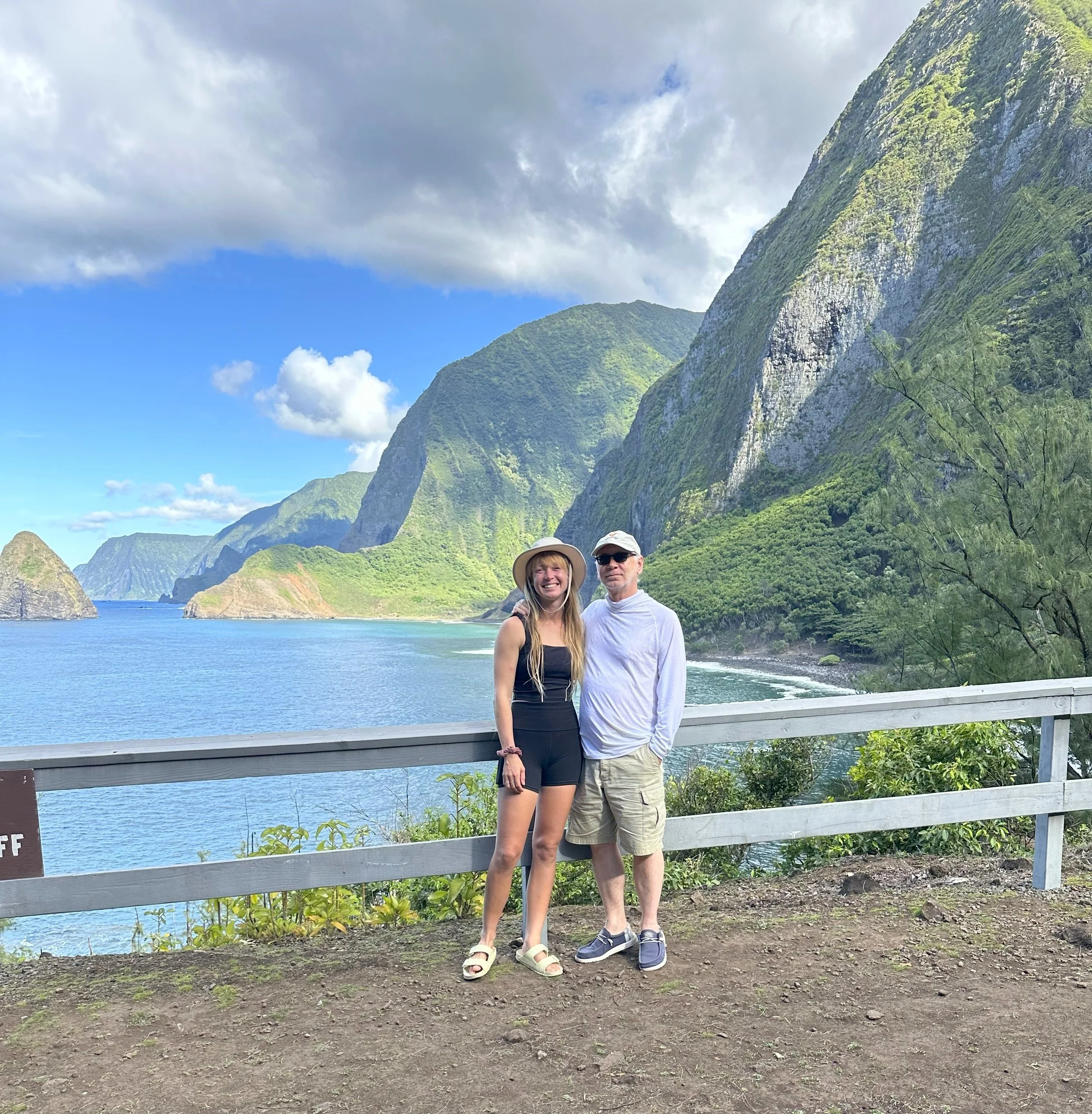
Highest sea cliffs in the world
Kalaupapa, Moloka'i
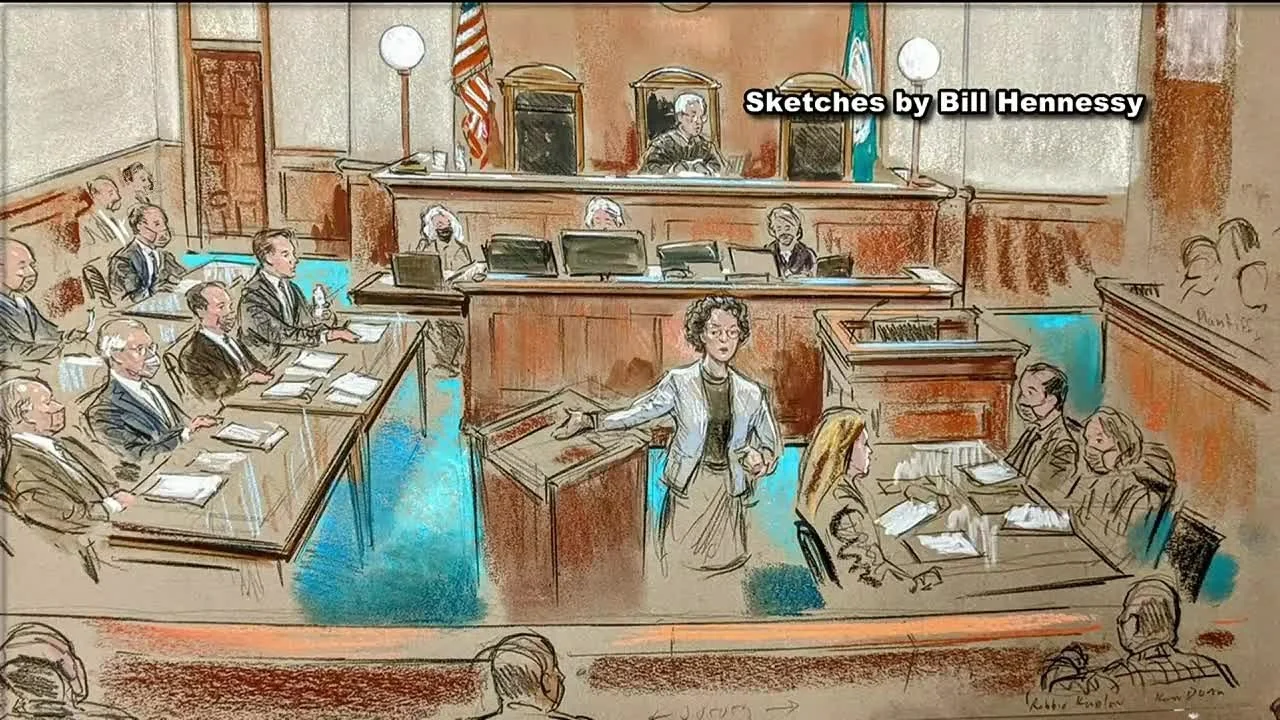
Artist rendition of one of Mark's early court cases as a new attorney

Sandy Cay, Bahamas
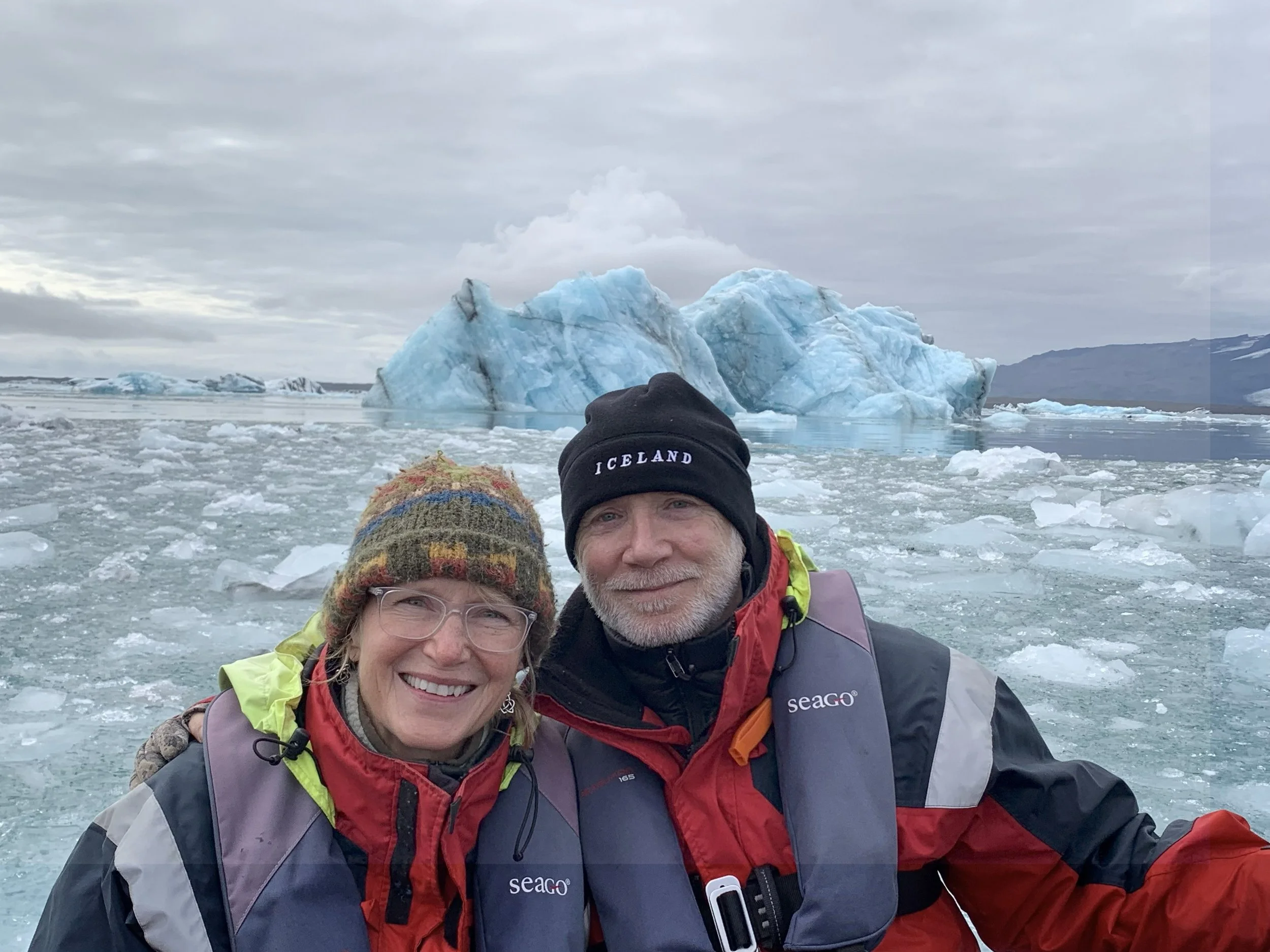
Jökulsárlón glacial lake, Vatnajökull
National Park, Iceland
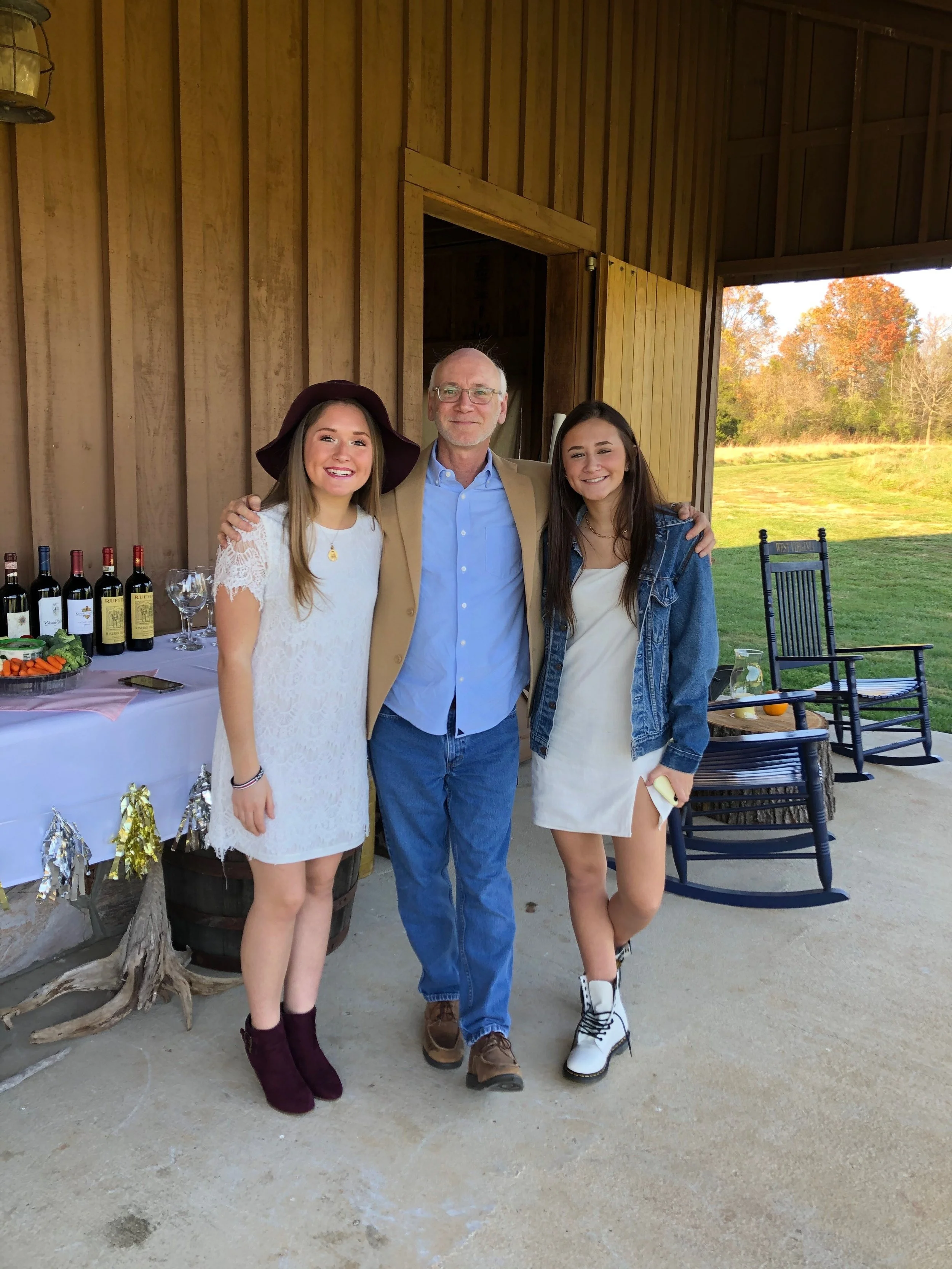
Nieces, Emma and Ali
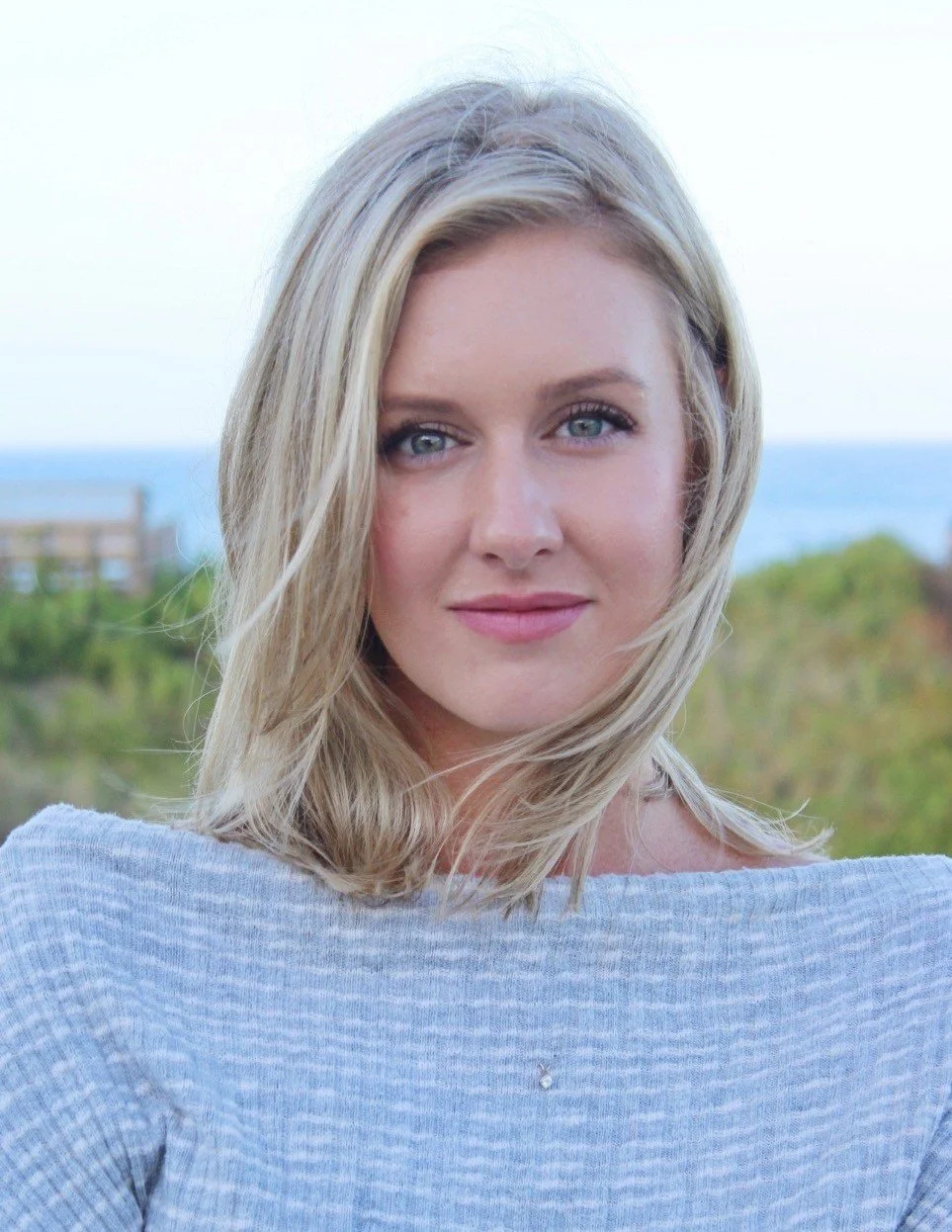
Niece, Kate
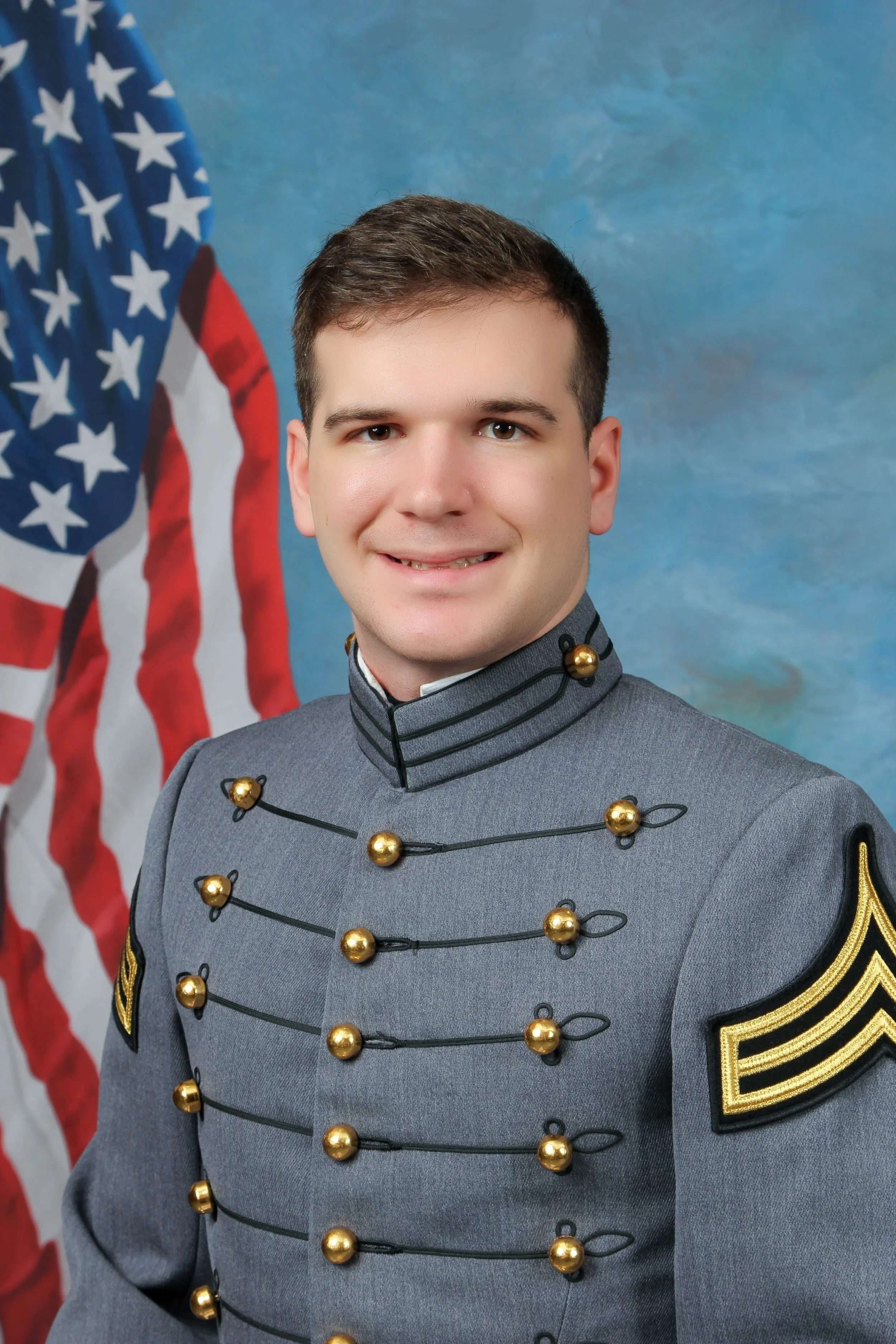
Nephew, Douglas at West Point
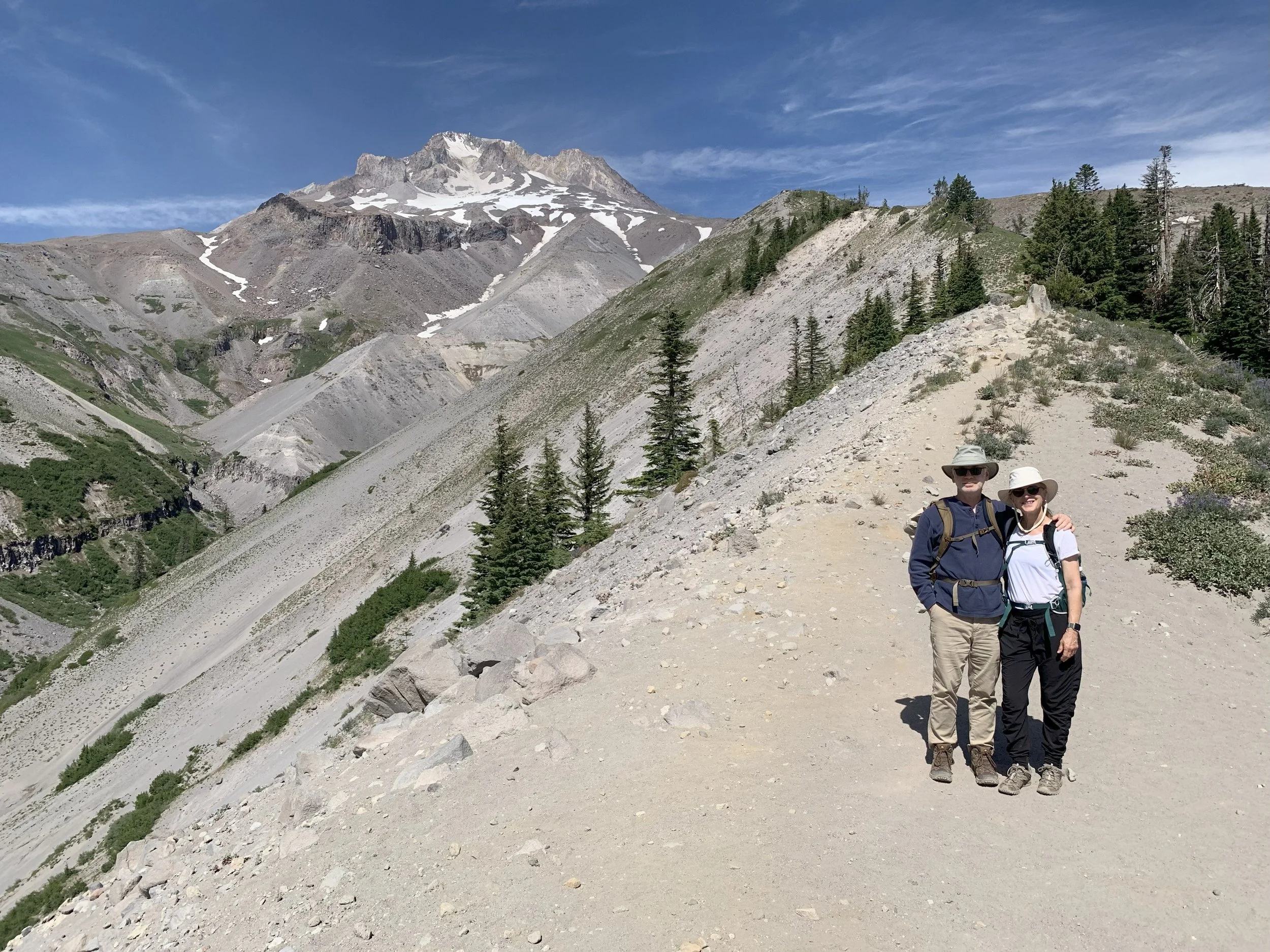
Mount Hood, Oregon
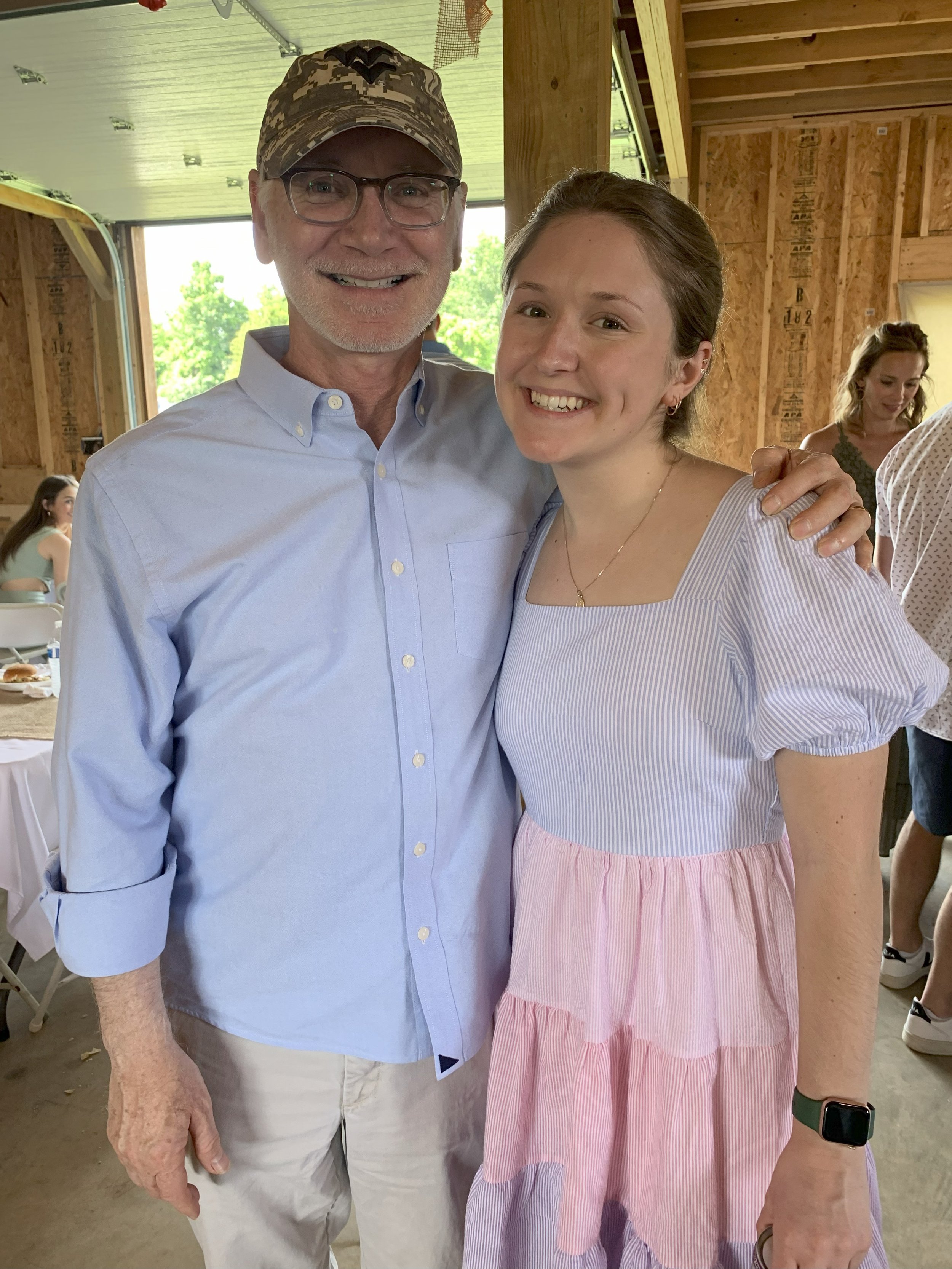
Niece, Emma
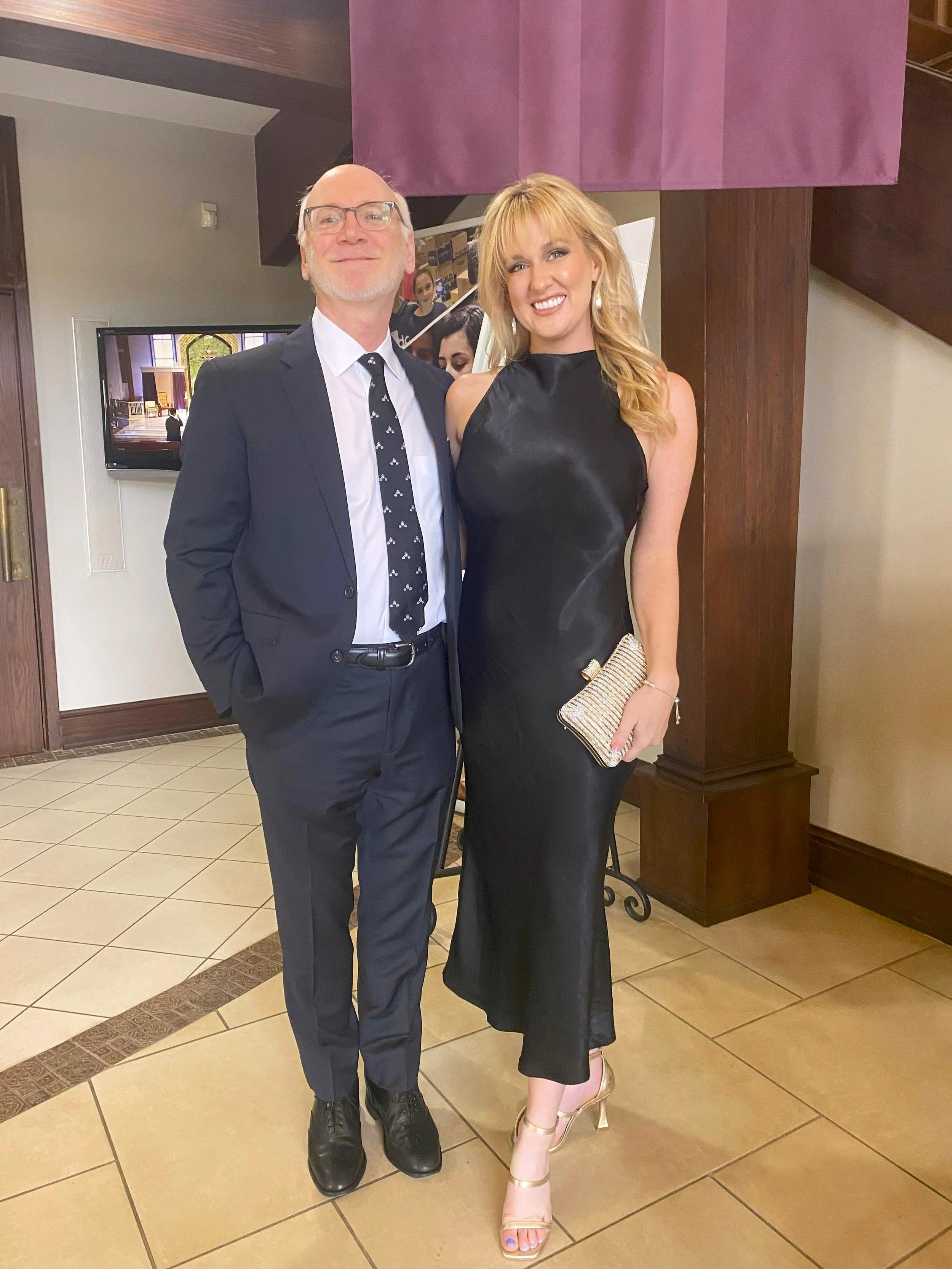
Niece, Kate
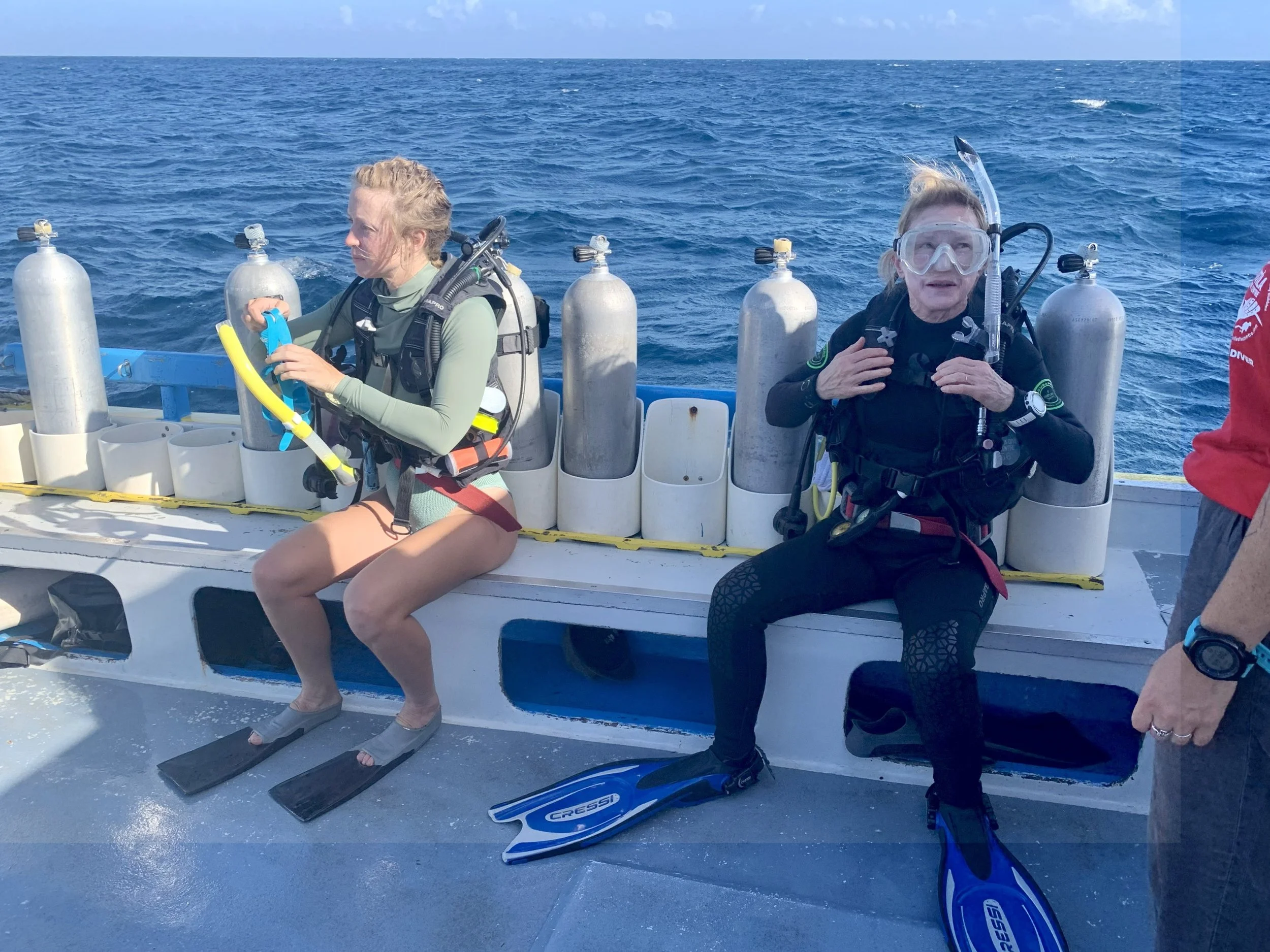
Diving in Utila, Honduras
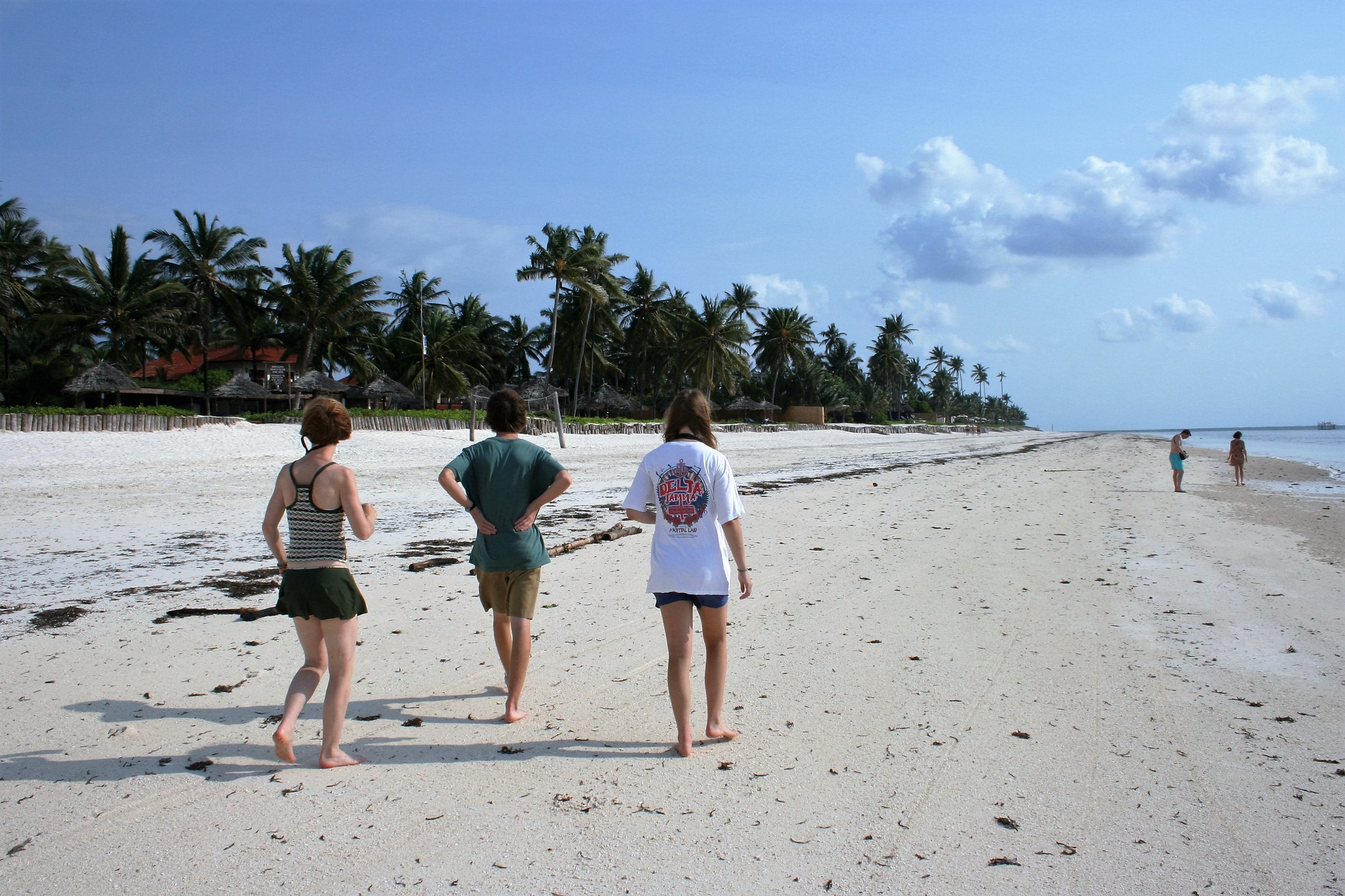
Zanzibar
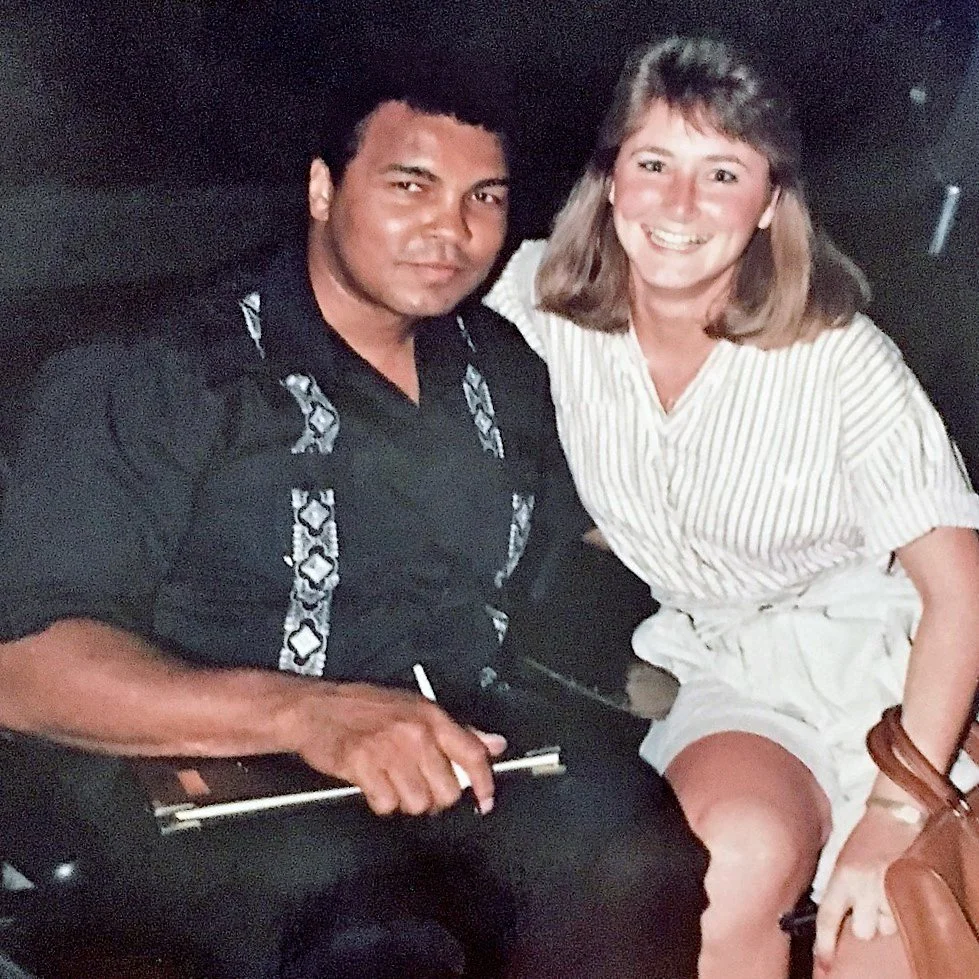
Sister, Claudia, and Muhammad Ali
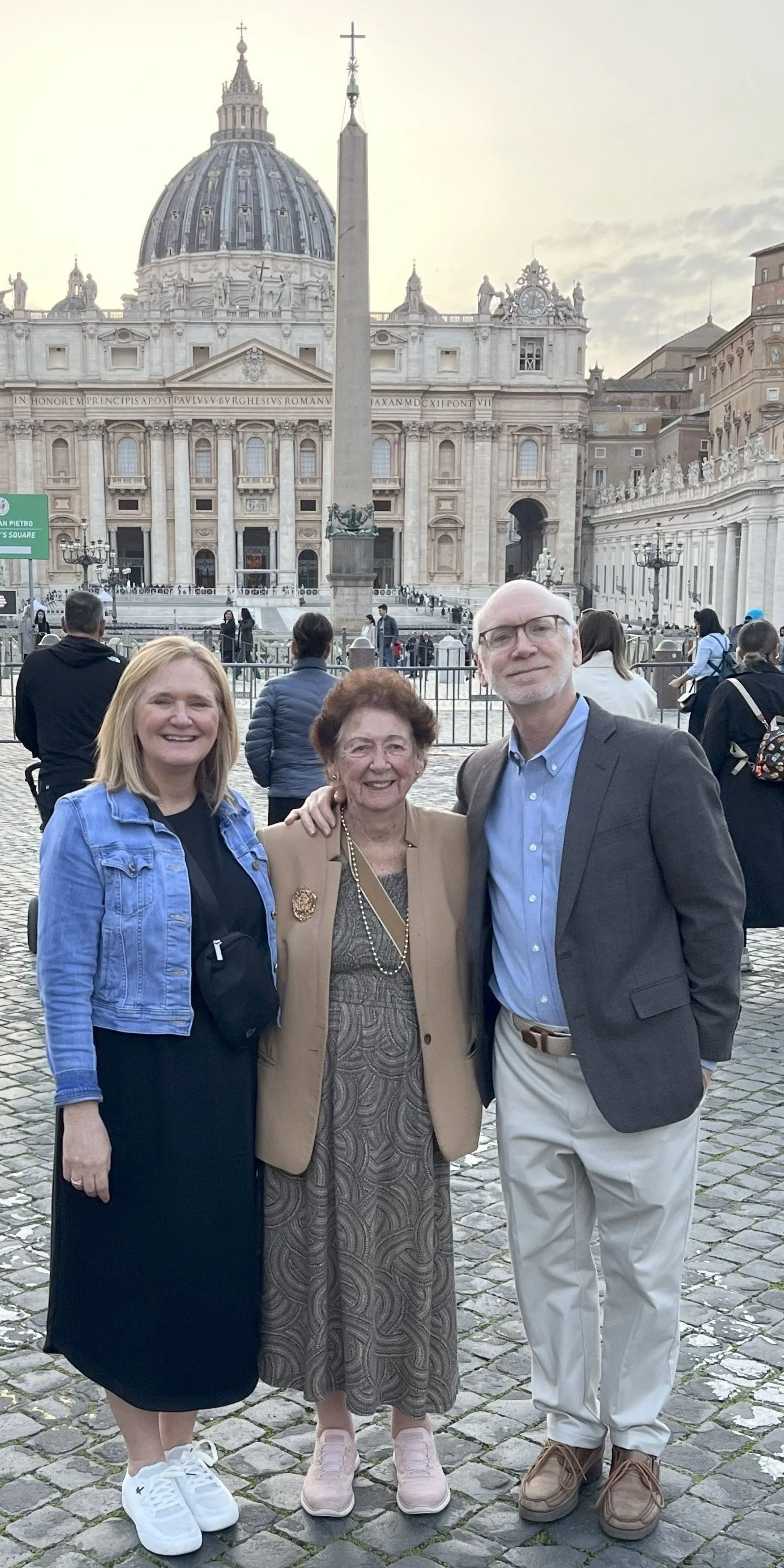
Mom and sister, Casey, Vatican City
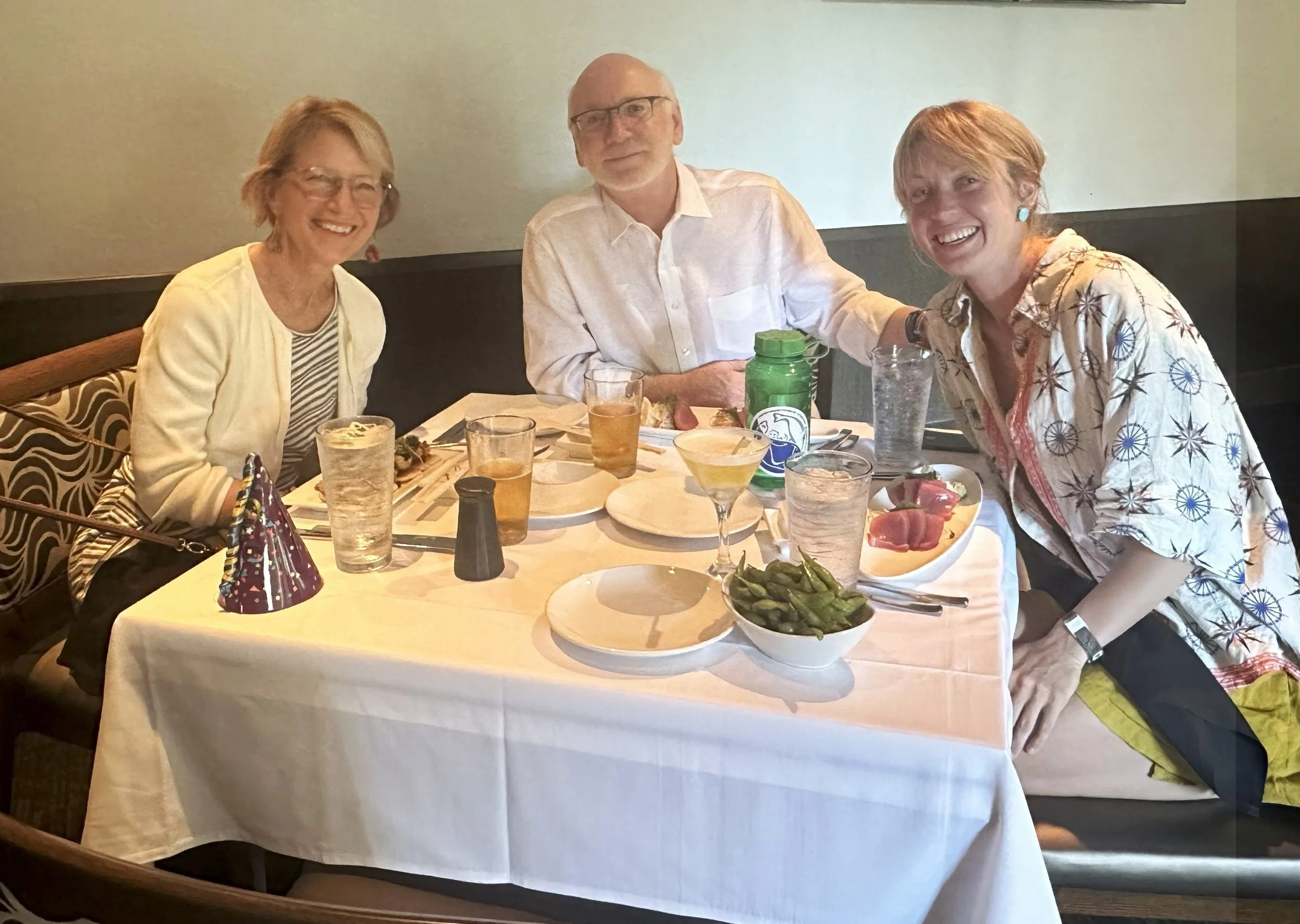
Birthday dinner at Roy's, Waikiki

Venice, Italy
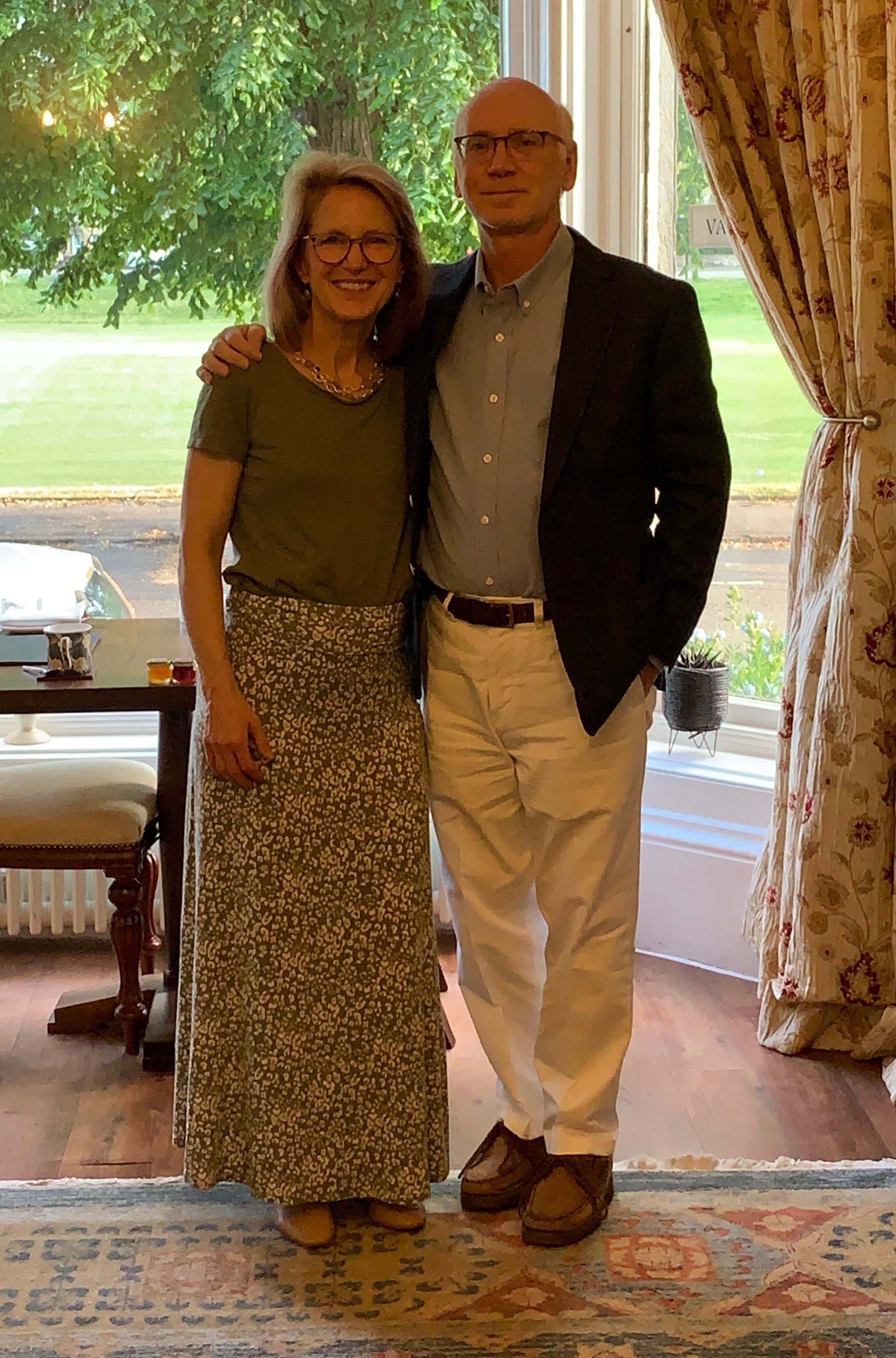
Stirling, Scotland
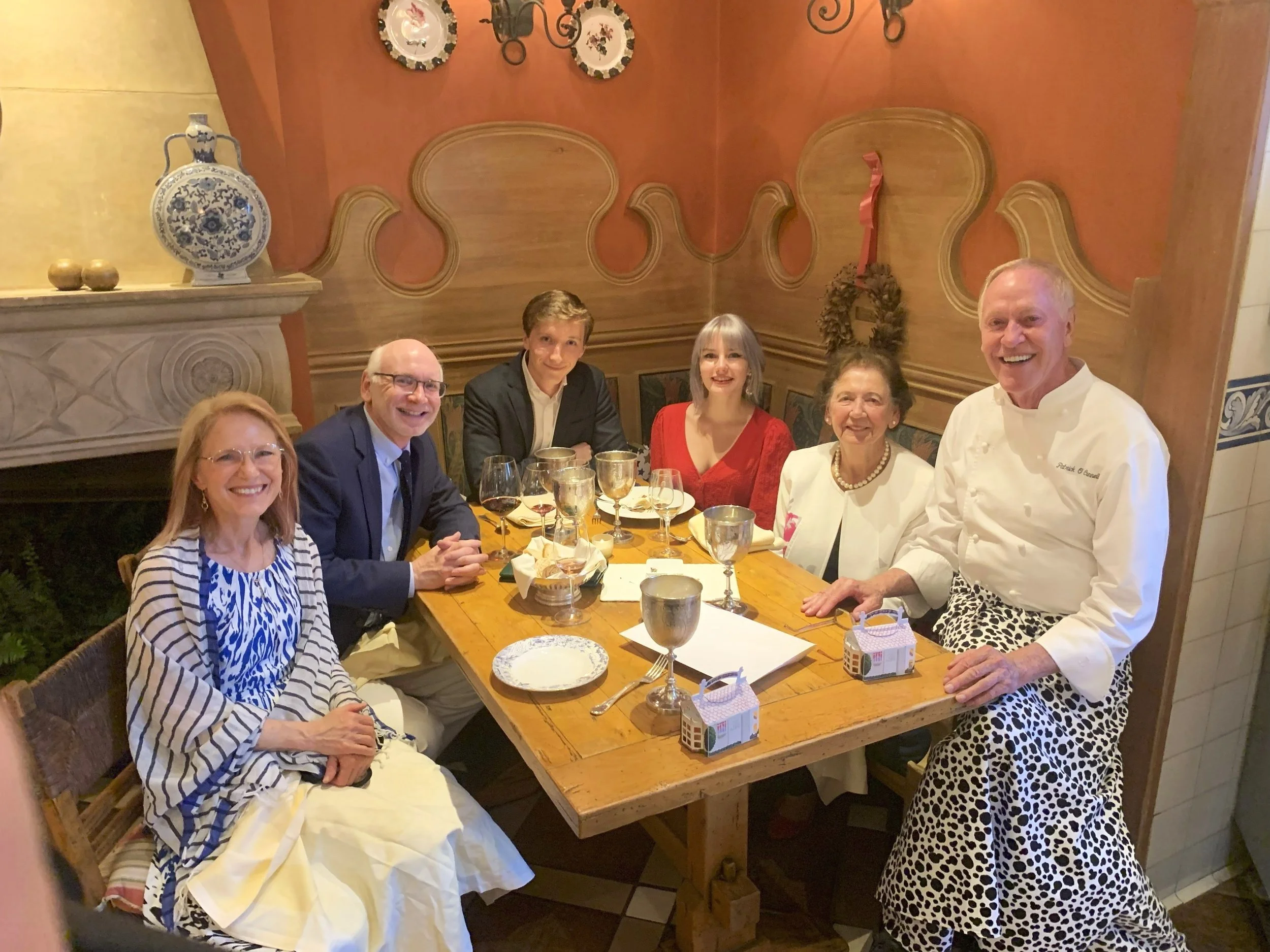
Chef Patrick O'Connell from Inn at Little Washington
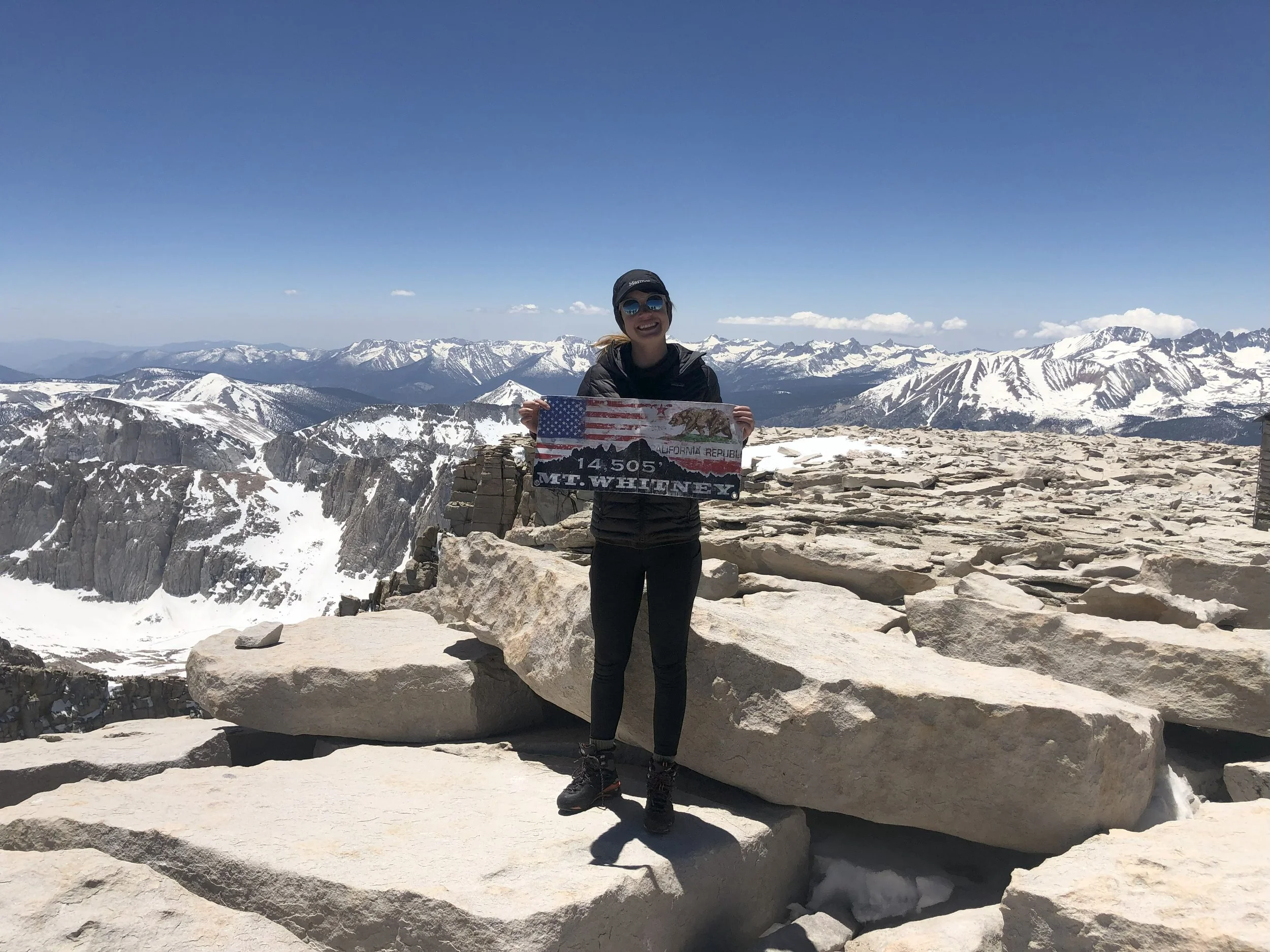
Maddie on Mount Whitney after scaling the highest point in the lower 48 states

Canaan Valley, West Virginia
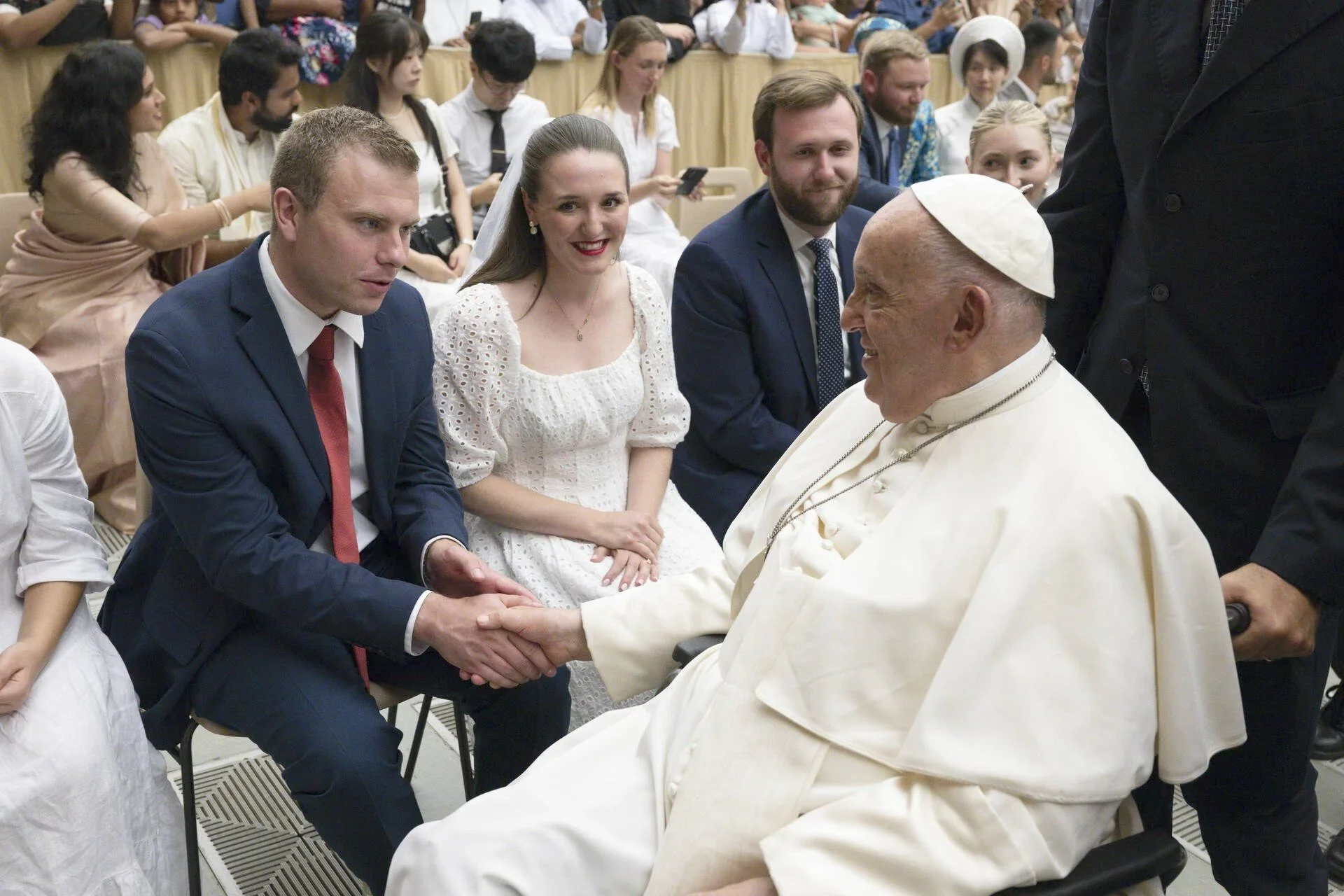
Niece, Kendall, and her husband, Kyle, with Pope Francis
Vatican City
Wildlife and Nature
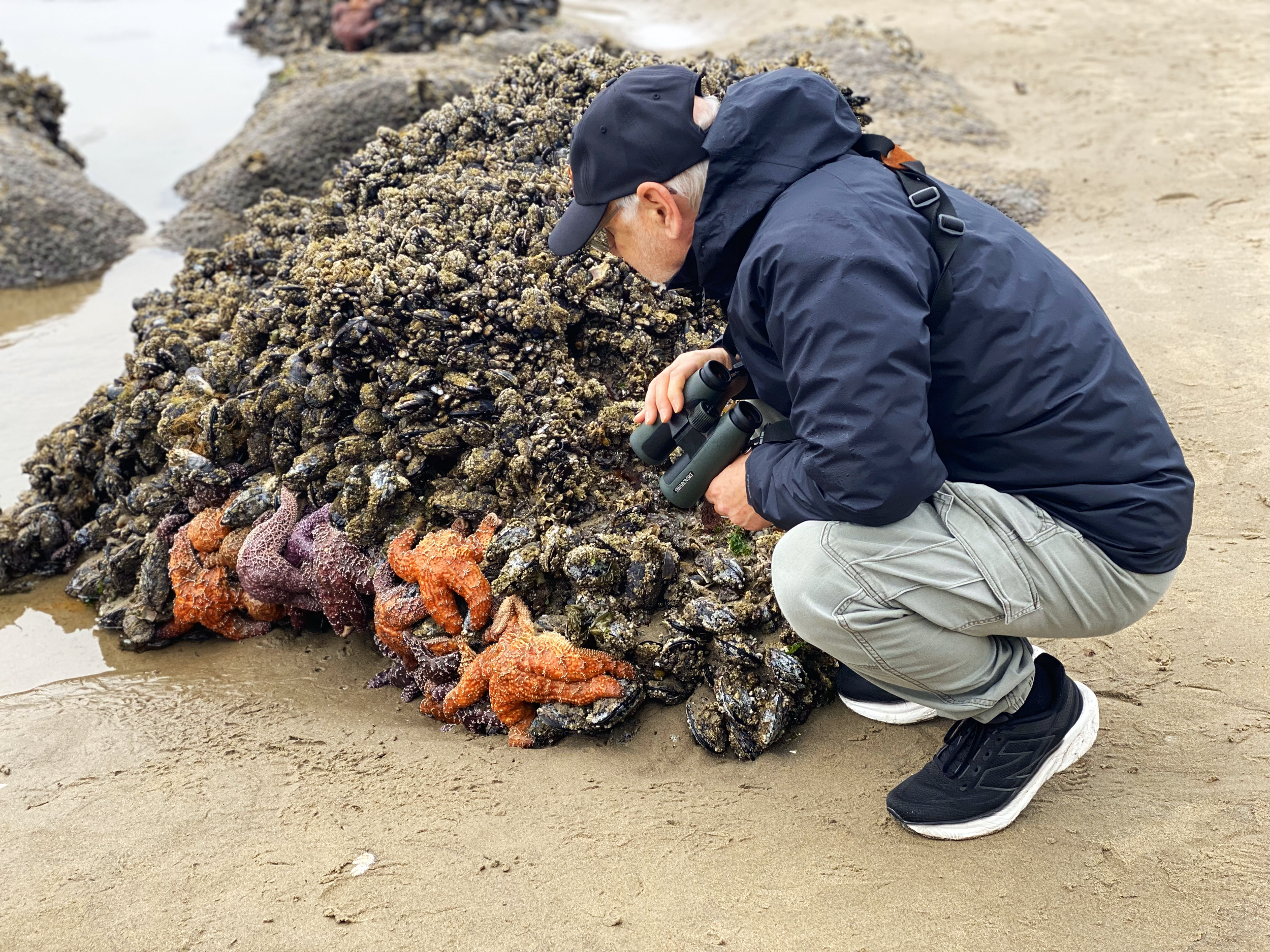
Oregon coast
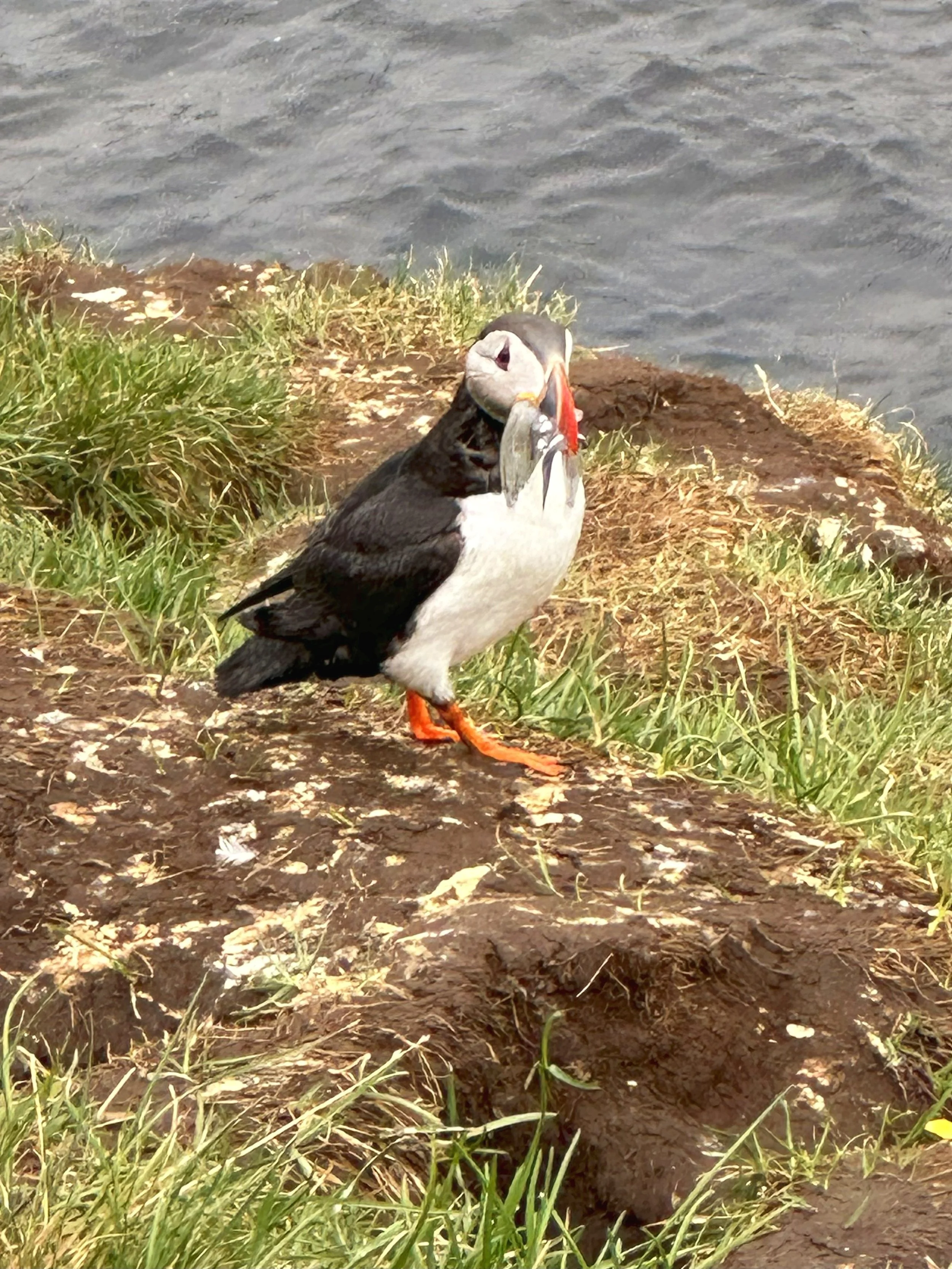
World's largest puffin colony in Westman Islands (Vestmannaeyjar)
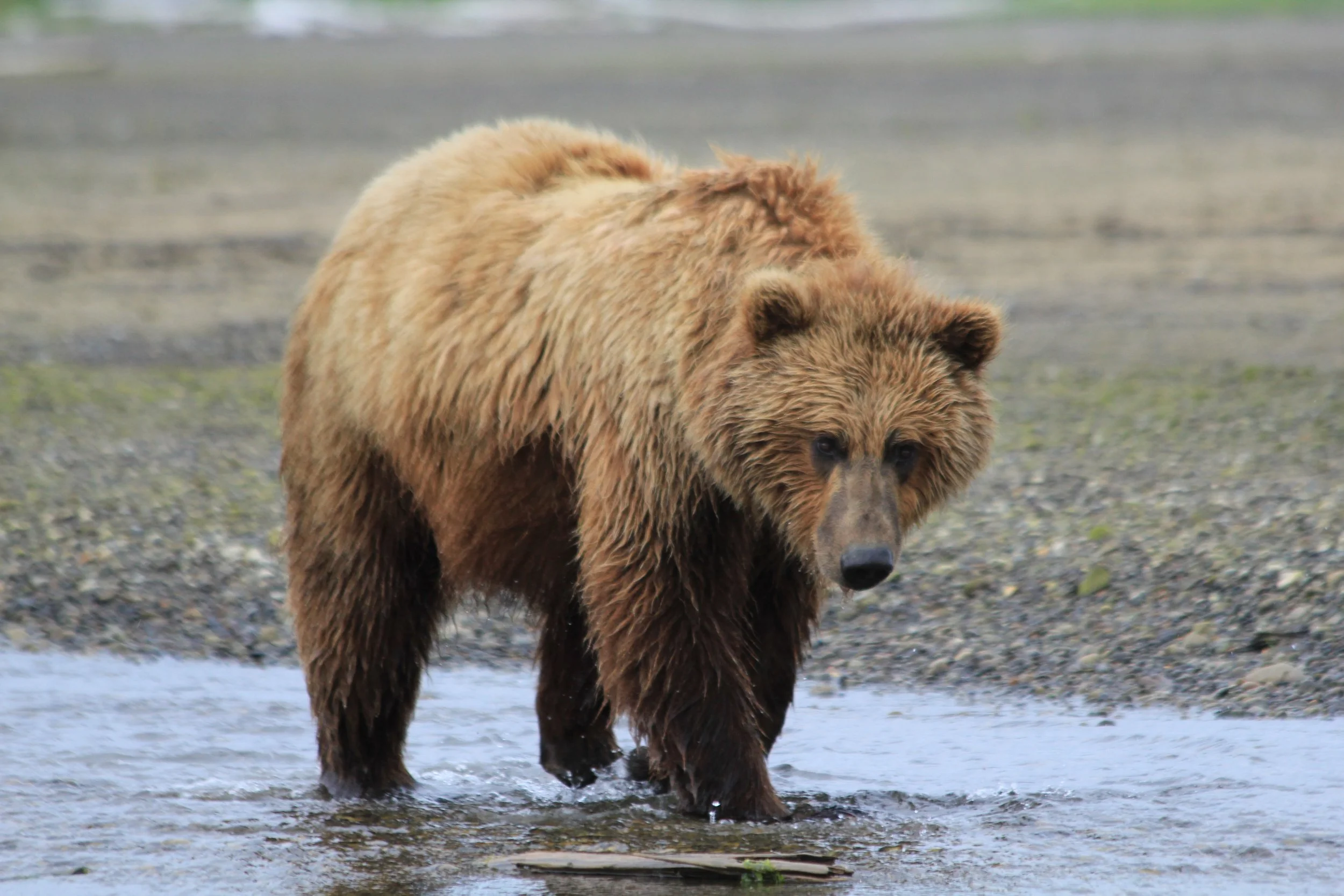
Brown bear, Alaska coast
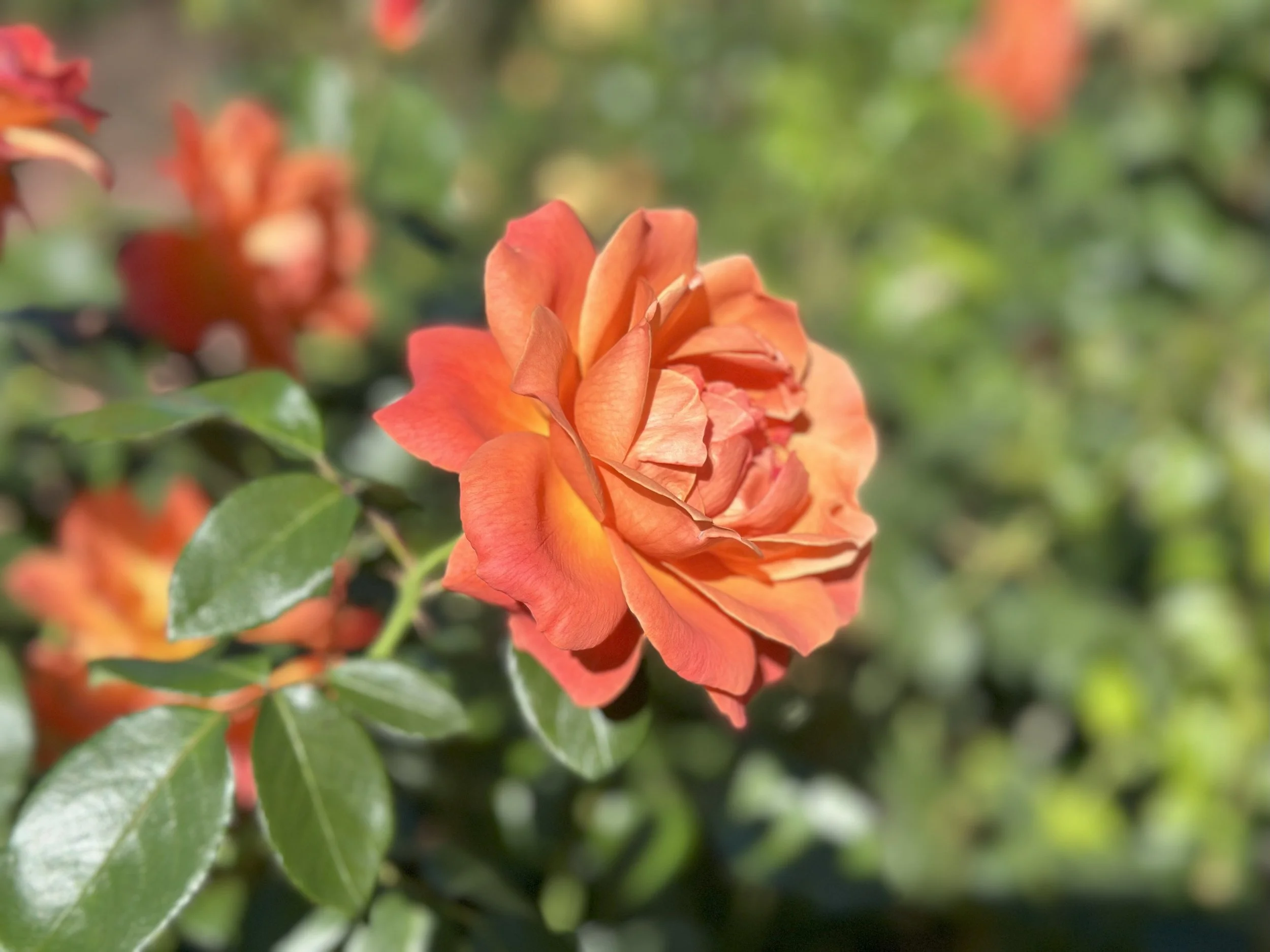
International Rose Test Garden
Portland, Oregon
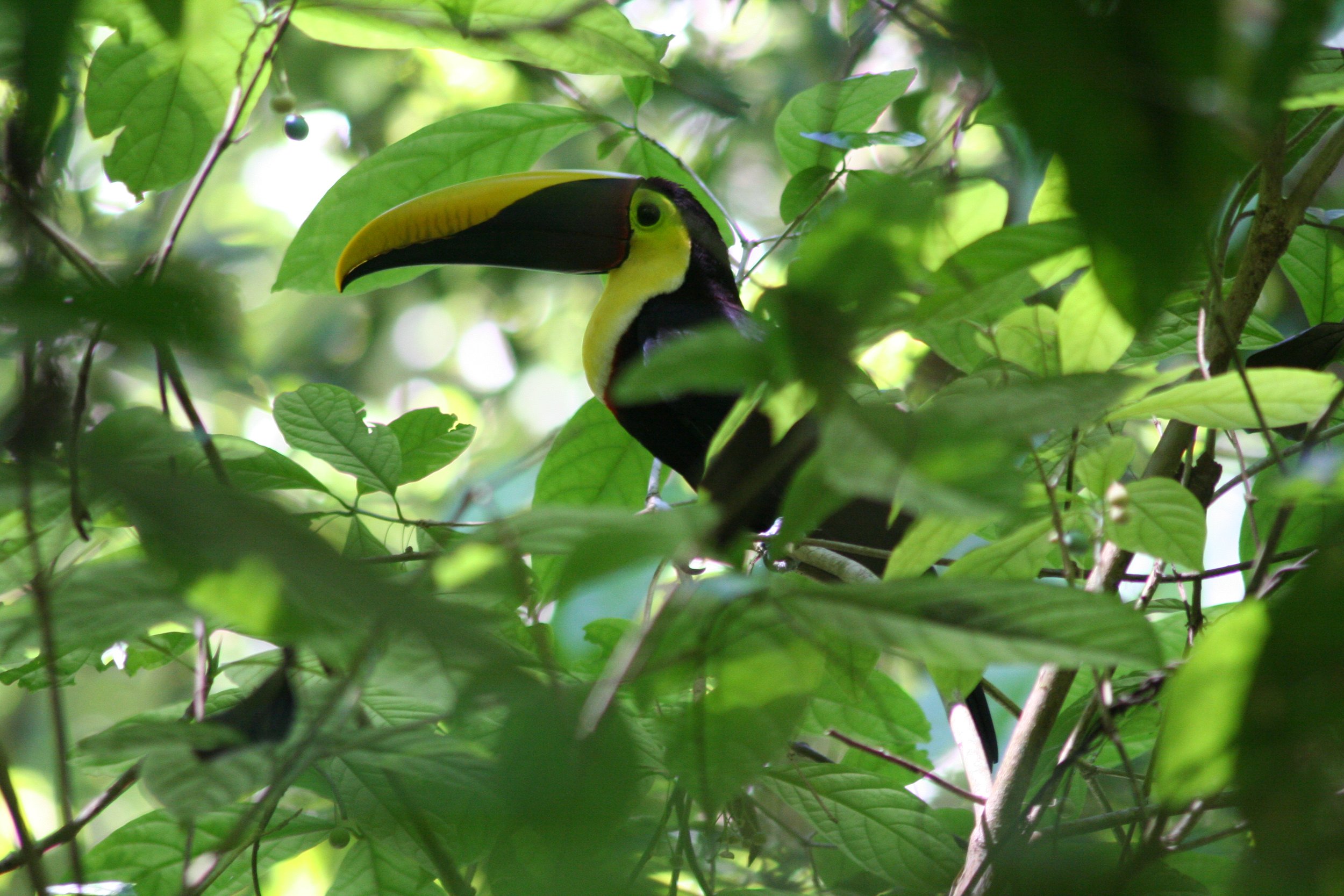
Yellow-throated Toucan, Costa Rica
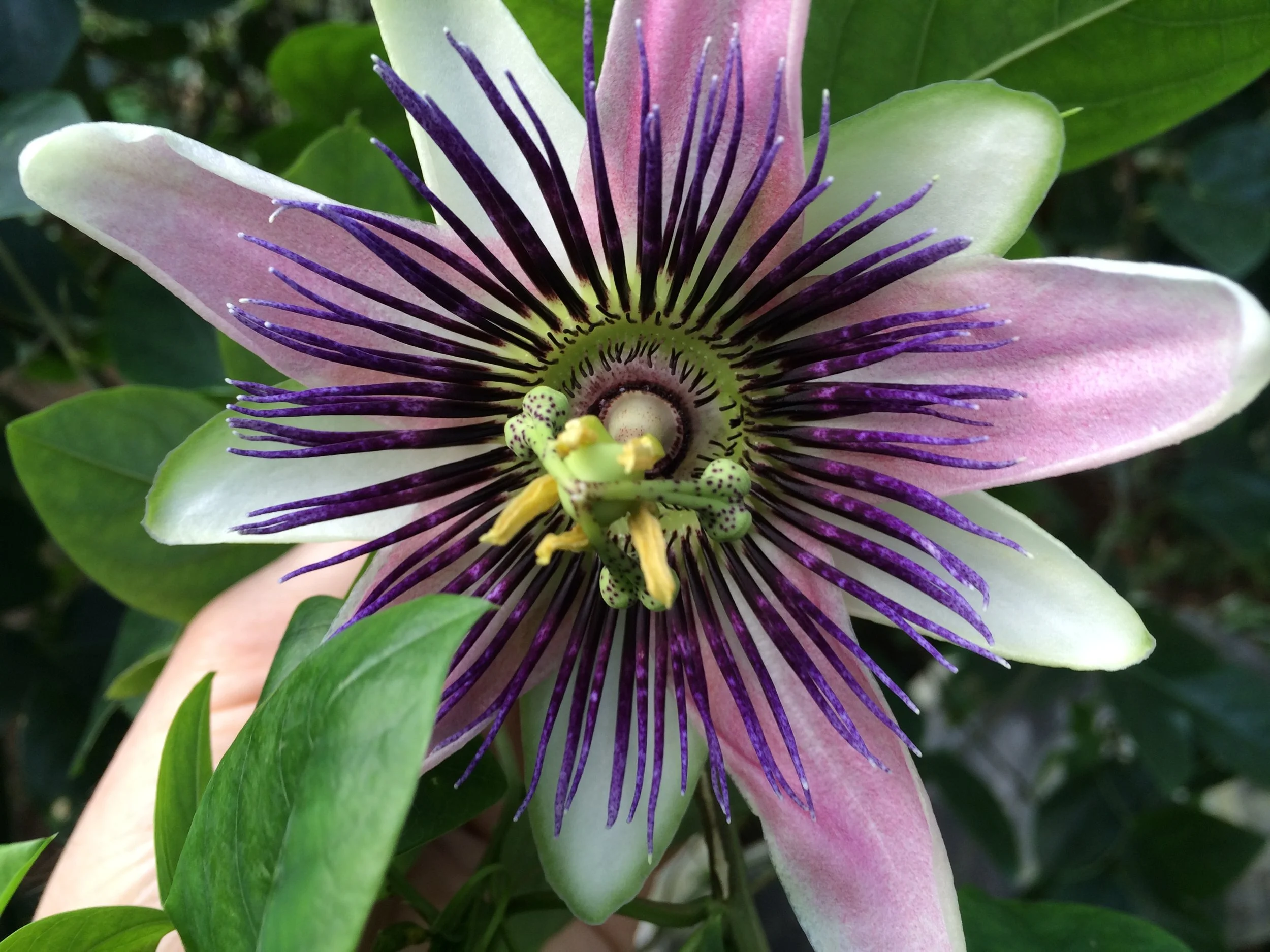
Woodland Park, Seattle
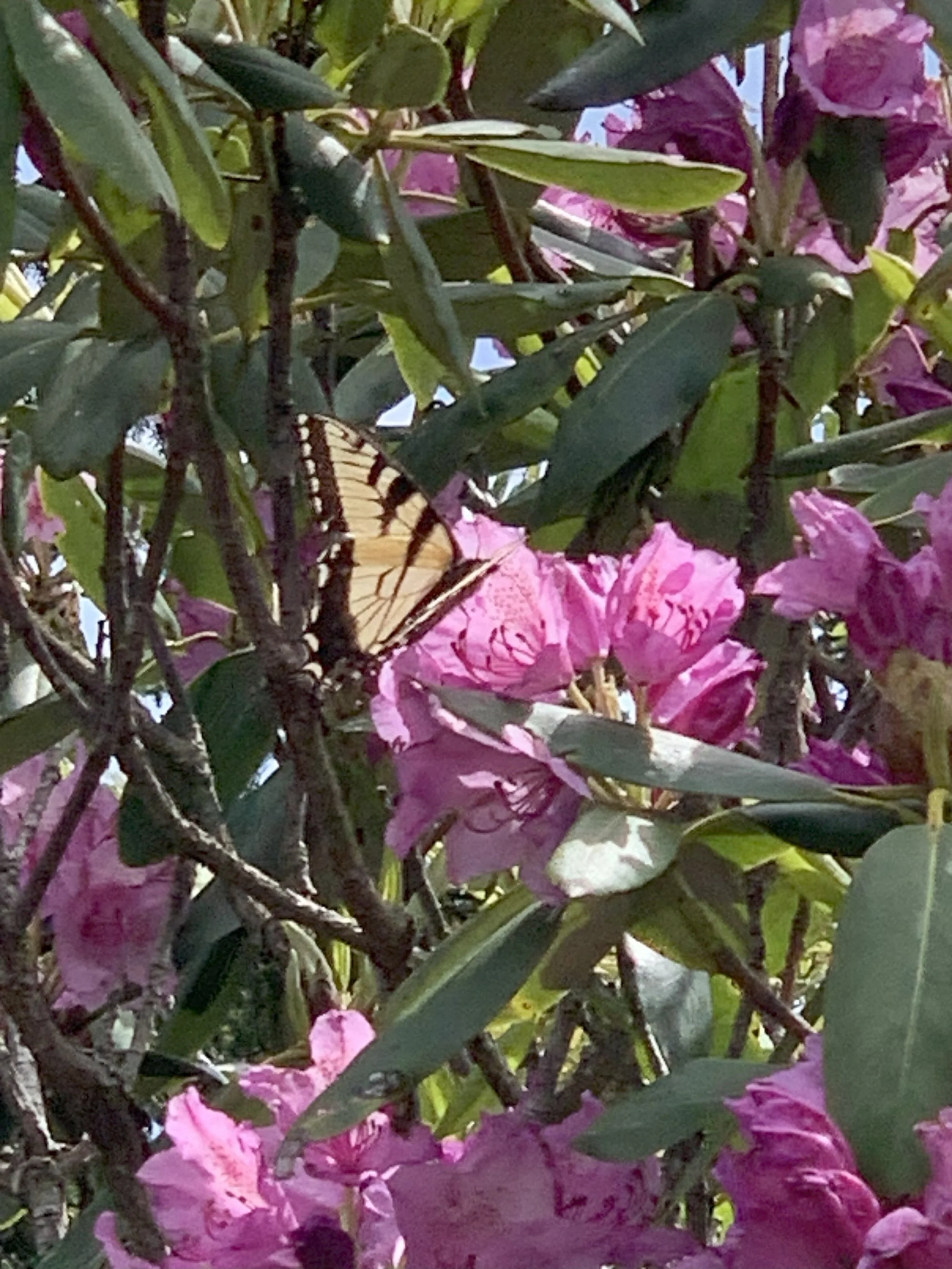
Great Smoky Mountains National Park
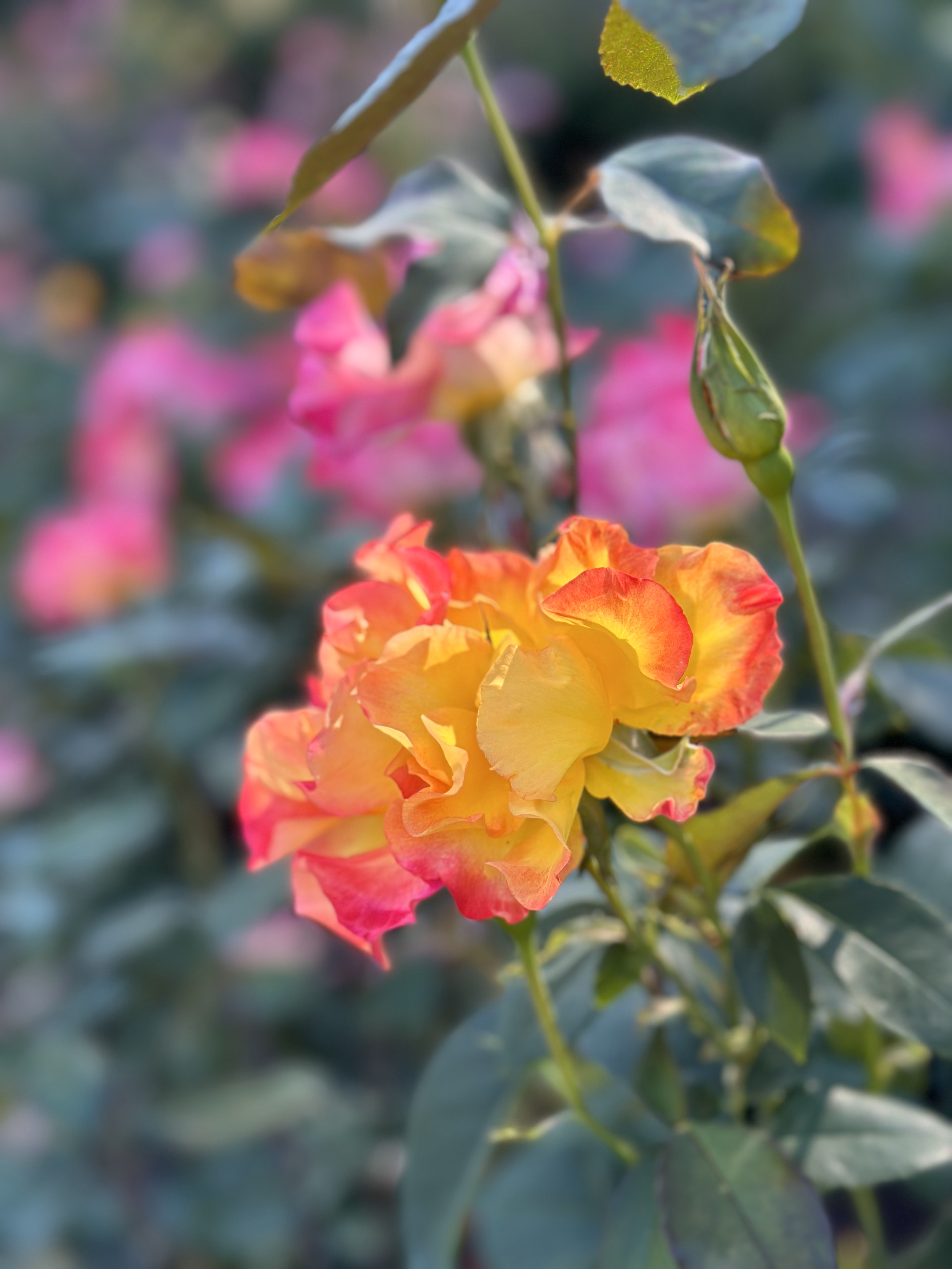
International Rose Test Garden
Portland, Oregon
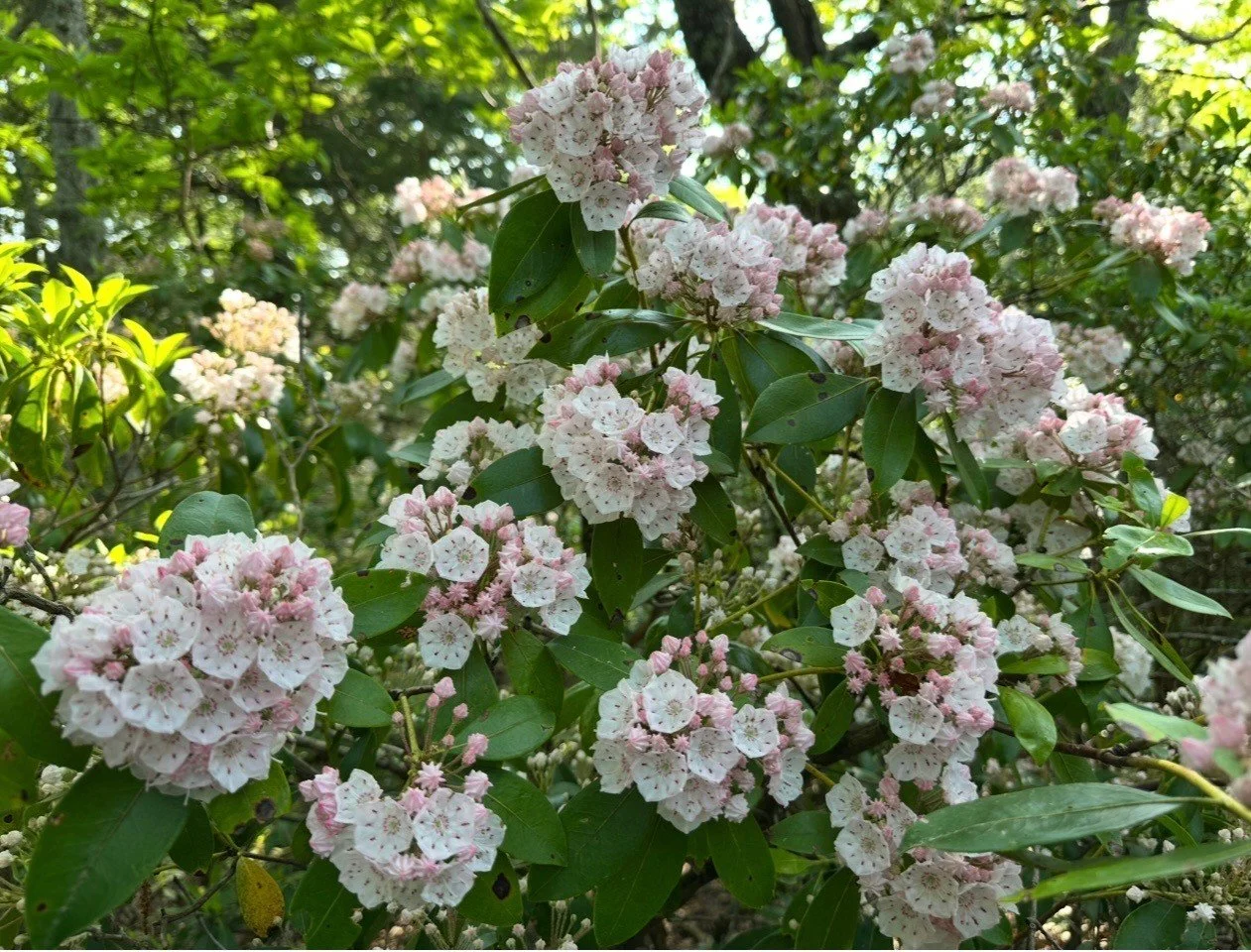
Shenandoah National Park, Virginia
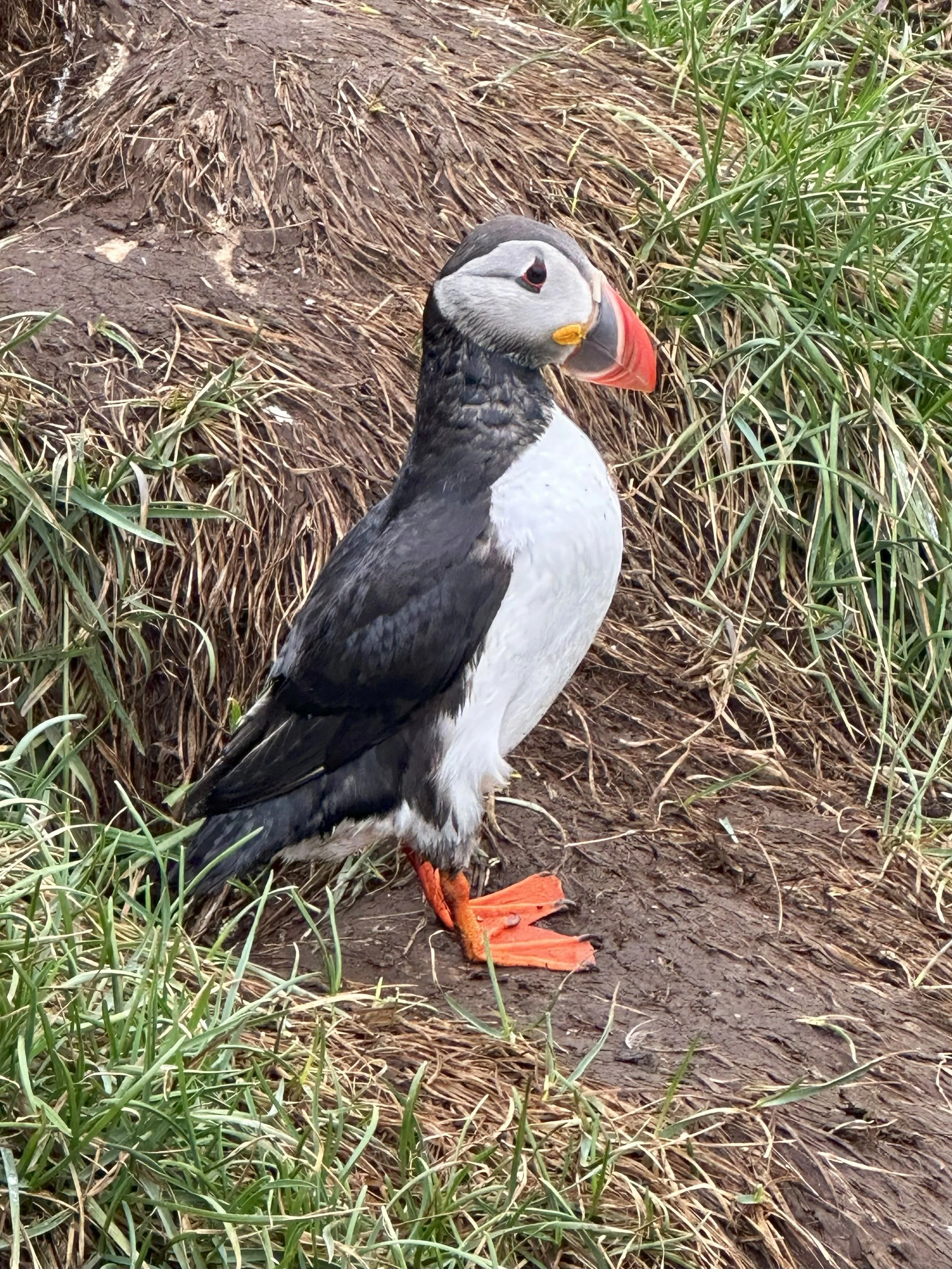
World's largest puffin colony
Westman Islands (Vestmannaeyjar)
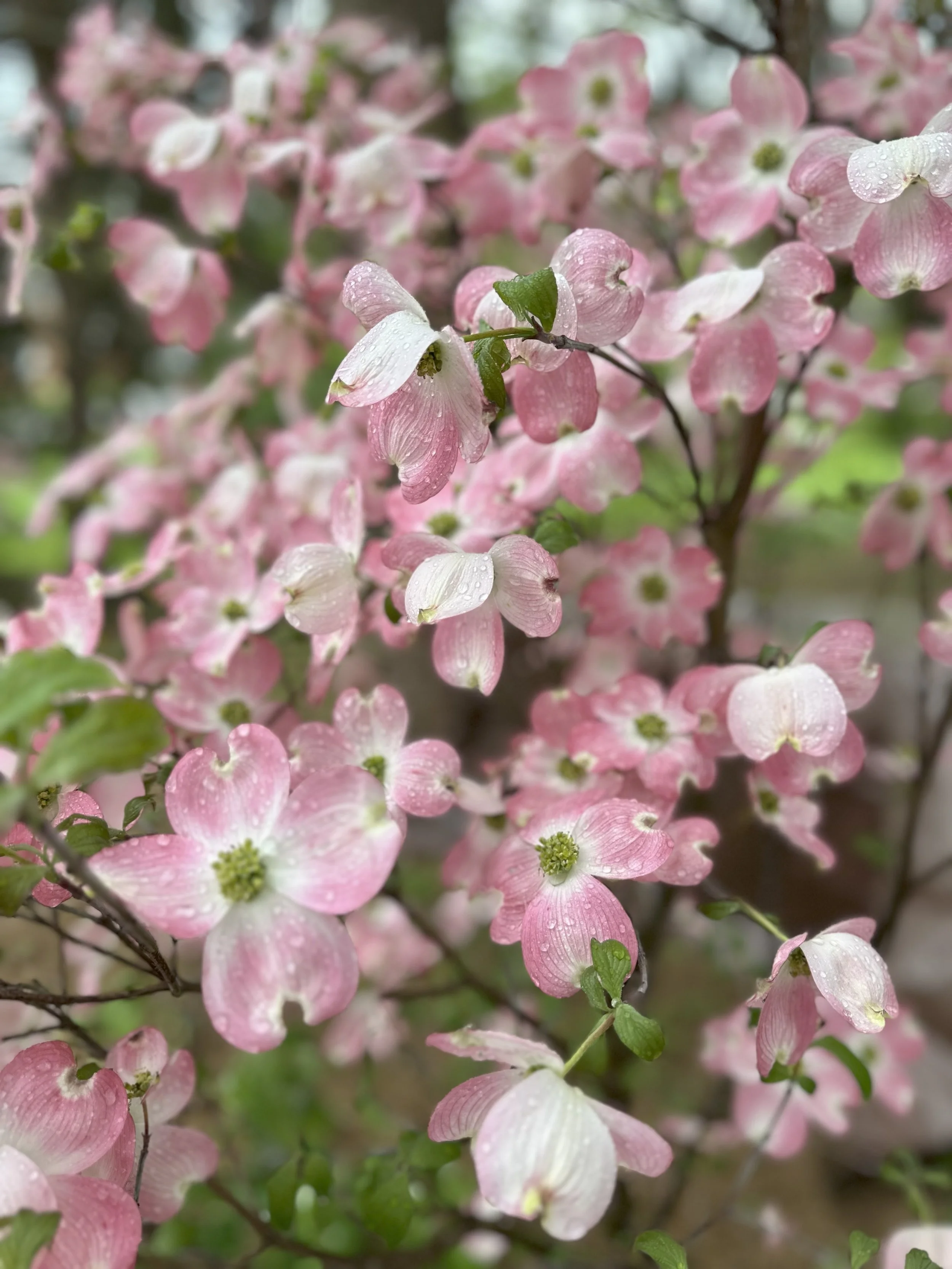
Shenandoah Valley, Virginia
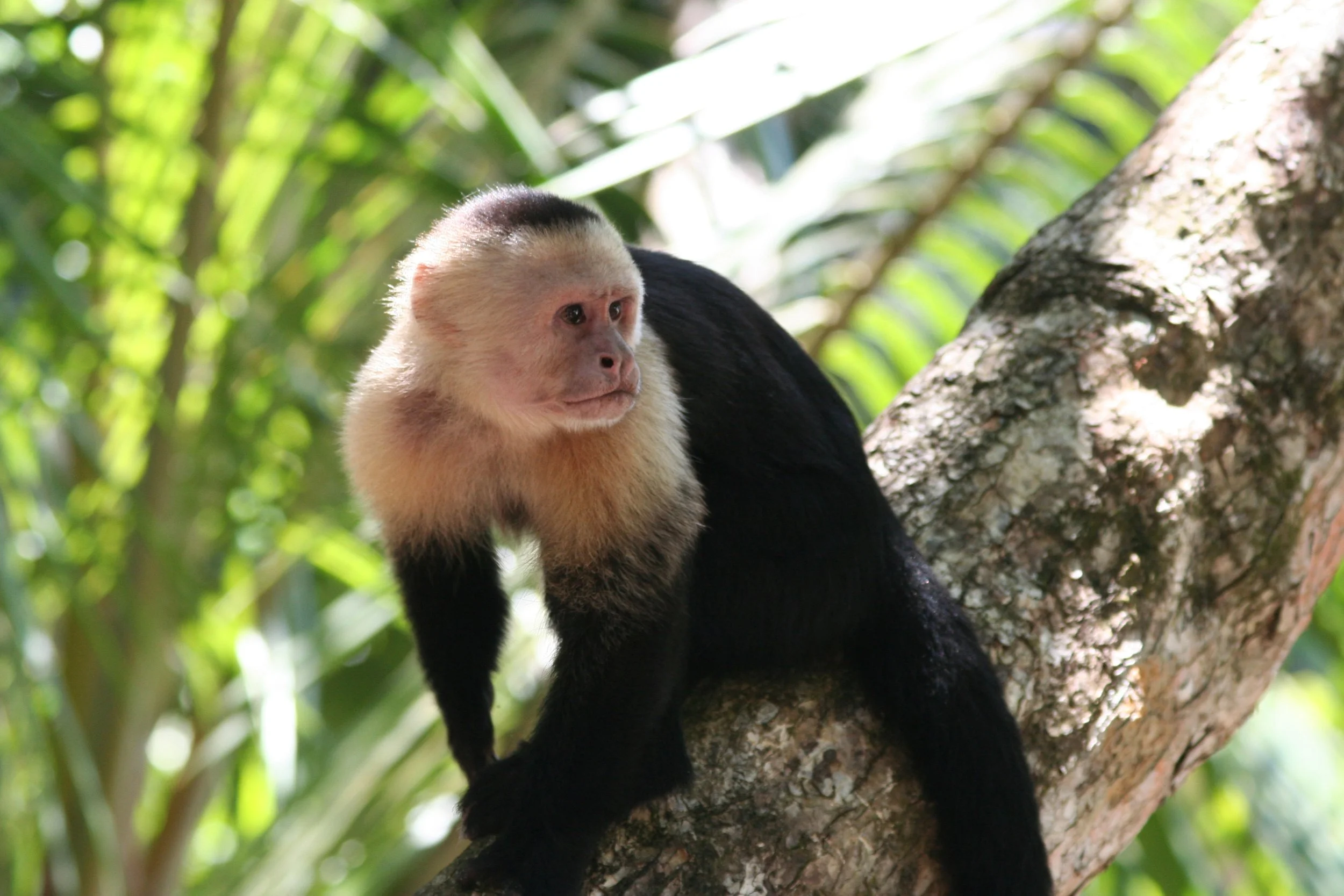
Capuchin monkey, Corcovado National Park, Costa Rica
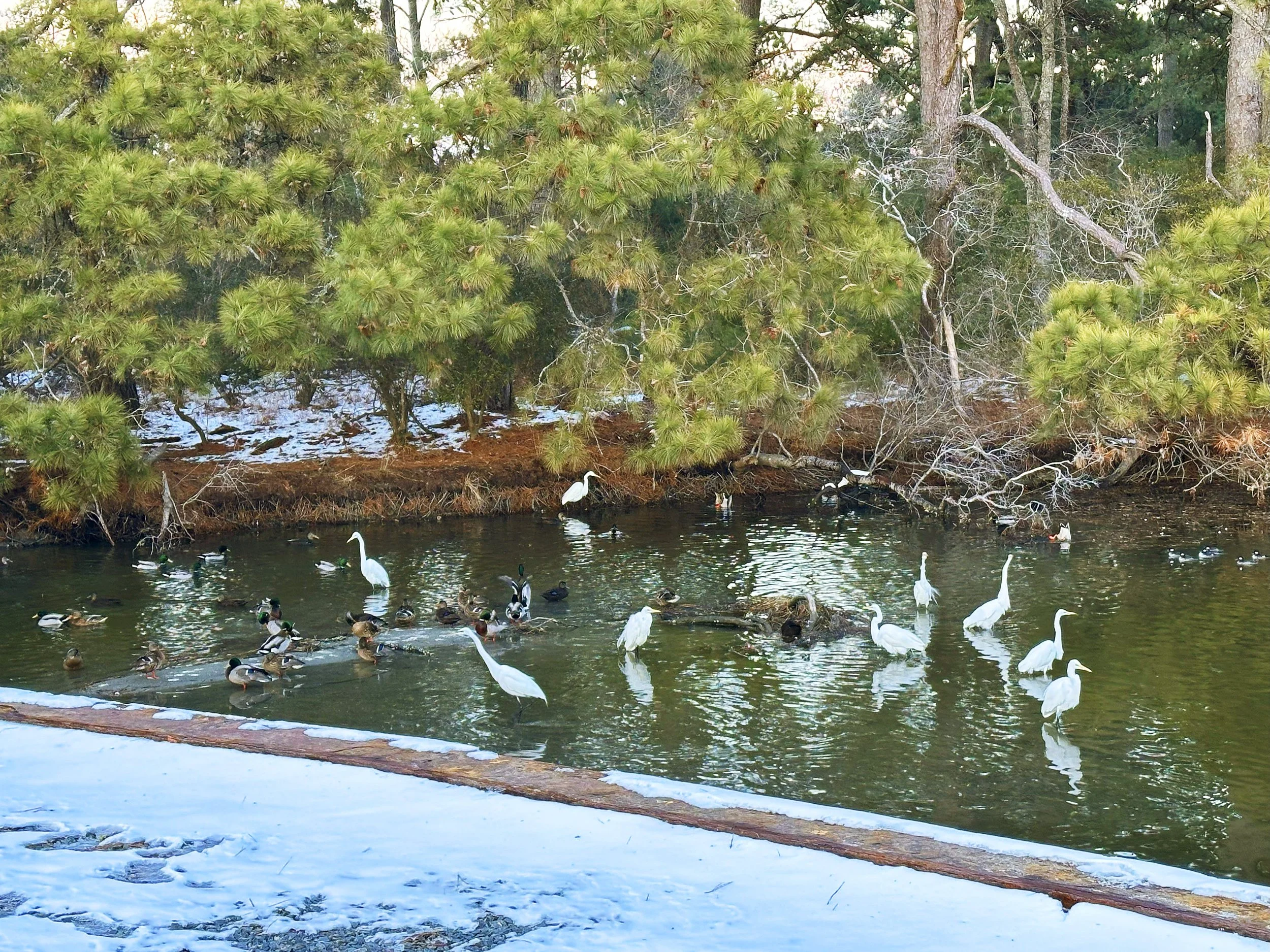
Great egrets, Chincoteague
National Wildlife Refuge, Virginia
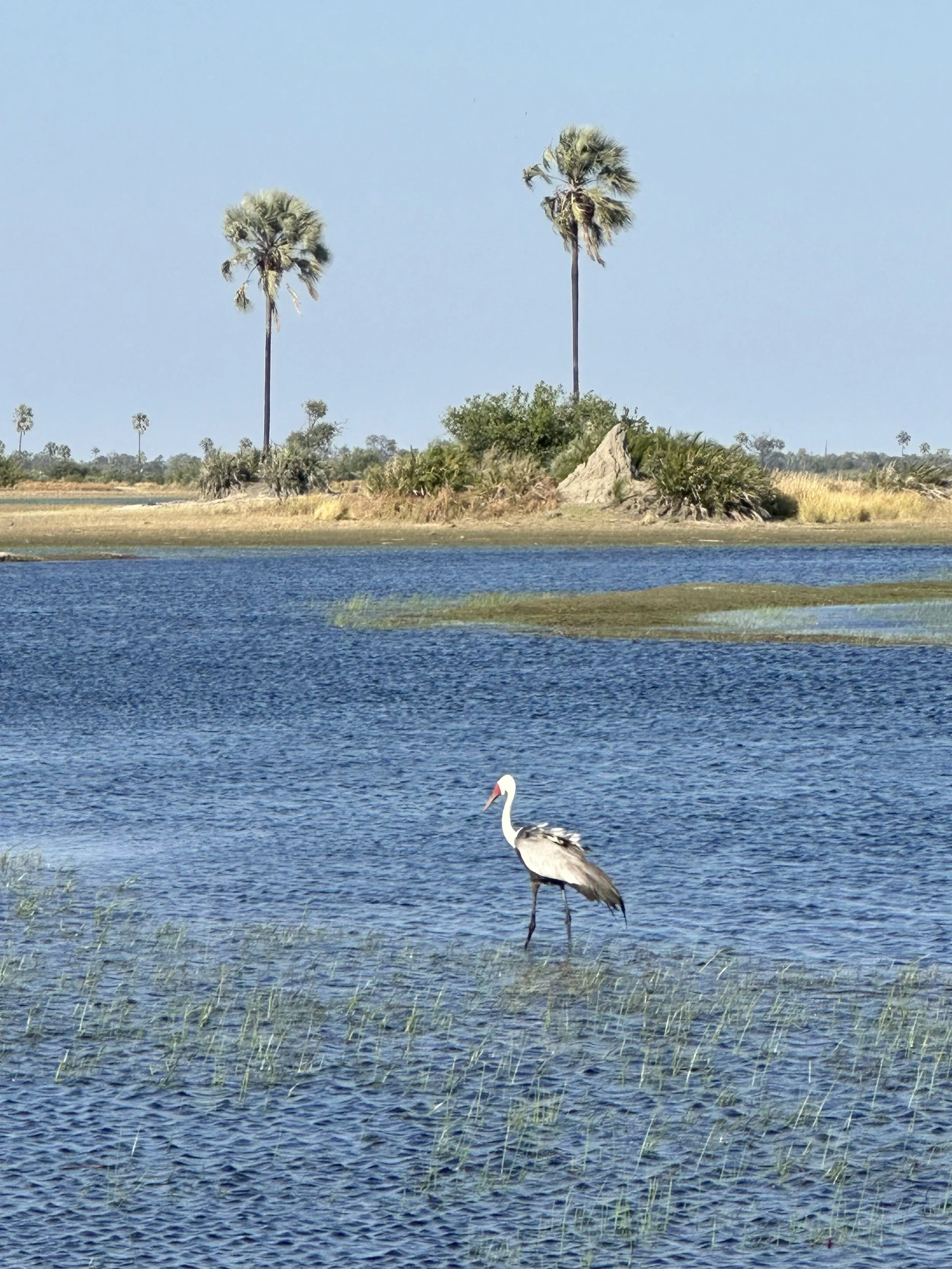
Wattled crane, Botswana
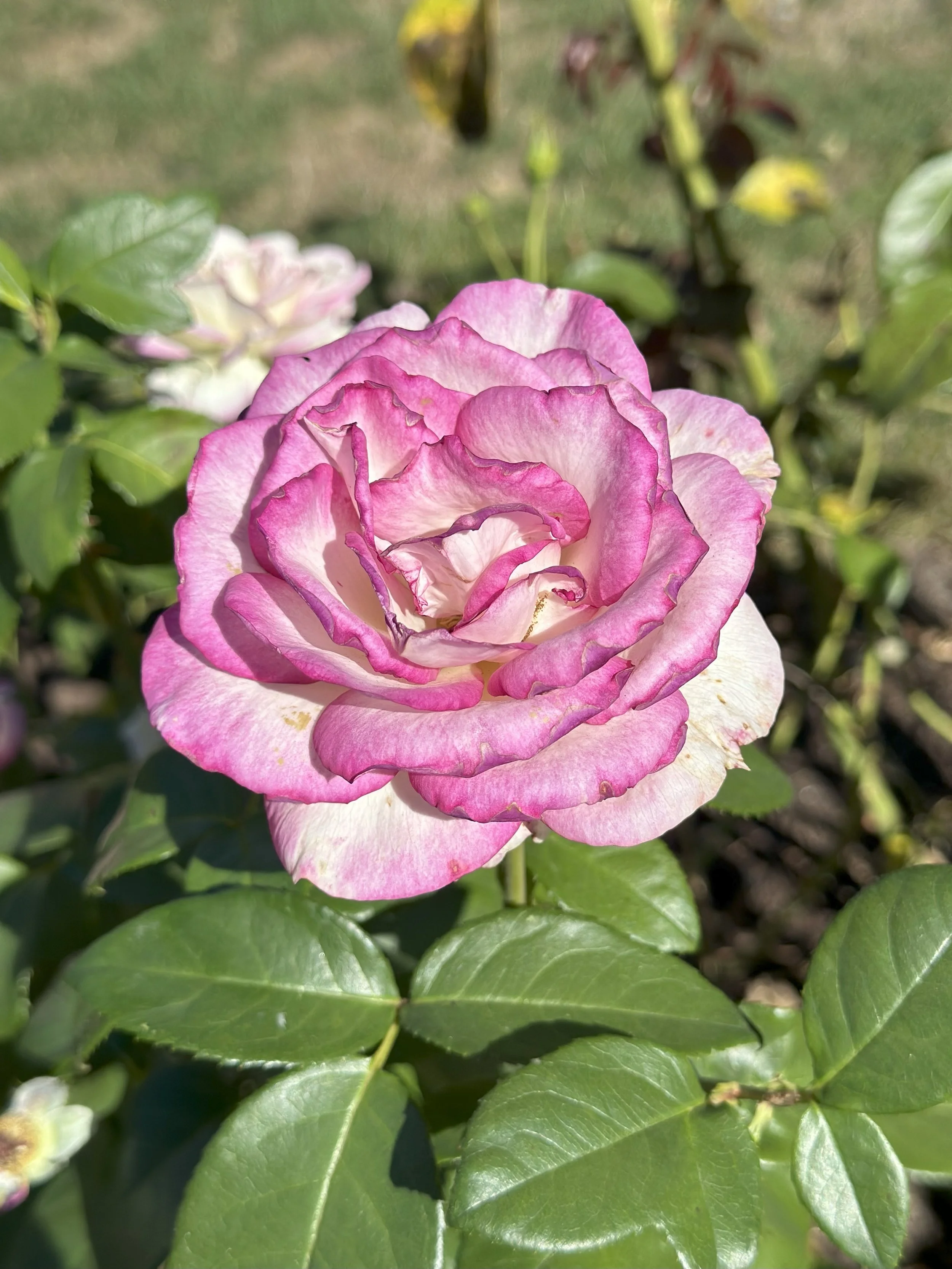
International Rose Test Garden
Portland, Oregon
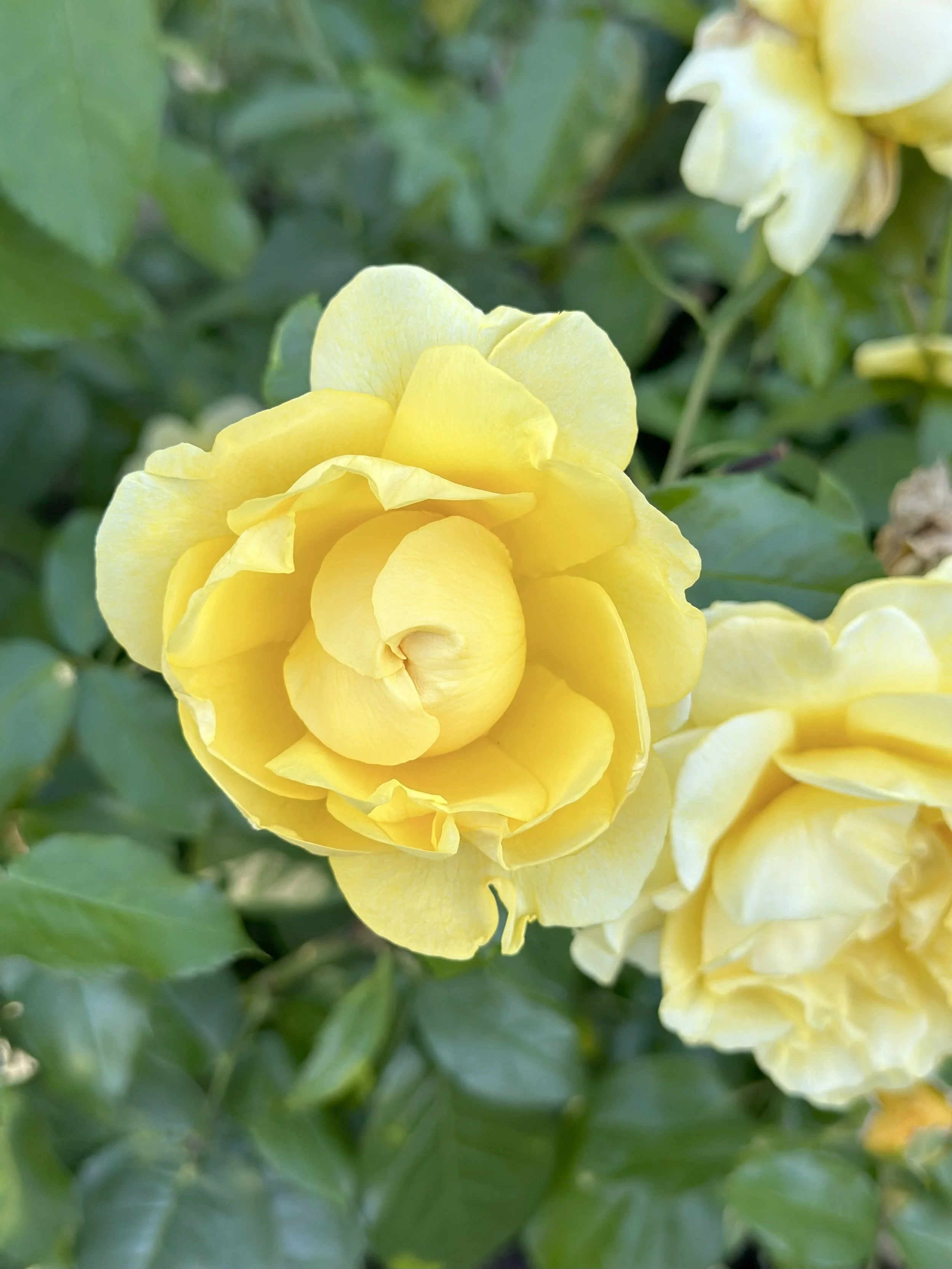
International Rose Test Garden
Portland, Oregon
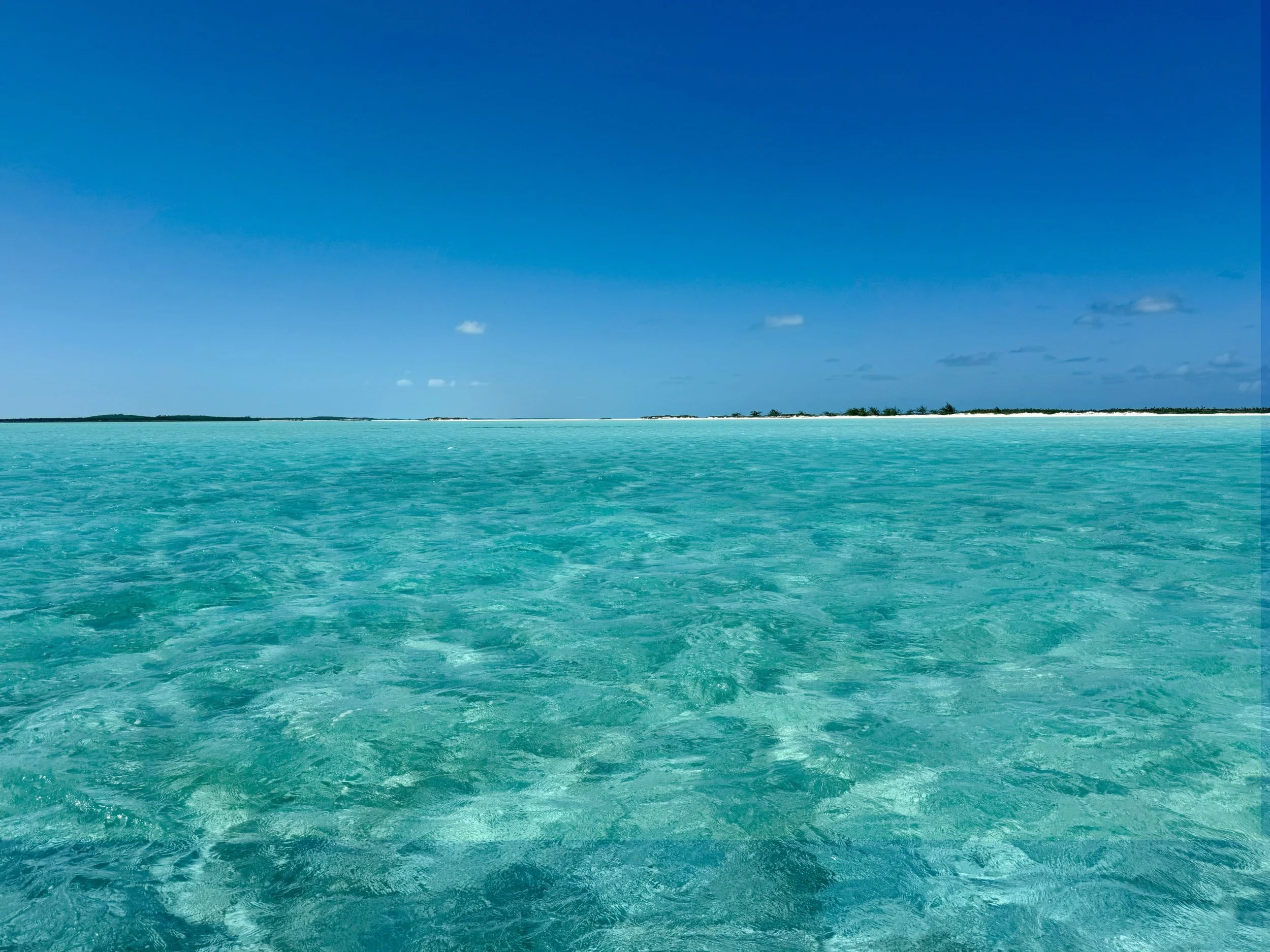
Sandy Cay, Bahamas
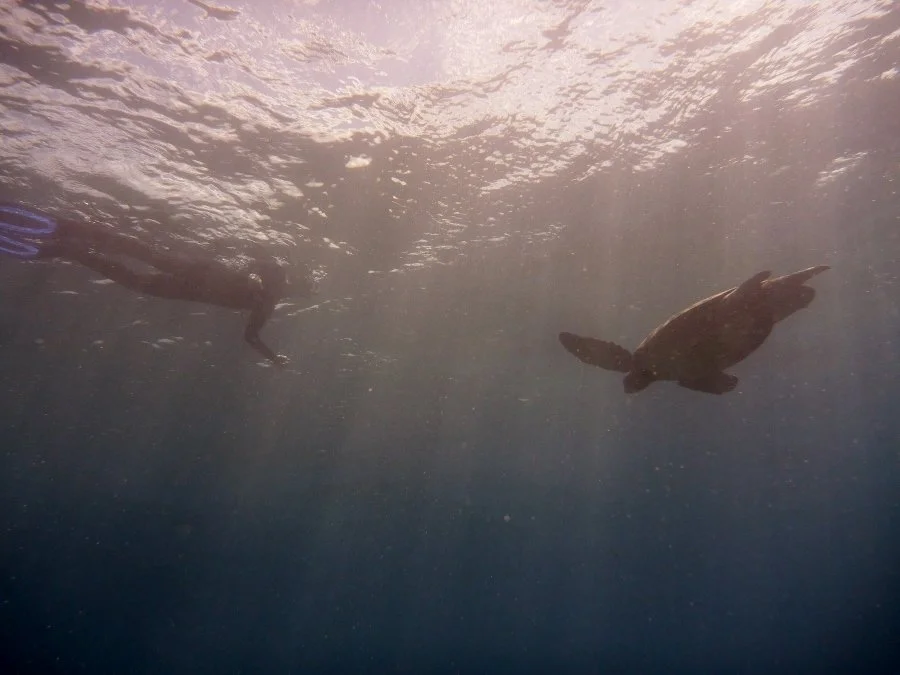
Maui, Hawaii
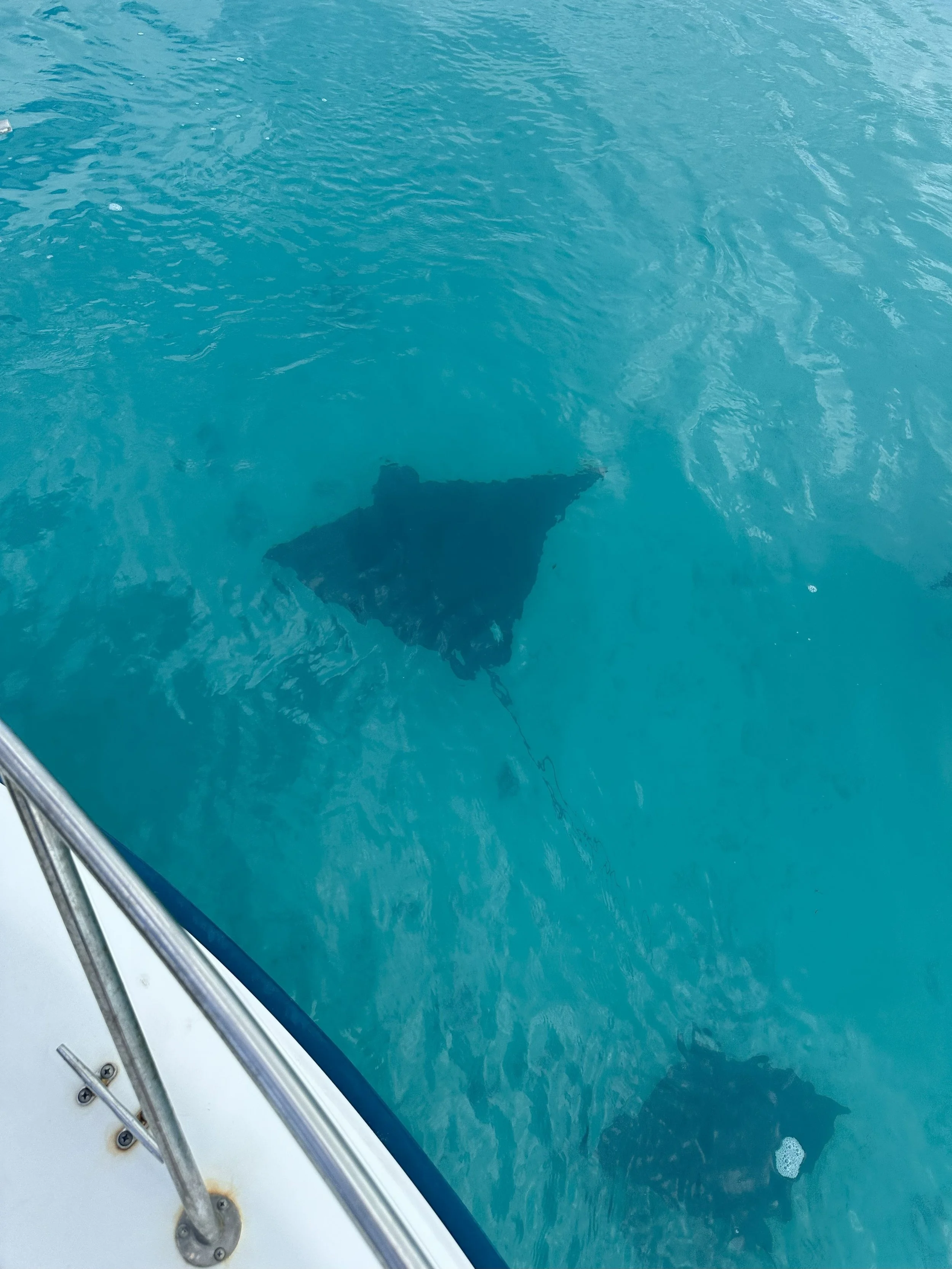
Spotted eagle ray
Long Island, Bahamas
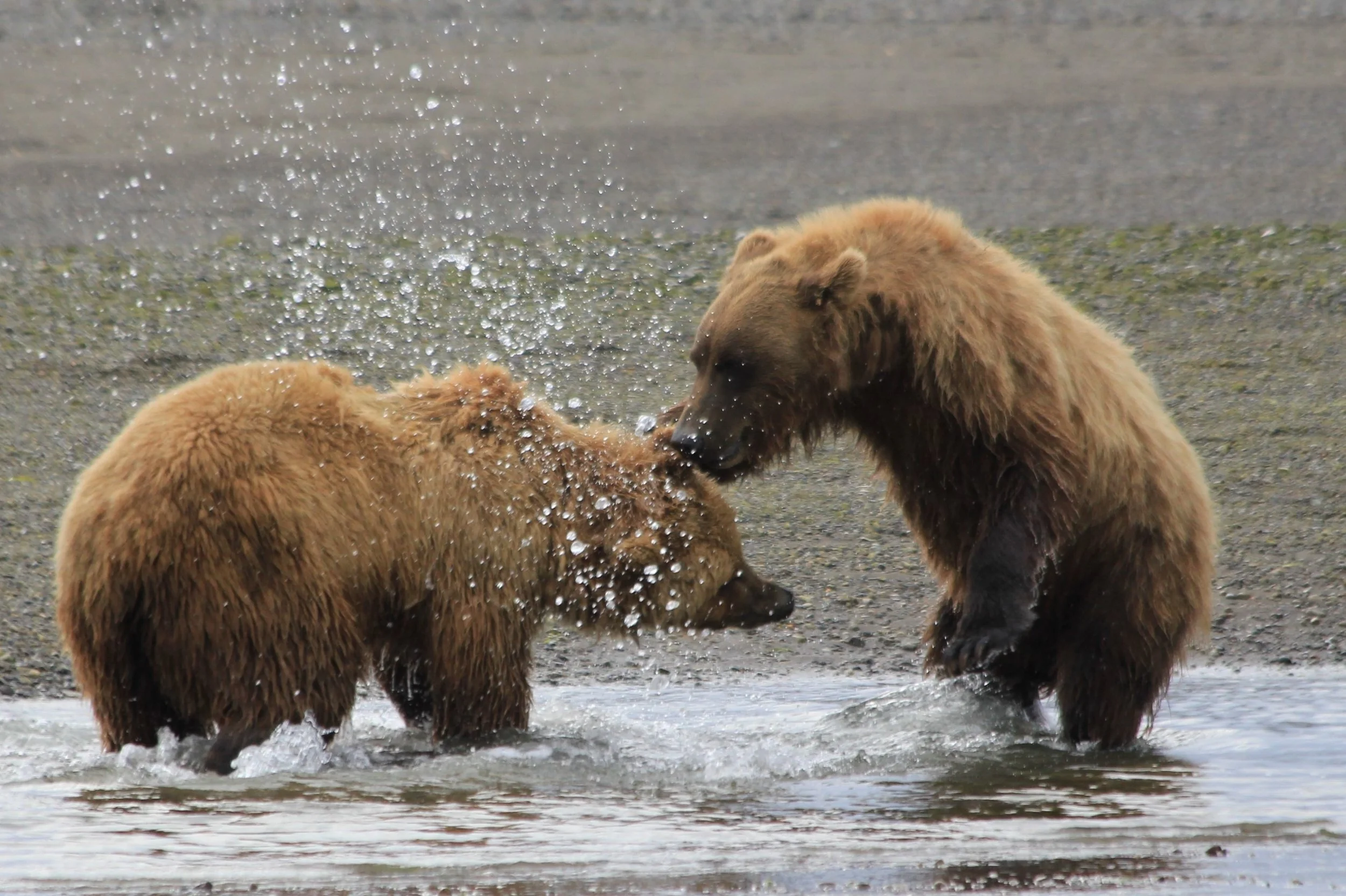
Brown bears, Lake Clark National Park, Alaska
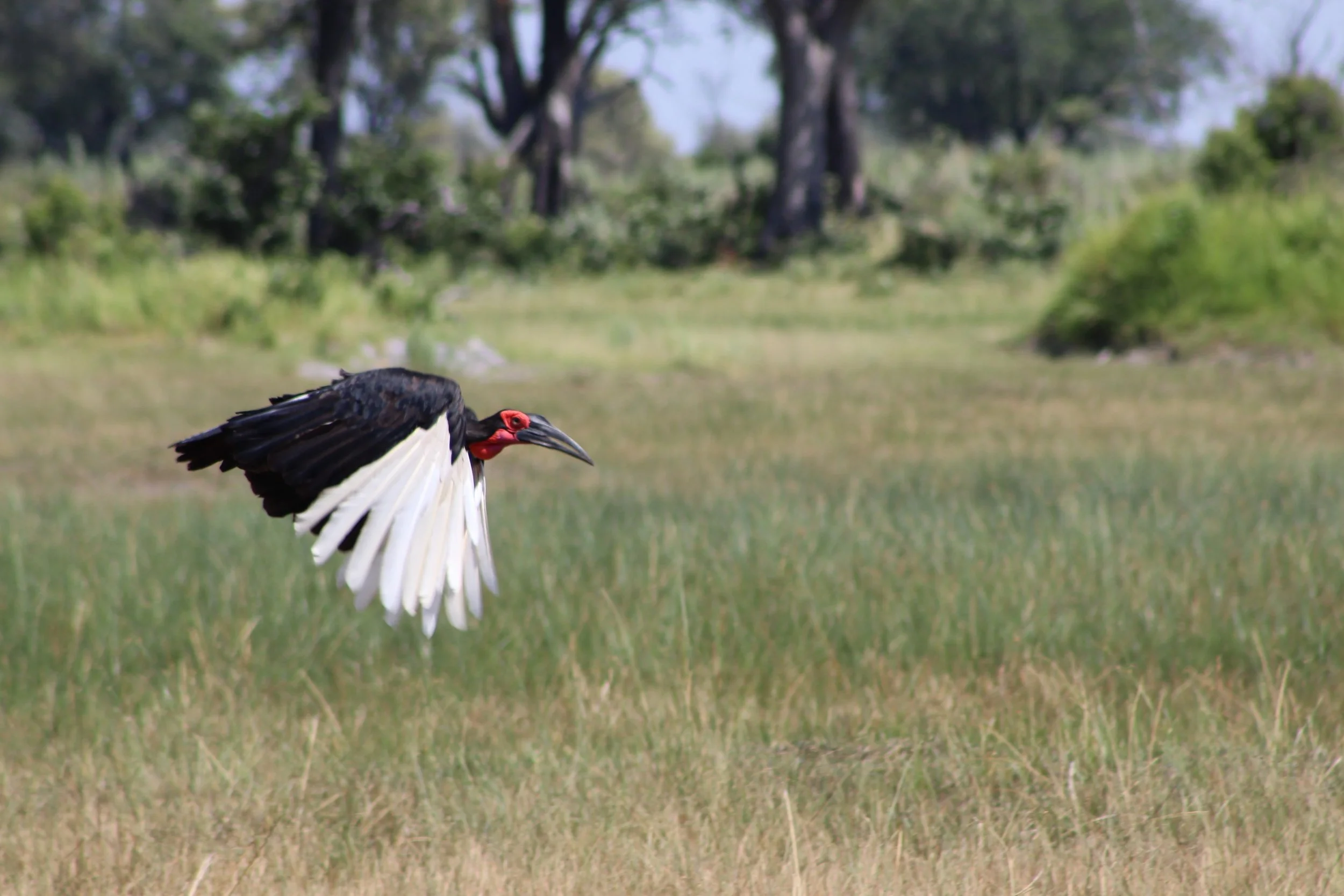
Southern ground hornbill, South Africa
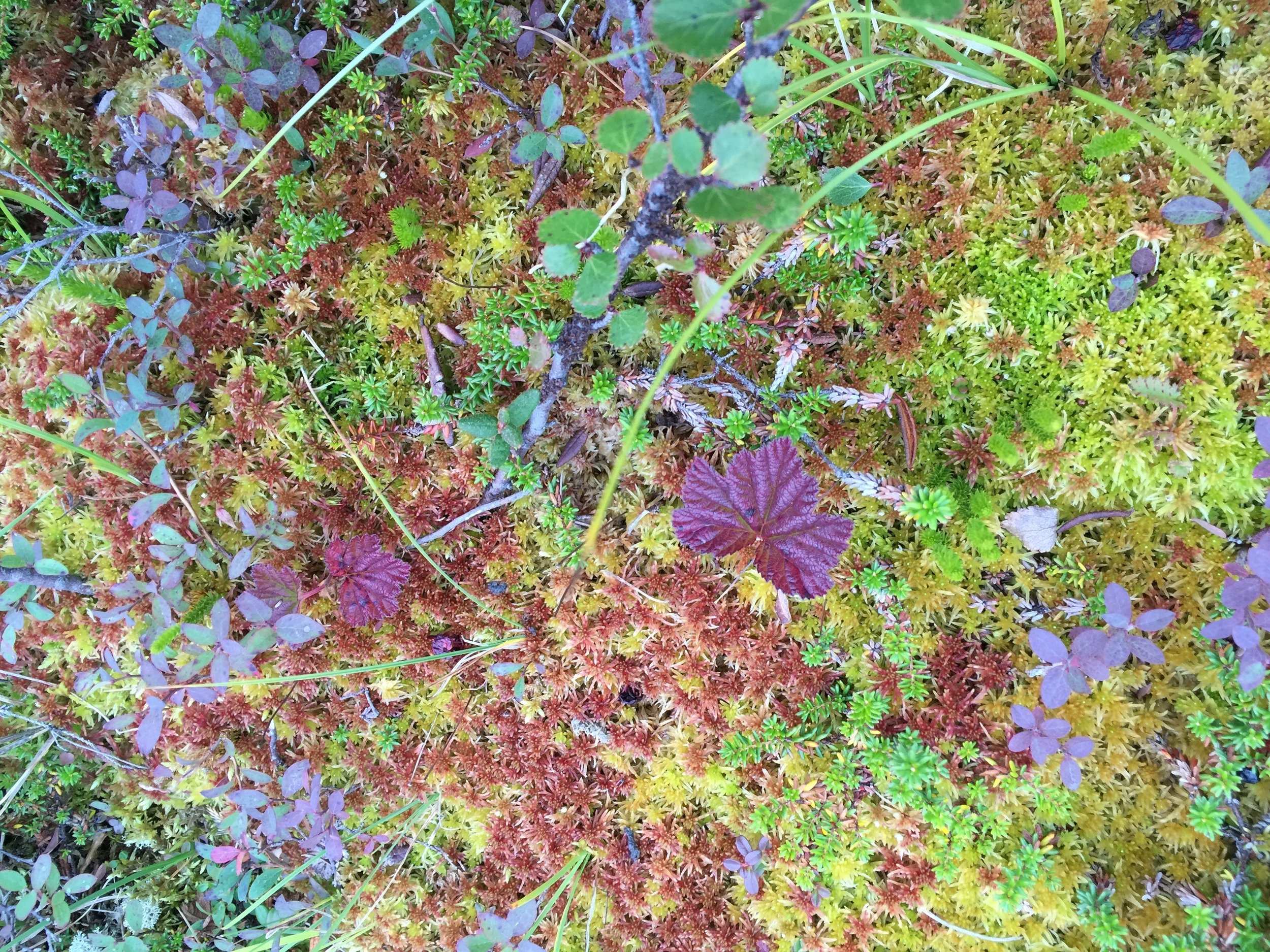
Ground cover, Northern Quebec
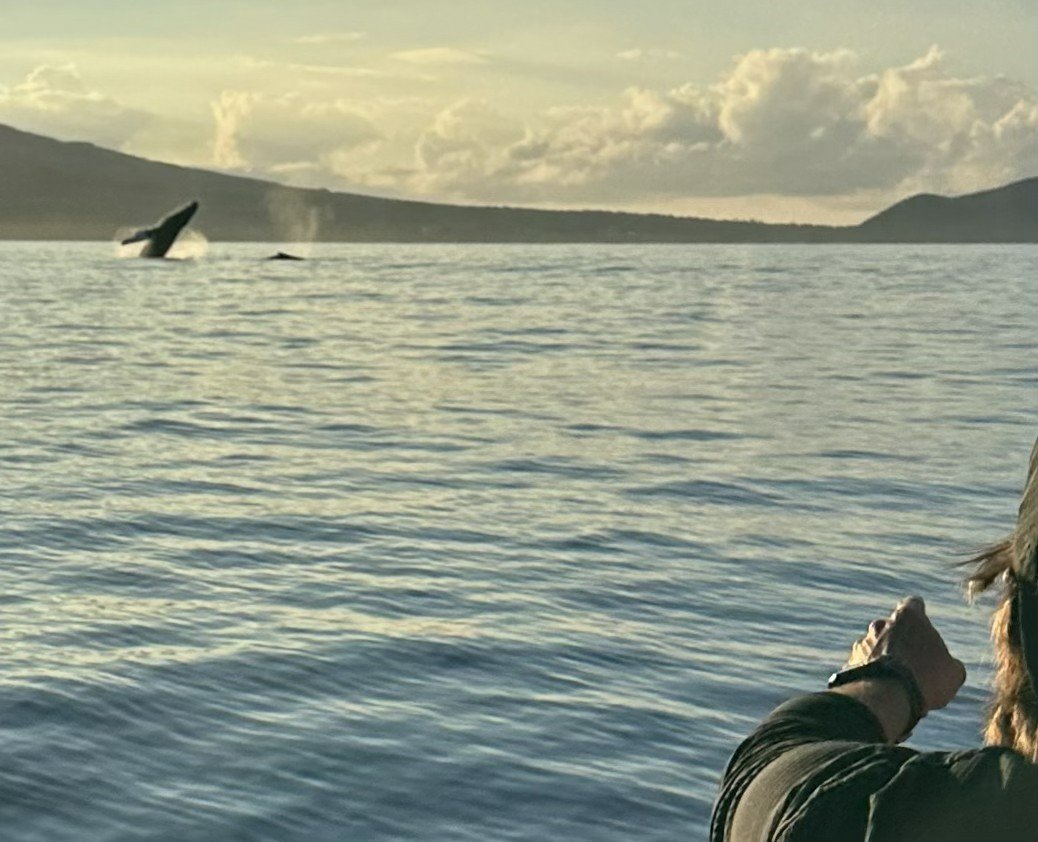
Humpback whale breaching
Maui
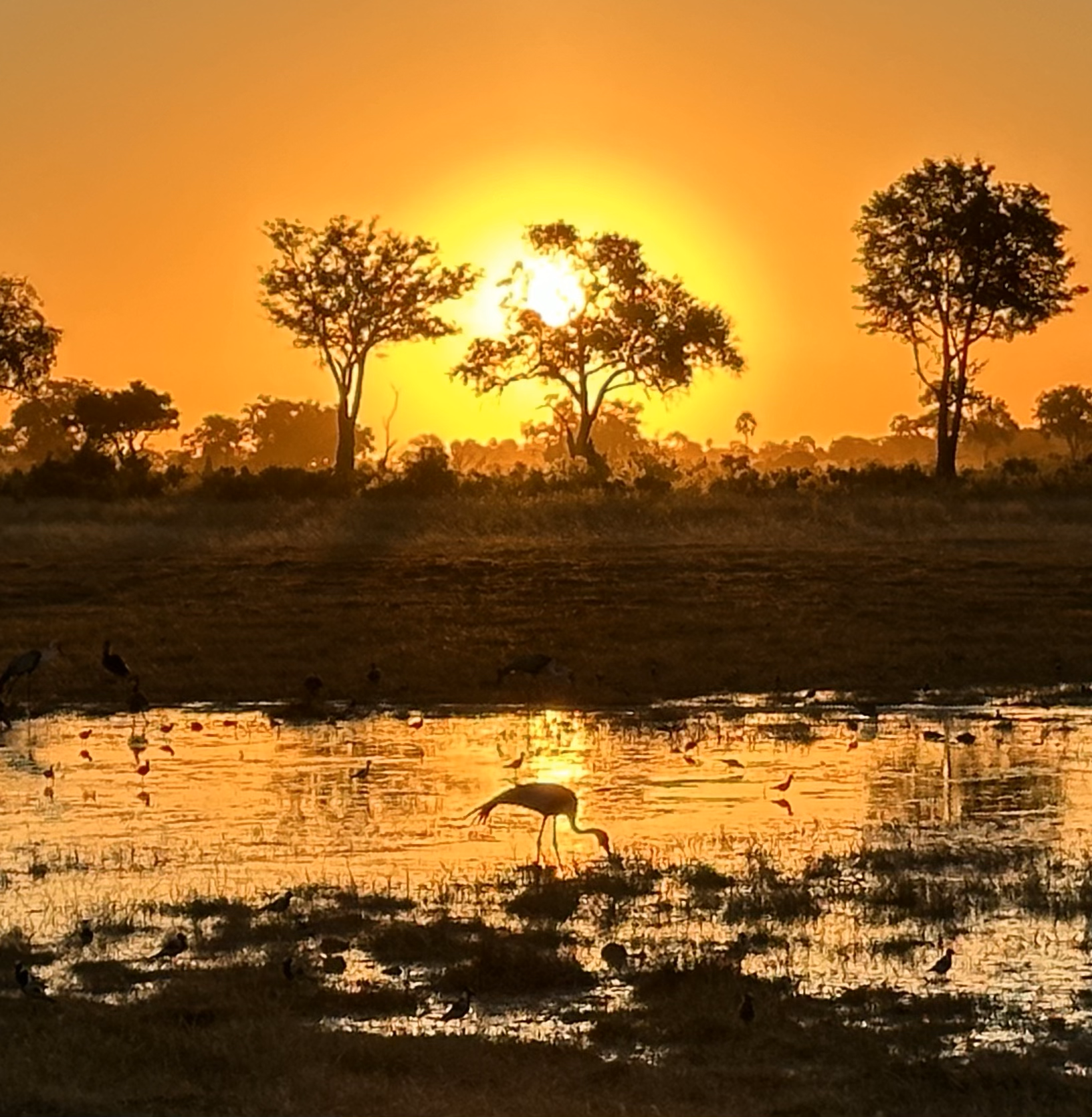
Wattled crane, Okavango Delta, Botswana
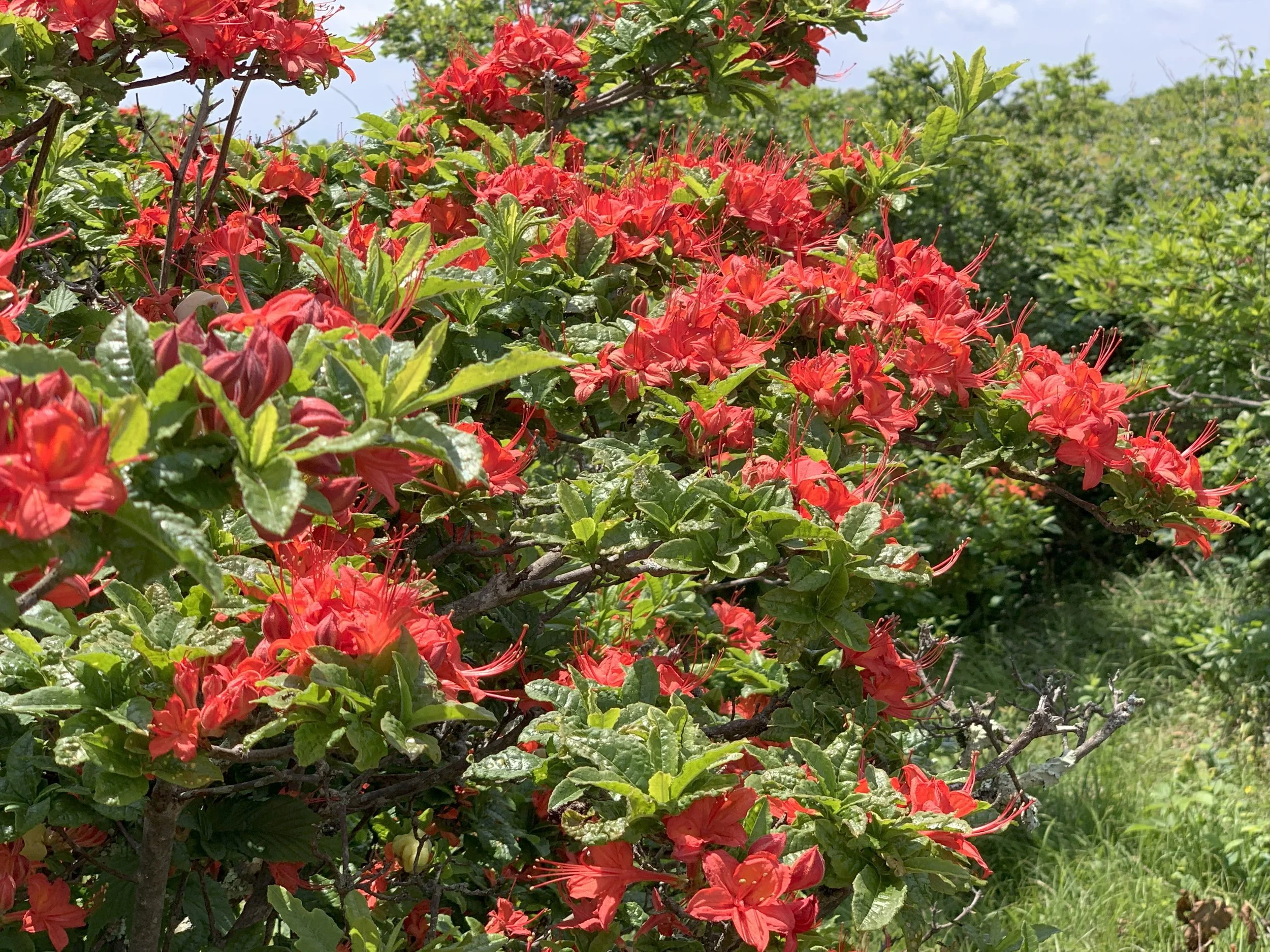
Great Smoky Mountains National Park, Tennessee
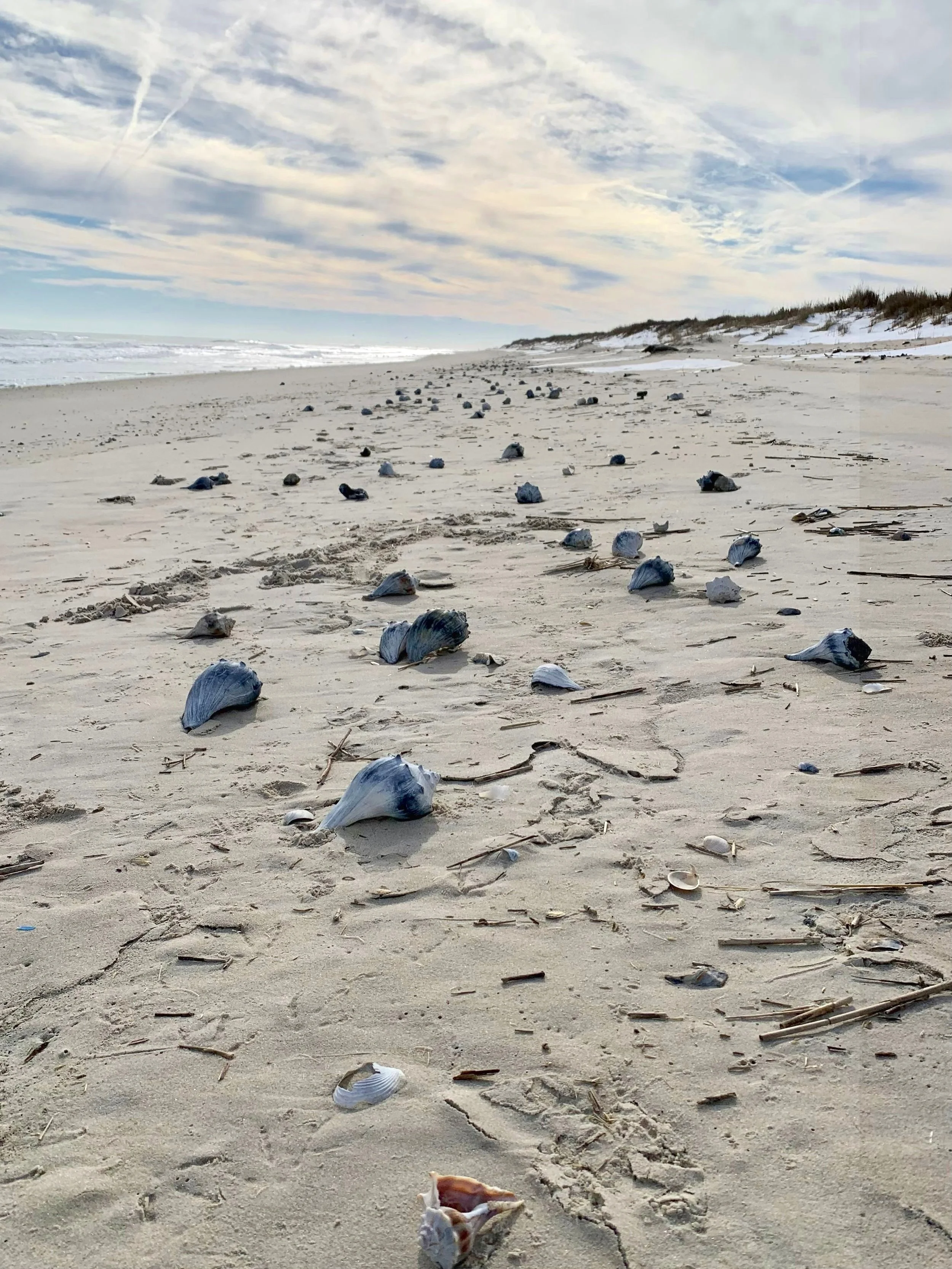
Hundreds of knobbed whelk after a winter storm on Assateague Island, Virginia
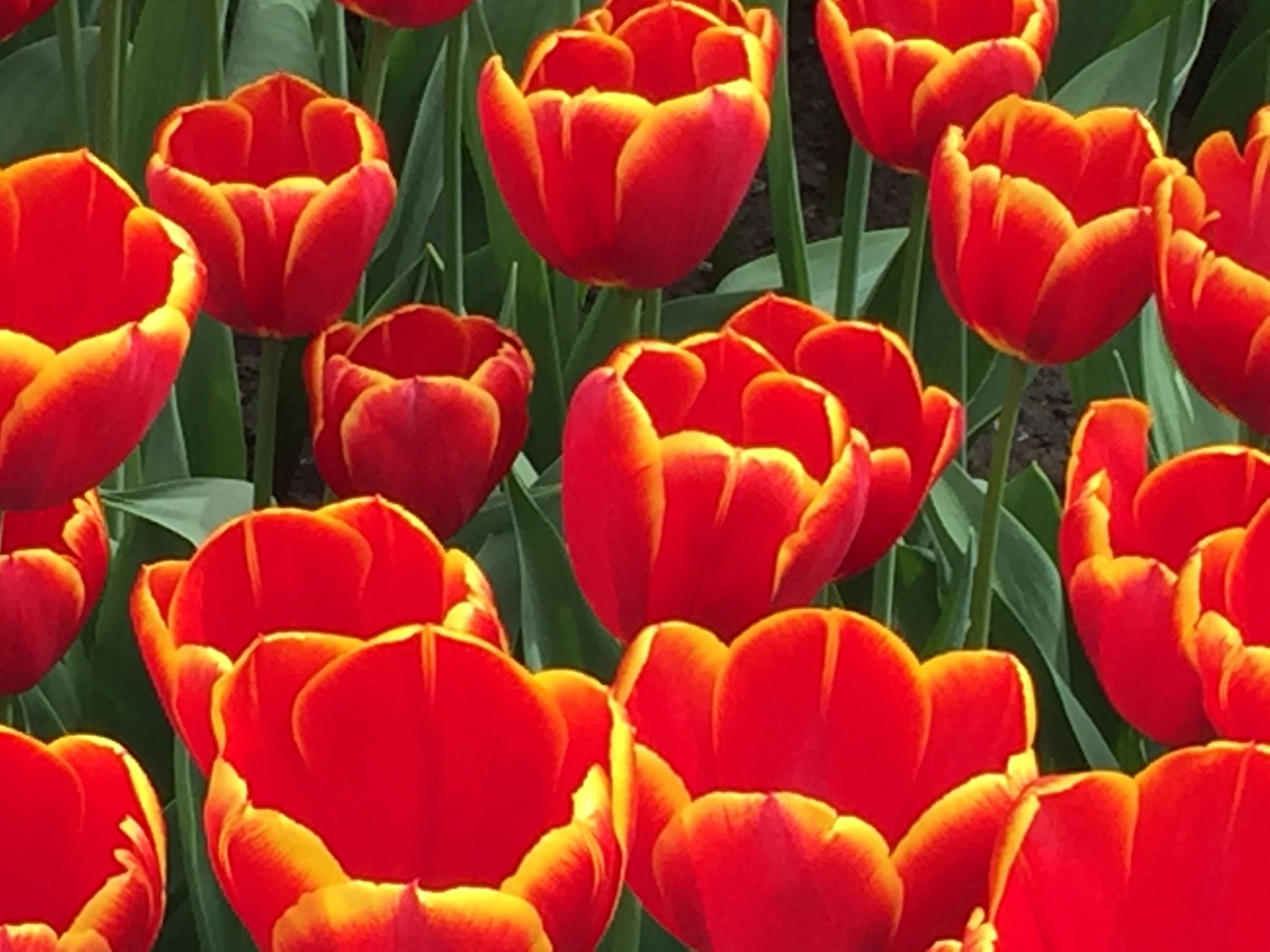
Keukenhof Gardens, Lisse, Netherlands
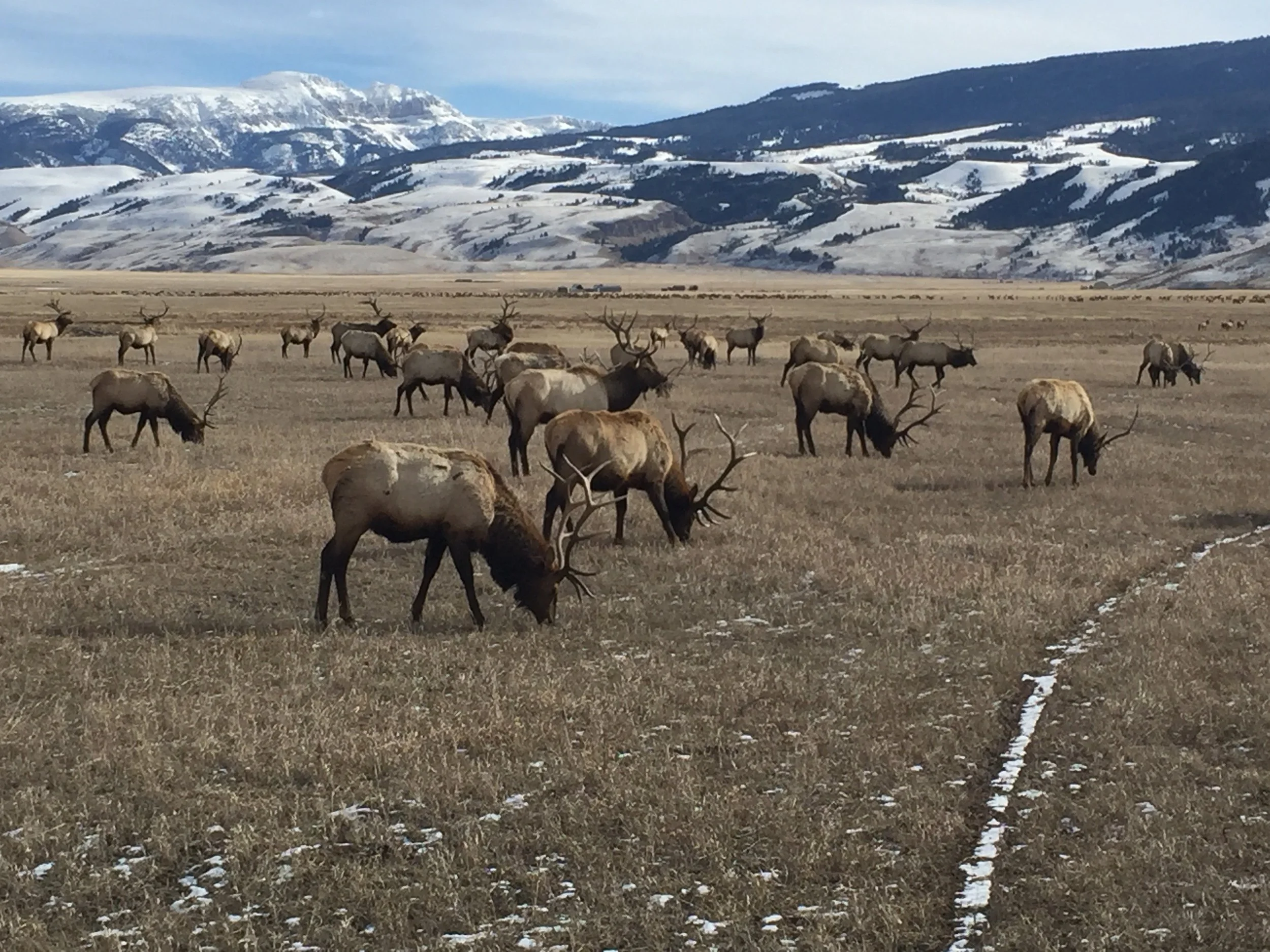
National Elk Refuge, Jackson, Wyoming
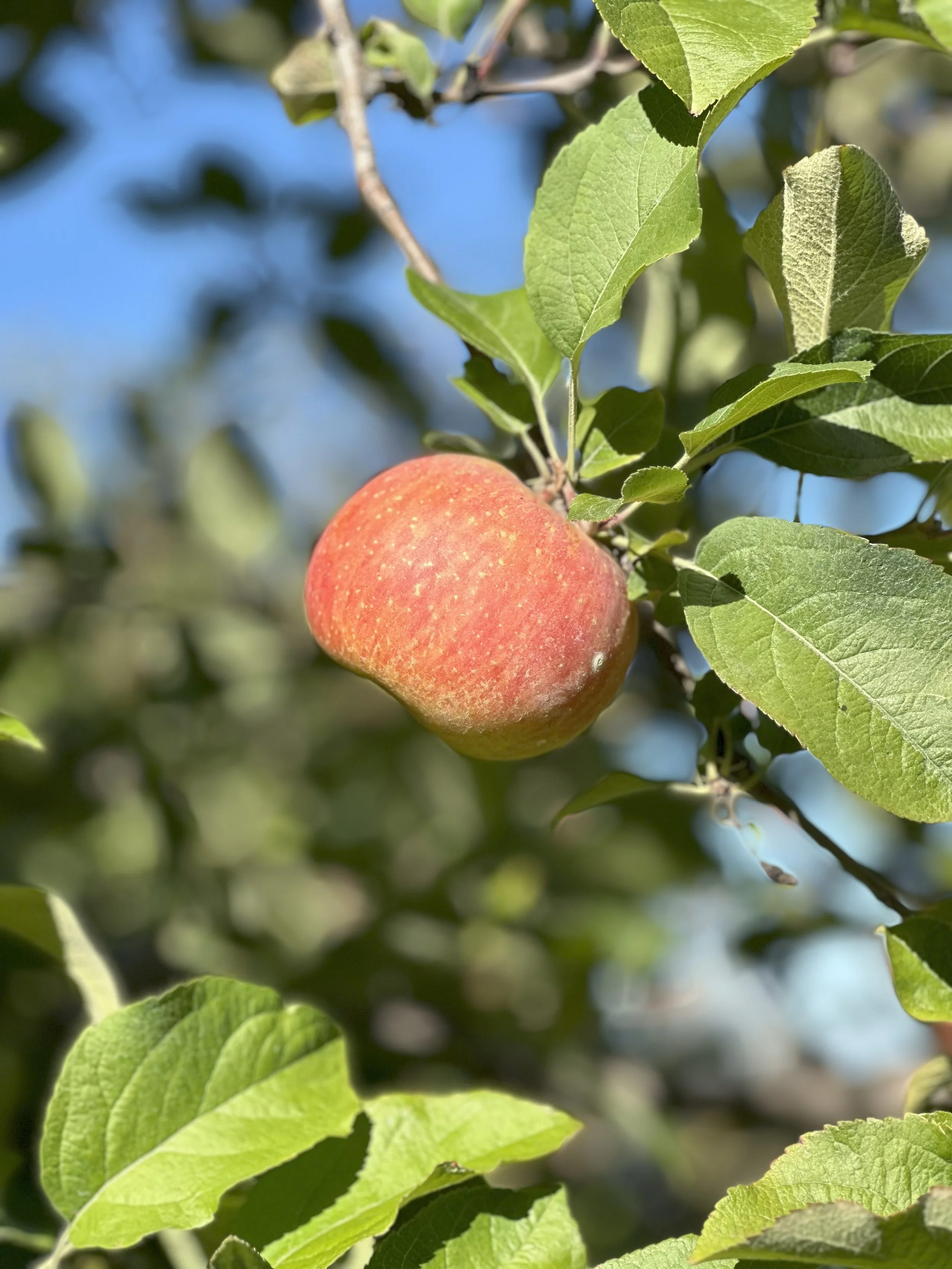
Shenandoah Valley, Virginia
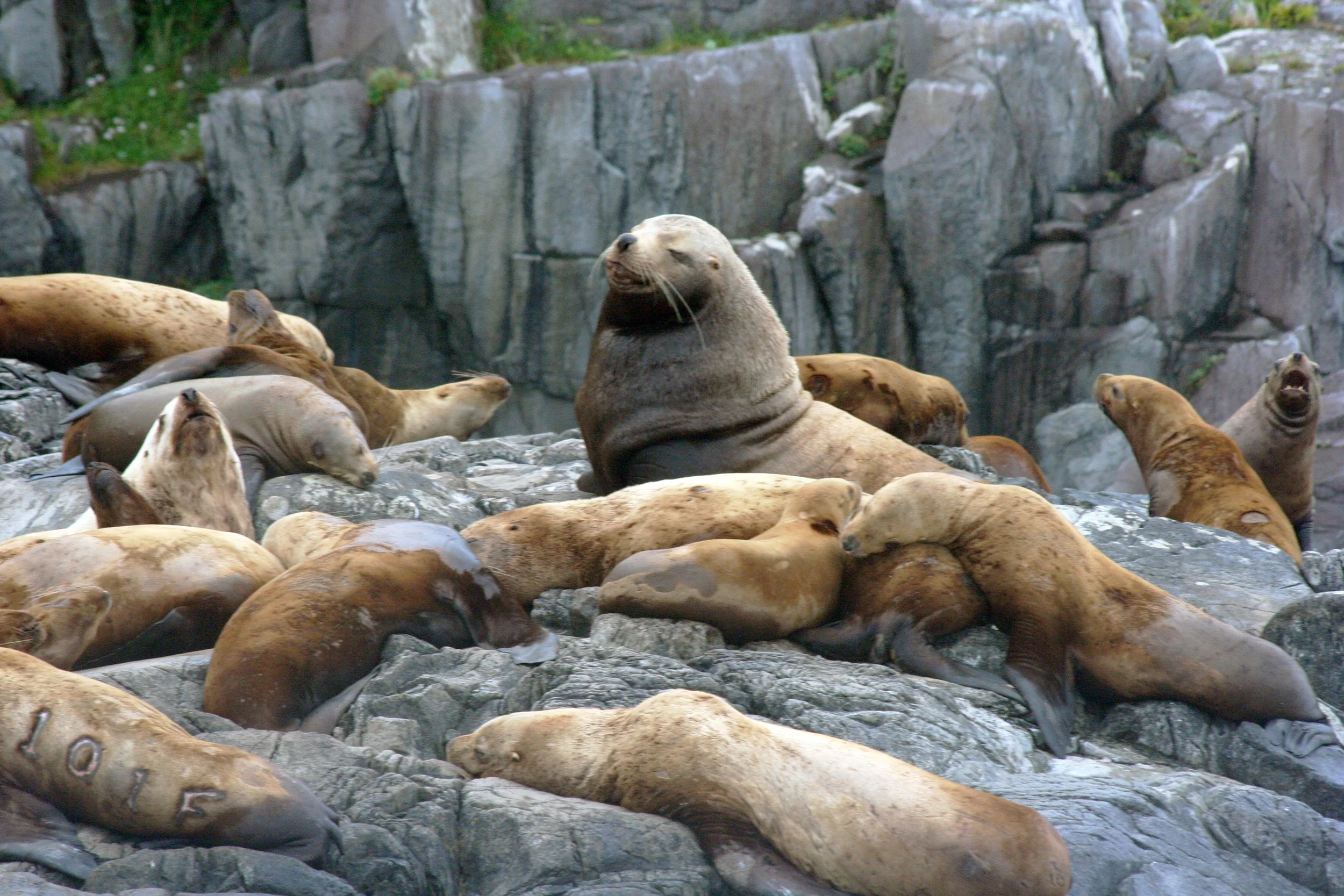
Steller sea lions, Haida Gwaii, British Columbia
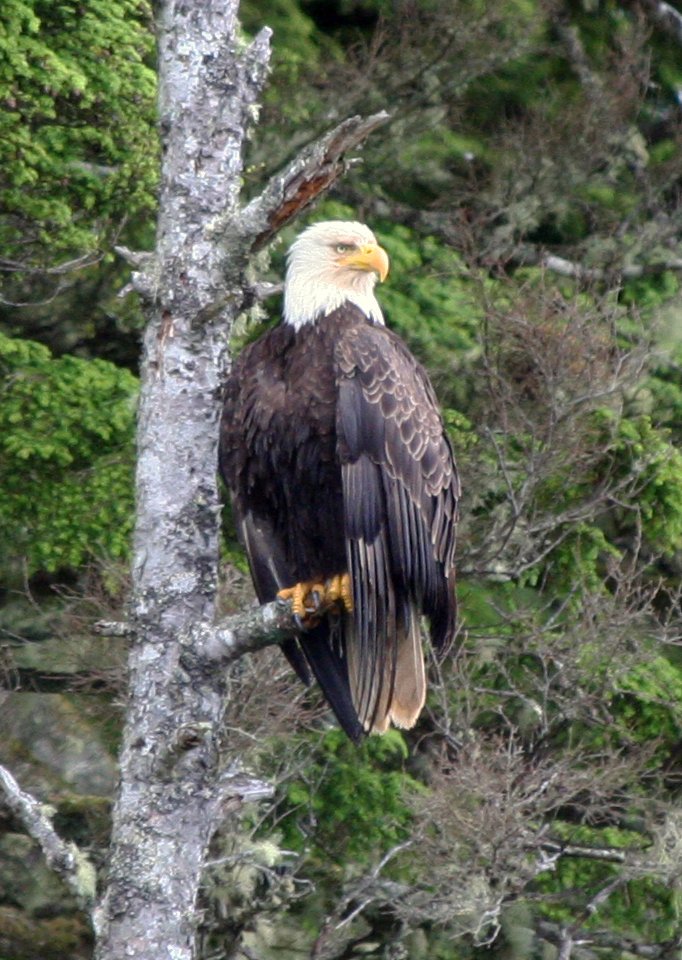
Bald eagle, Haida Gwaii,
British Columbia
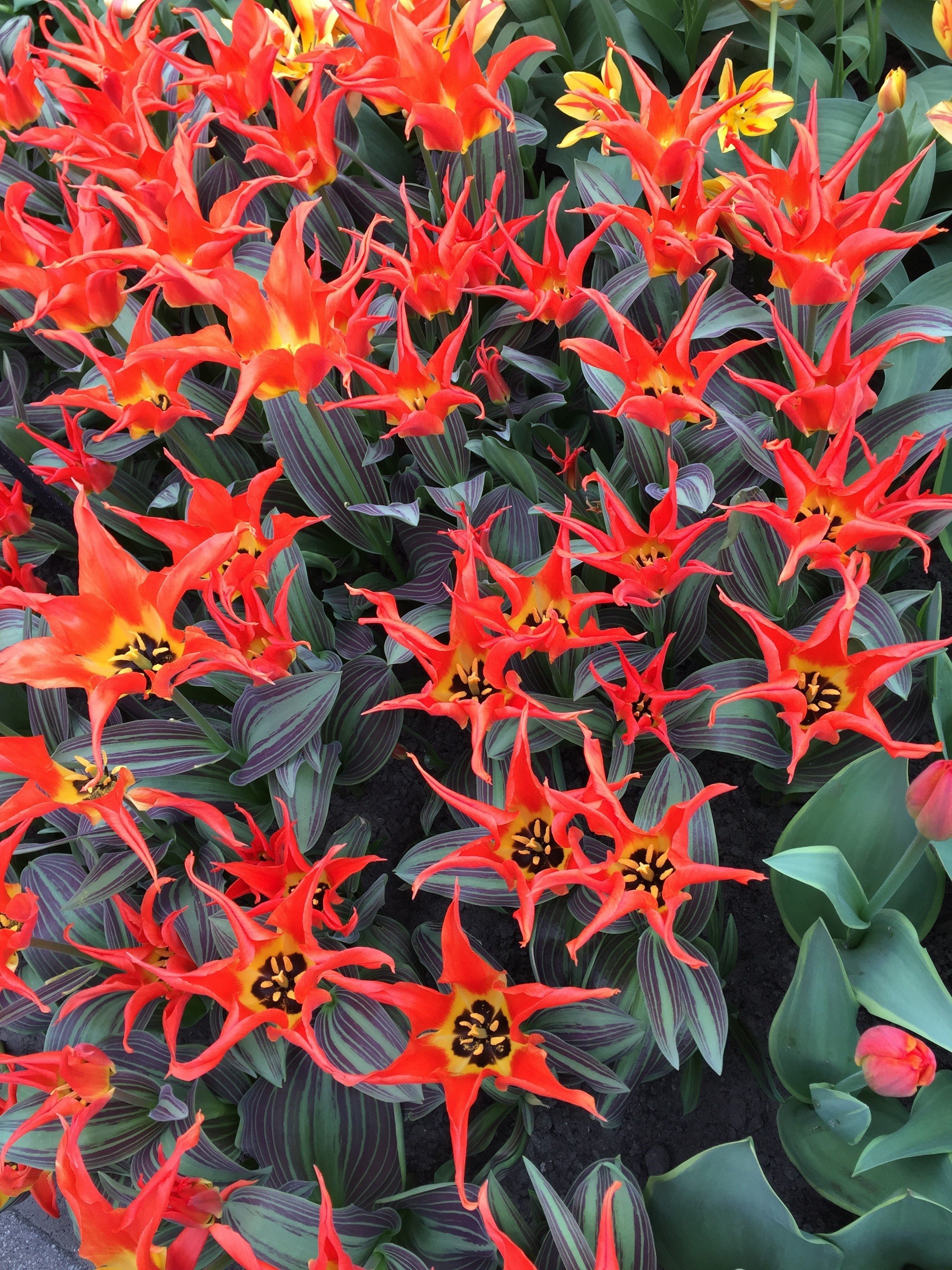
Red and yellow tulips
Africa
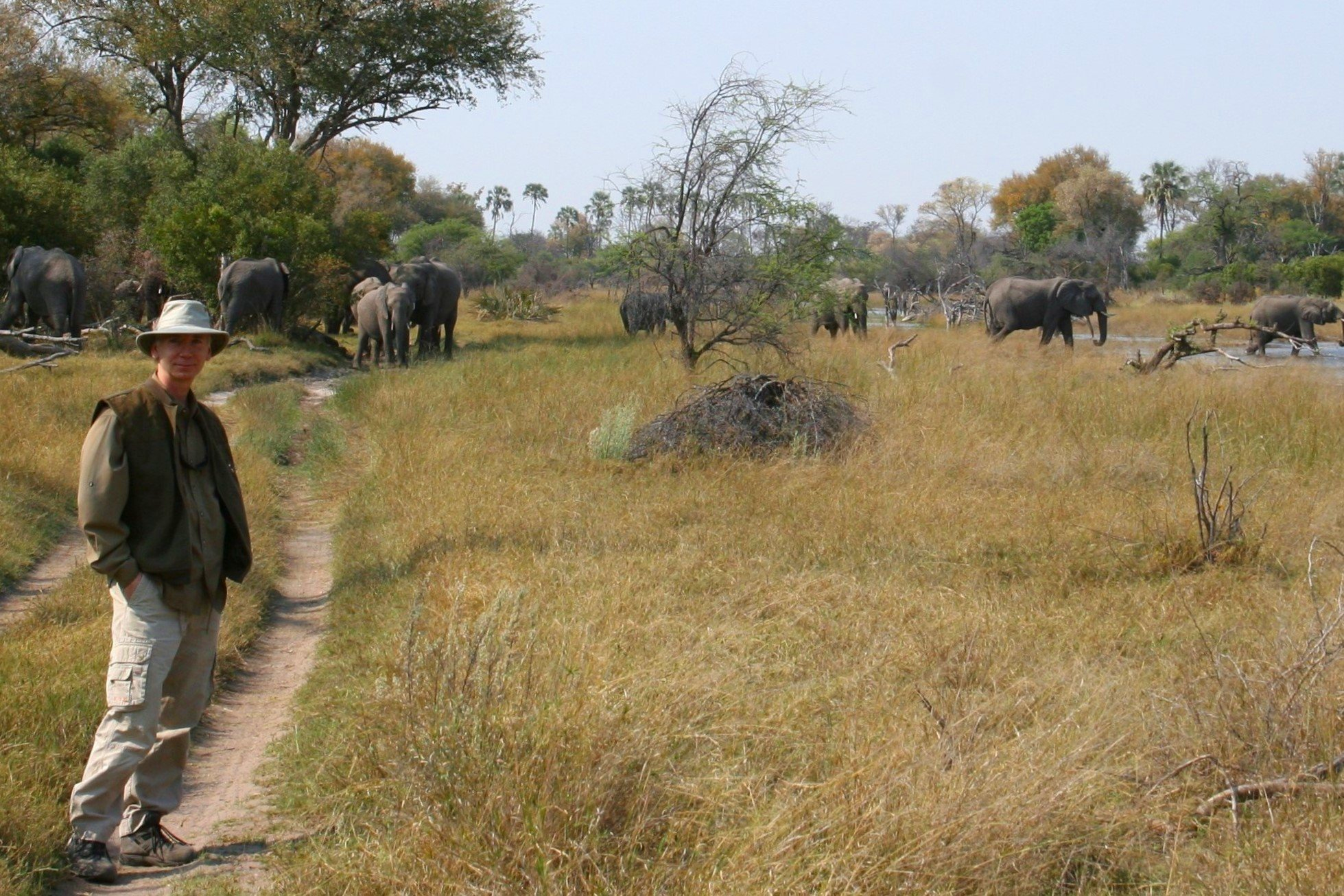
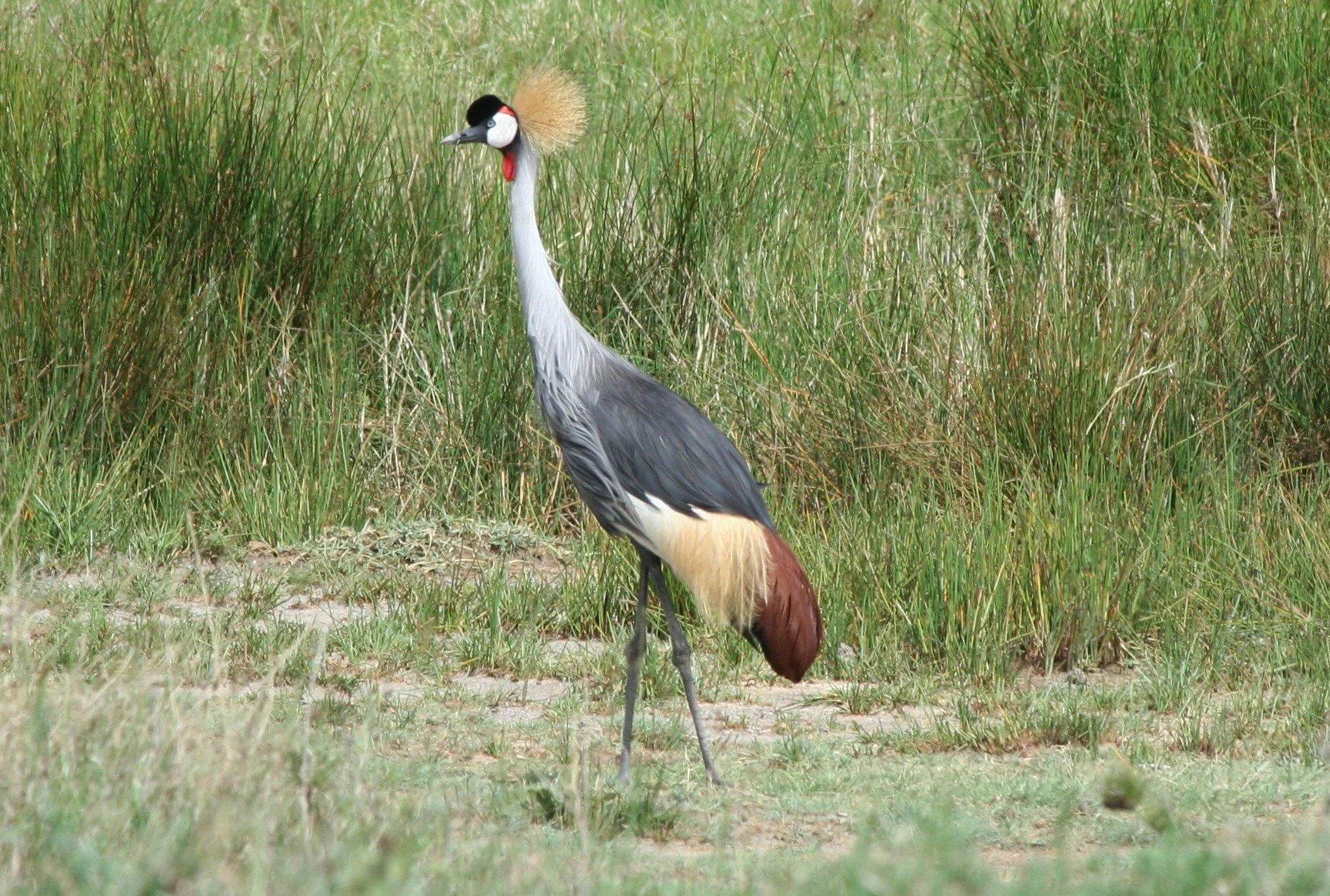
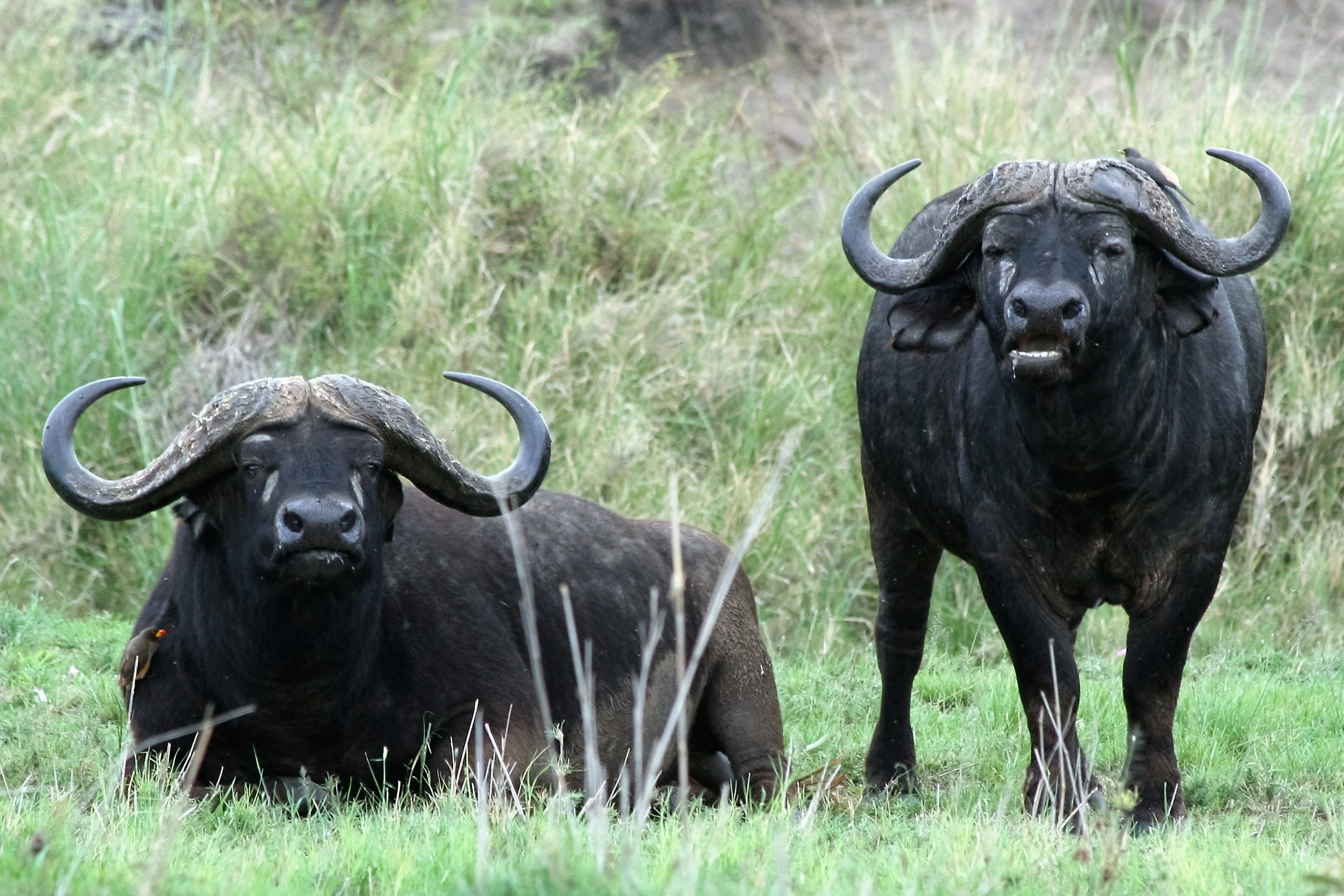
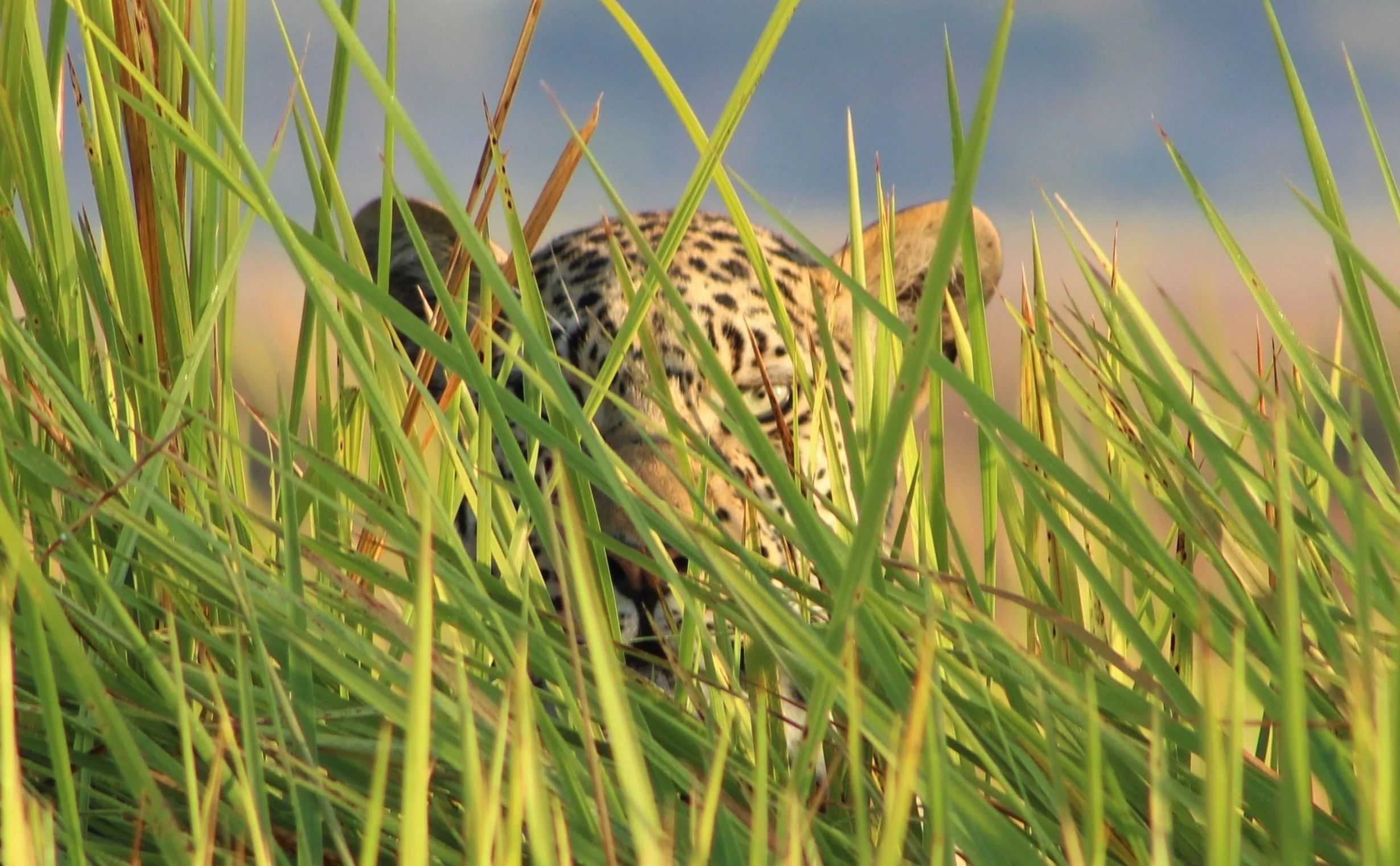
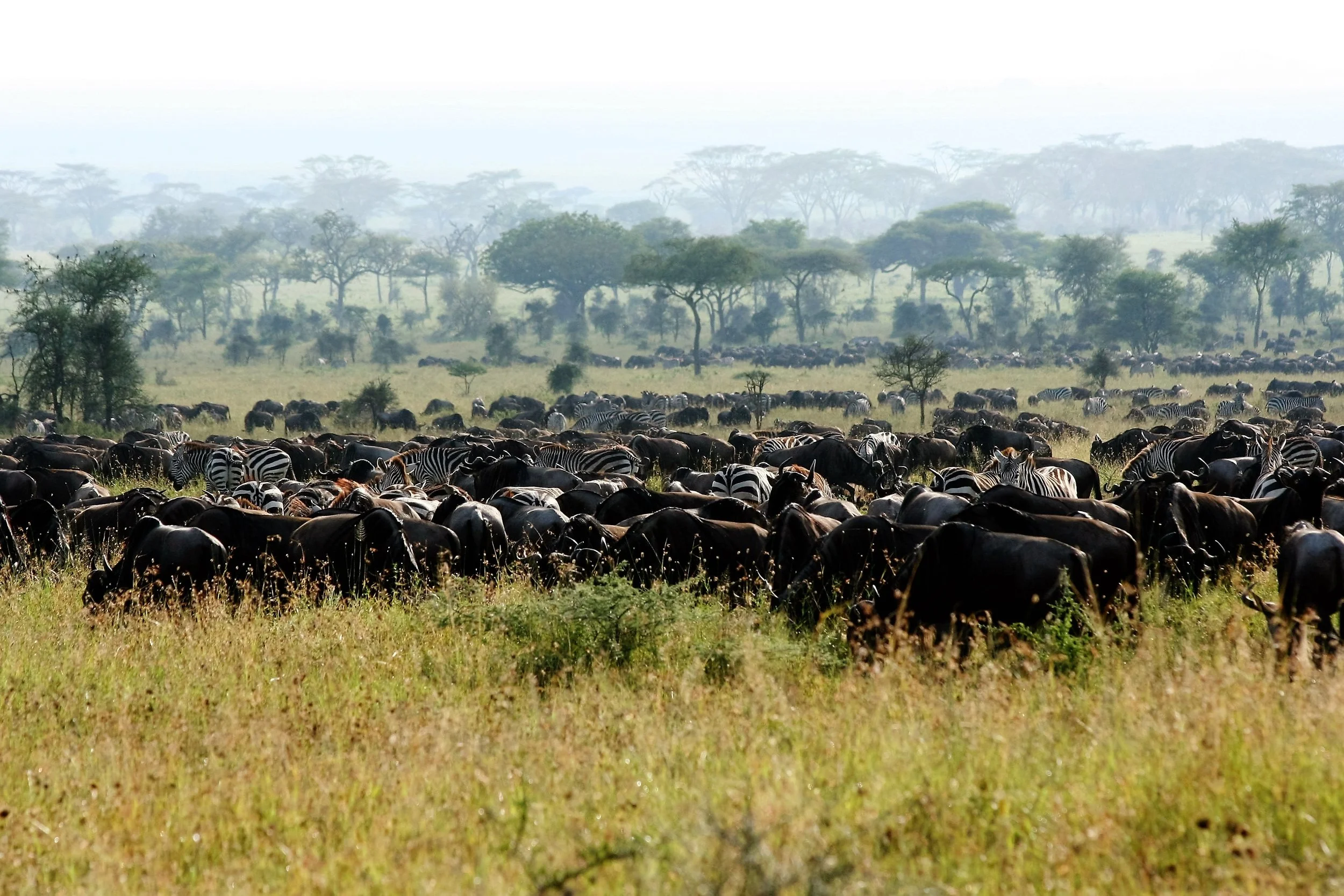
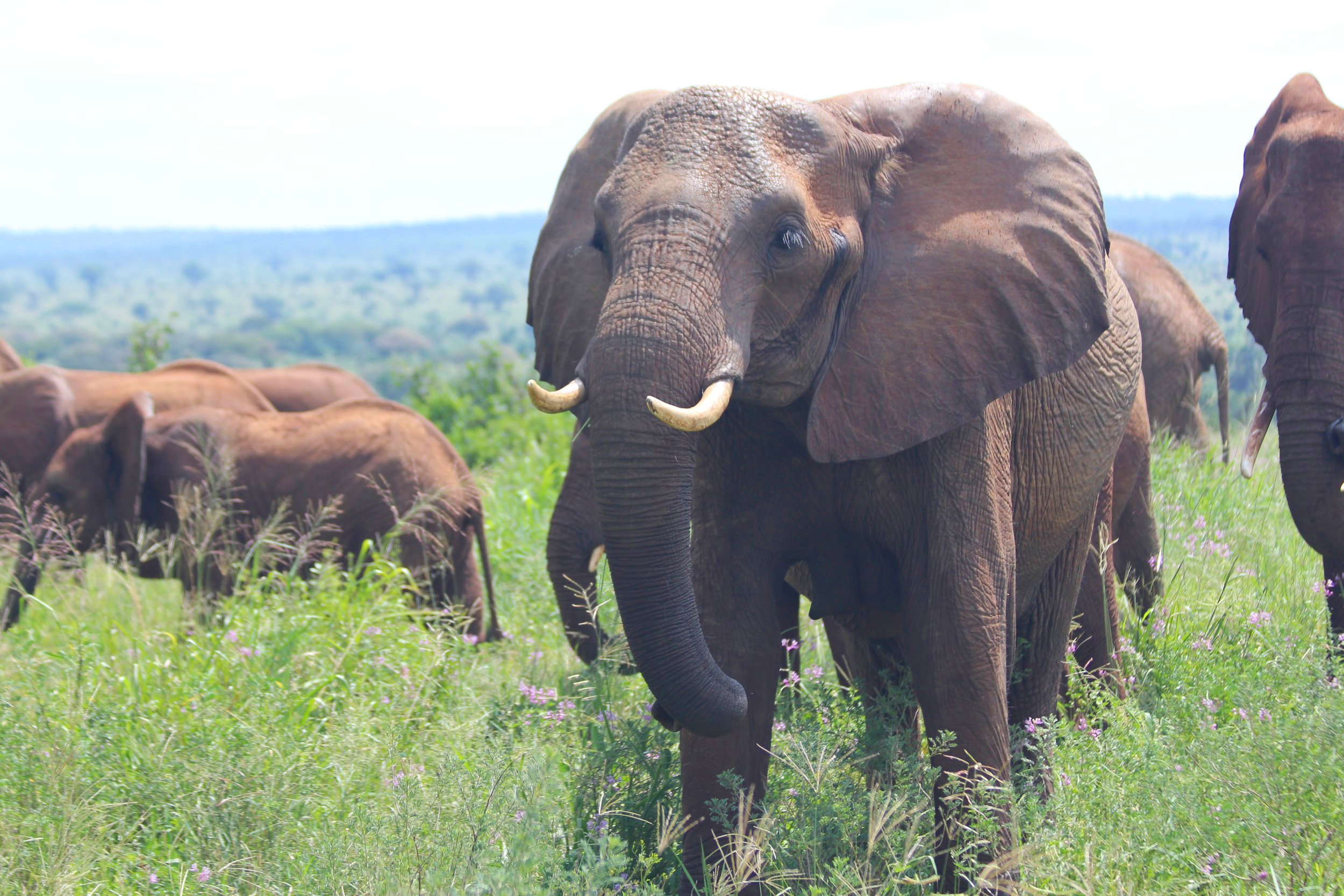
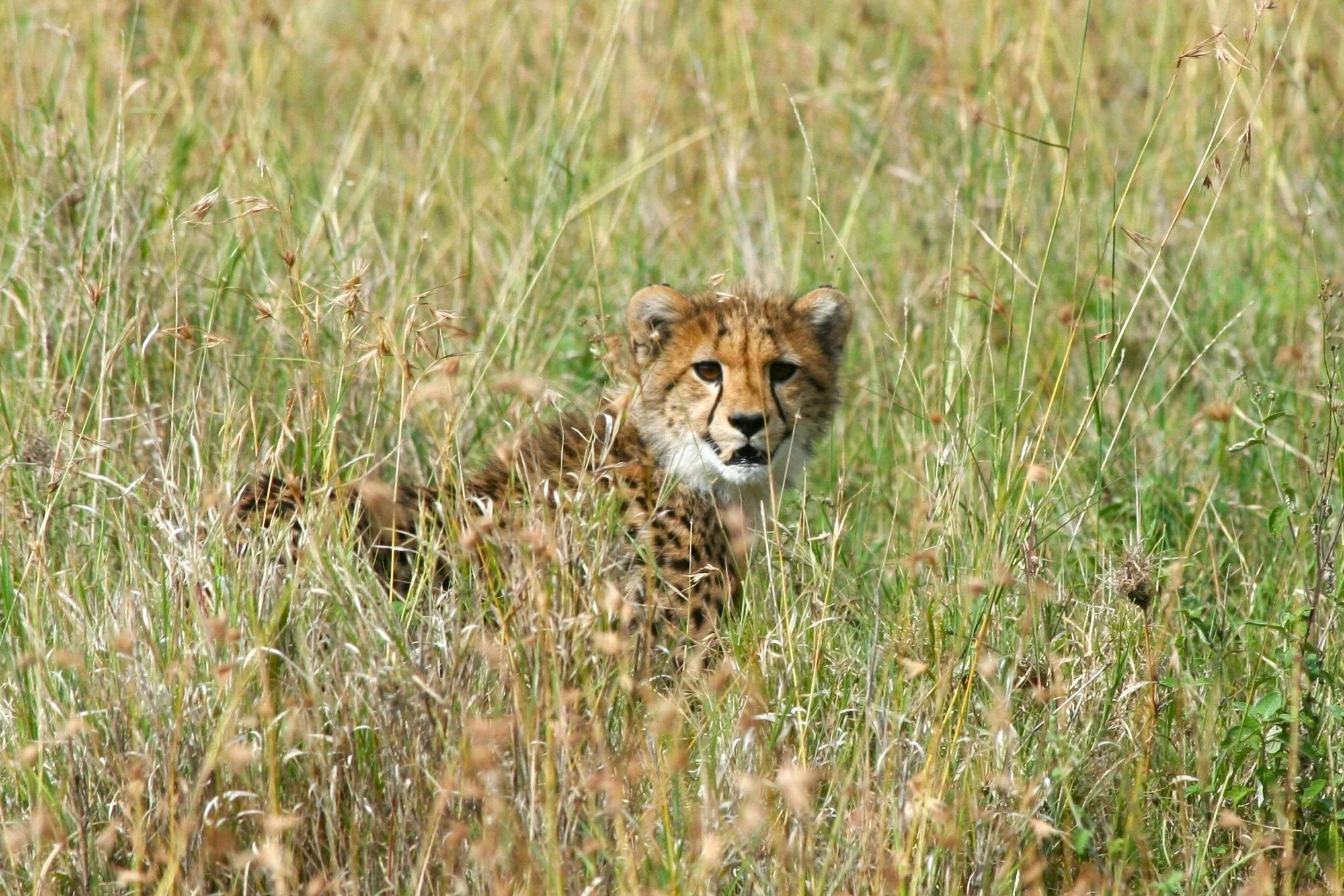
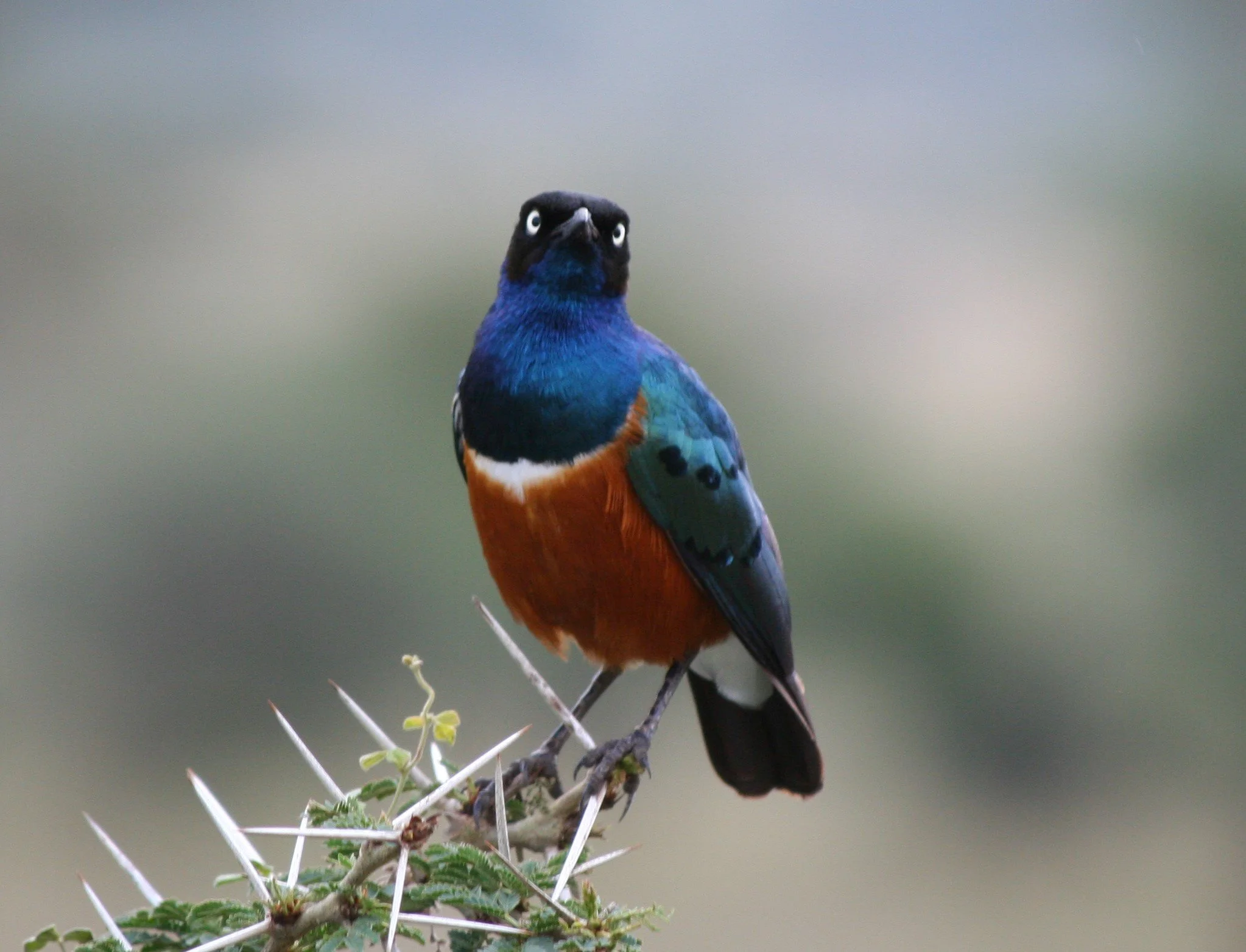
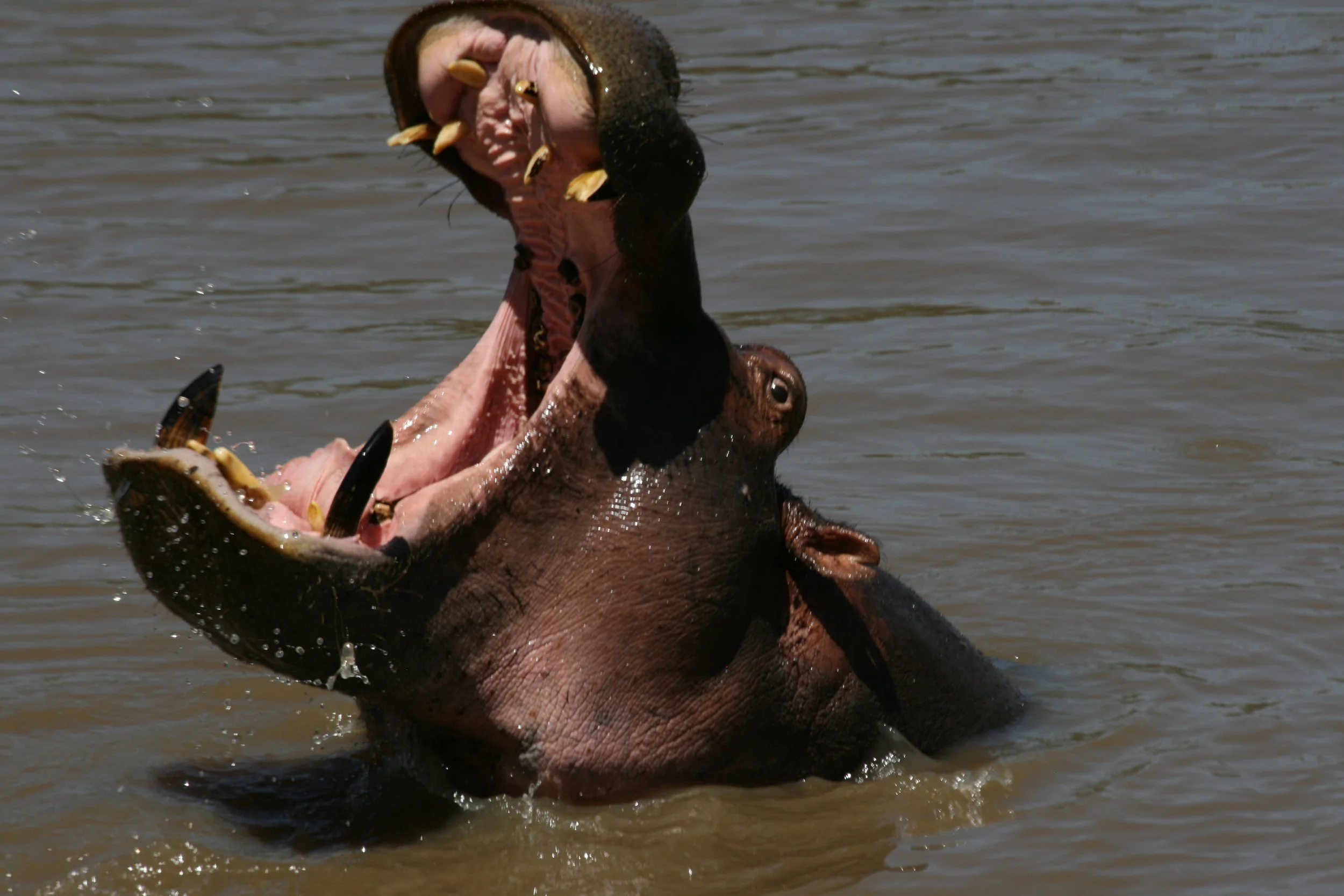
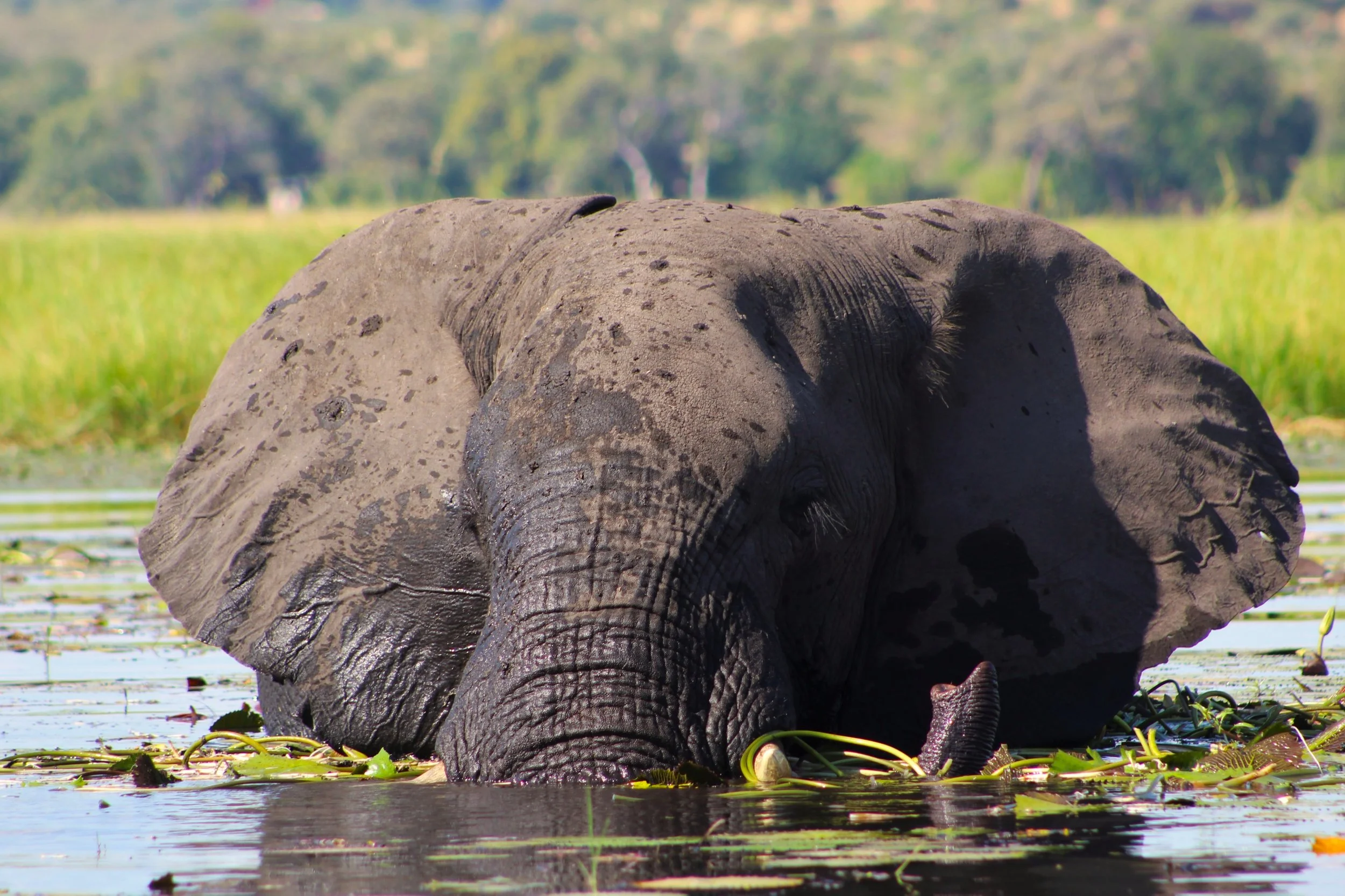
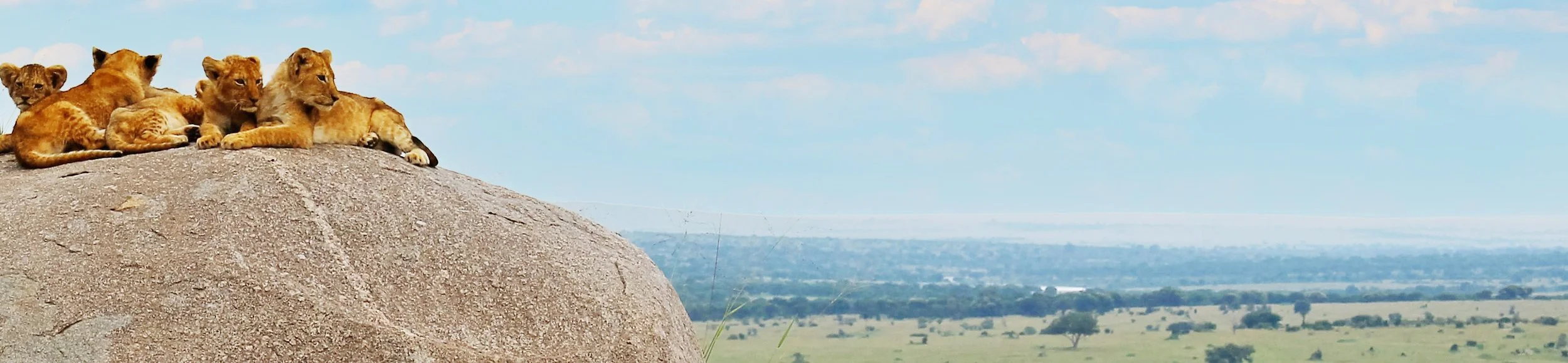
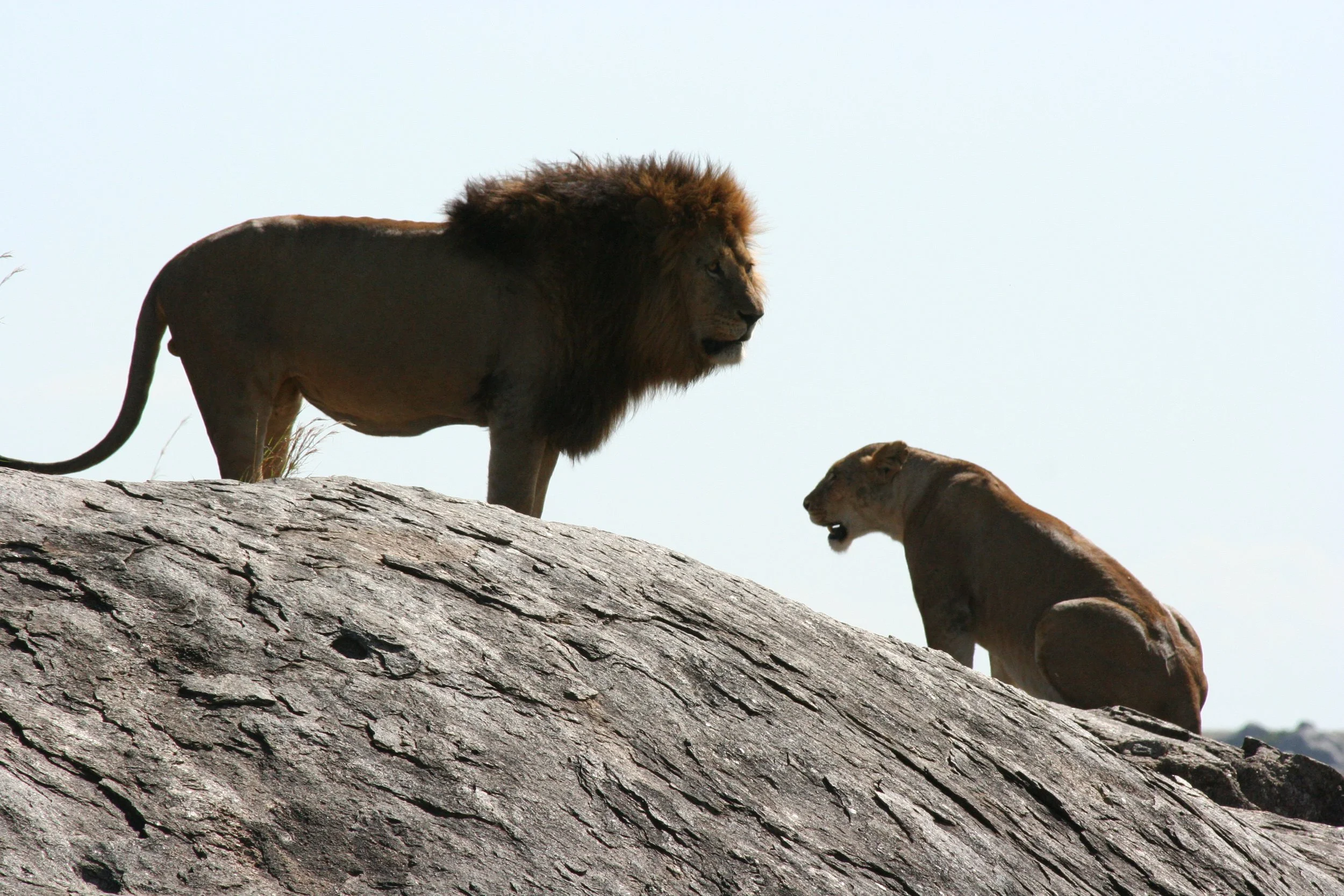
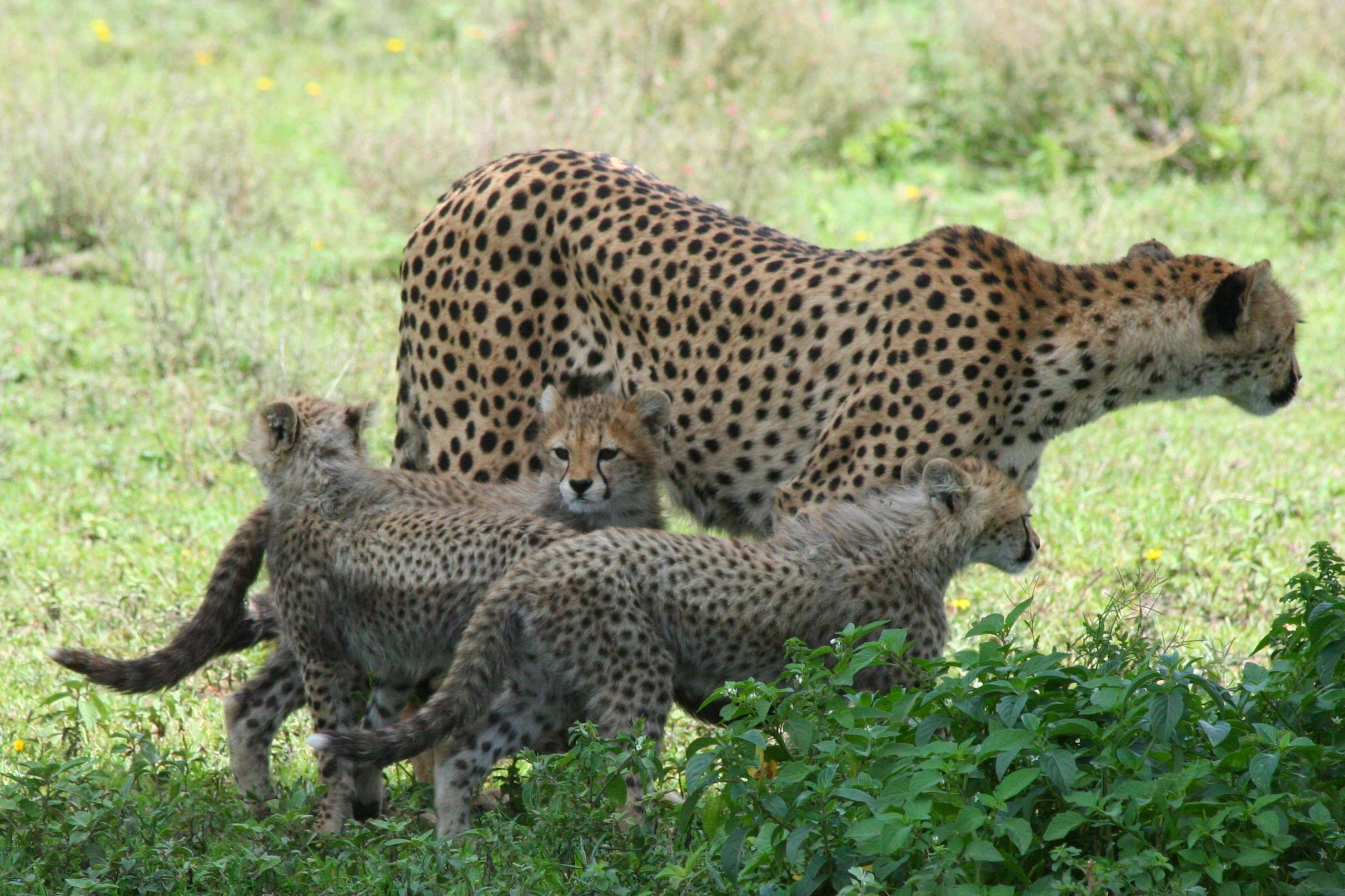
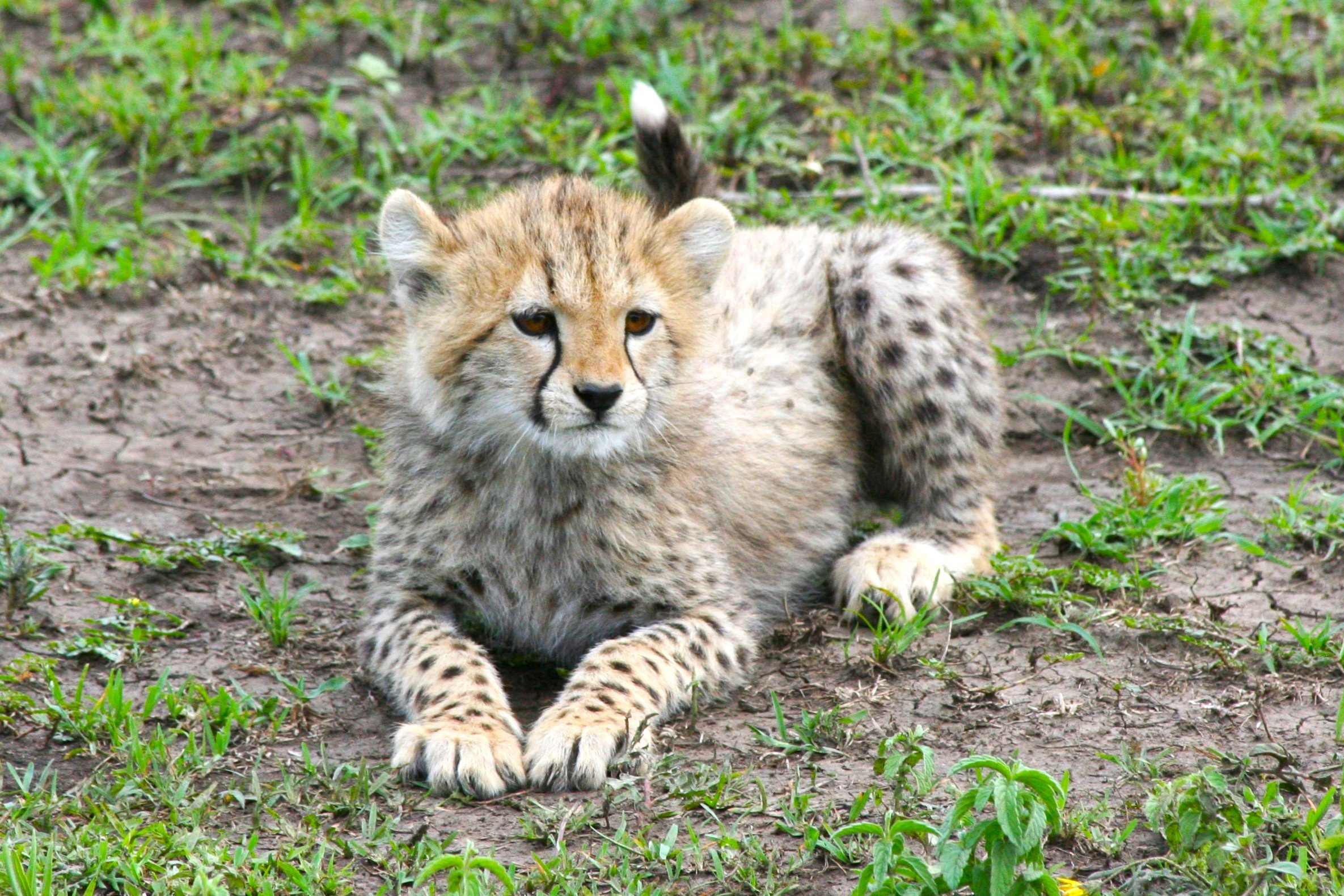
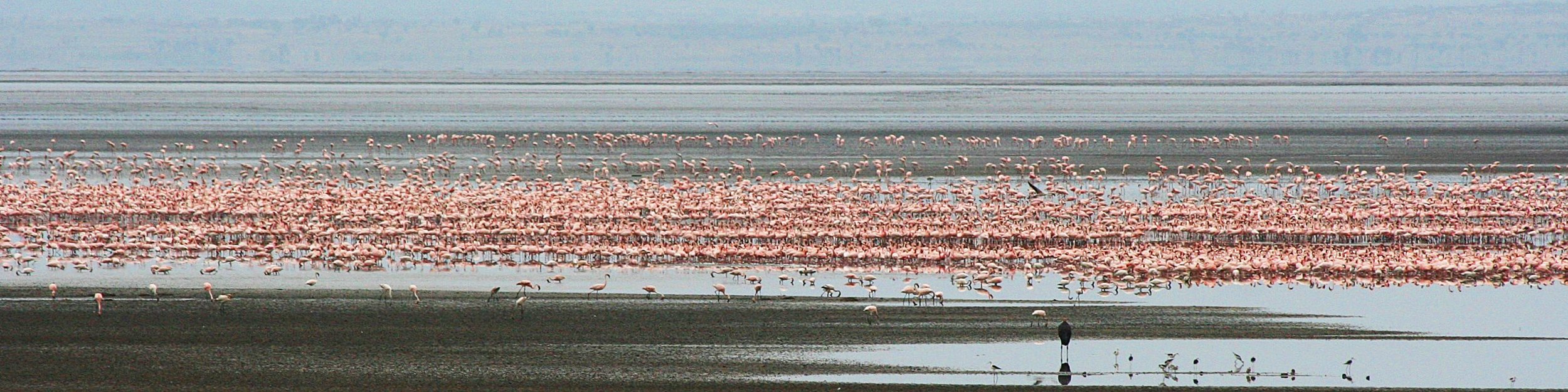
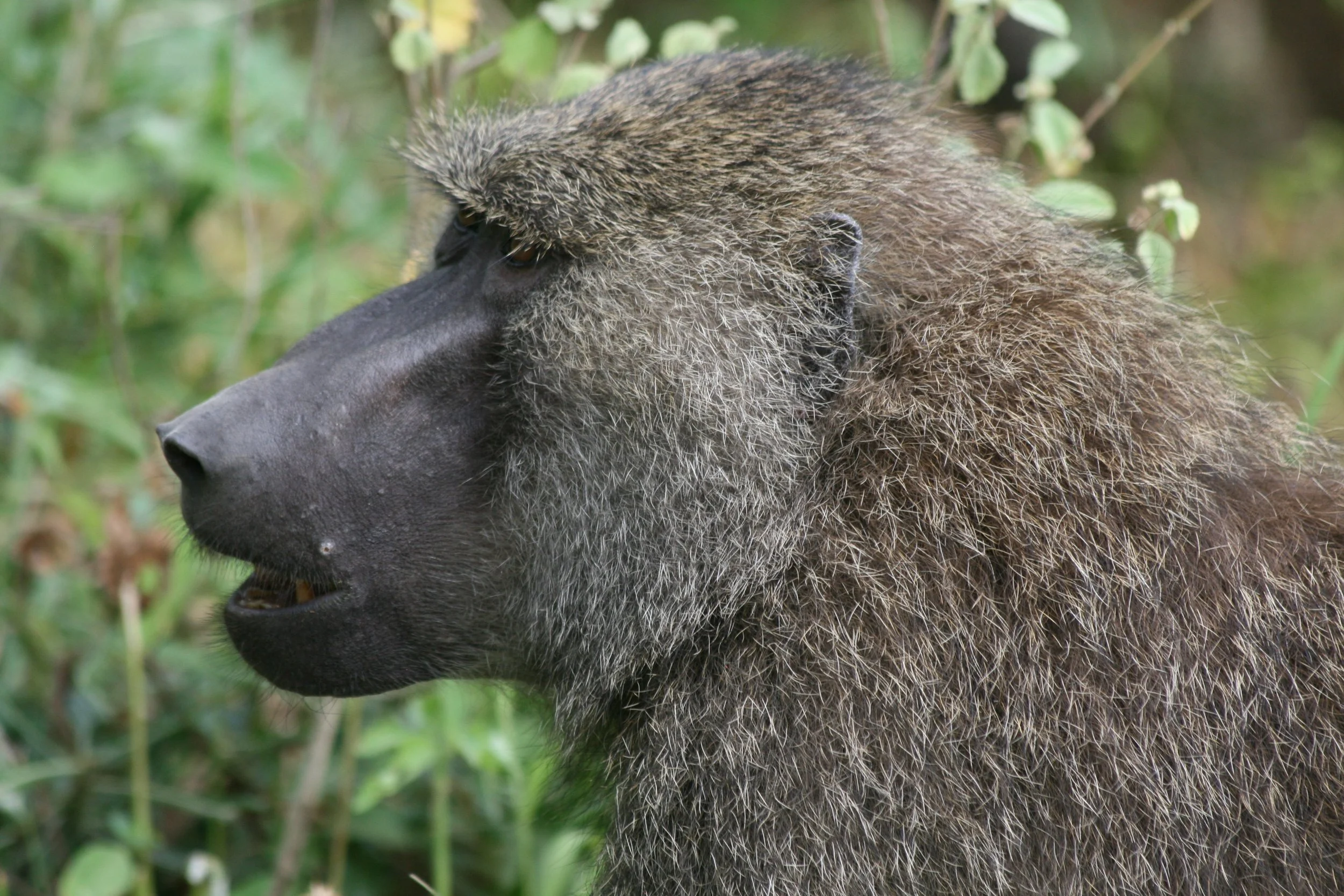
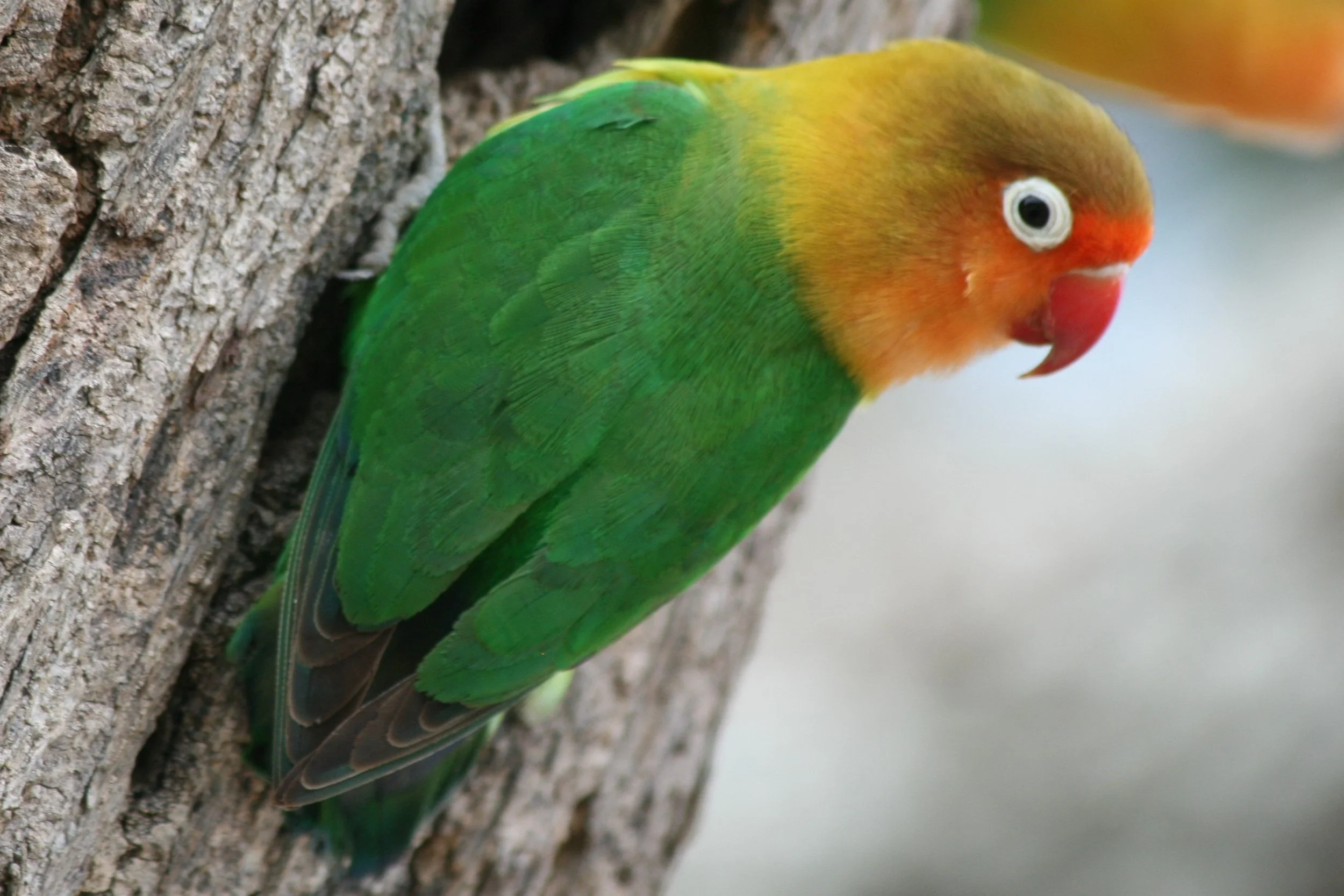
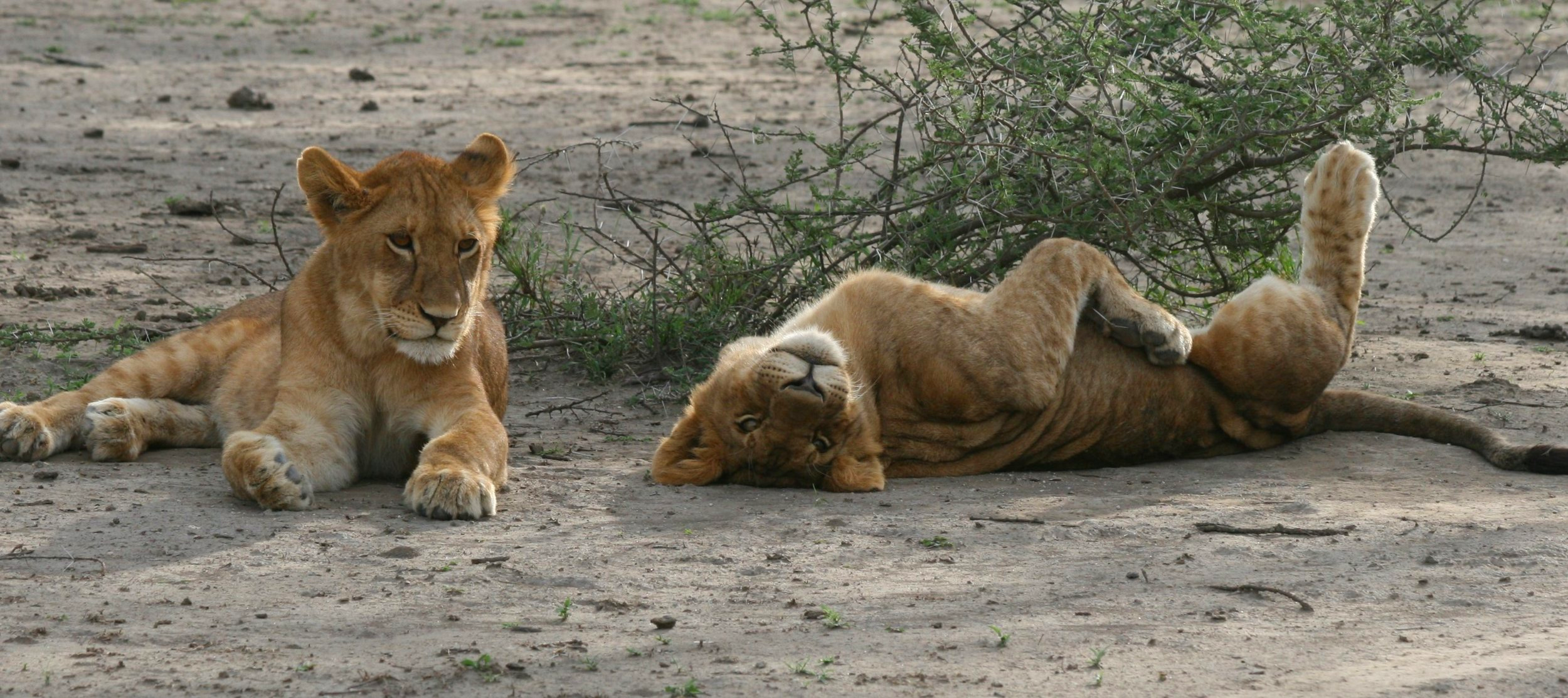
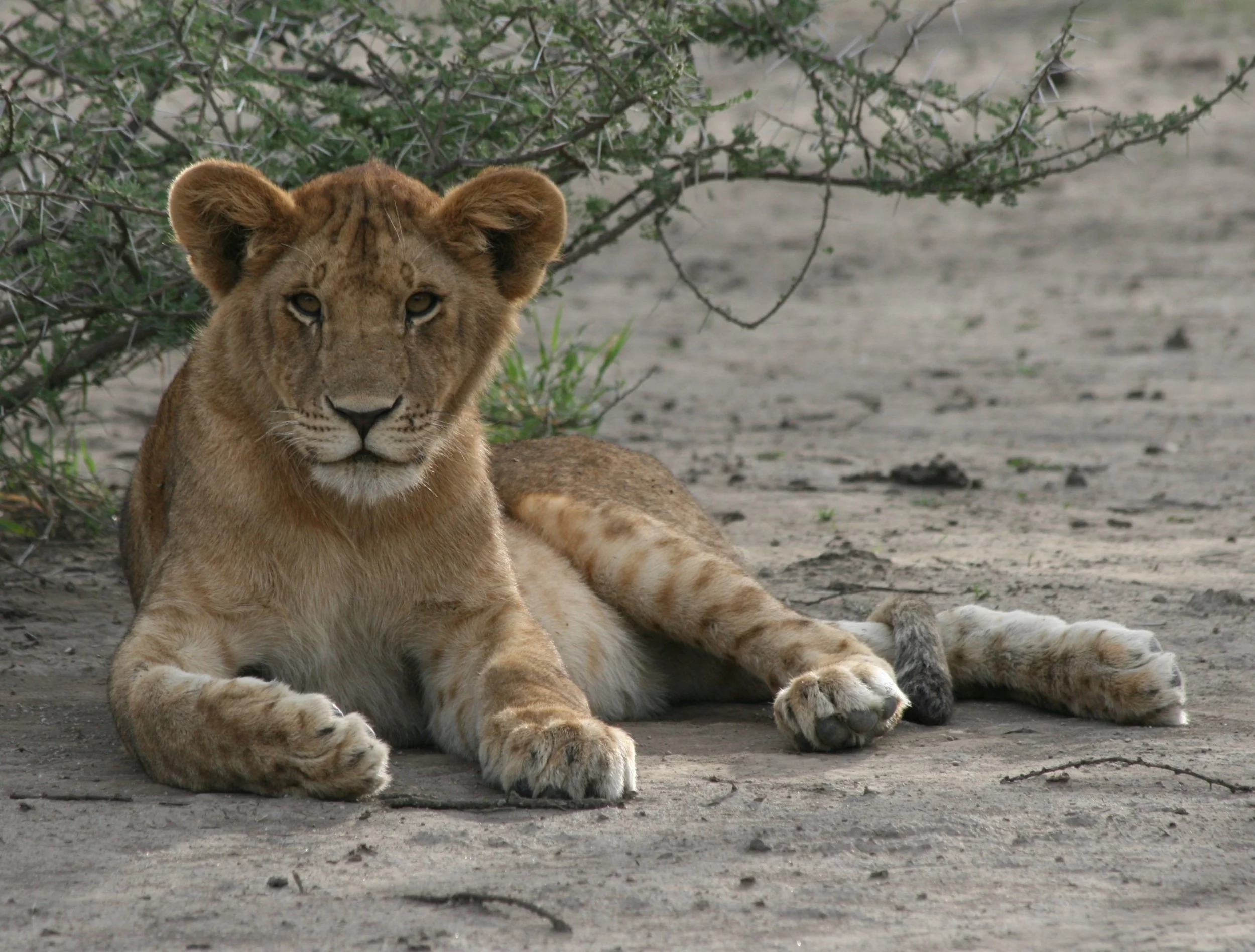
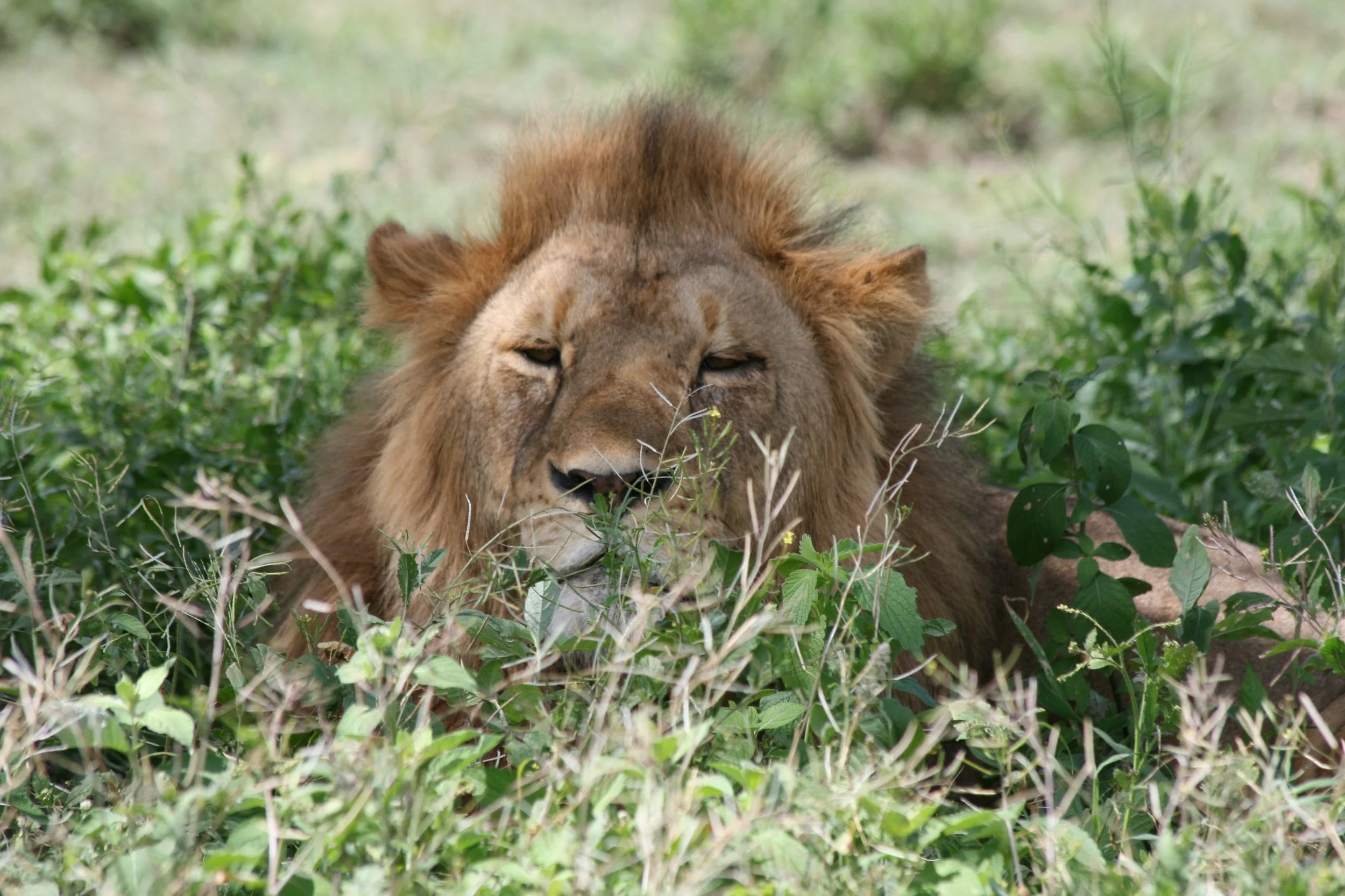
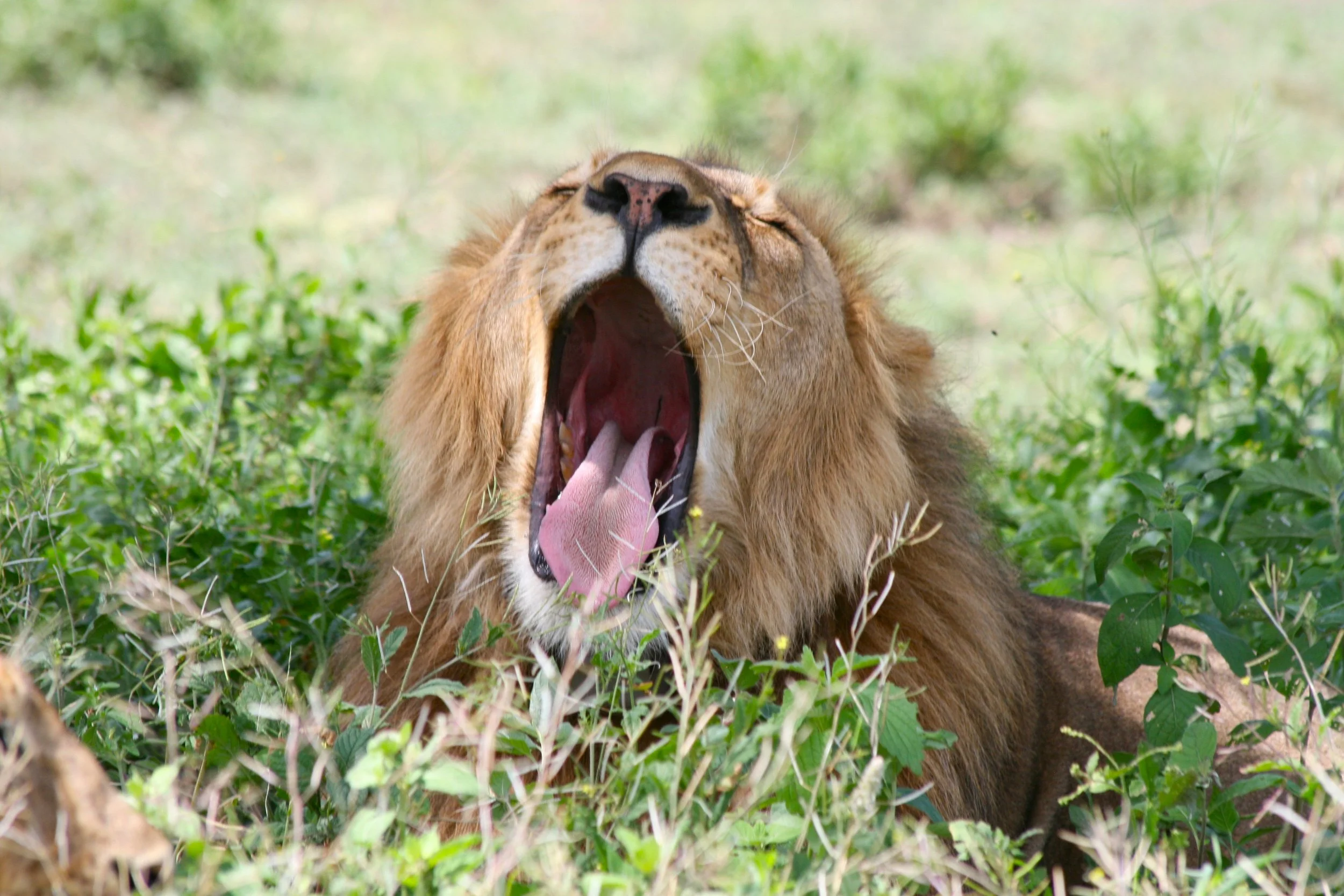
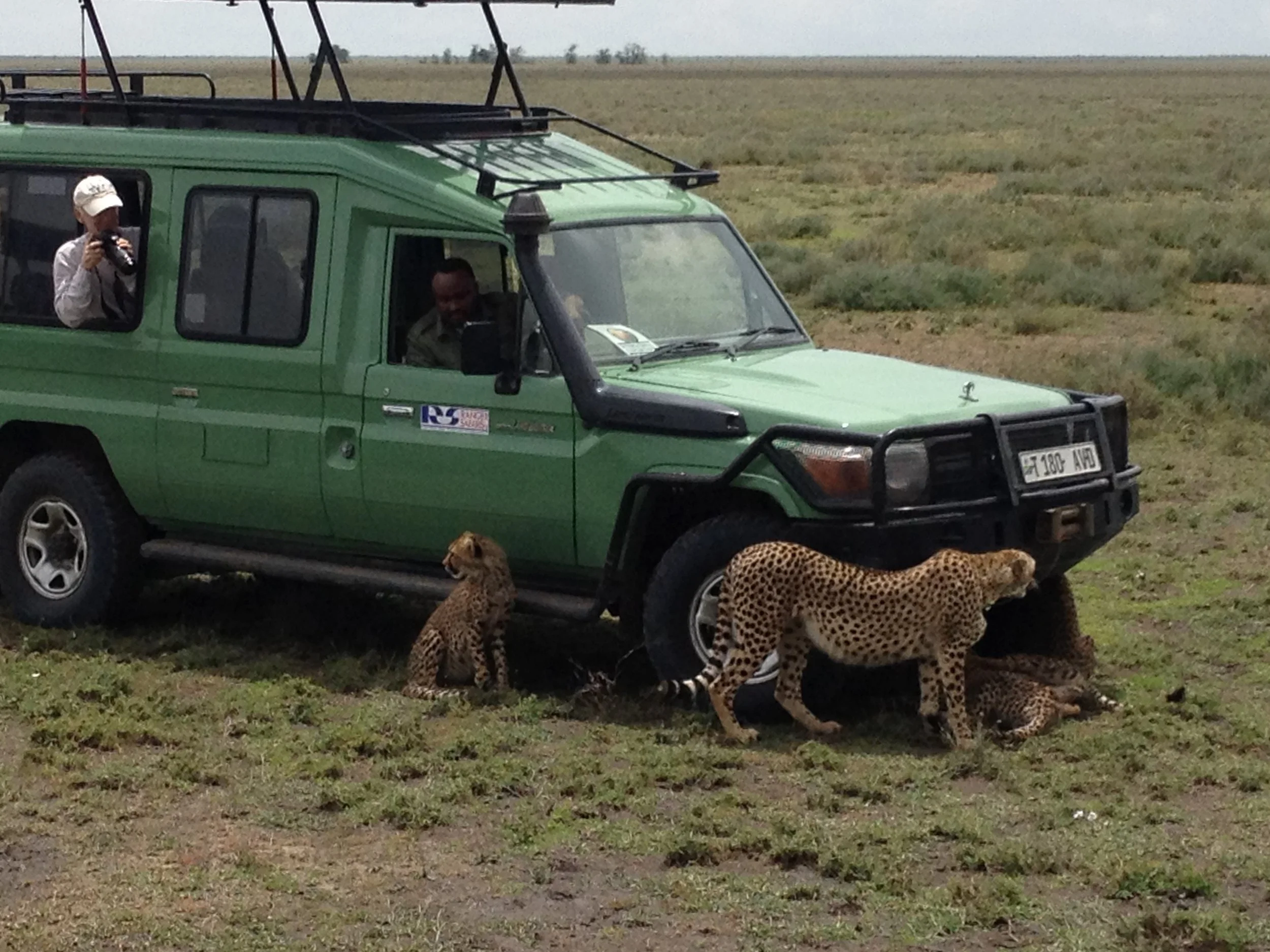
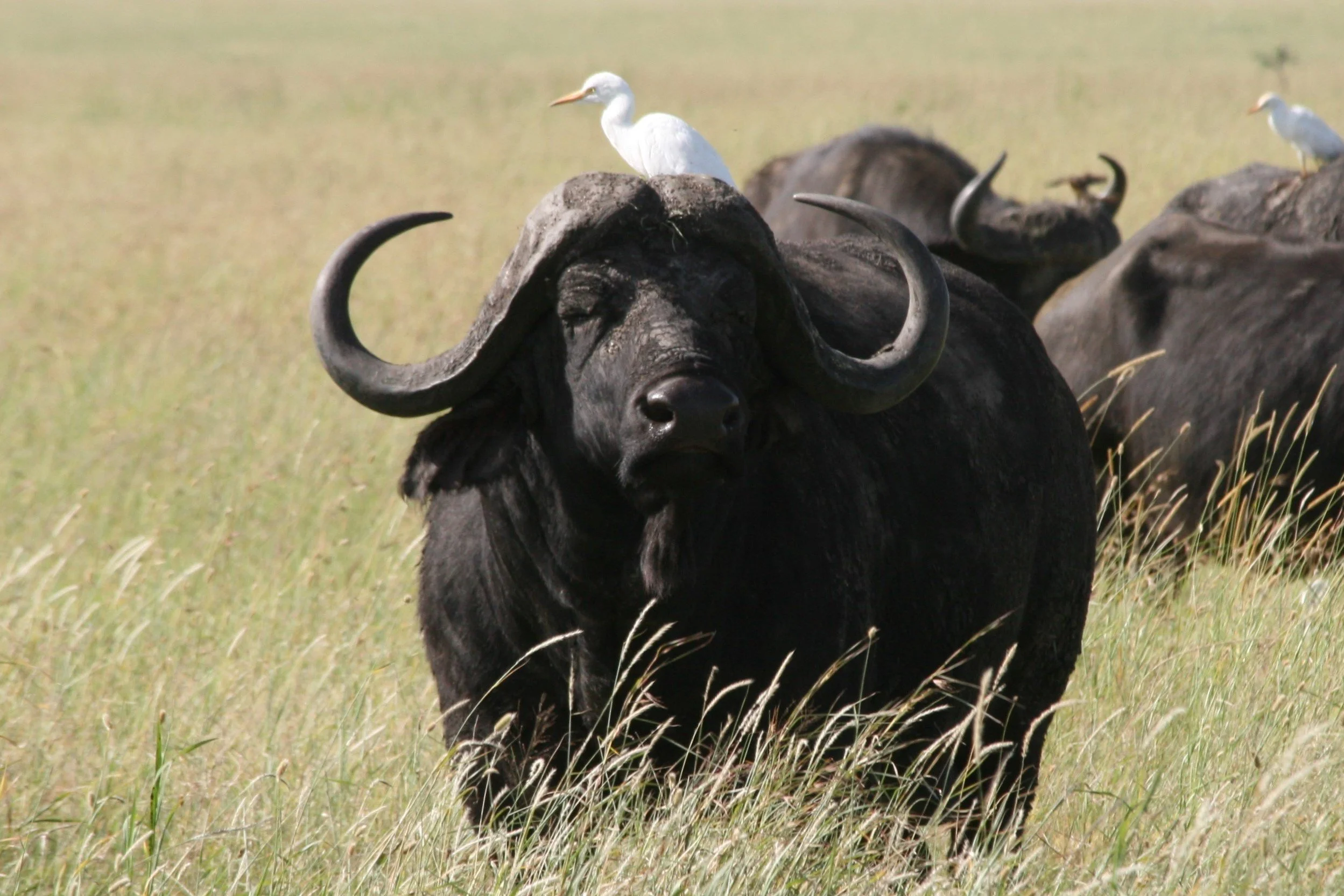
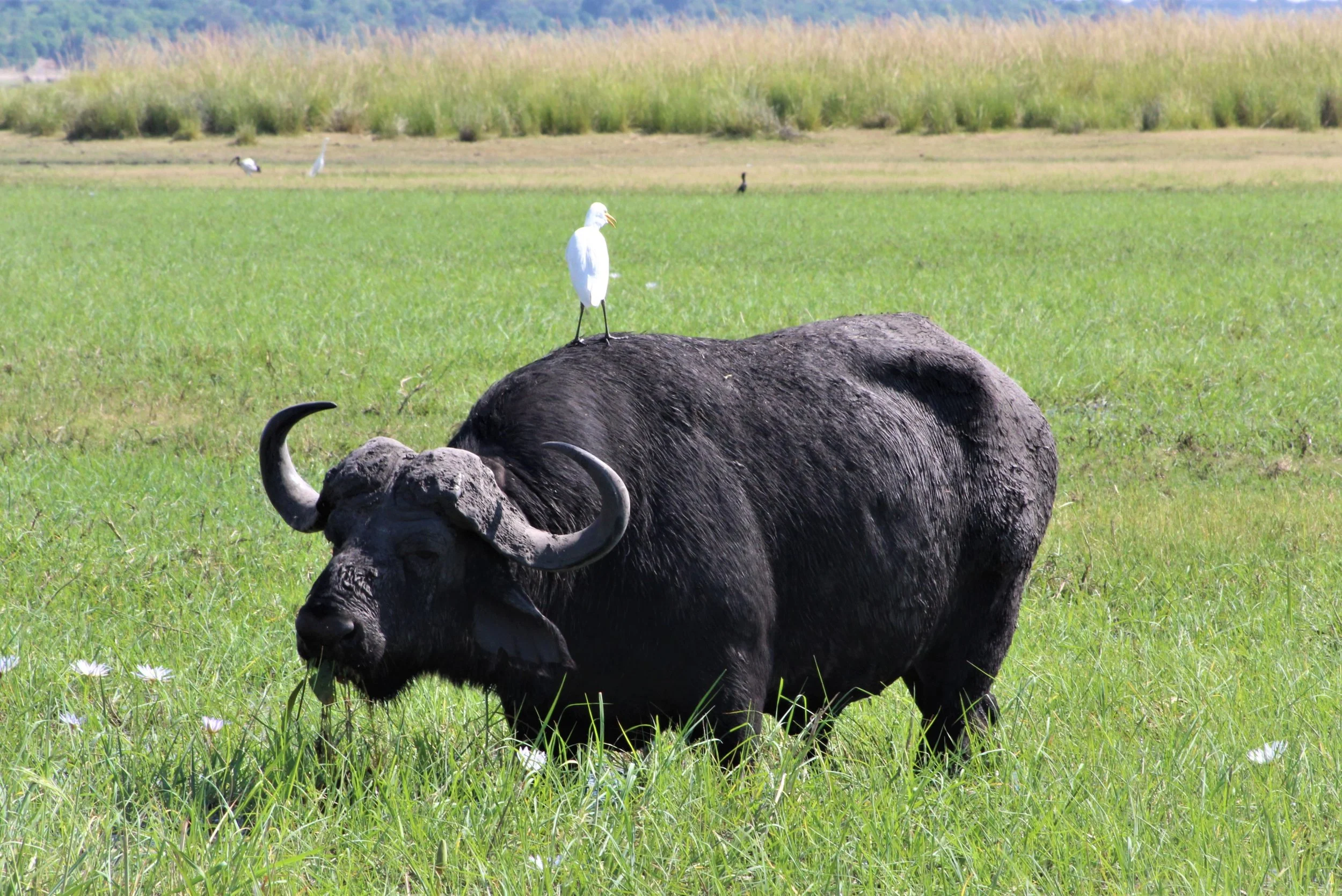
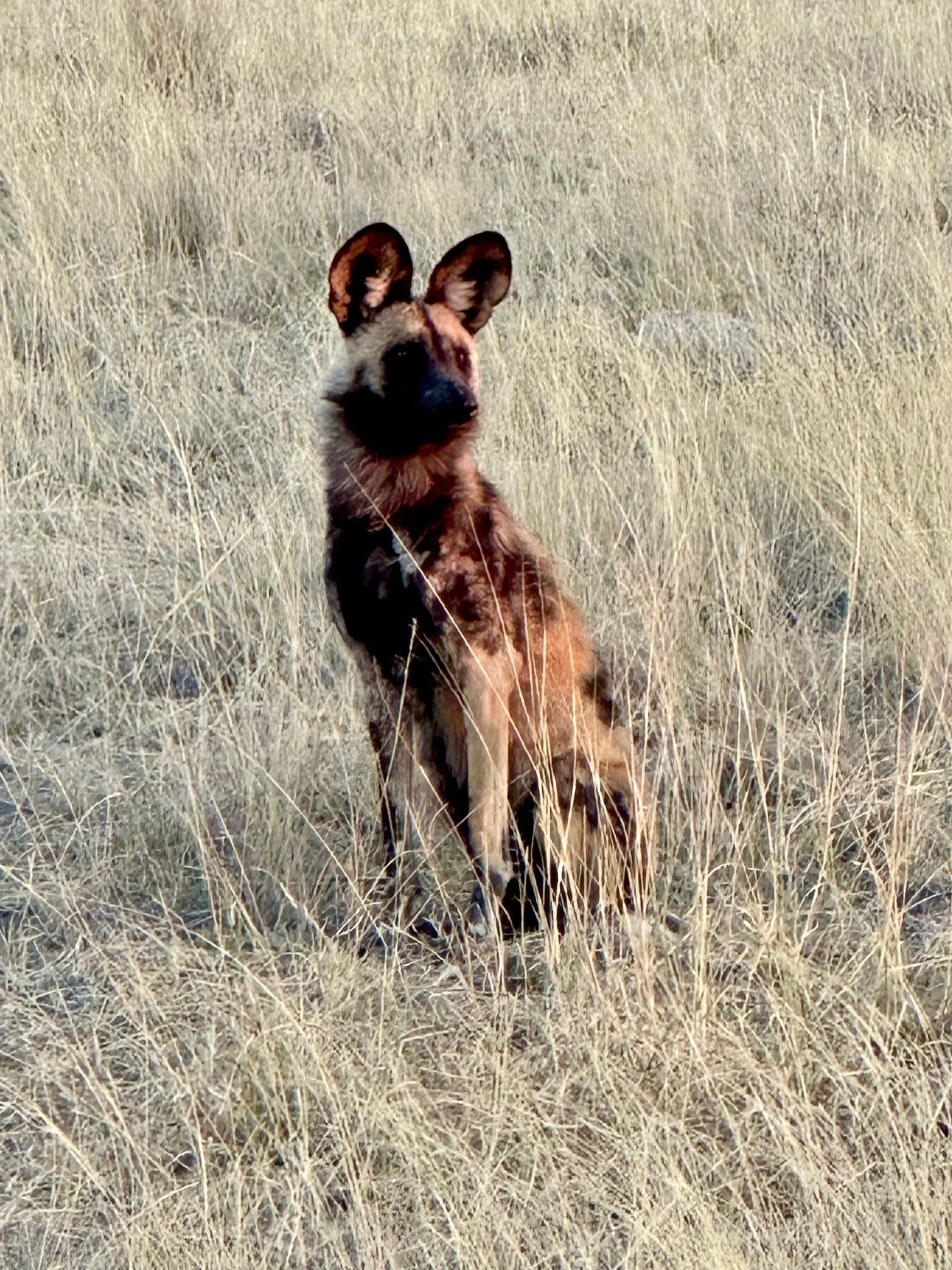
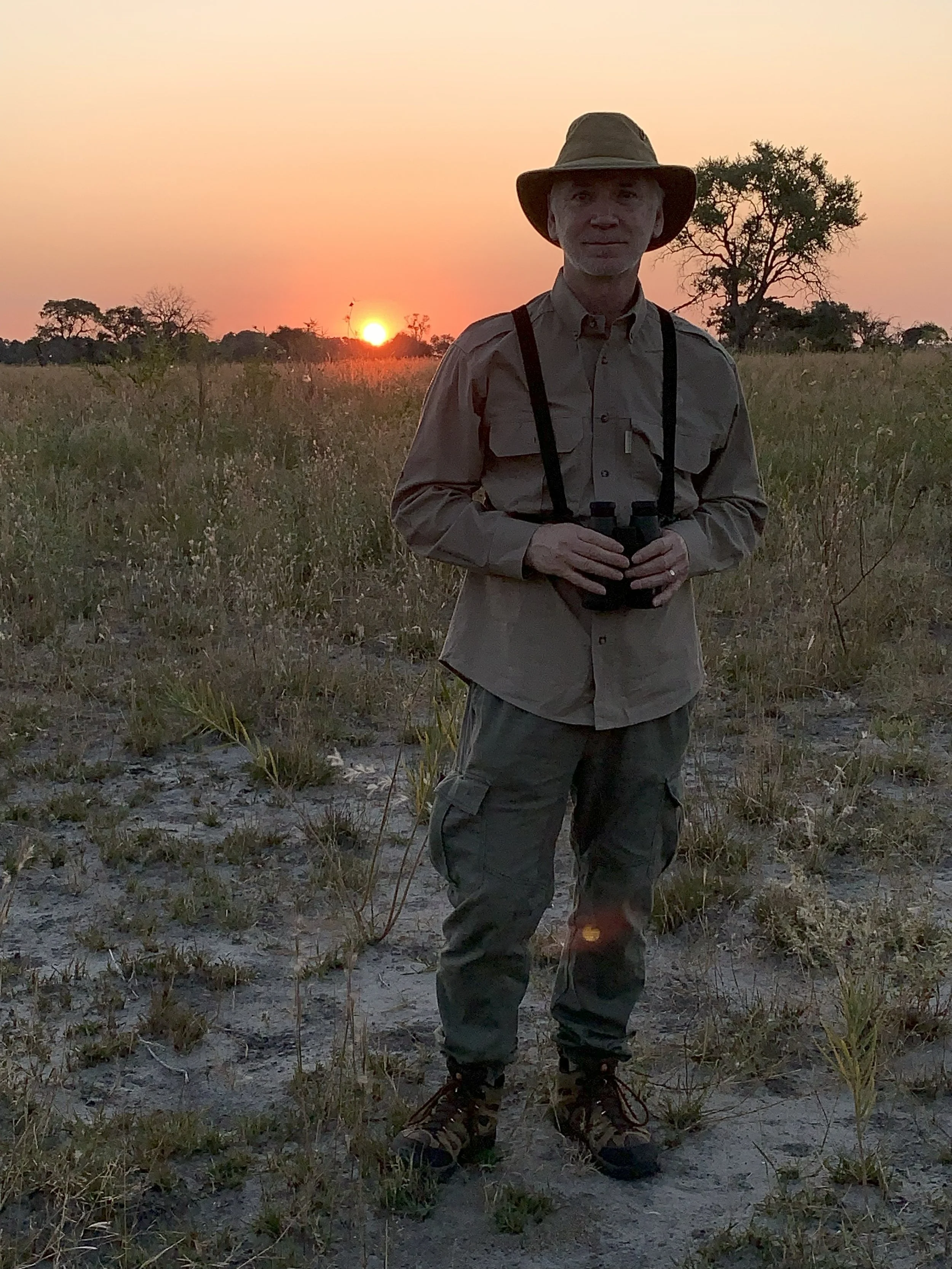
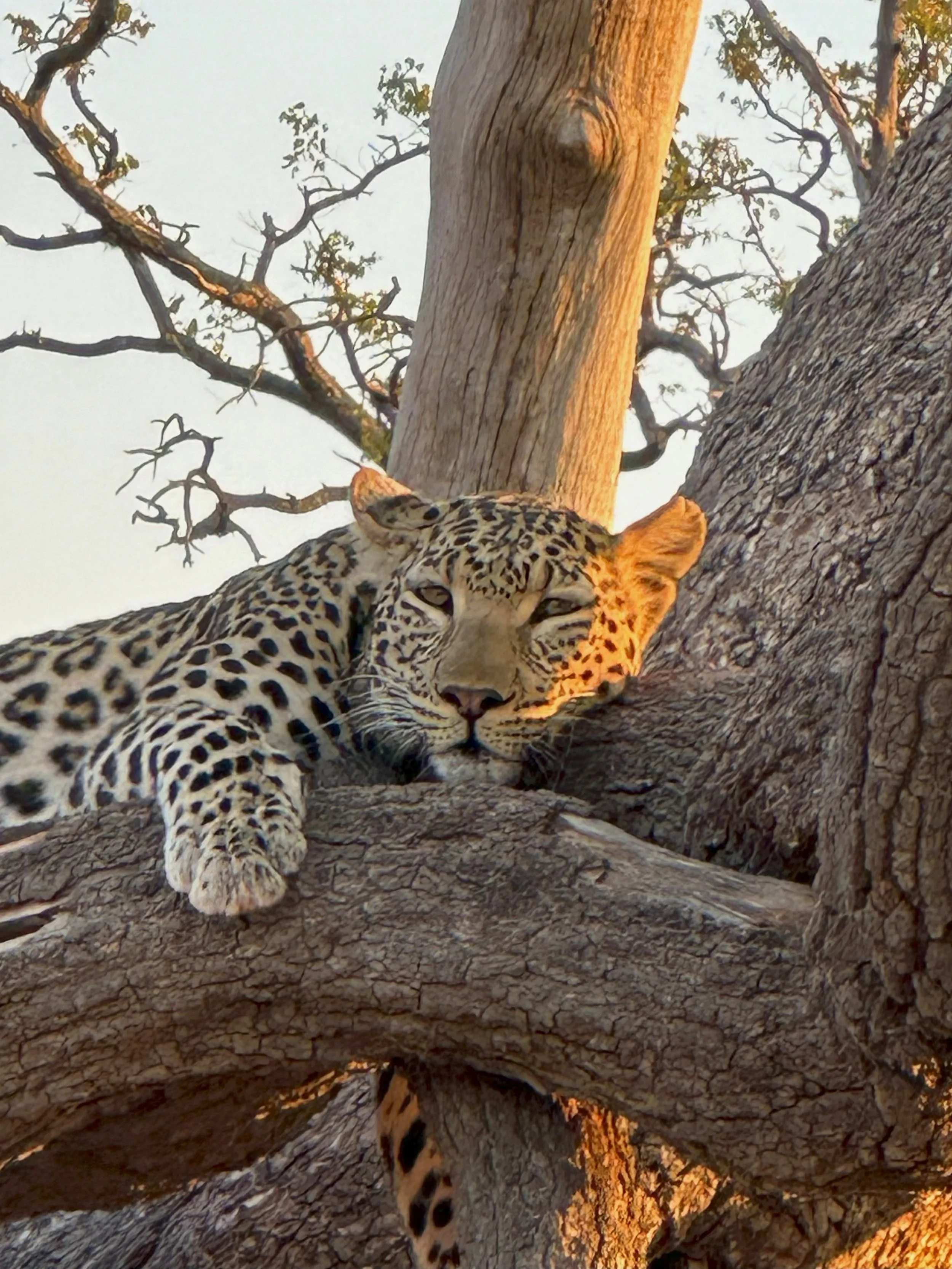
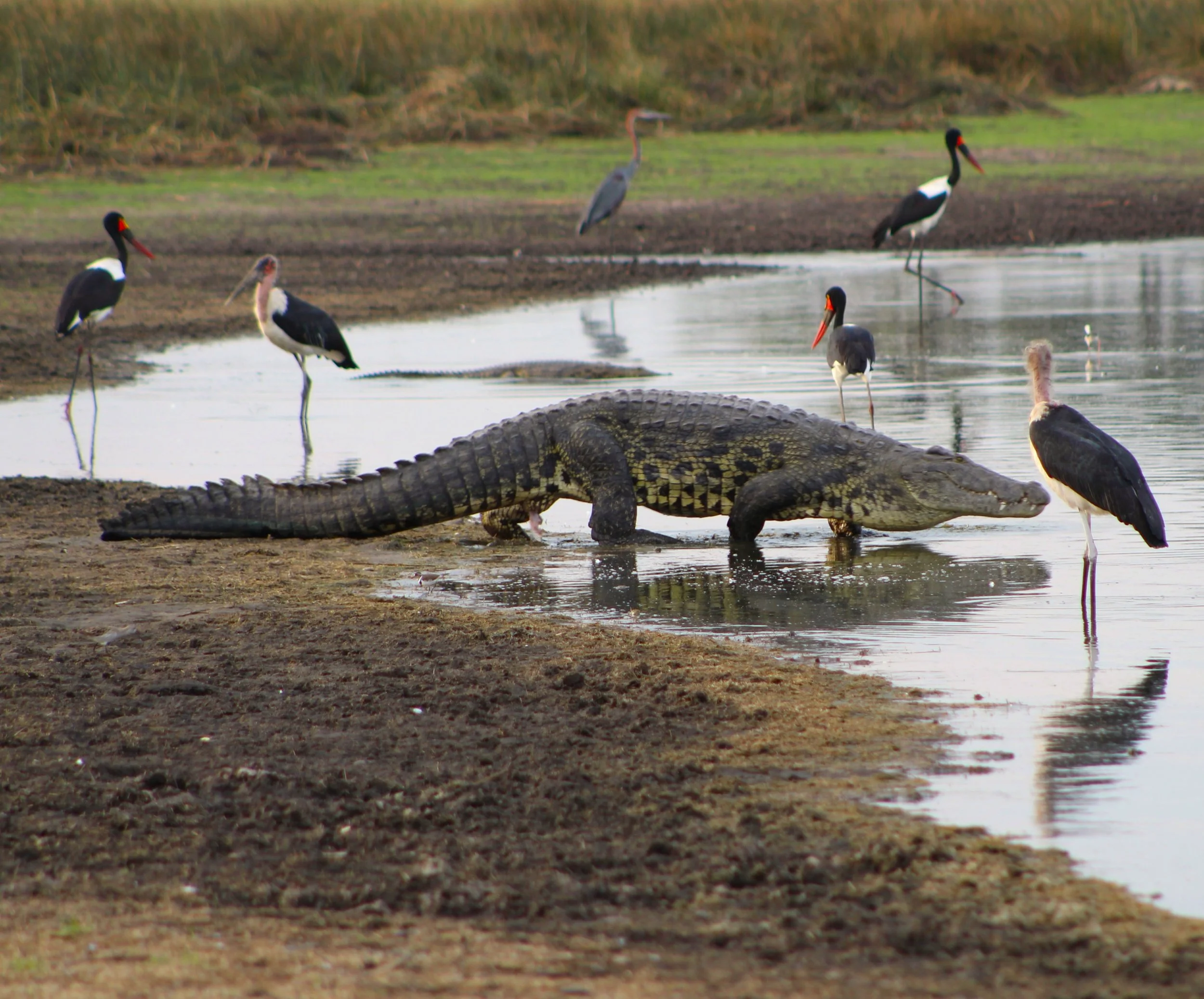
Over the past three decades, I’ve traveled to Africa 15 times. I’ve visited Tanzania, Rwanda, Kenya, Mozambique, South Africa, Botswana, Zimbabwe, Zambia, Namibia, and Angola, among other locations on the continent. As has been said, "Everything in Africa bites, but the safari bug is the worst of all." Africa is unlike any other place I’ve visited - the wildlife, the landscape, the people.
Every time I am getting ready to leave Africa, I think of what Hemingway wrote: “All I wanted to do now was get back to Africa. We had not left it, yet, but when I would wake in the night I would lie, listening, homesick for it already.”



Fishing
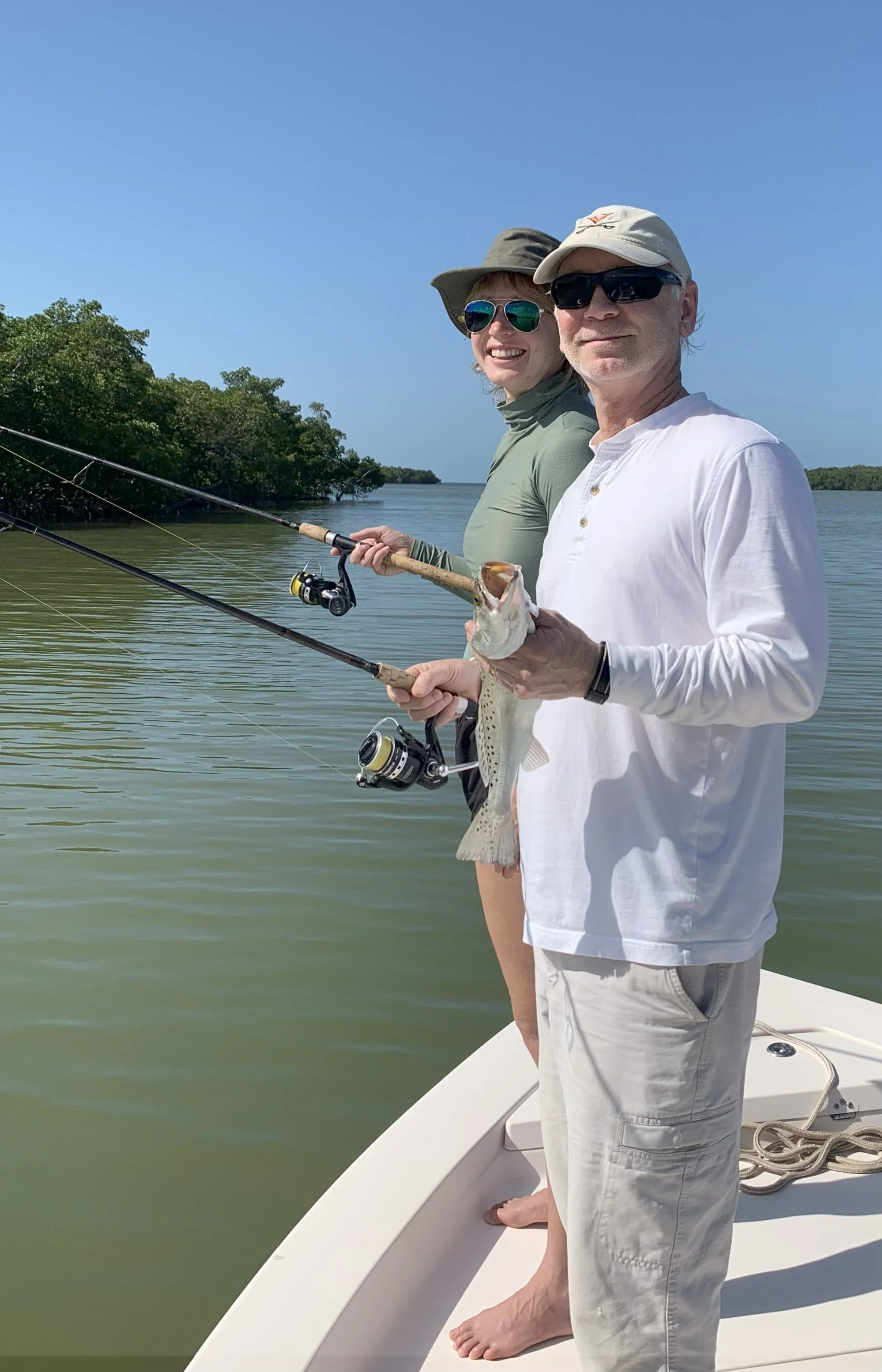
Sea trout, Everglades National Park, Florida
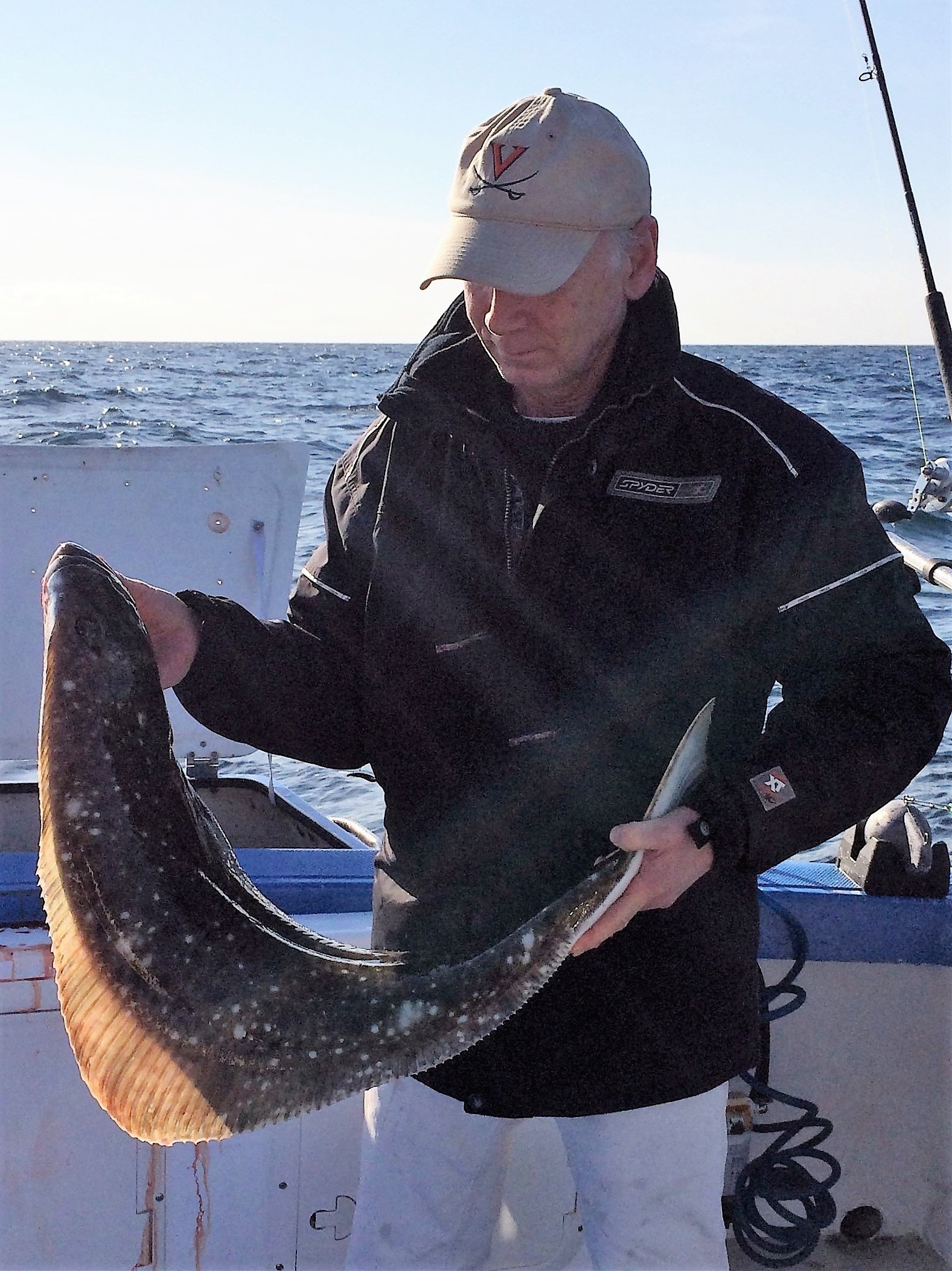
Halibut, Southeast Alaska coast
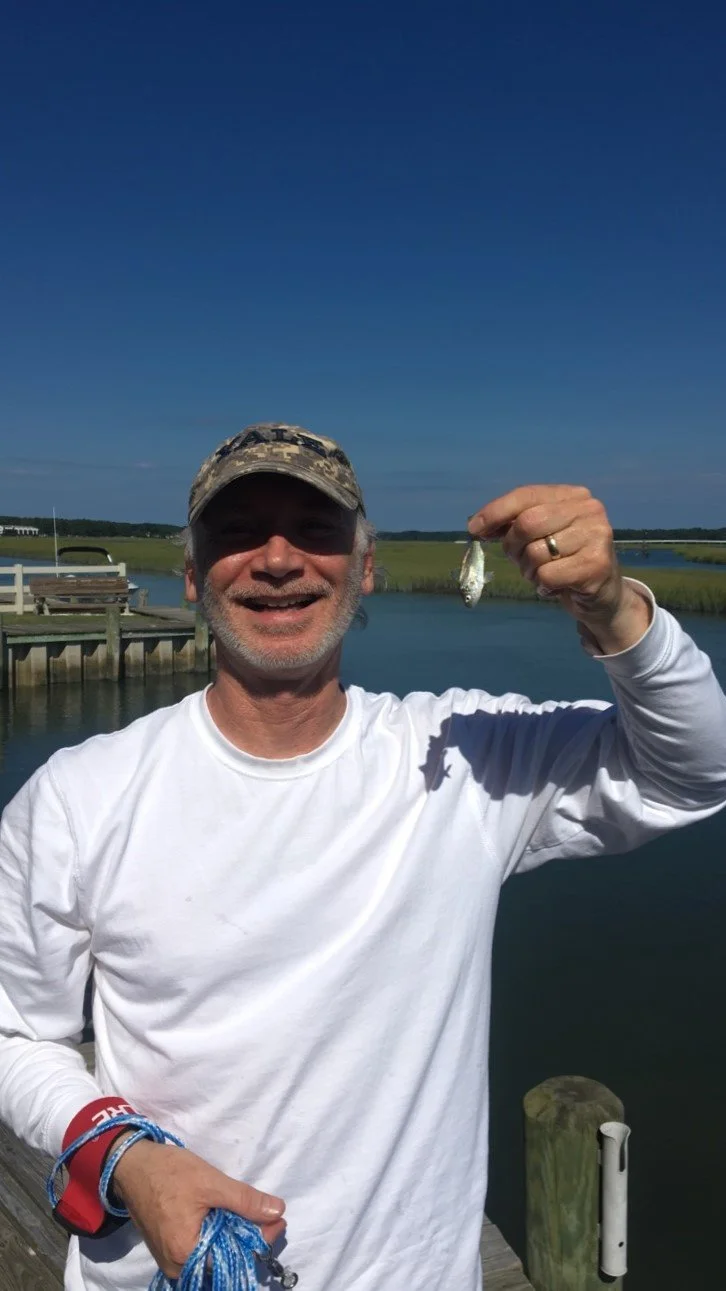
Trophy fish
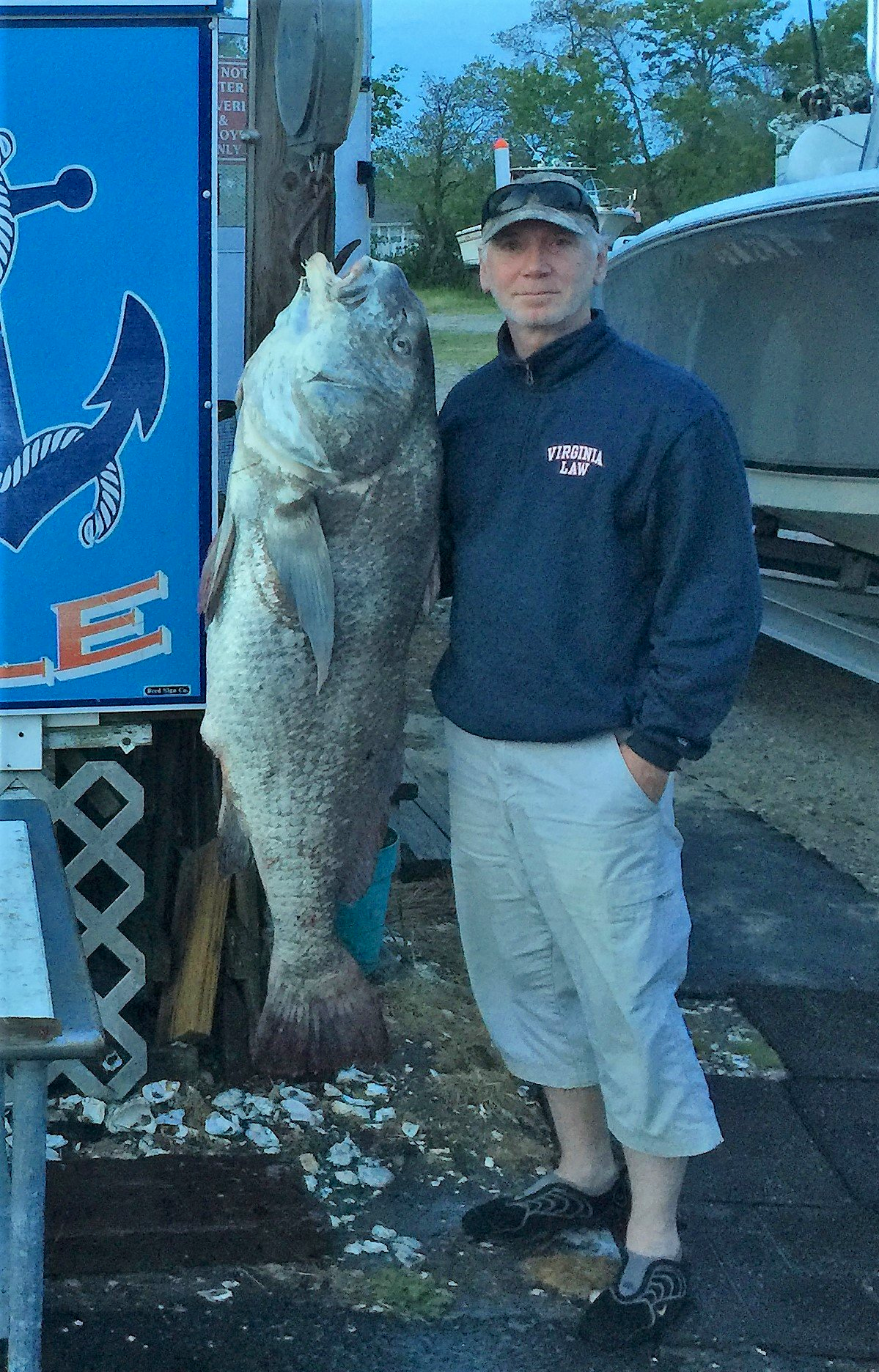
Black drum, Cobb Island, Virginia
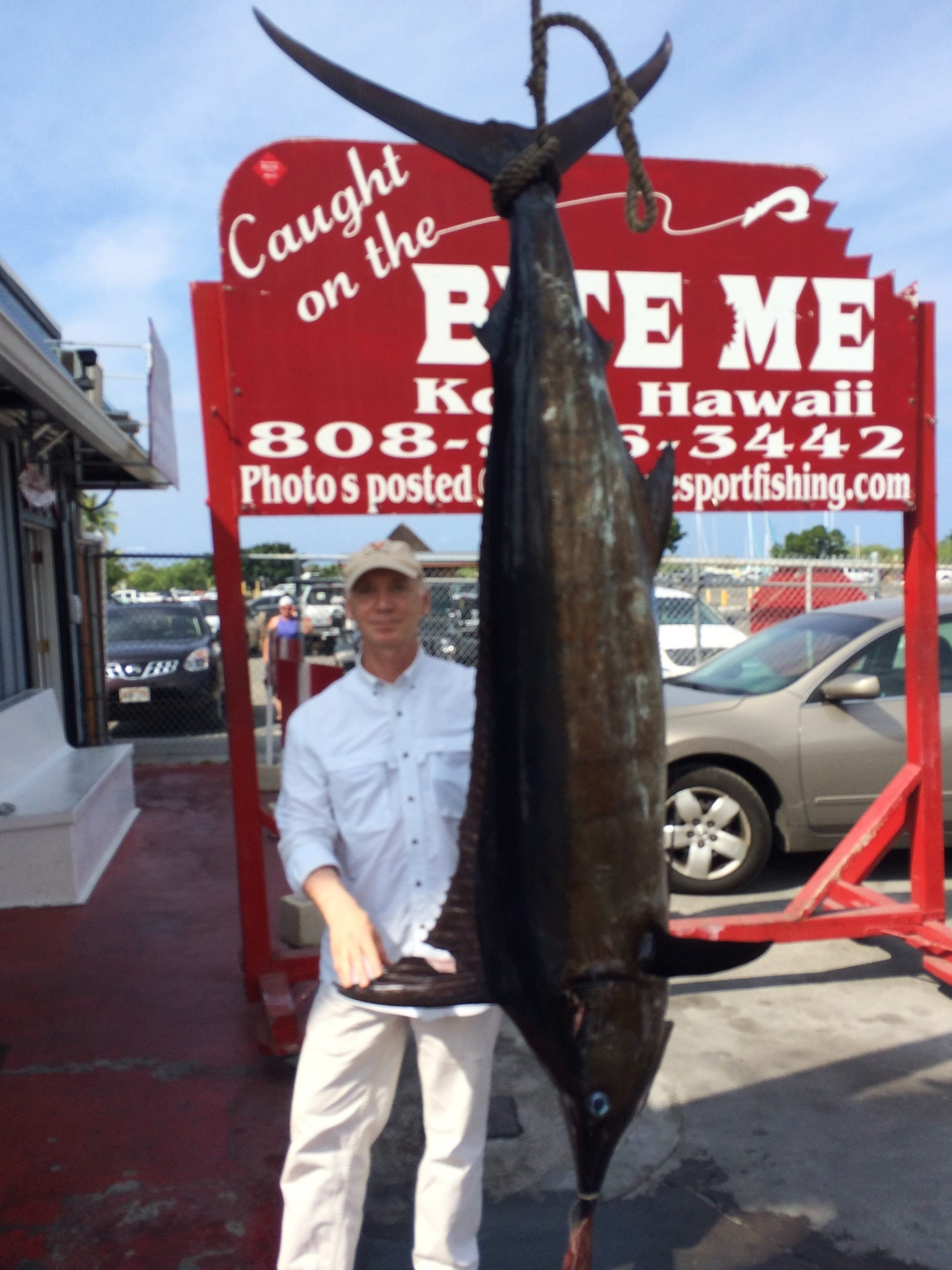
Blue marlin, Kona, Hawaii
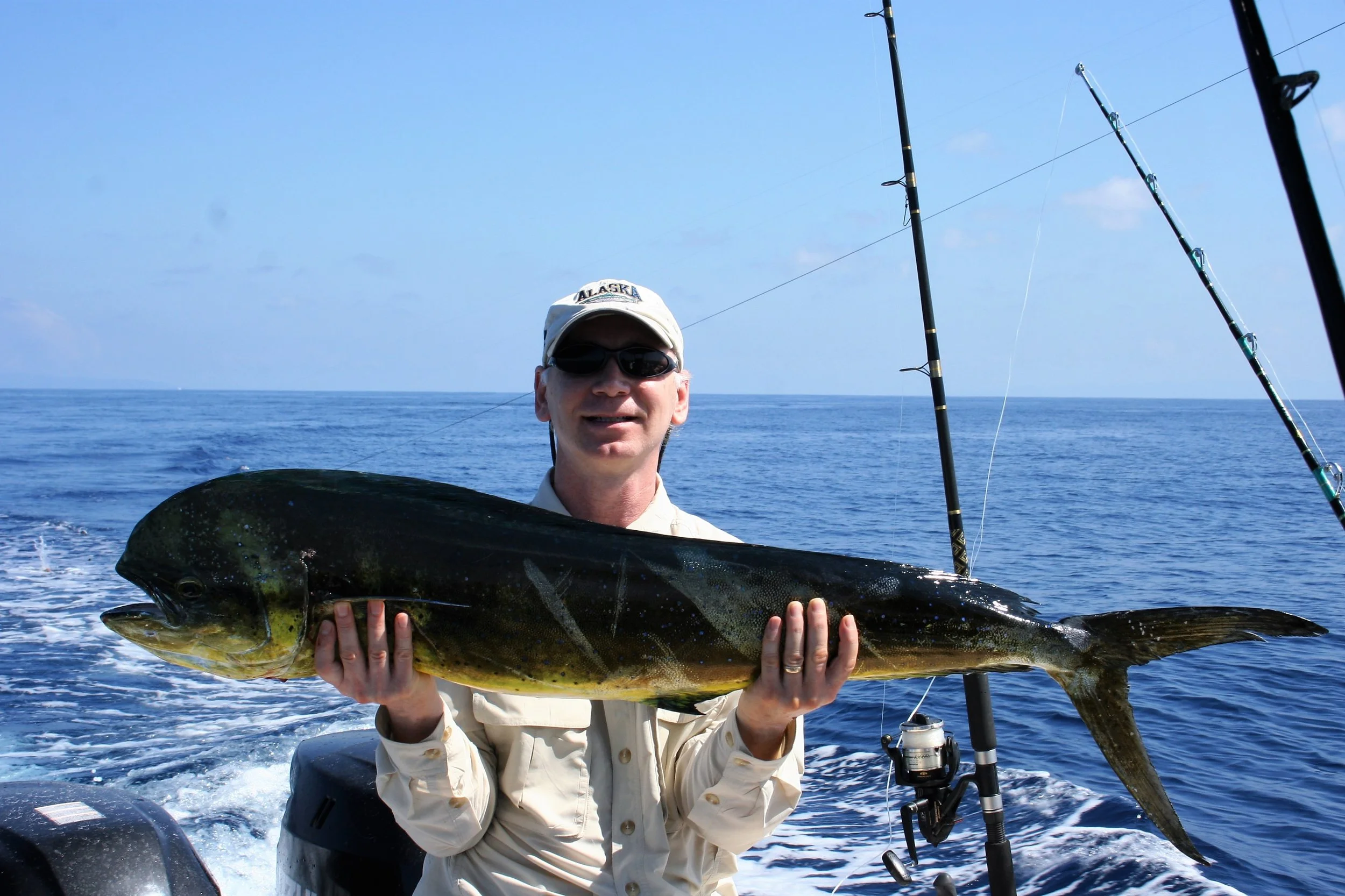
Mahi, Cano Island, Costa Rica
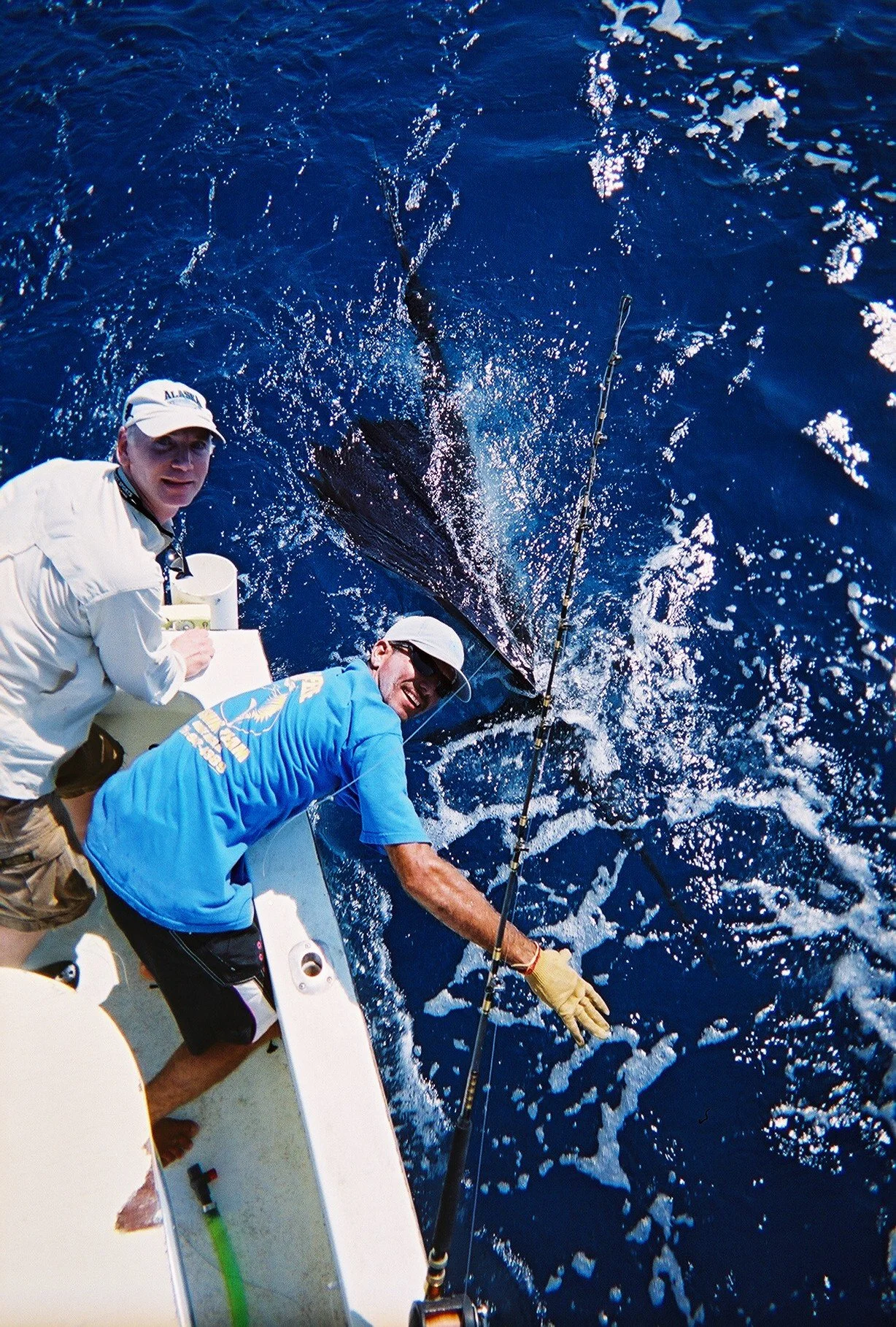
Blue Marlin, Big Island, Hawaii
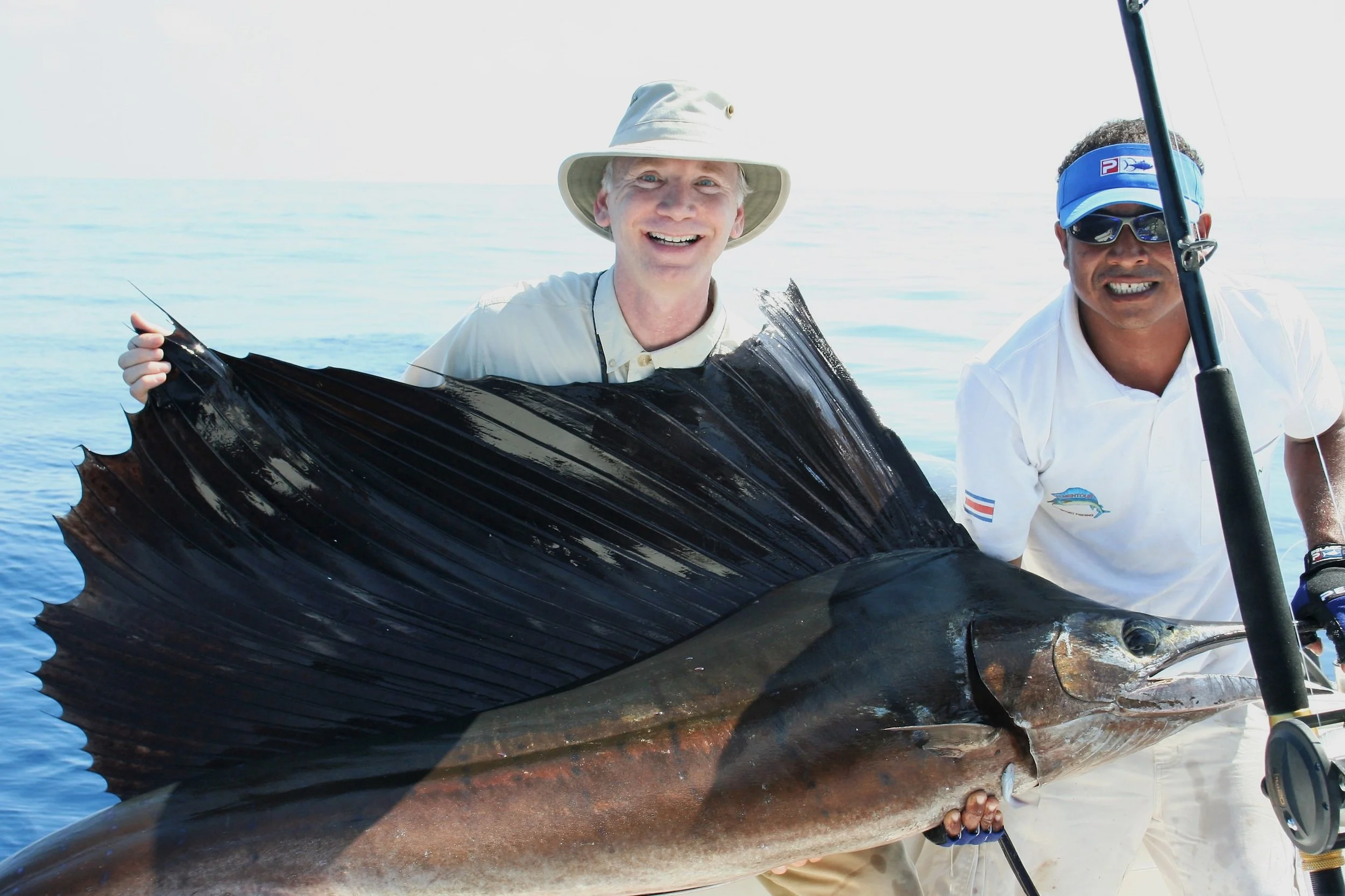
Sailfish, Drake Bay, Costa Rica
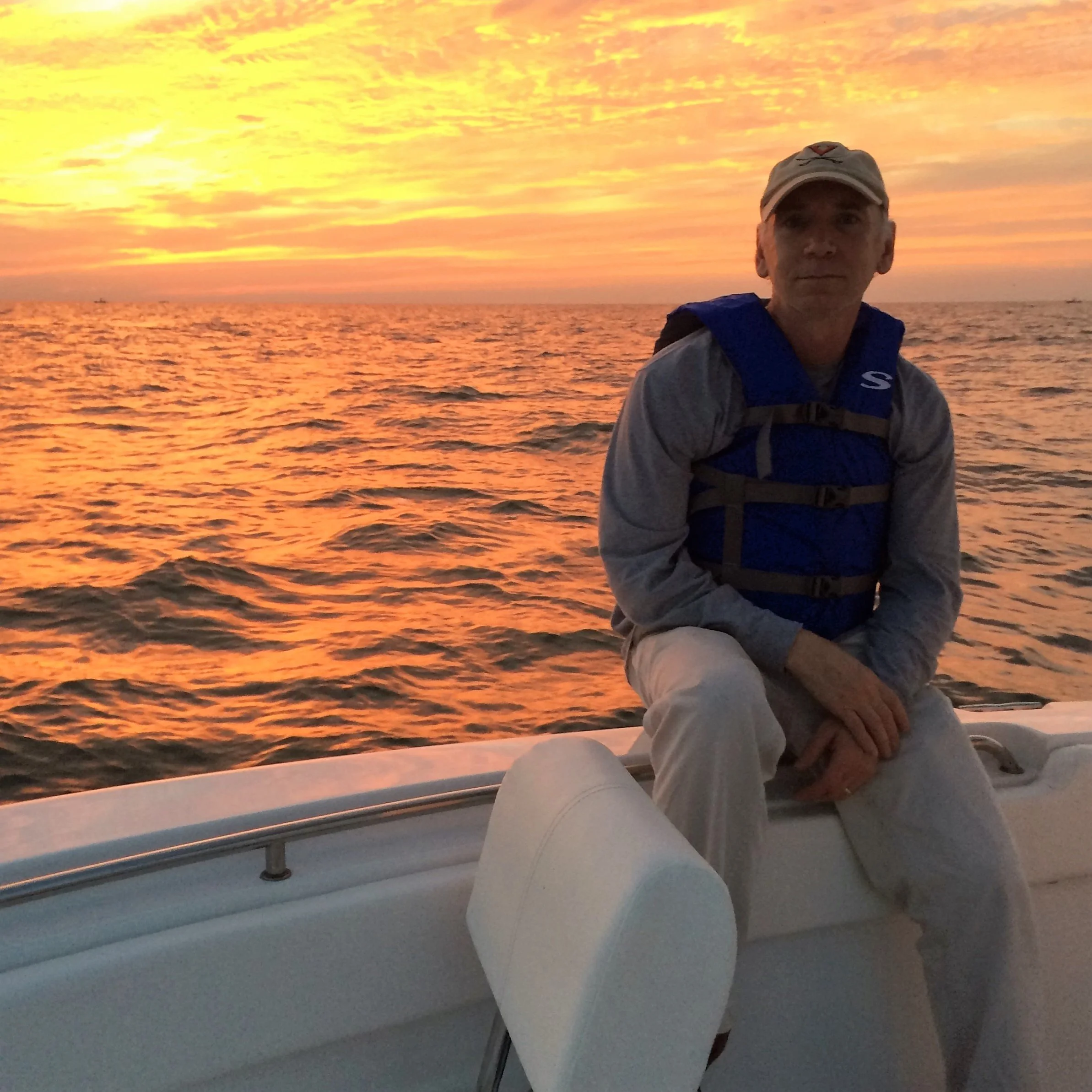
Chesapeake Bay, Maryland
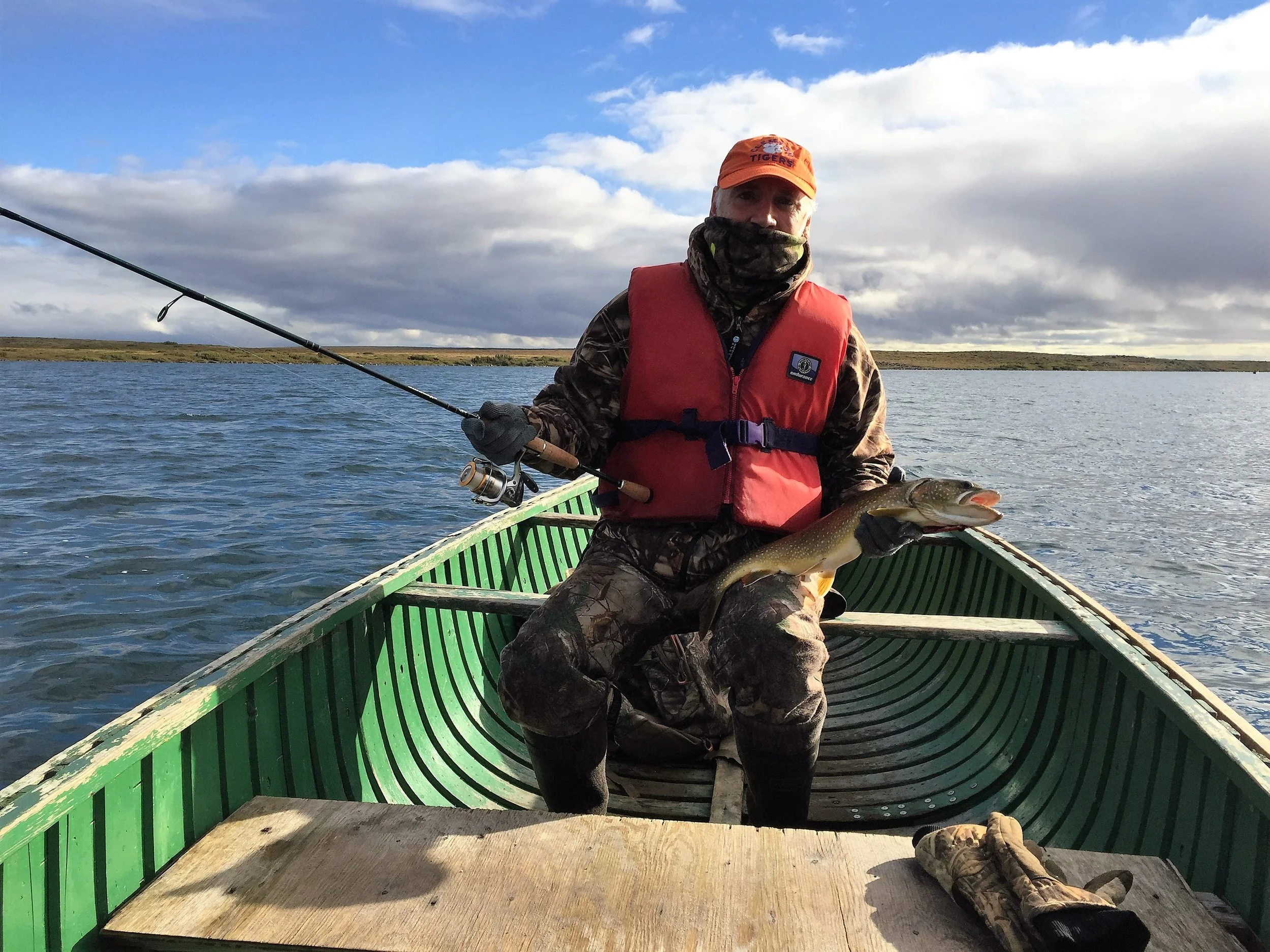
Lake trout, Northern Quebec
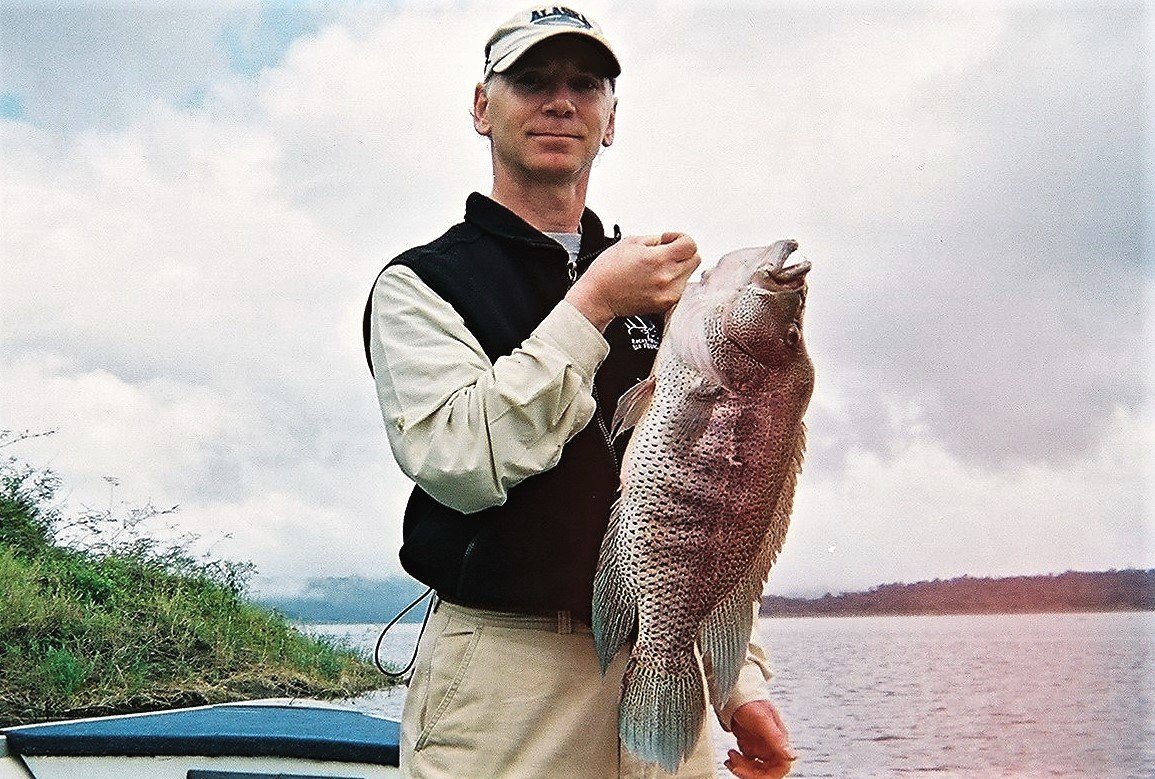
Rainbow bass, Lake Arenal, Costa Rica
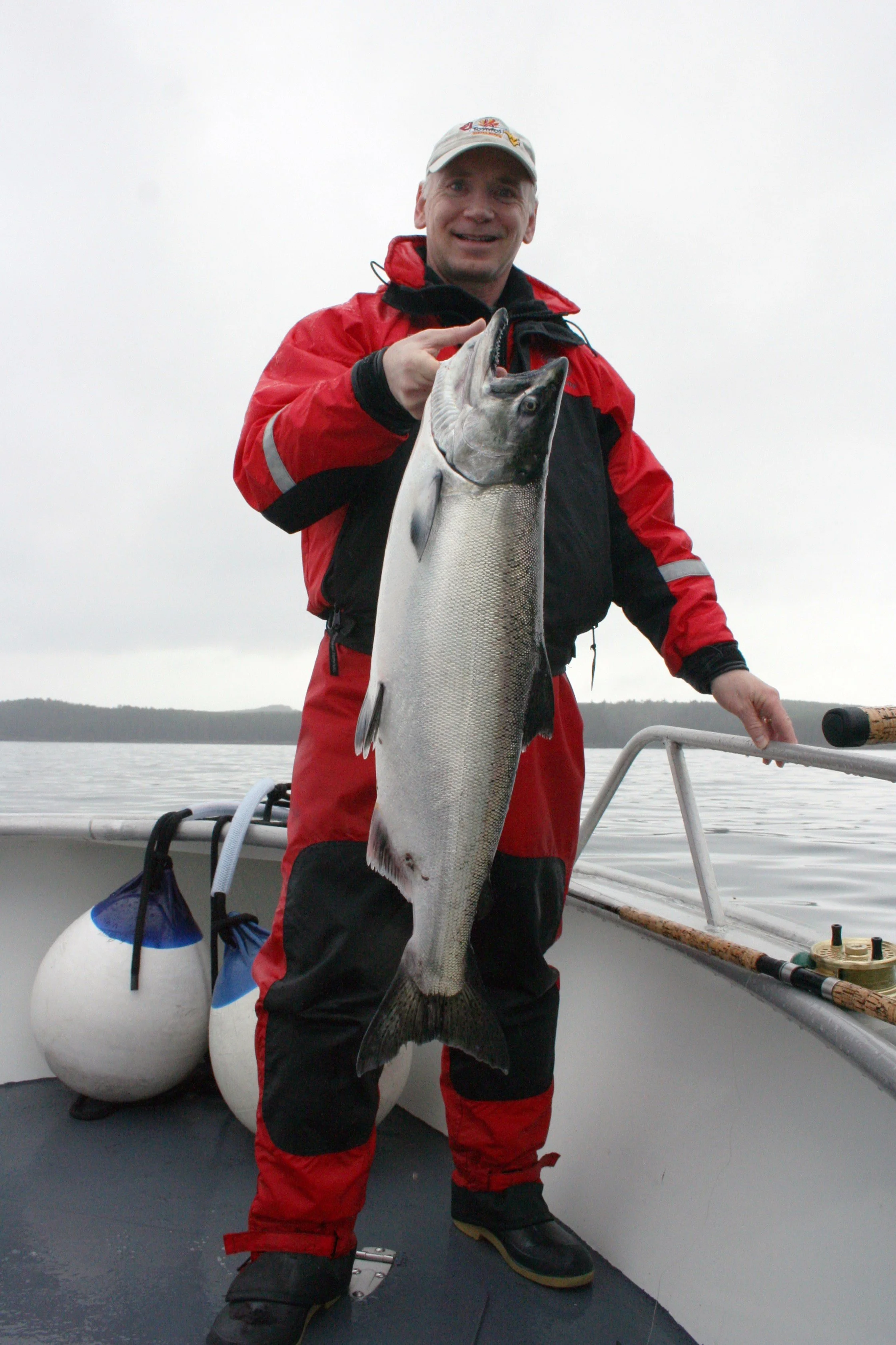
King salmon, Haida Gwaii, British Columbia

White marlin, Gulf Stream, North Carolina
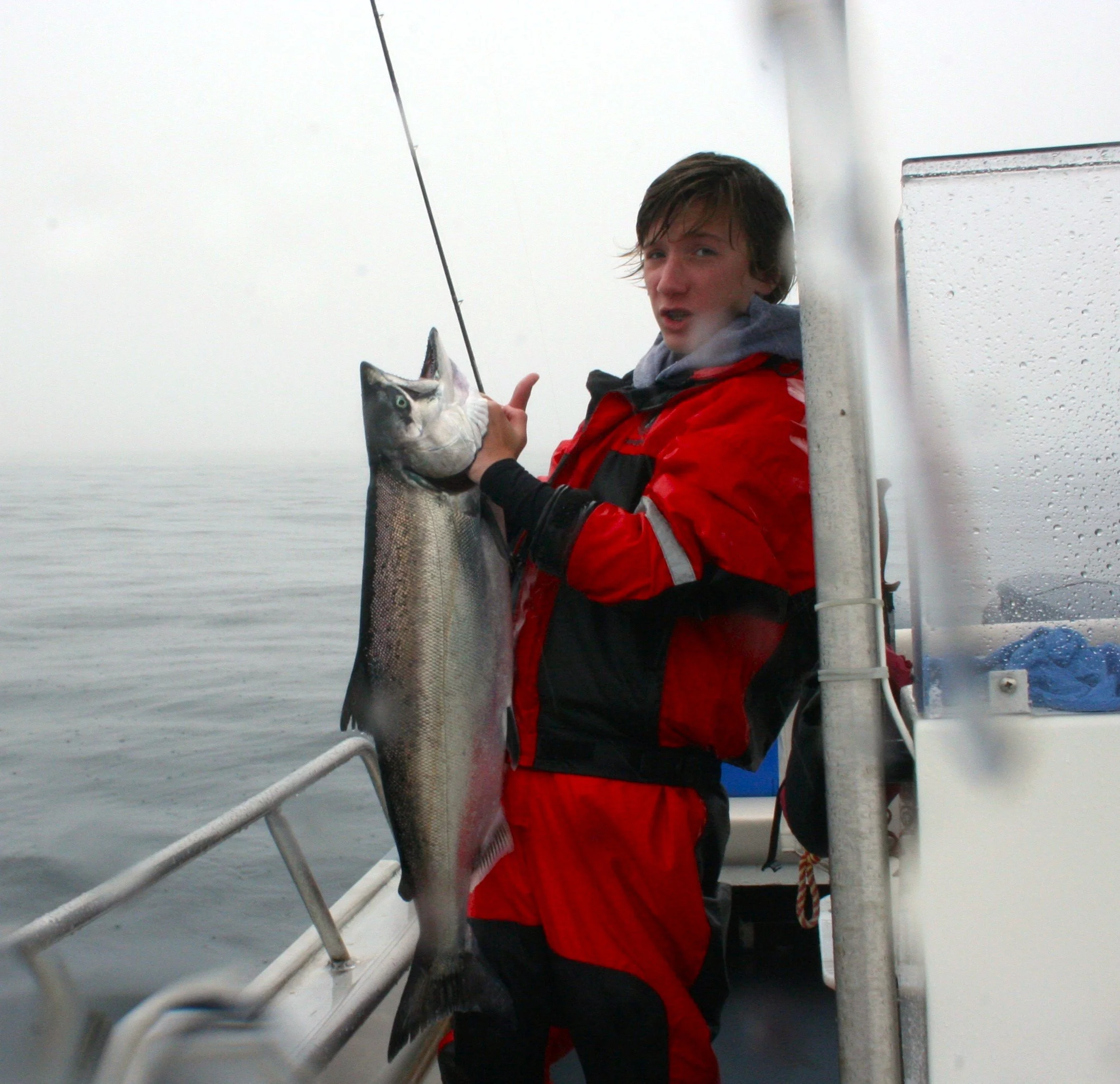
Mark II’s first king salmon, Haida Gwaii, British Columbia
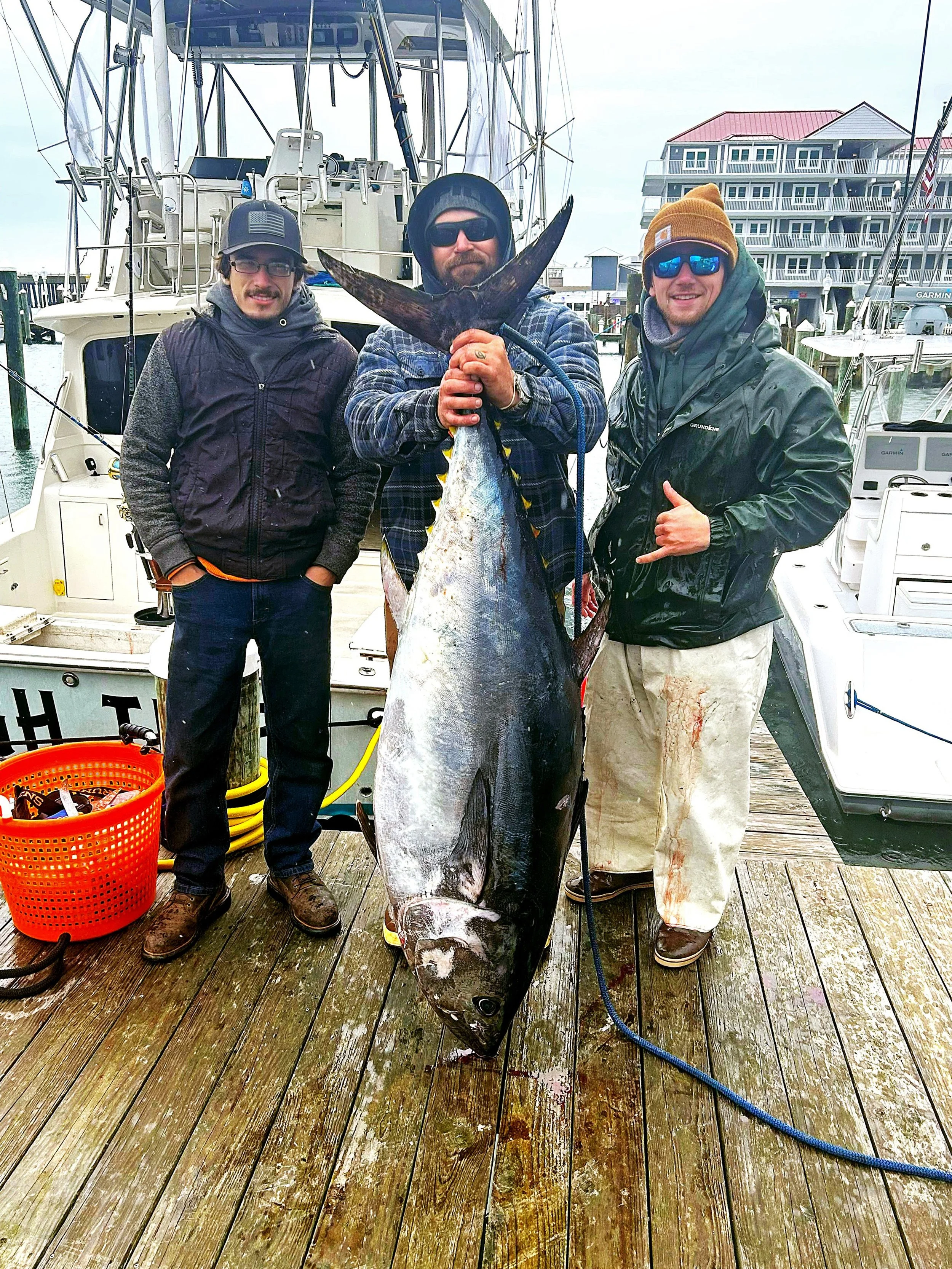
Nephew, Nick, bluefin tuna
Ocean City, Maryland

Lake trout, Northern Quebec
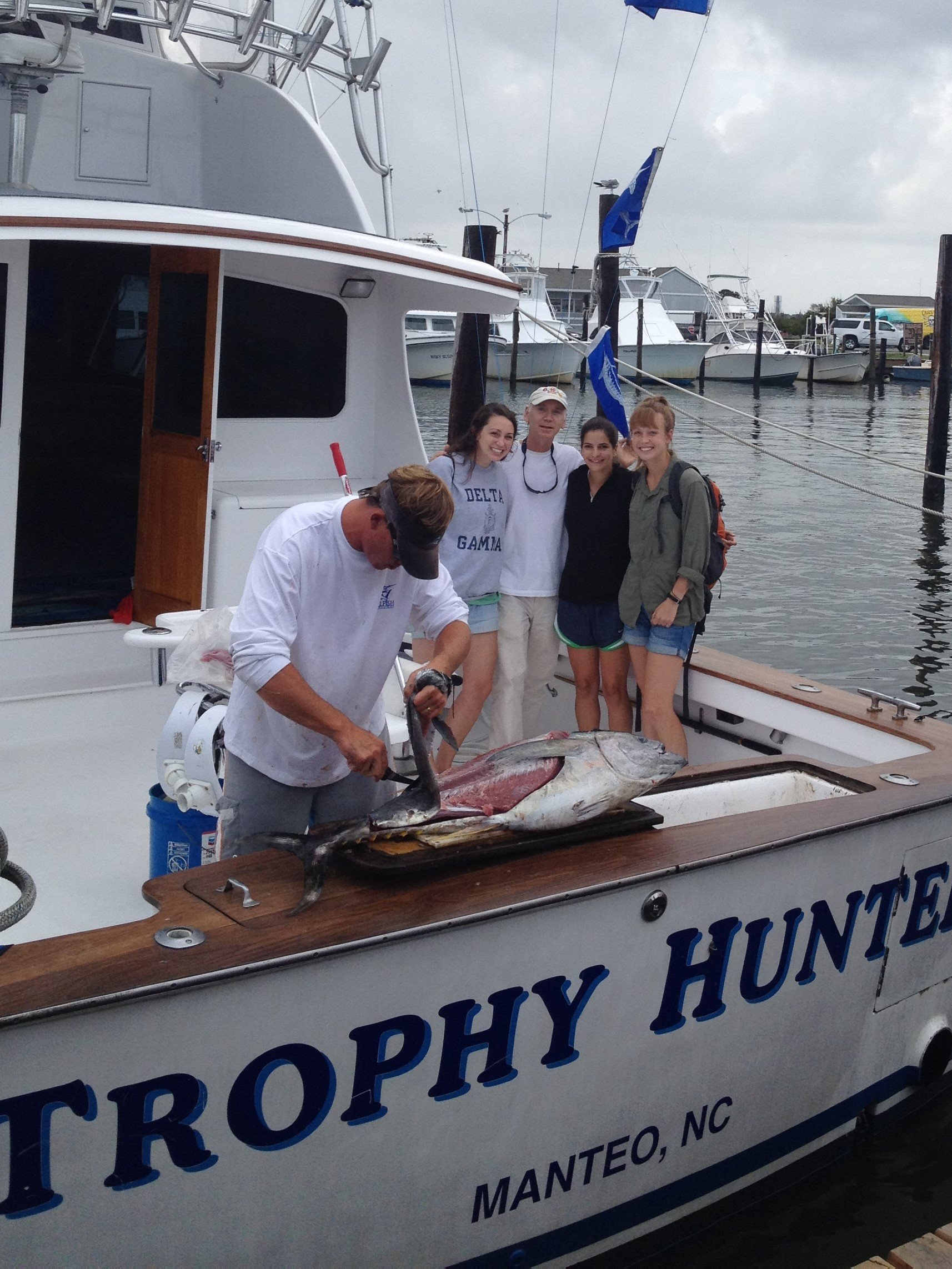
Dinner in Manteo, North Carolina

Roosterfish, Puerto Jiménez, Costa Rica
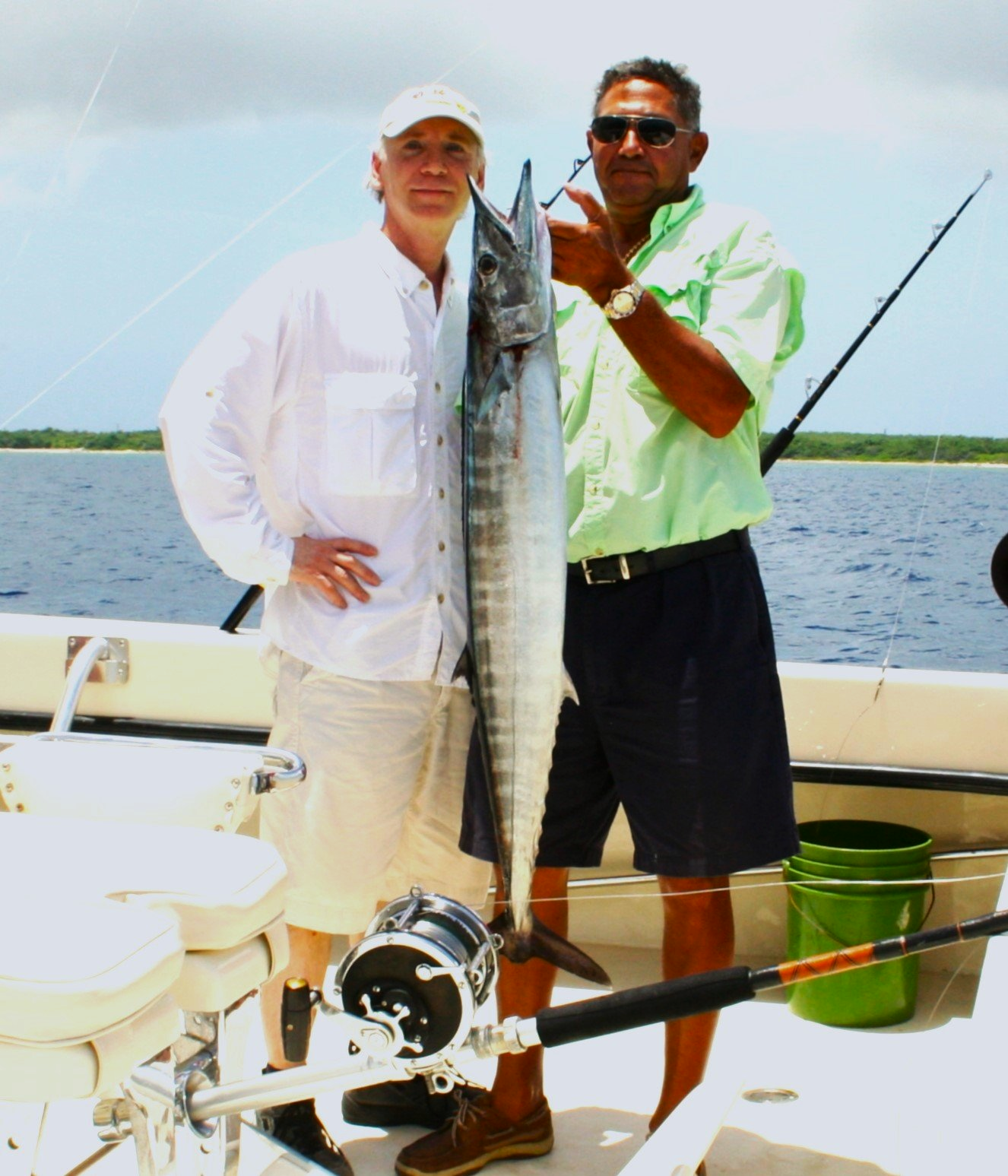
Barracuda
Grand Cayman Island
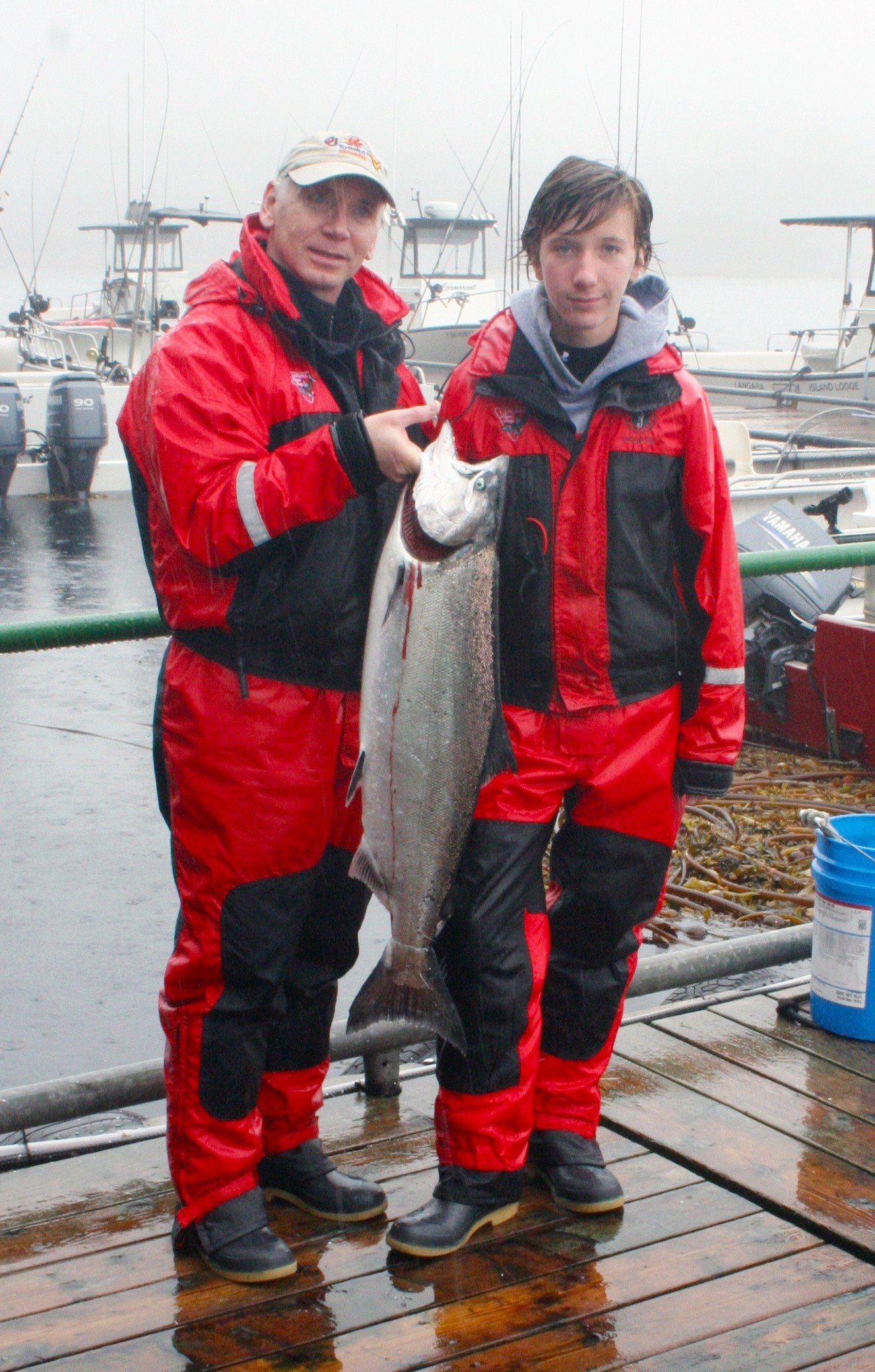
King salmon fishing, Haida Gwaii,
British Columbia
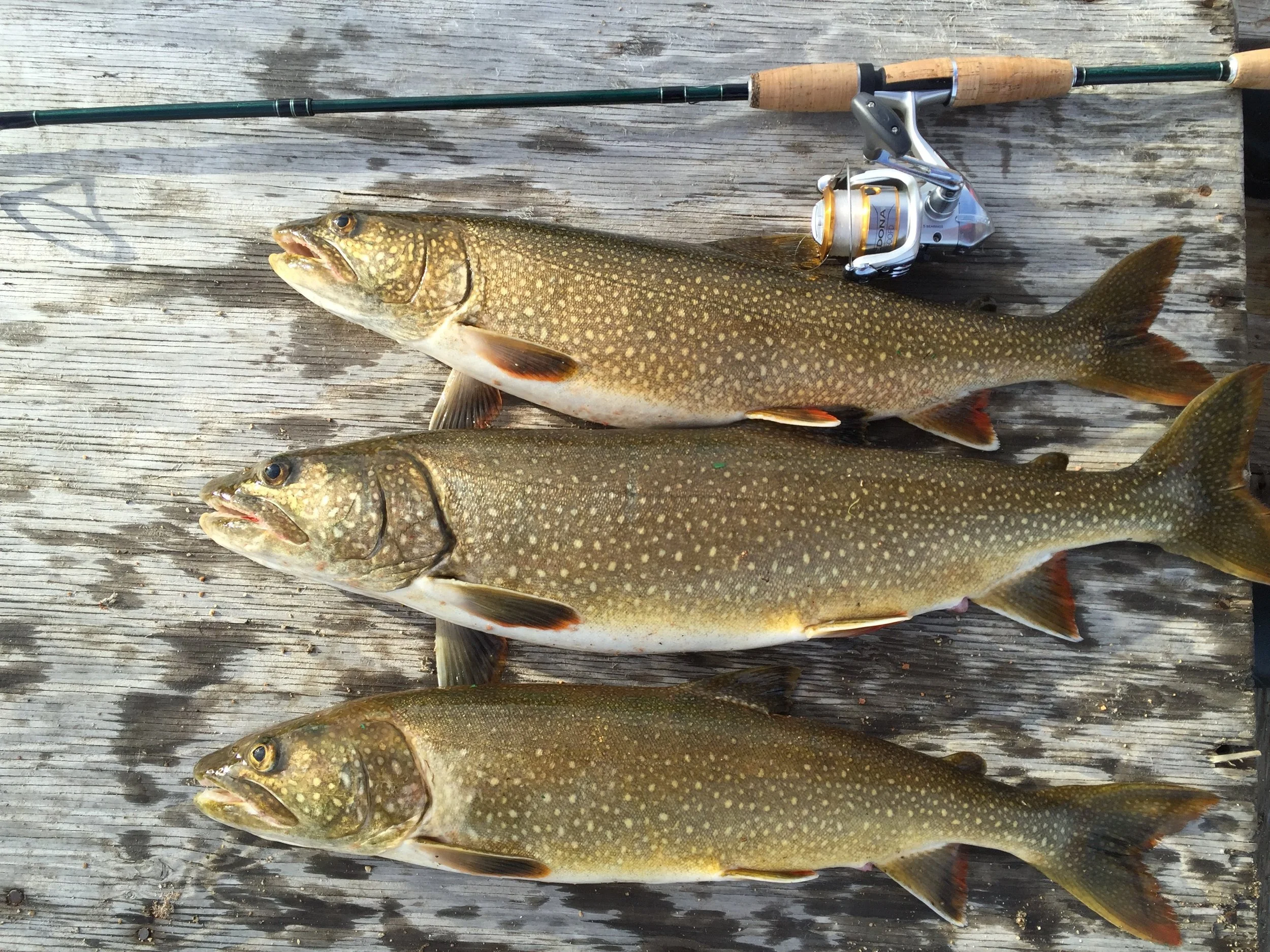
Lake trout
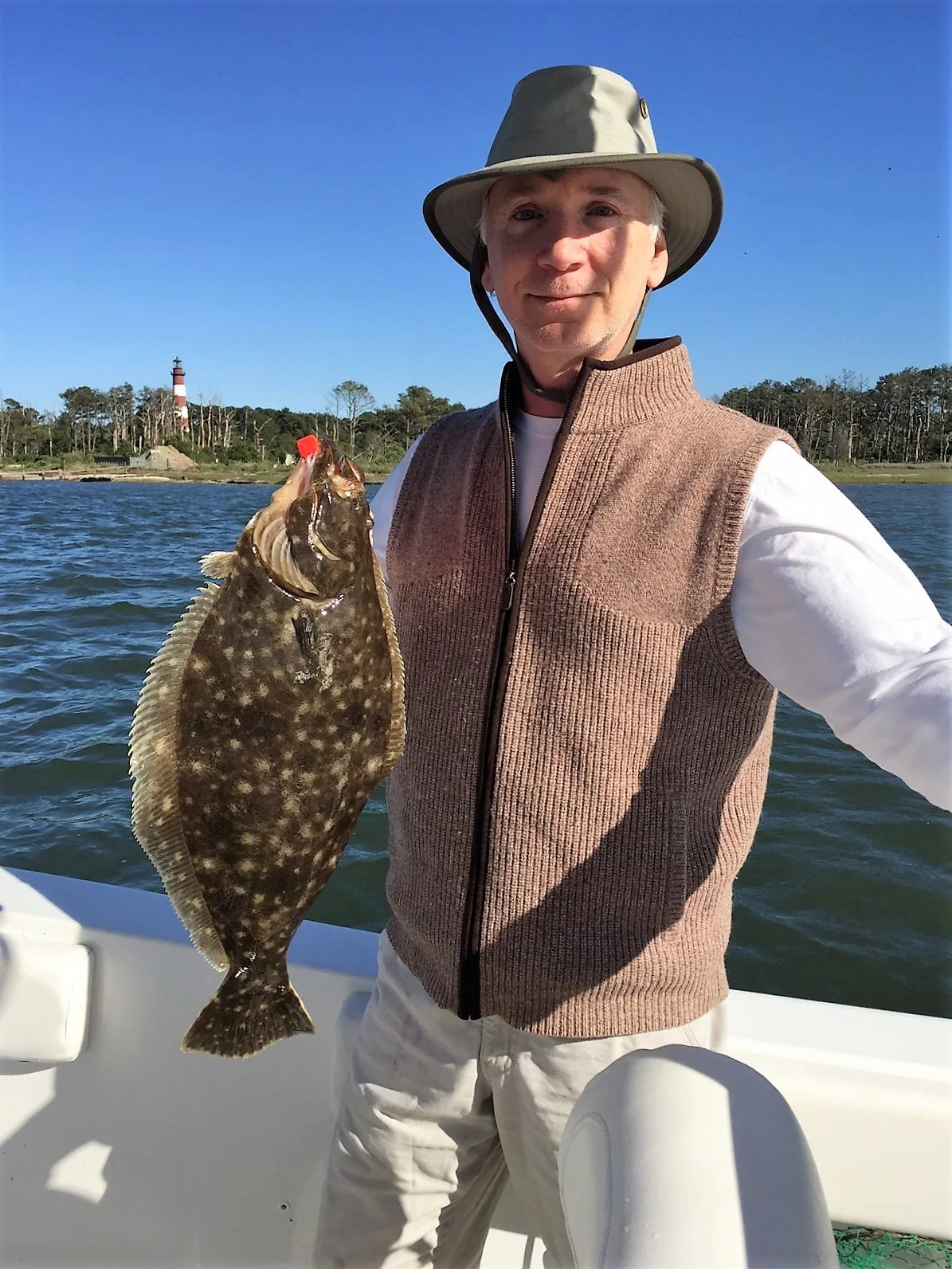
Flounder near my front yard in Chincoteague, Virginia

Bull mahi, Puerto Jiménez, Costa Rica
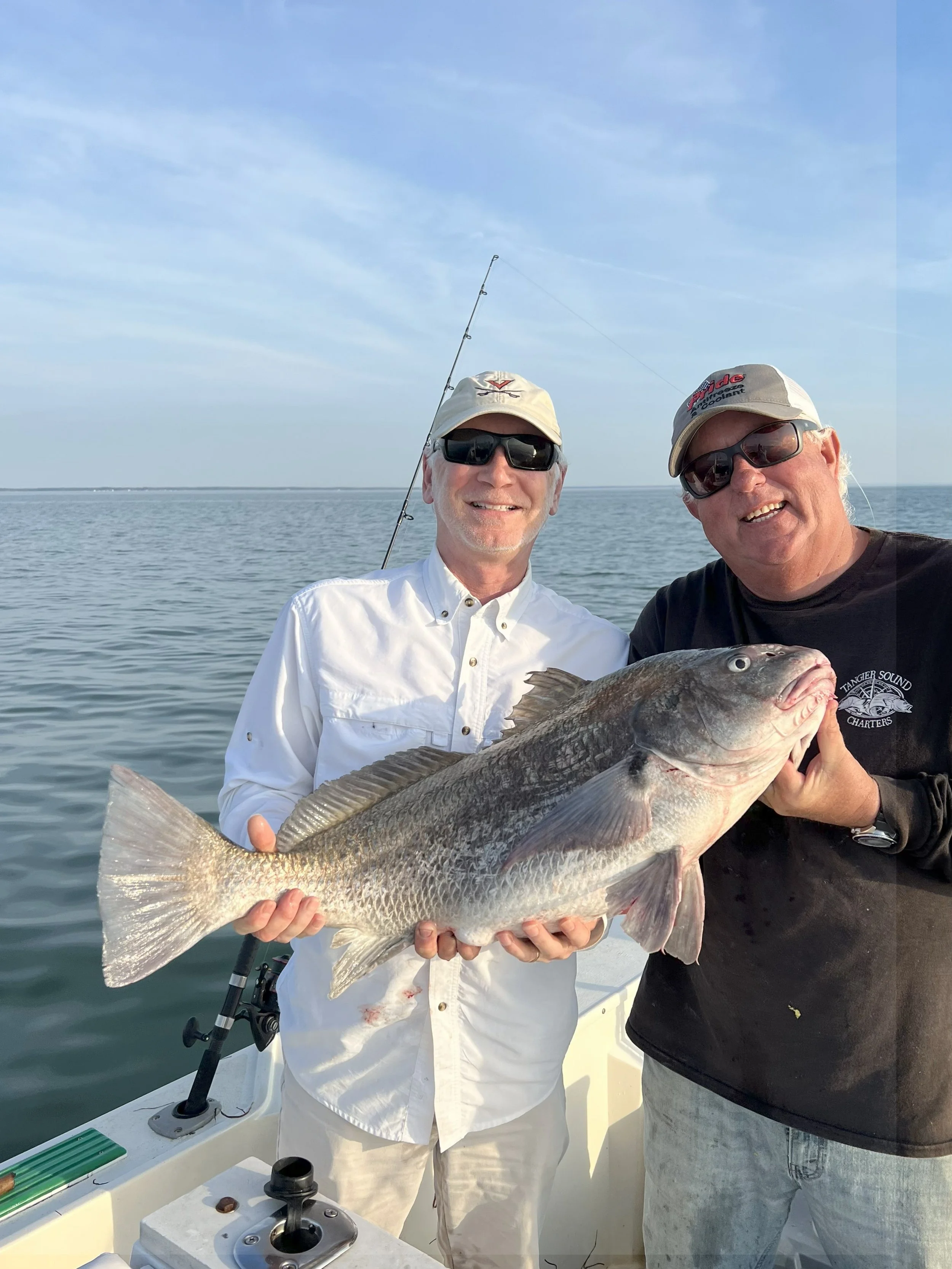
Redfish with author and master guide, C. L. Marshall
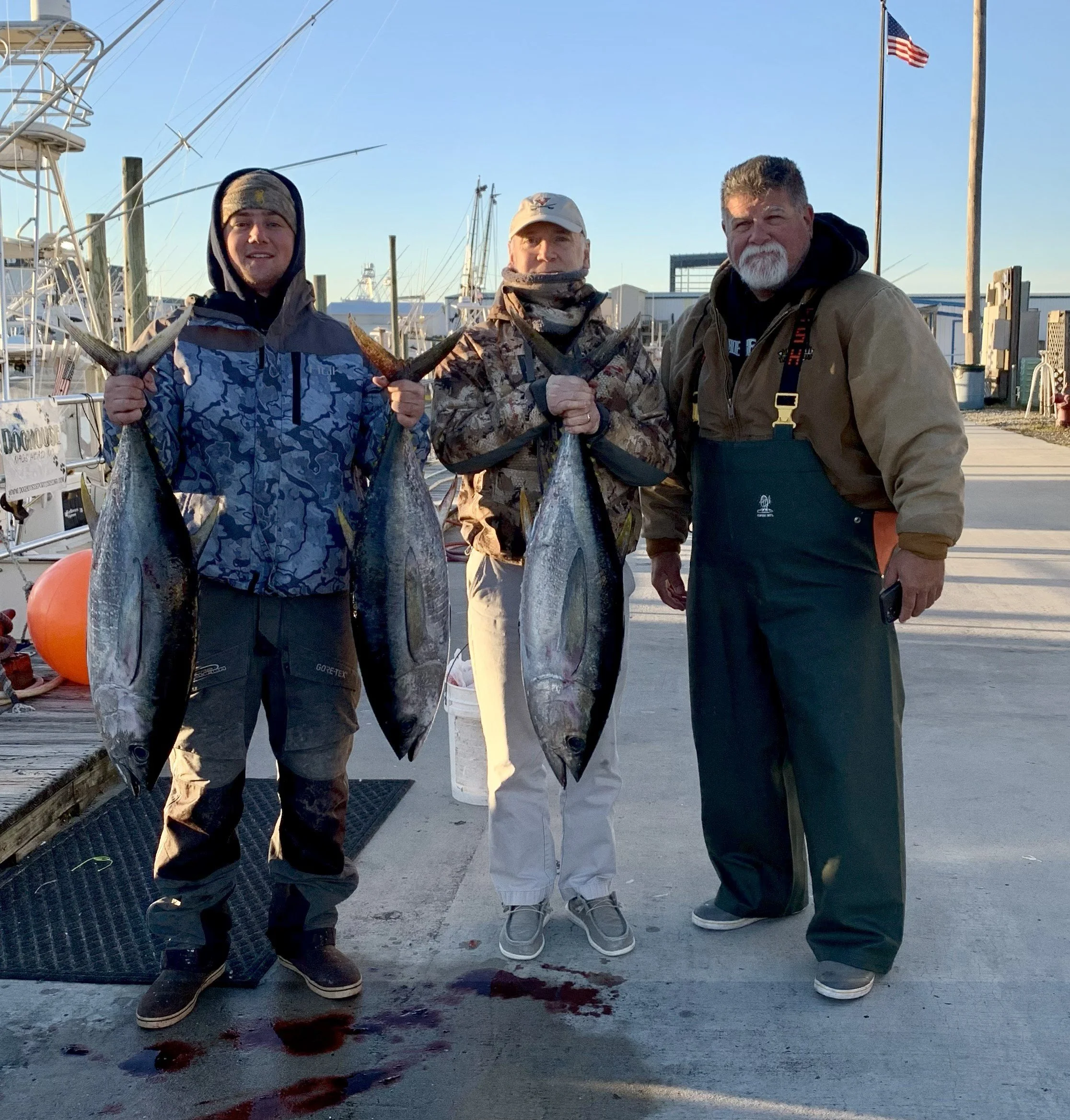
Yellowfin tuna, Oregon Inlet, North Carolina
Hunting
Hunters are one of the most important sources of funding for wildlife conservation in the United States: under our unique system, the revenues from hunters’ purchases of licenses, tags, and taxable firearms and ammunition help pay for land acquisition, habitat restoration, and the recovery of both game and non-game species.
At the beginning of the 20th century, the population of wild turkey was about 100,000. Thanks to the dedicated management and ongoing conservation work made possible through hunter dollars, there are now around 7 million wild turkey roaming the United States and Canada. Many other species—such as the white-tailed deer, wood duck, Rocky Mountain elk, Pronghorn antelope, and bighorn sheep—have similar success stories thanks to critical conservation funding from hunters.
The value of hunting also hits close to home for me. My house on Chincoteague Island faces the Chincoteague National Wildlife Refuge, which spans 14,000 acres of pristine wildlife habitat. The Refuge was purchased in 1943 using money from the sale of Migratory Bird Hunting and Conservation Stamps.
As Yale Professor, Steve Kellert, noted, ““Hunting is one of the oldest of human practices. Indeed, according to some it has been the primary basis for our species’ social, intellectual, and evolutionary development. Perhaps 99 percent of human tenure on earth has been as a hunter-gatherer.”
Hunting connects us with our past and gives us a singular understanding of and appreciation for wildlife. Finally, hunting provides lean, organic, chemical-free meat.
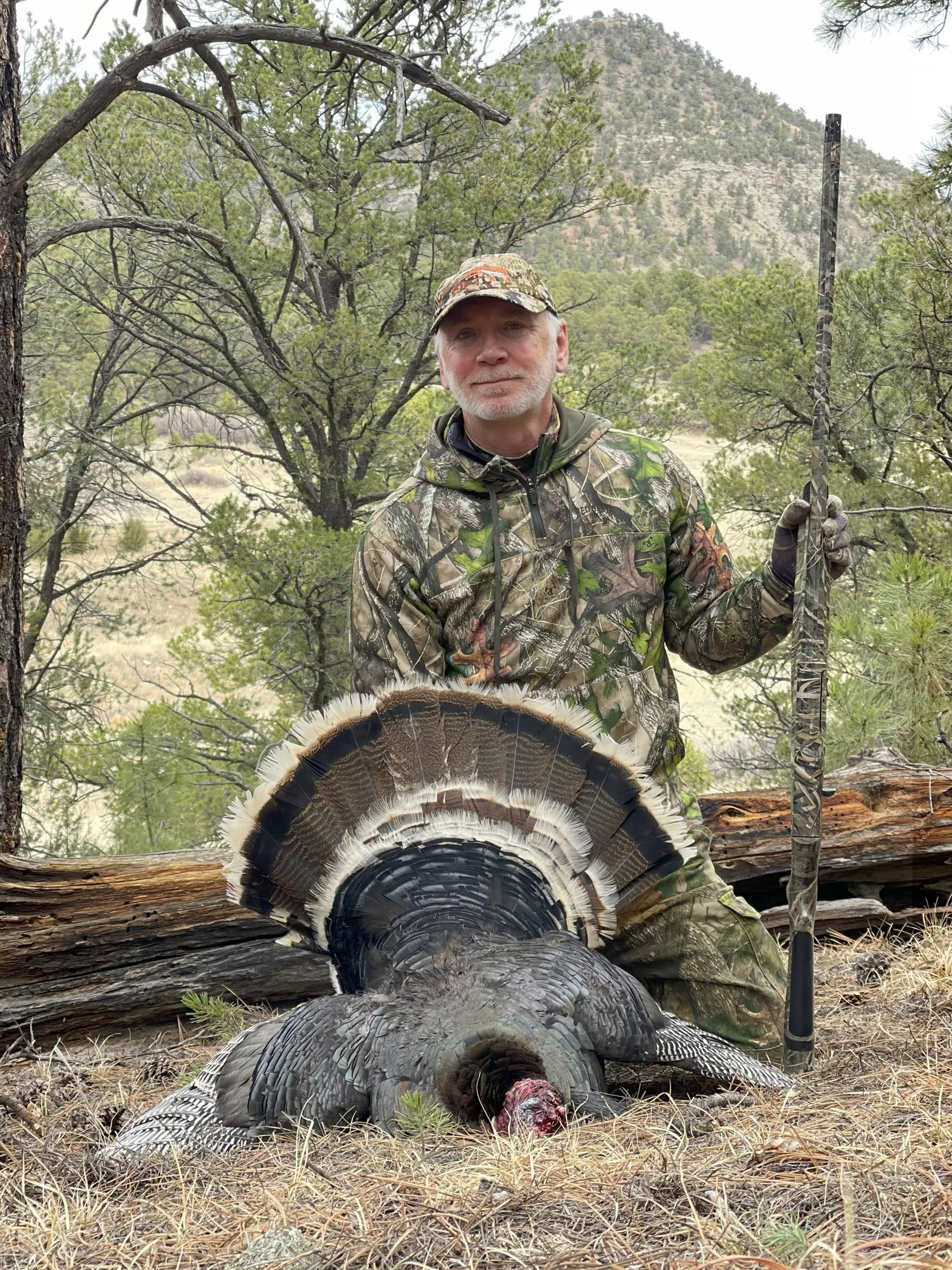
Merriam's turkey
New Mexico
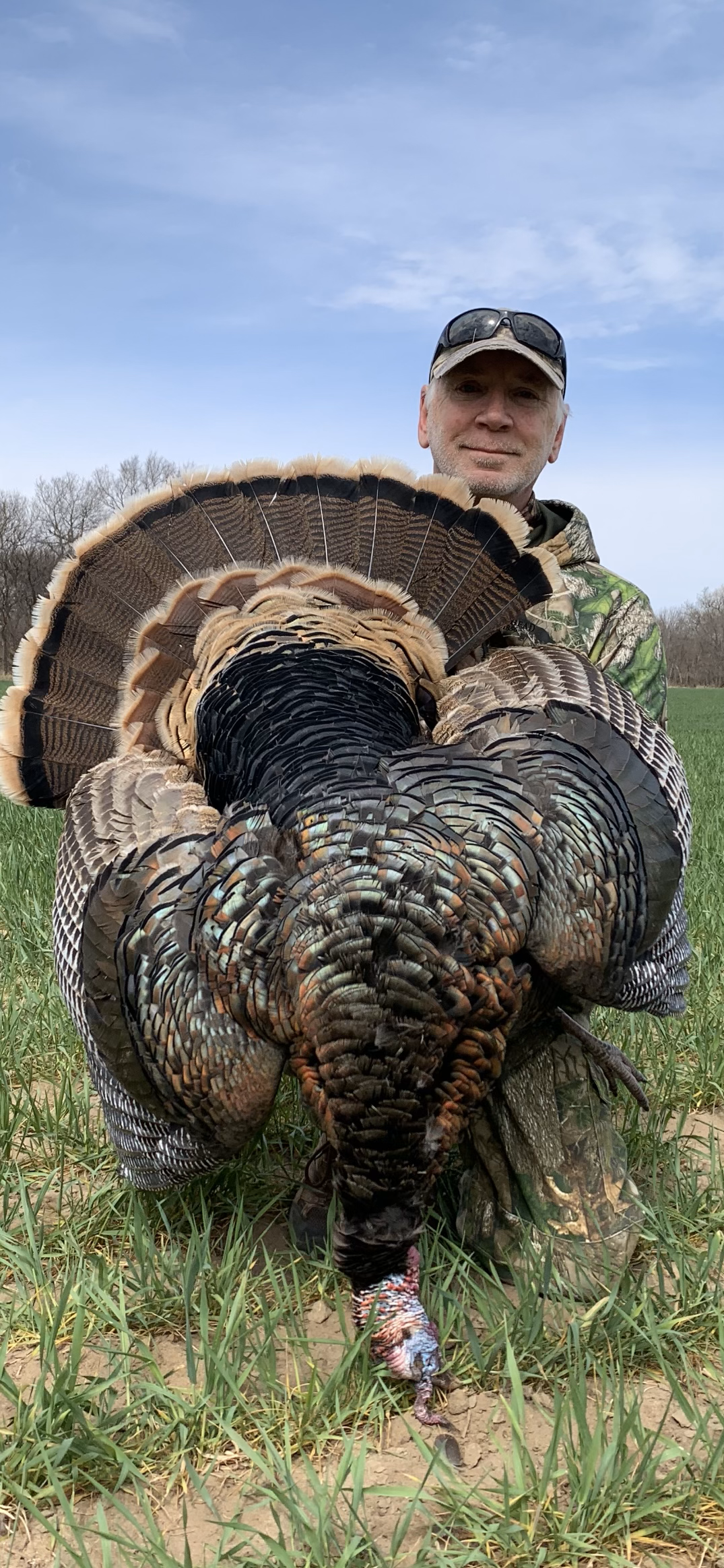
Rio Grande turkey
Kansas
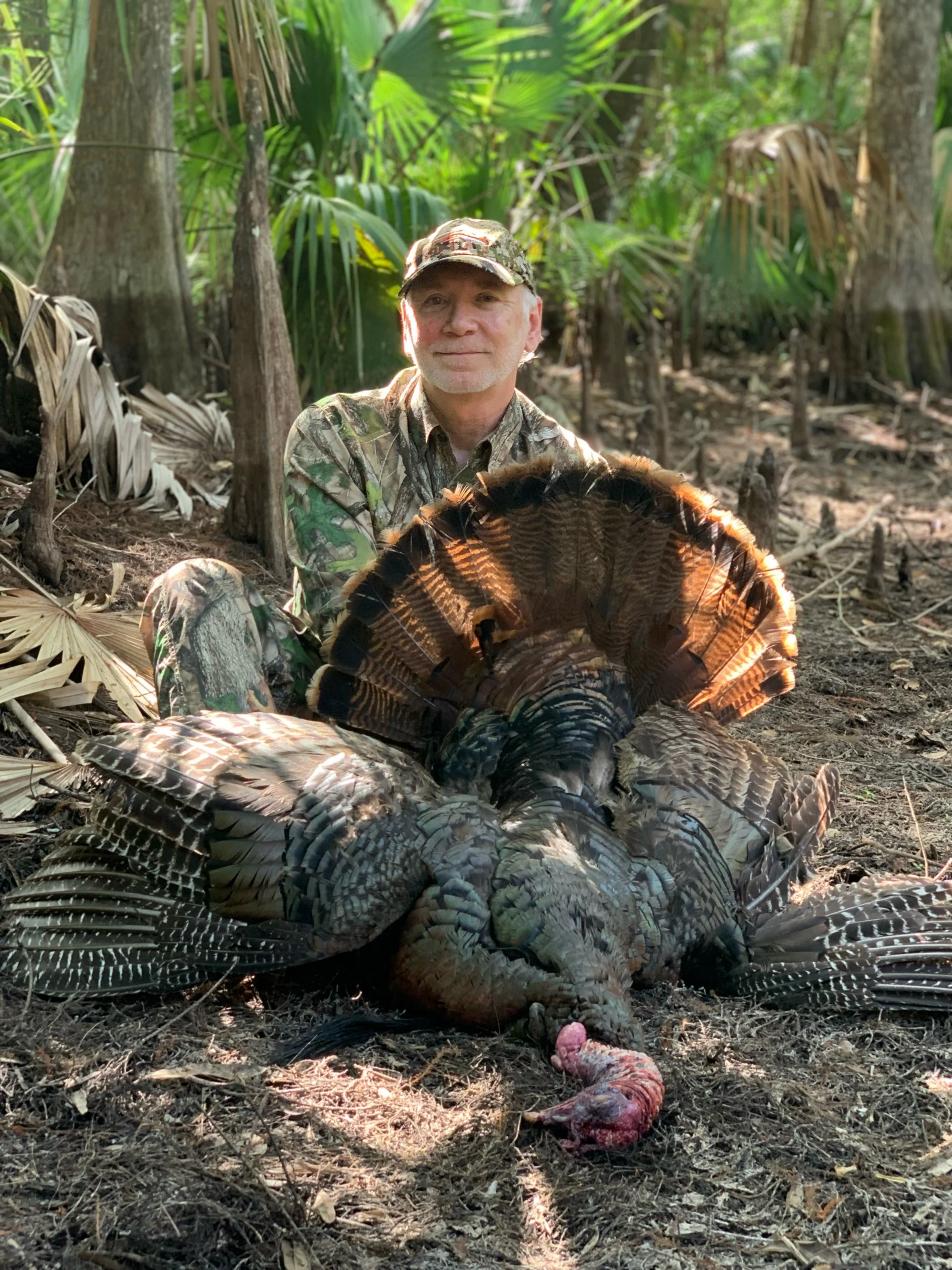
Osceola turkey
Florida
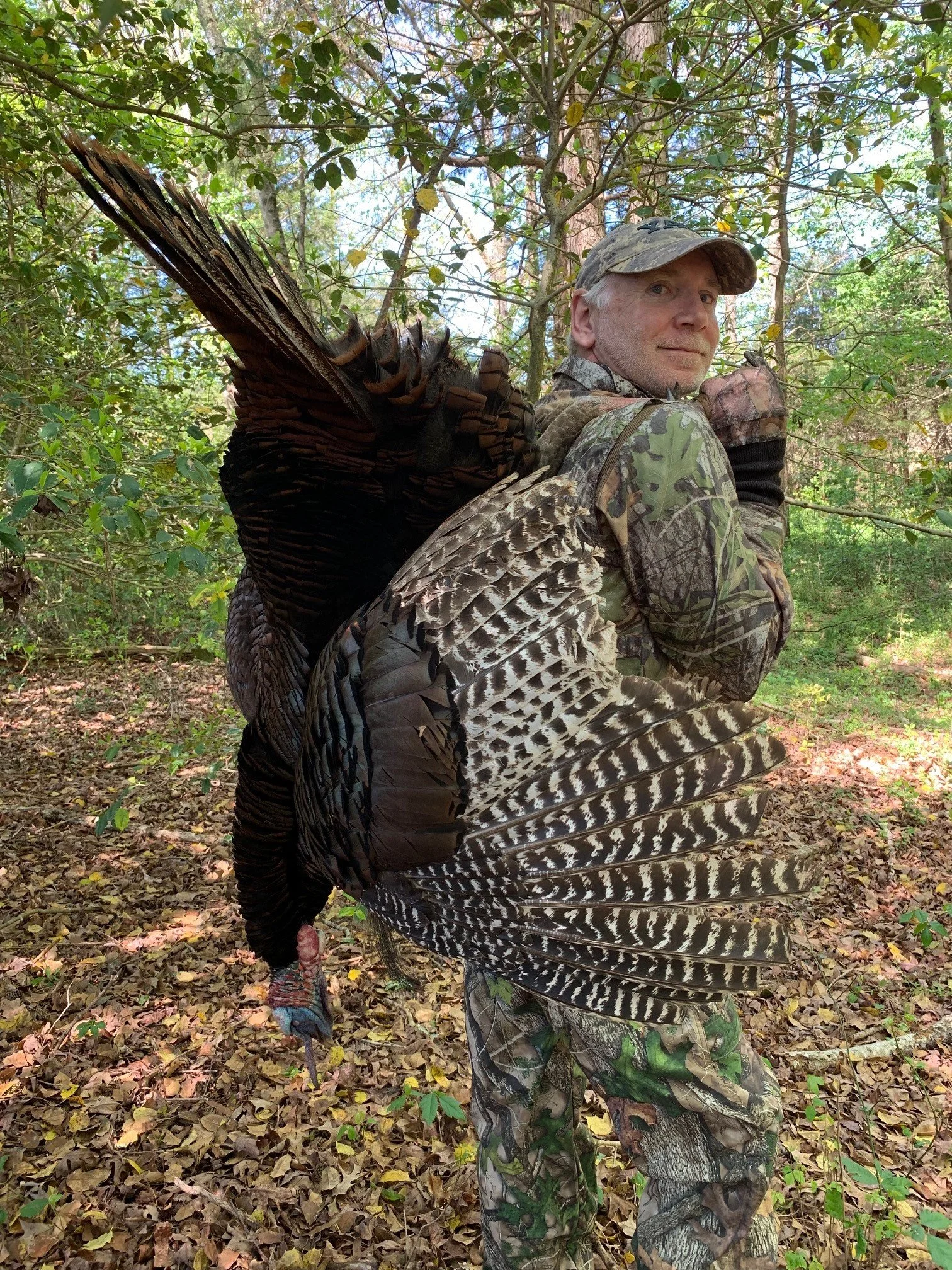
Eastern turkey
Virginia
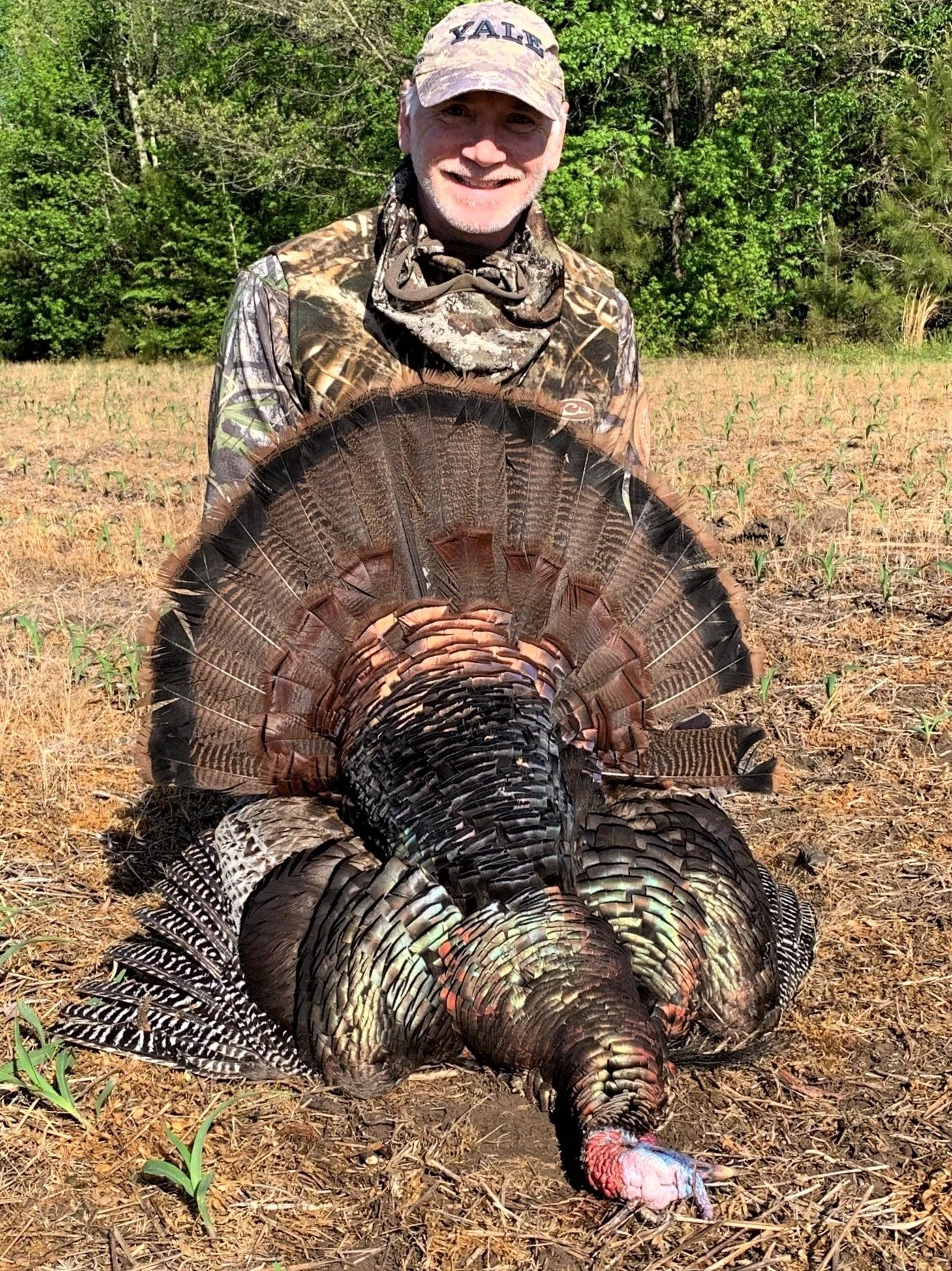
Eastern turkey
Virginia
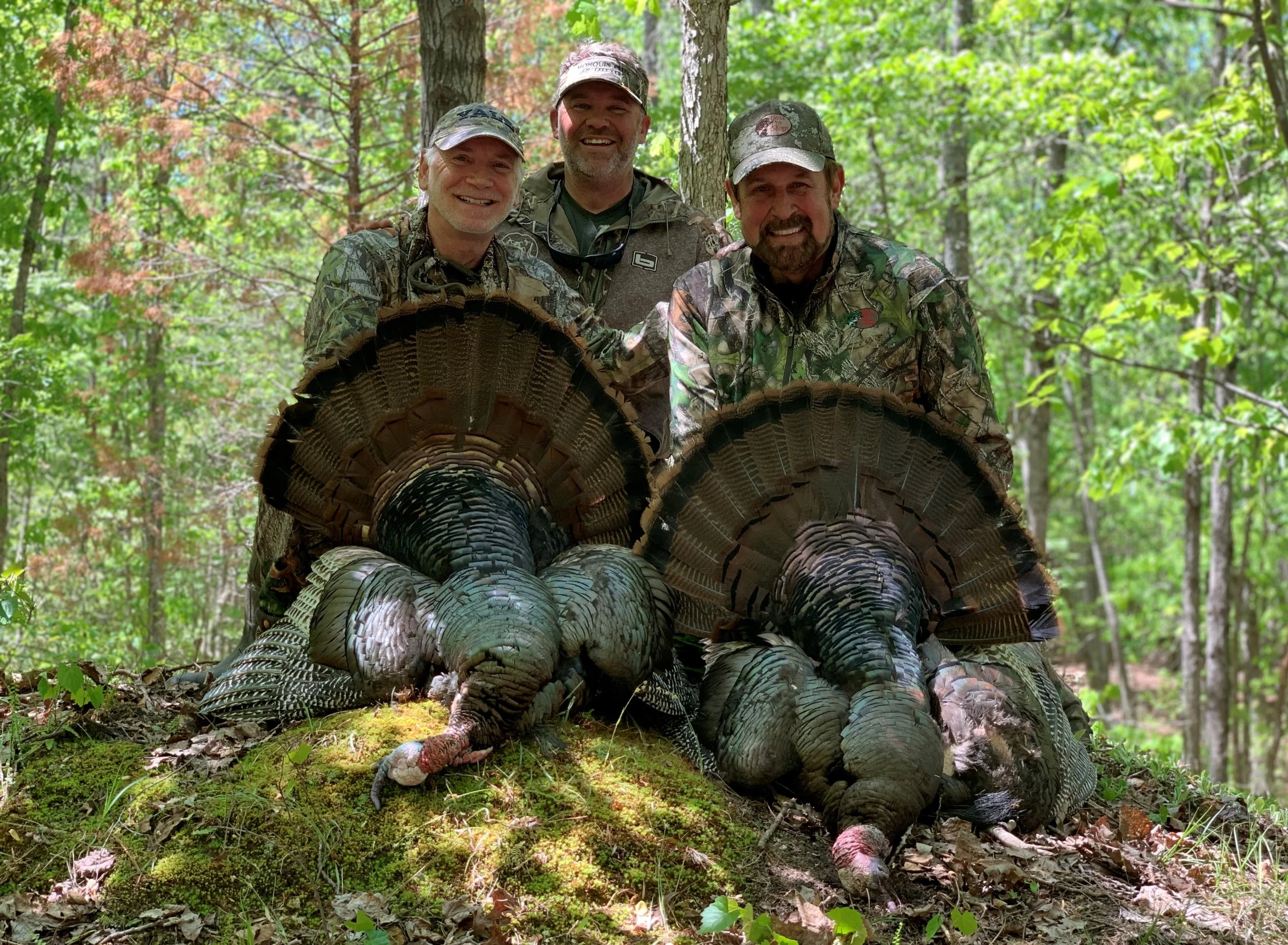
MDD and Rob Keck
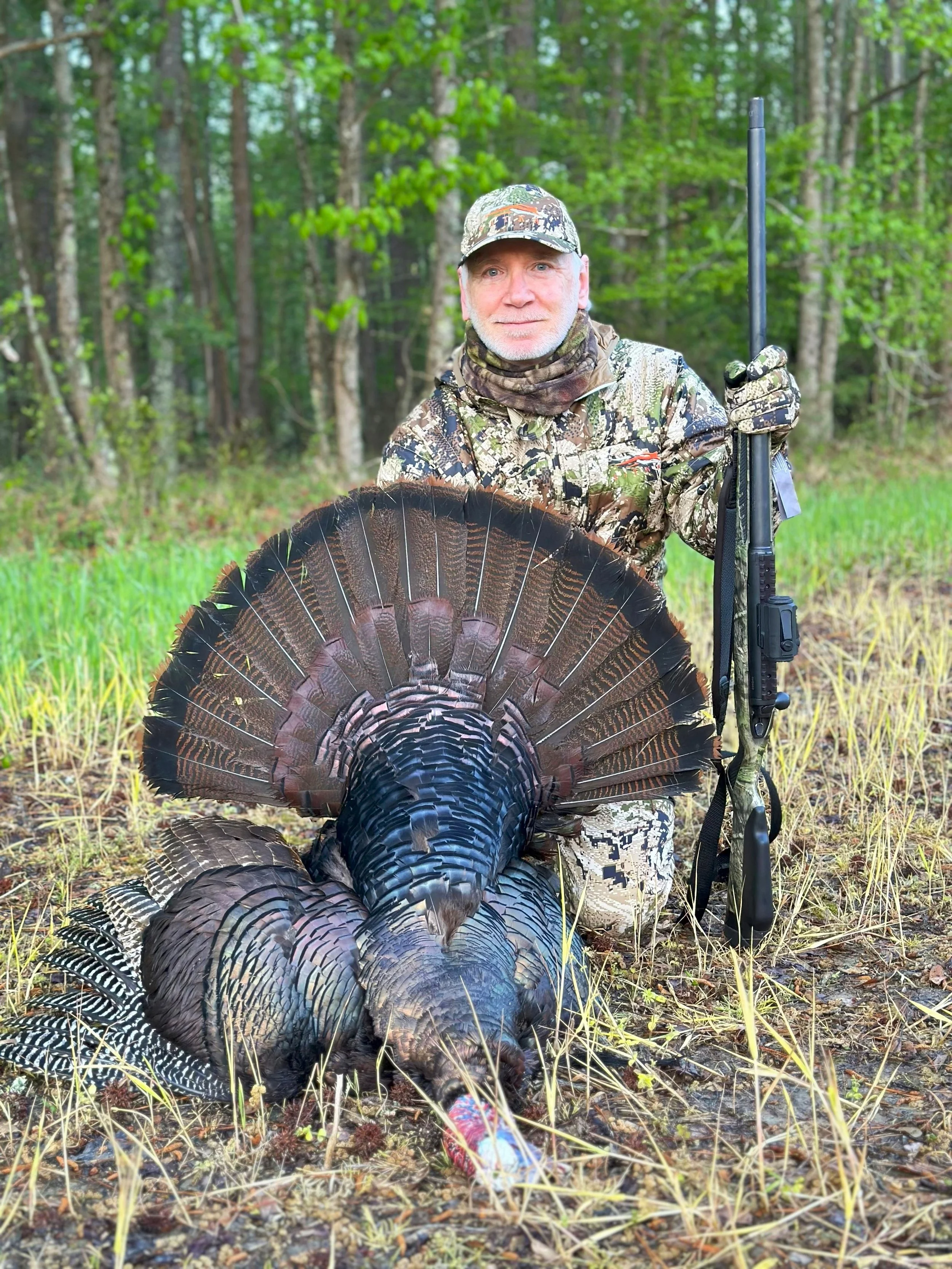
North Carolina
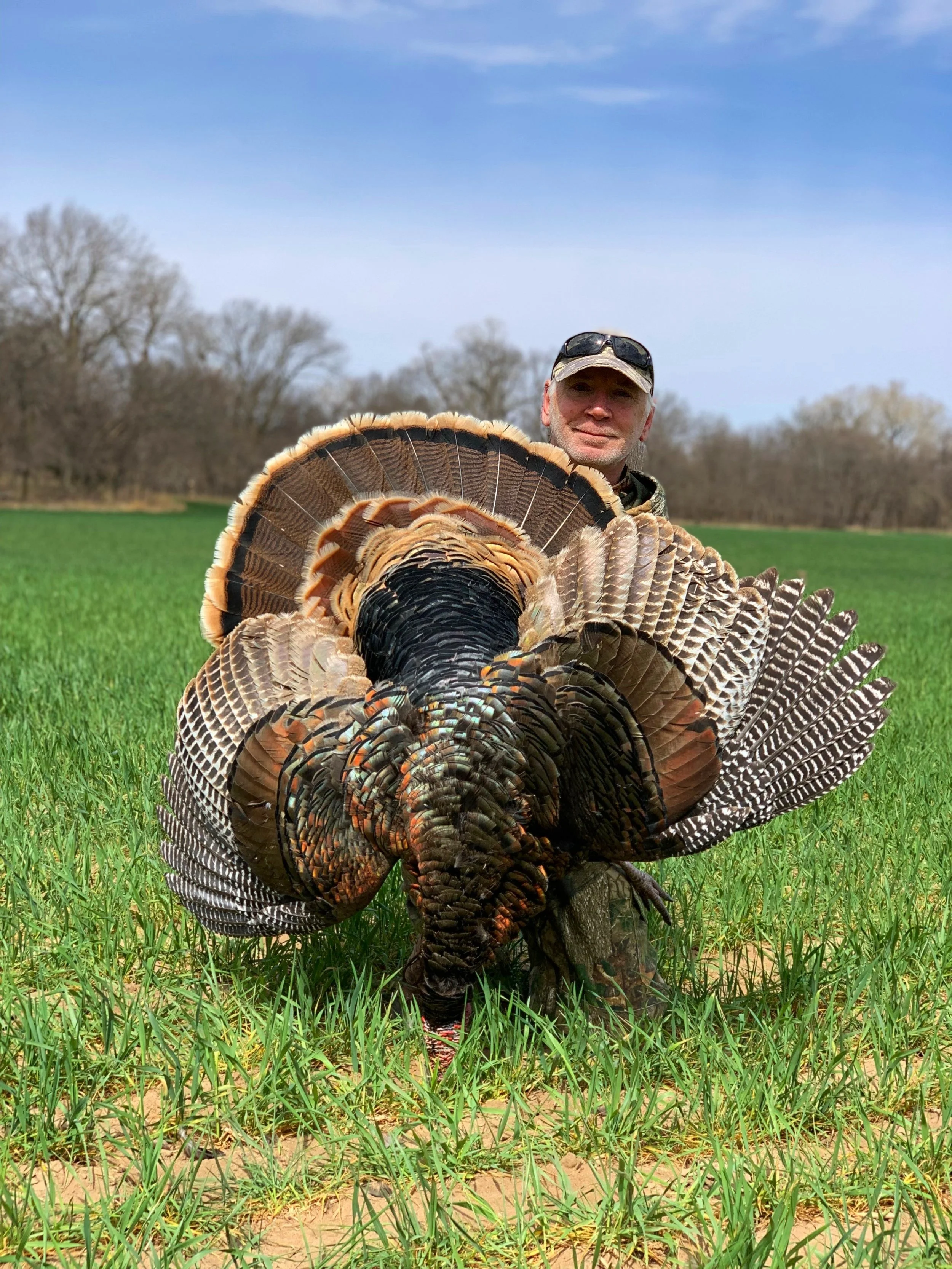
Kansas
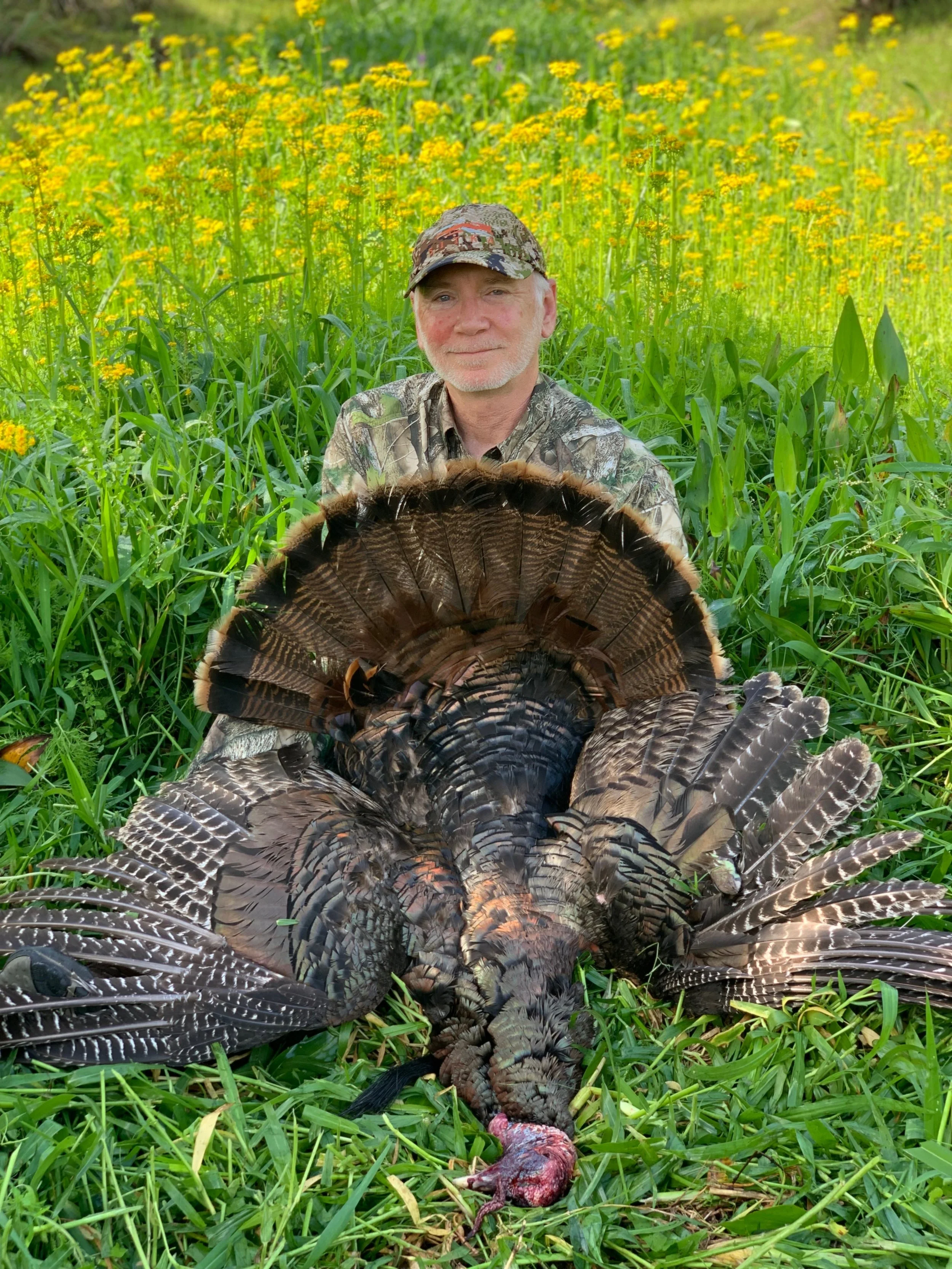
Florida
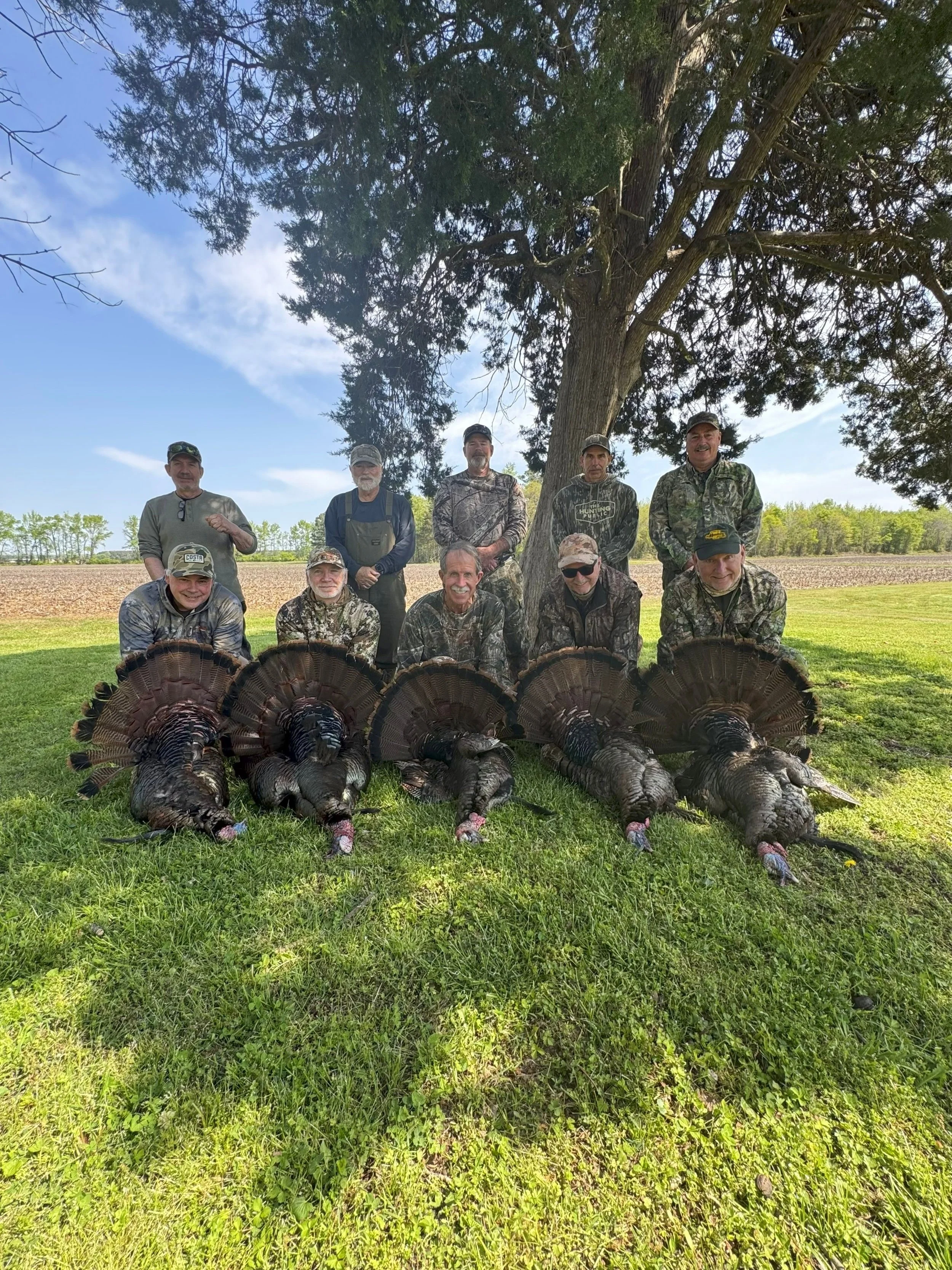
North Carolina
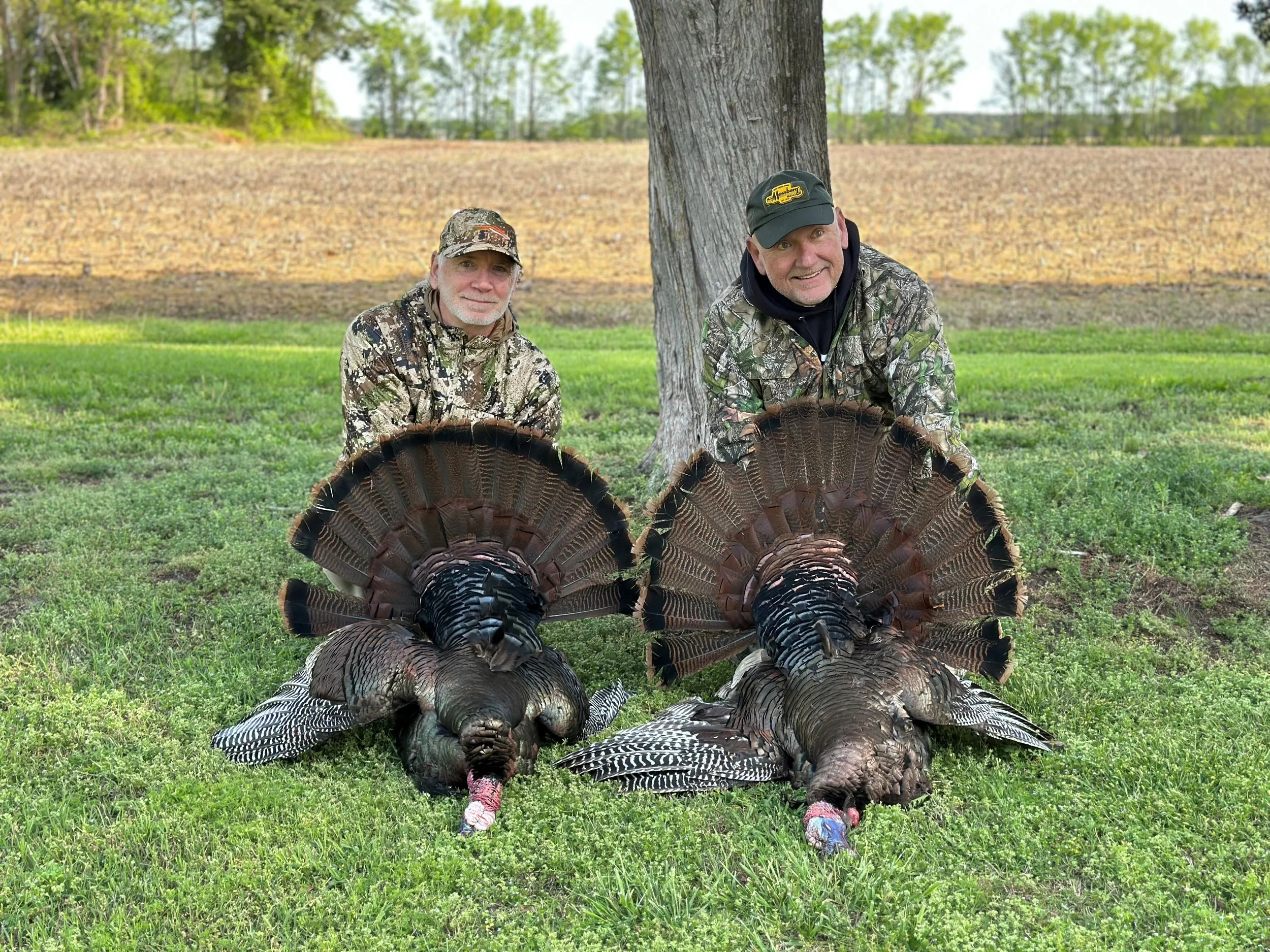
MDD and brother, Stan (it did not go unnoticed that his turkey was bigger)
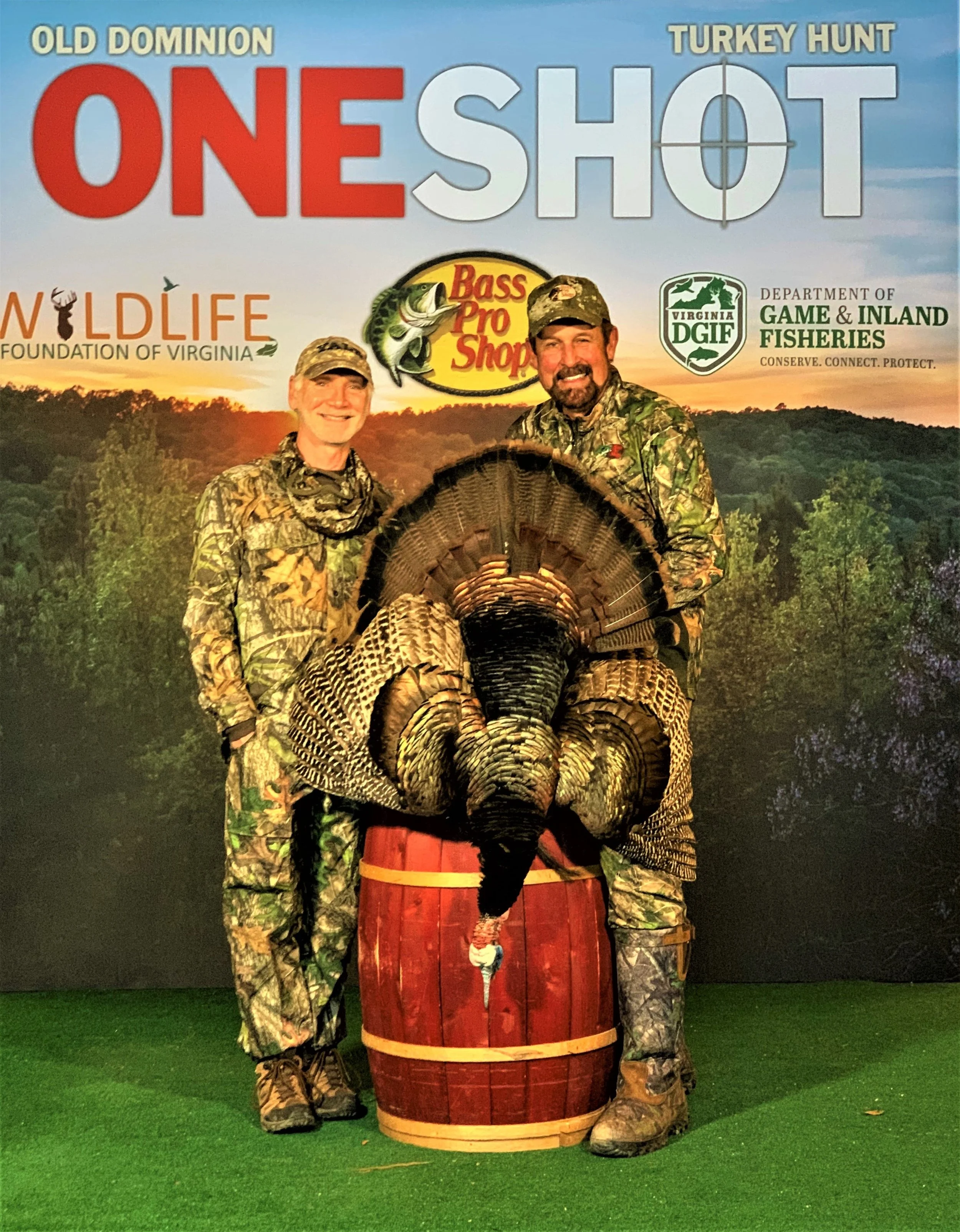
Old Dominion One Shot Turkey Hunt Fundraiser
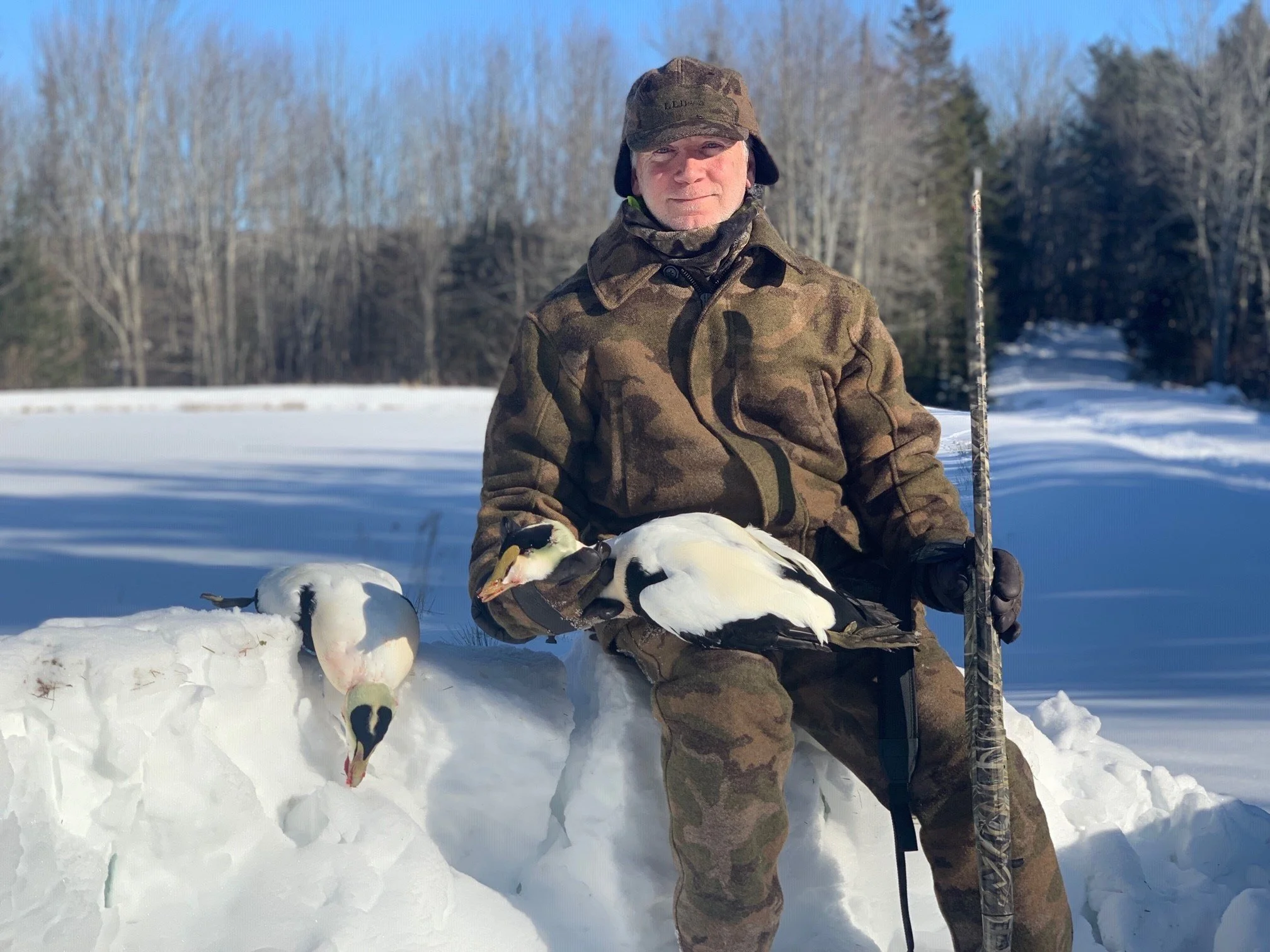
Common eider, Maine
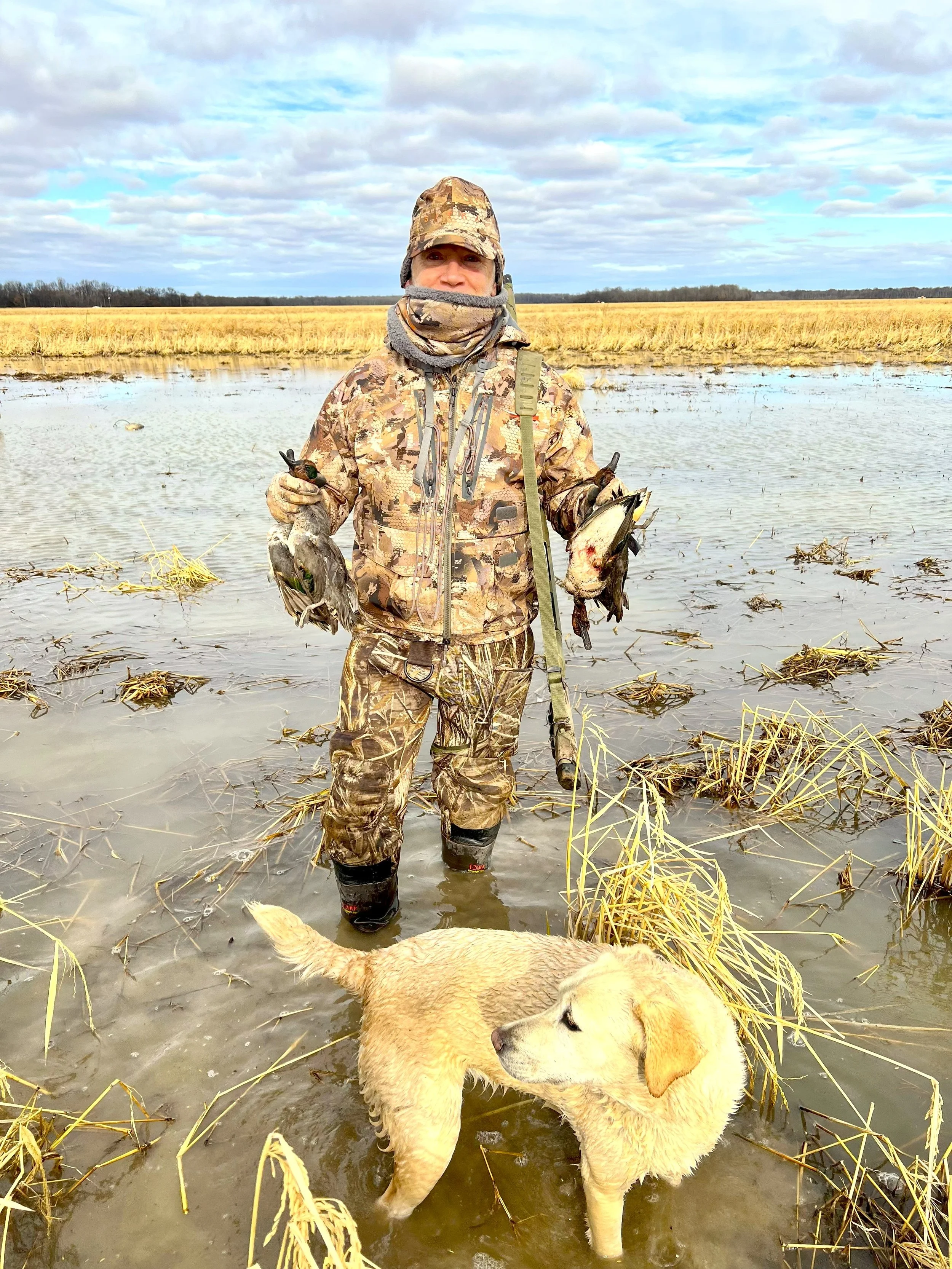
Arkansas
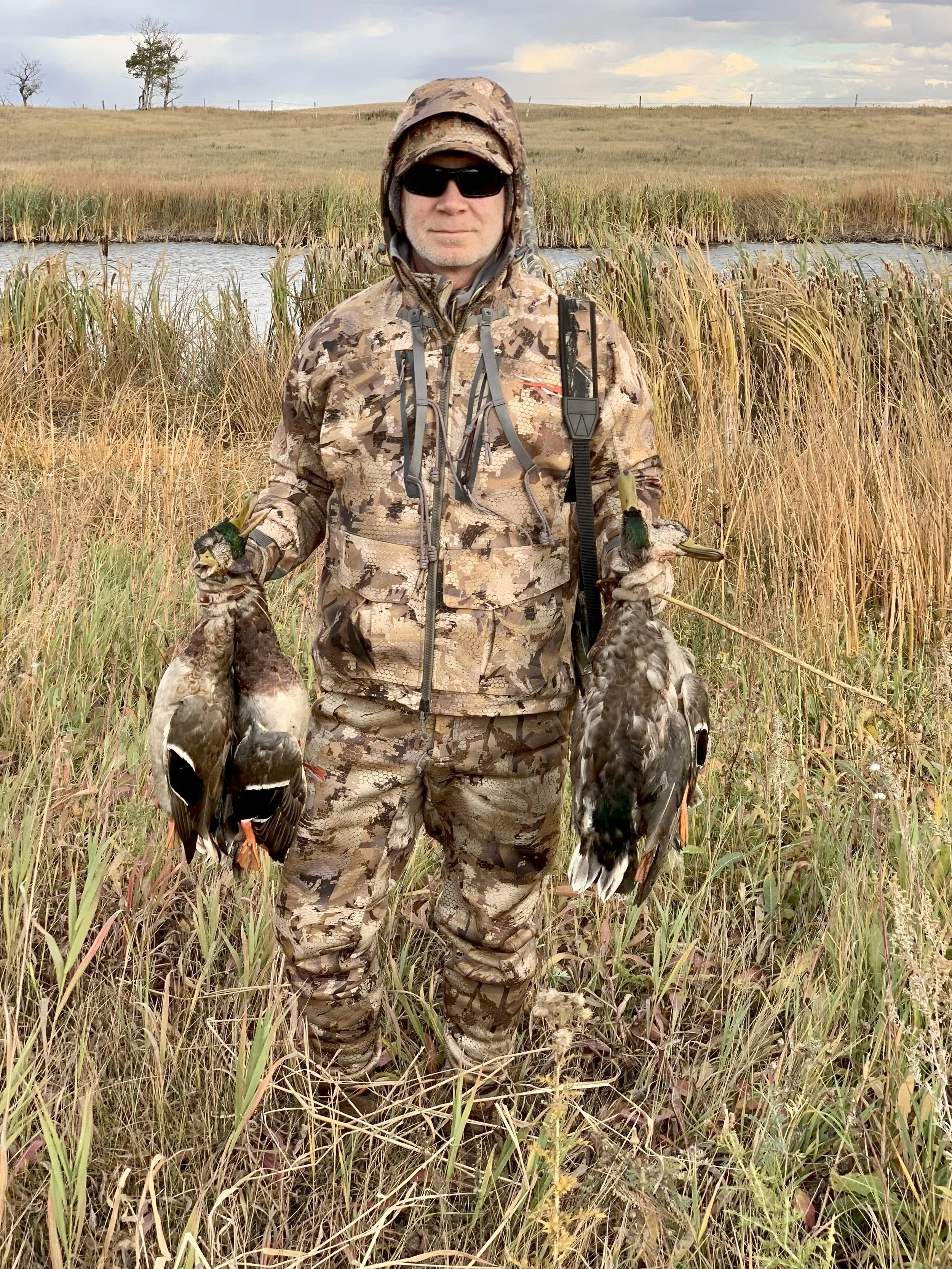
Saskatchewan
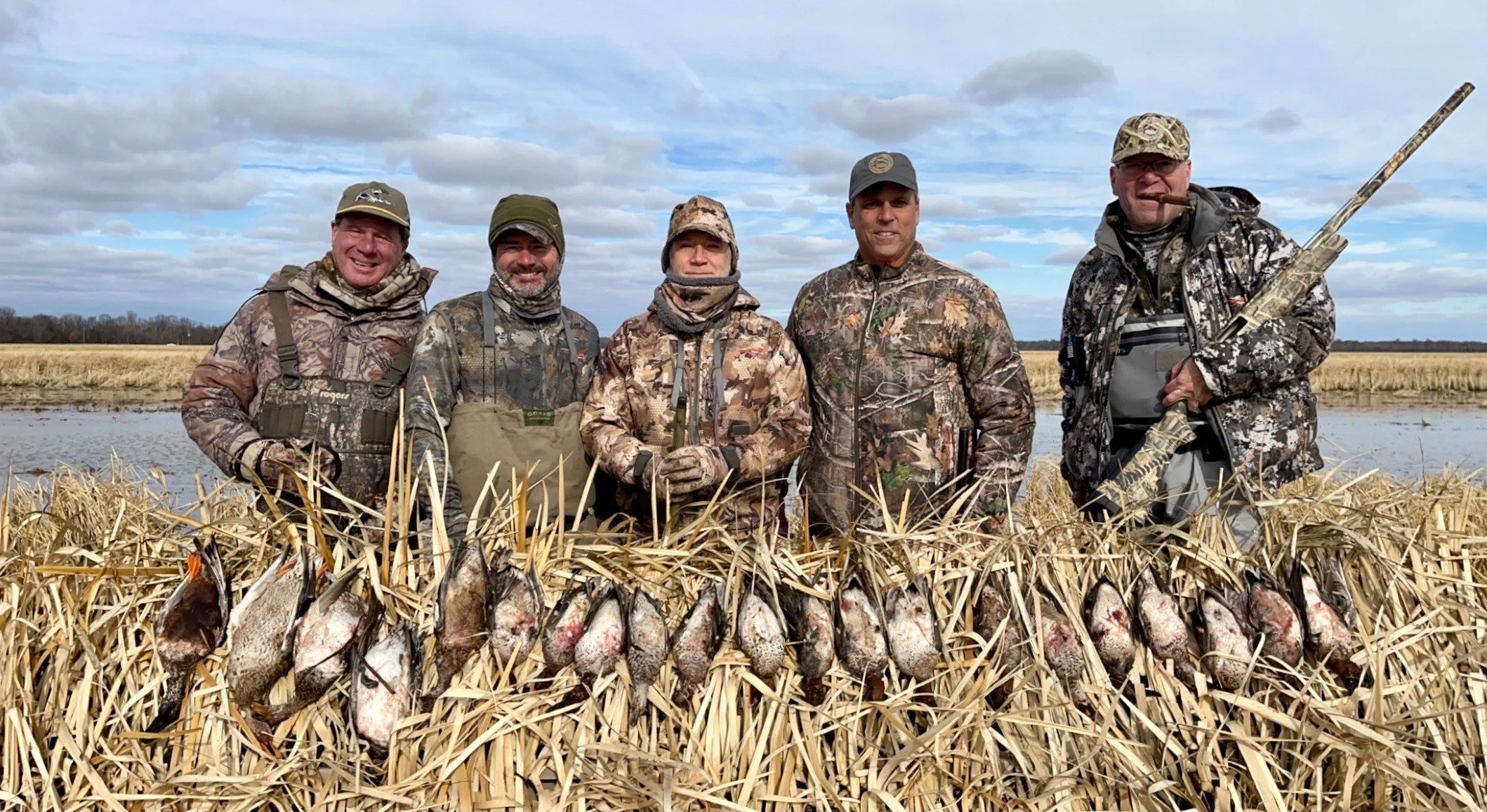
Congressional Sportsmen’s Foundation duck hunt
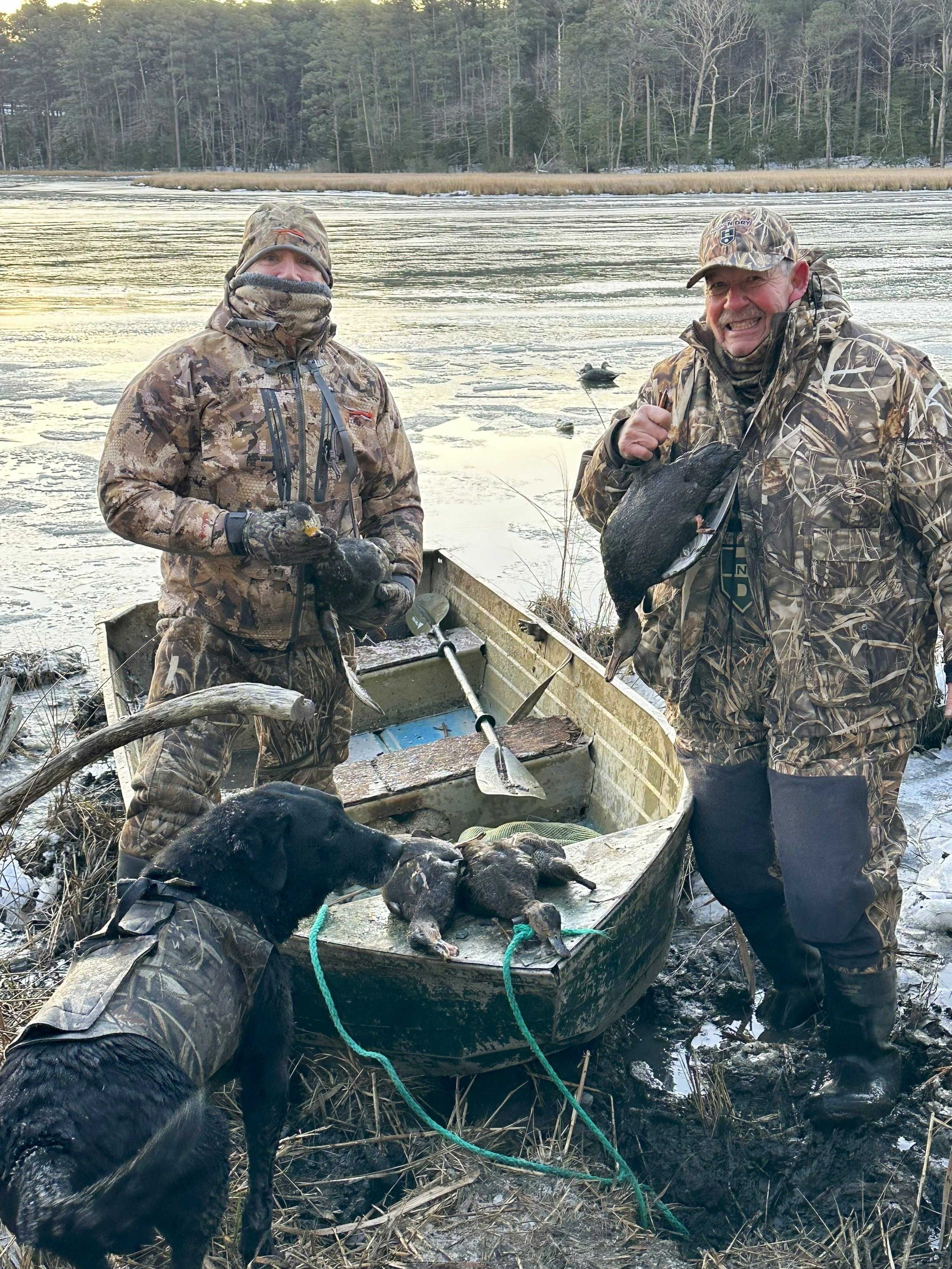
Eastern Shore, Virginia
Northampton County
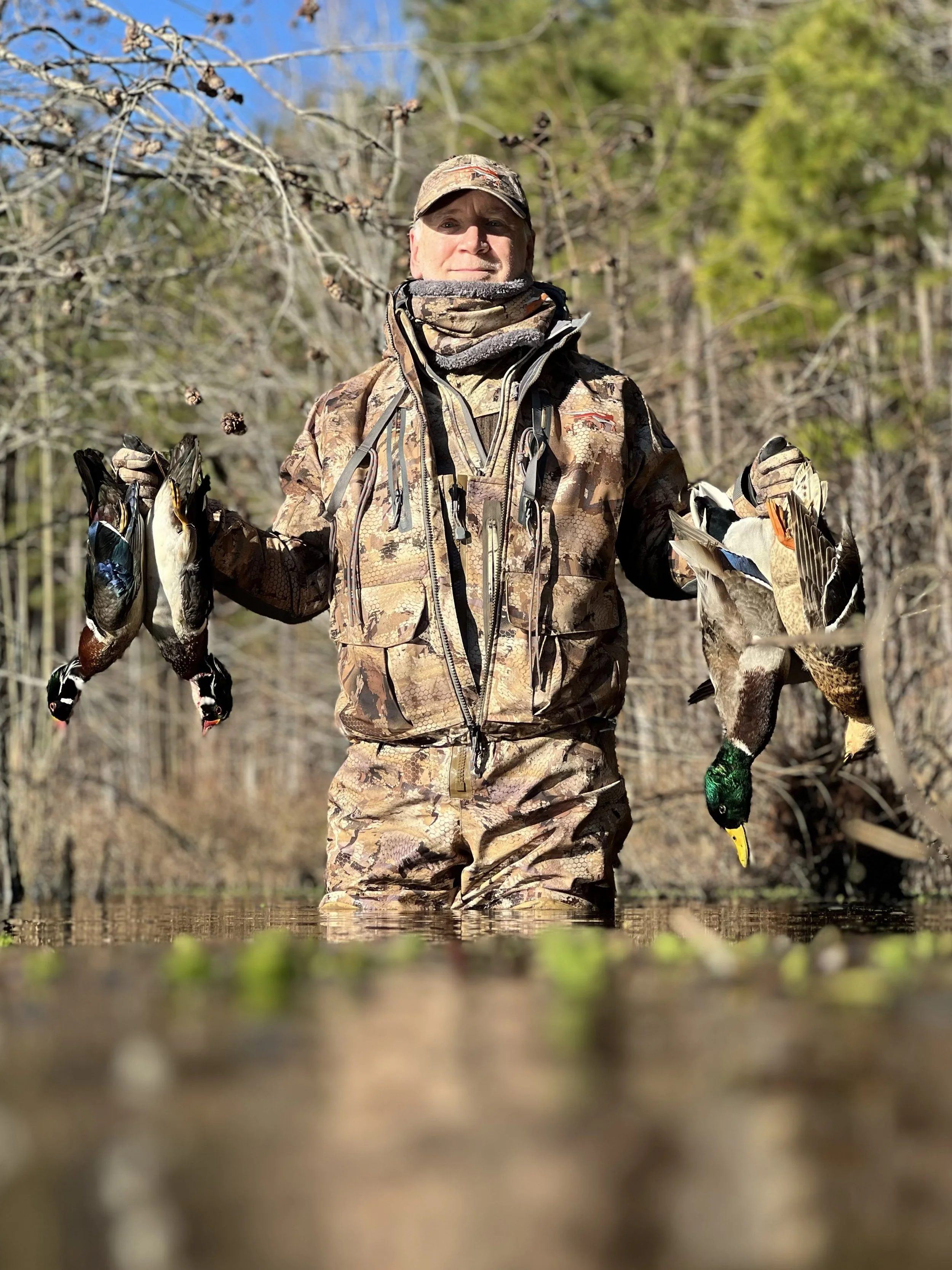
North Carolina
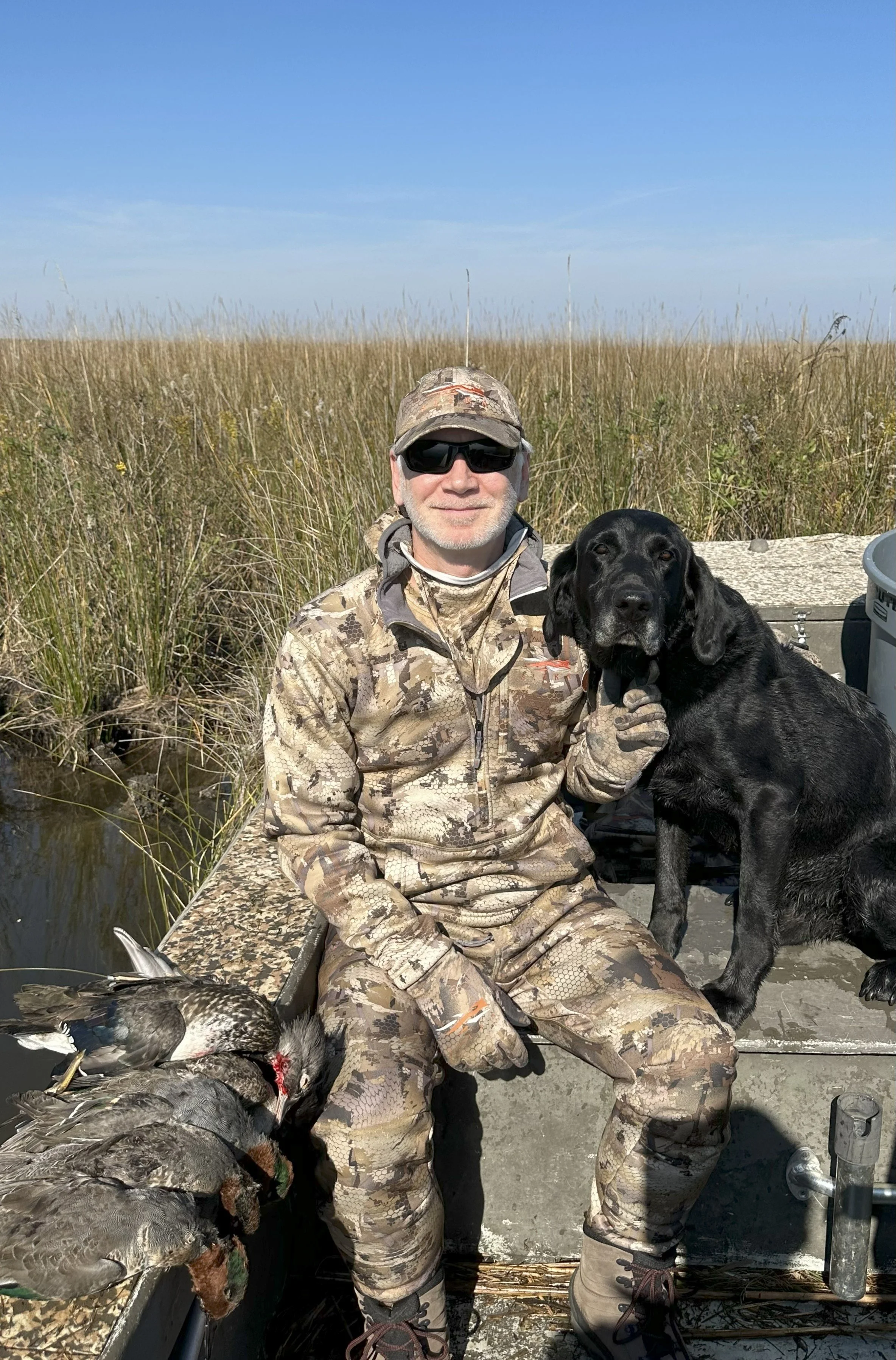
Chincoteague, Virginia
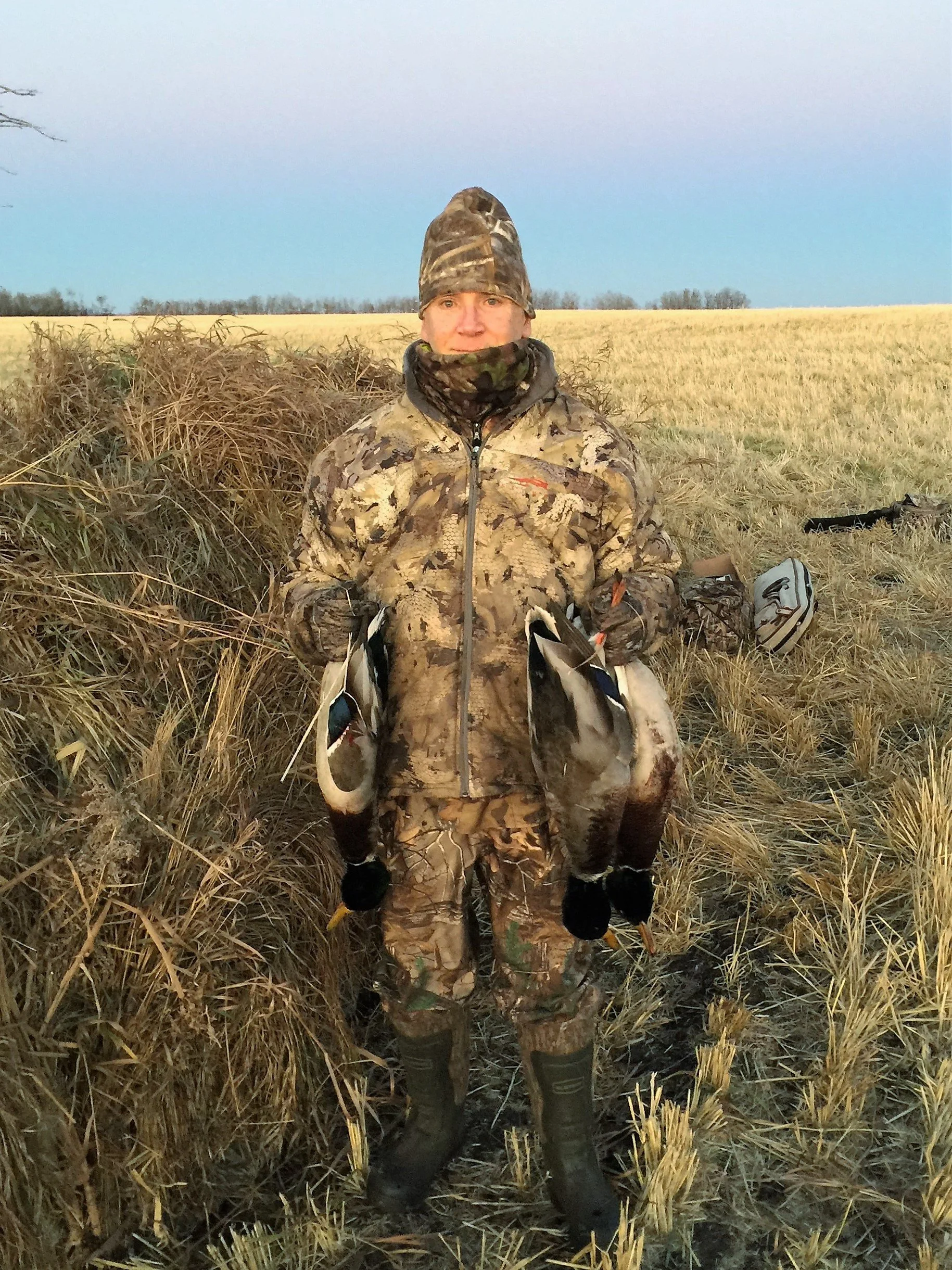
Saskatchewan
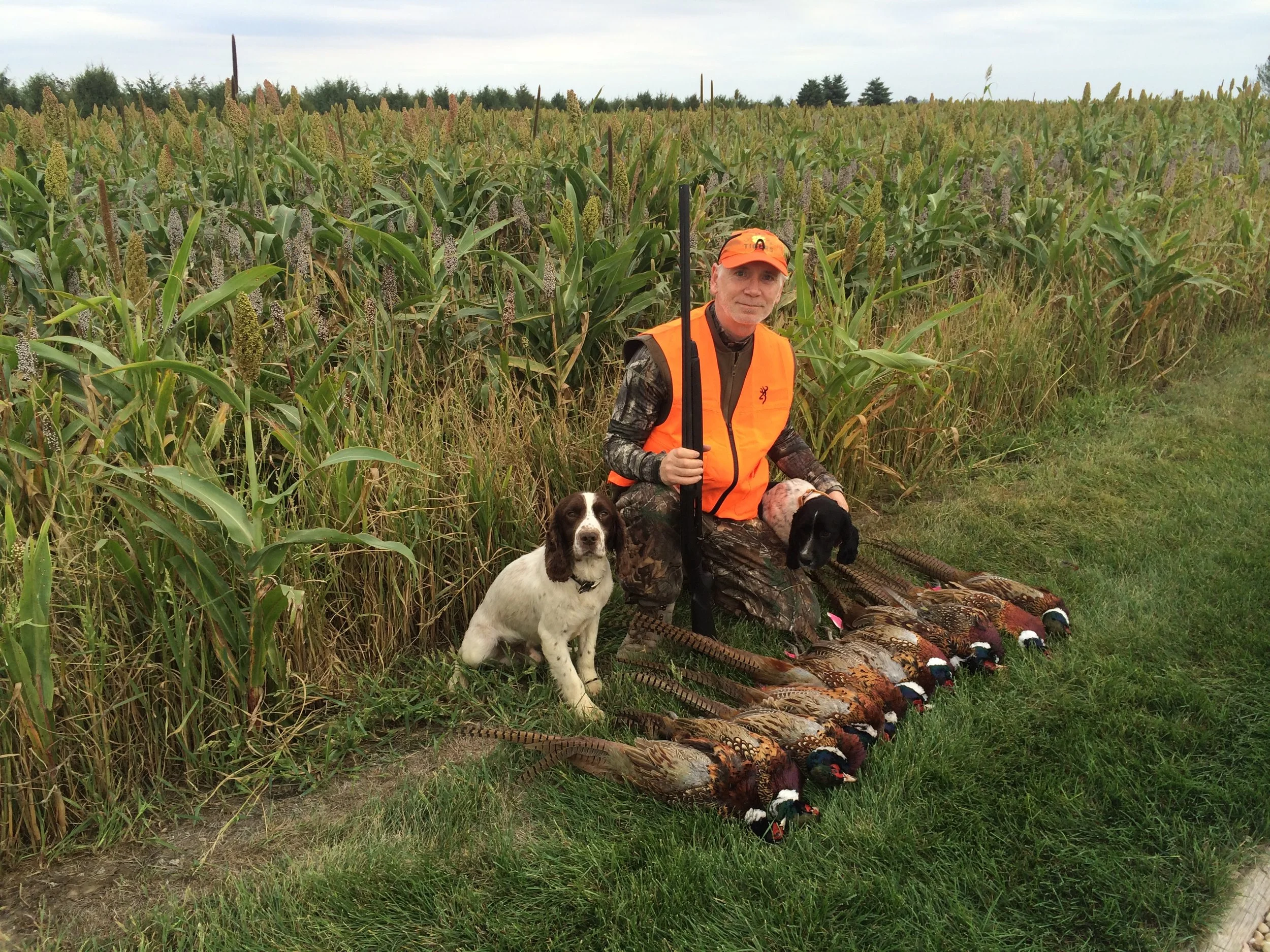
Pheasant hunt, North Dakota
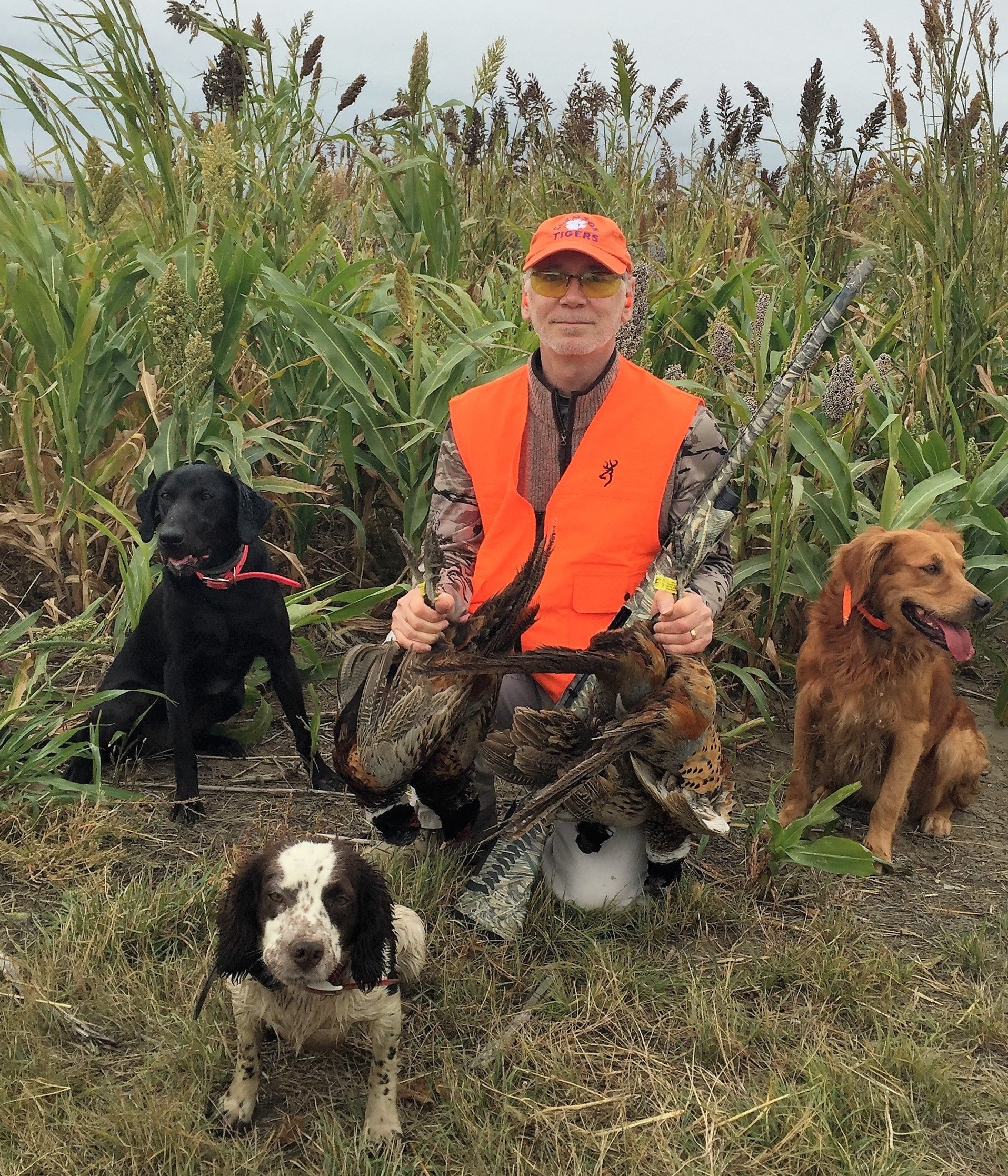
North Dakota
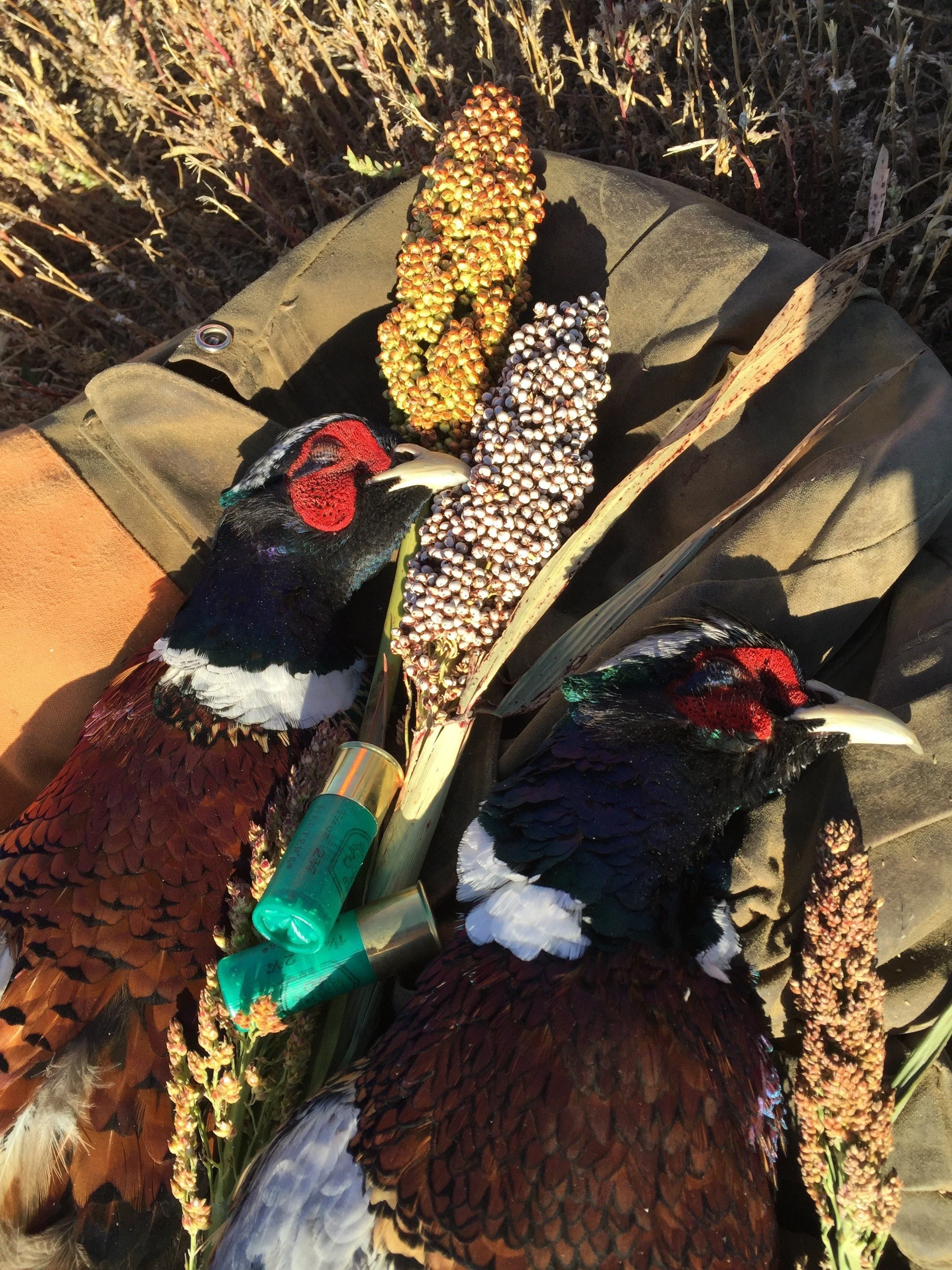
North Dakota
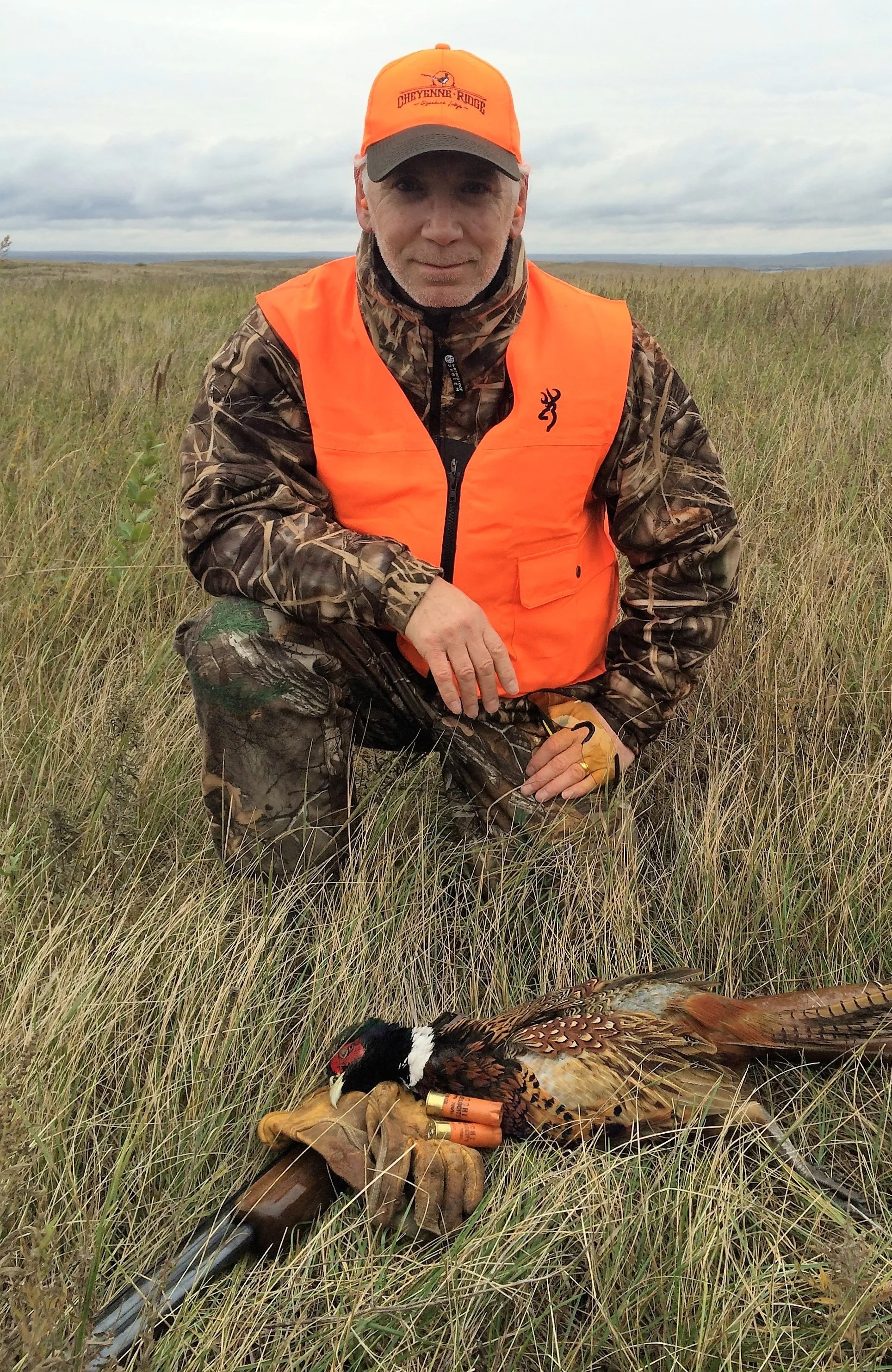
North Dakota

Emma and Matt's (niece and her husband) first waterfowl hunt

Giant Canada geese, Saskatchewan
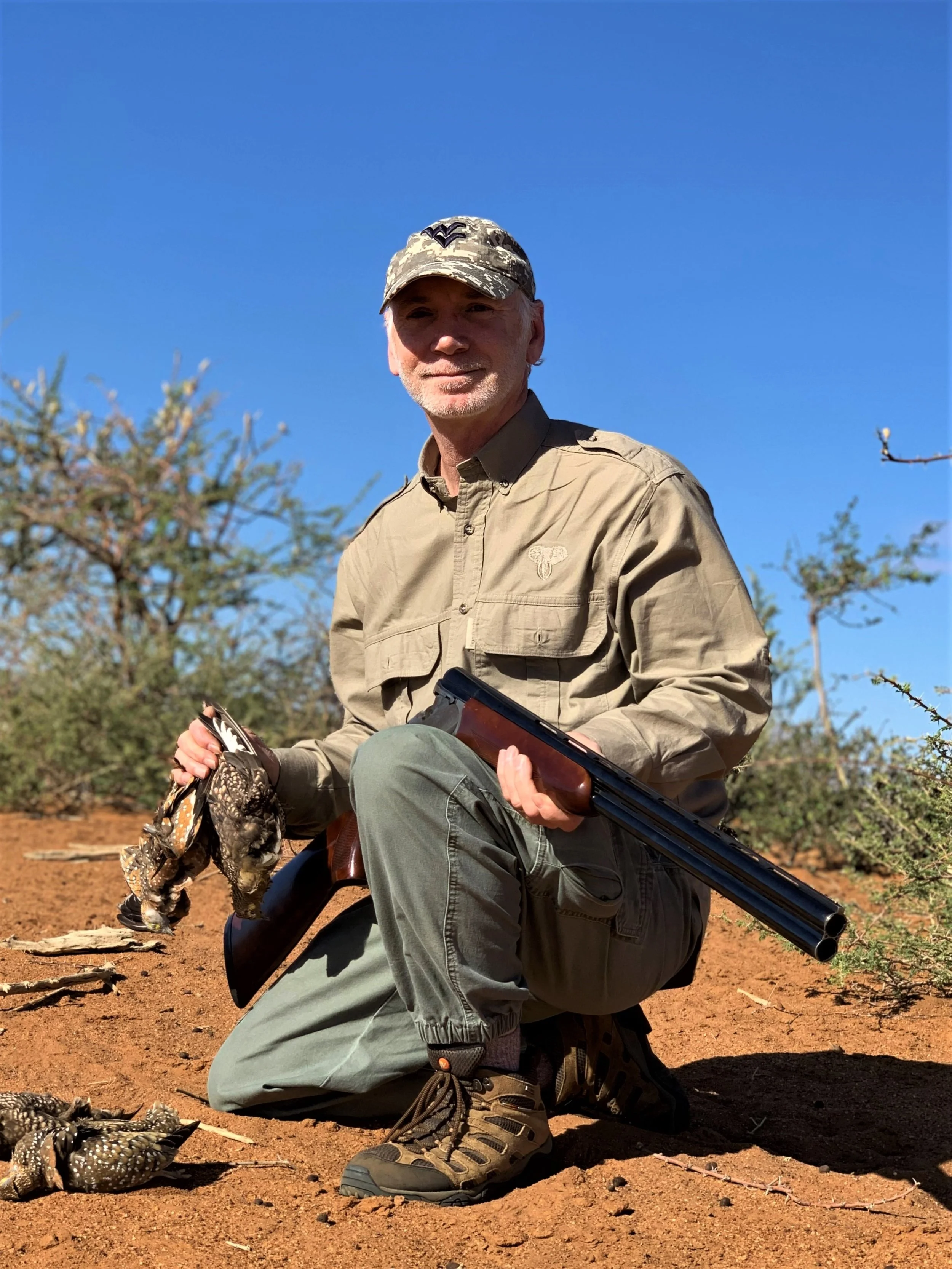
Sand grouse, Namibia
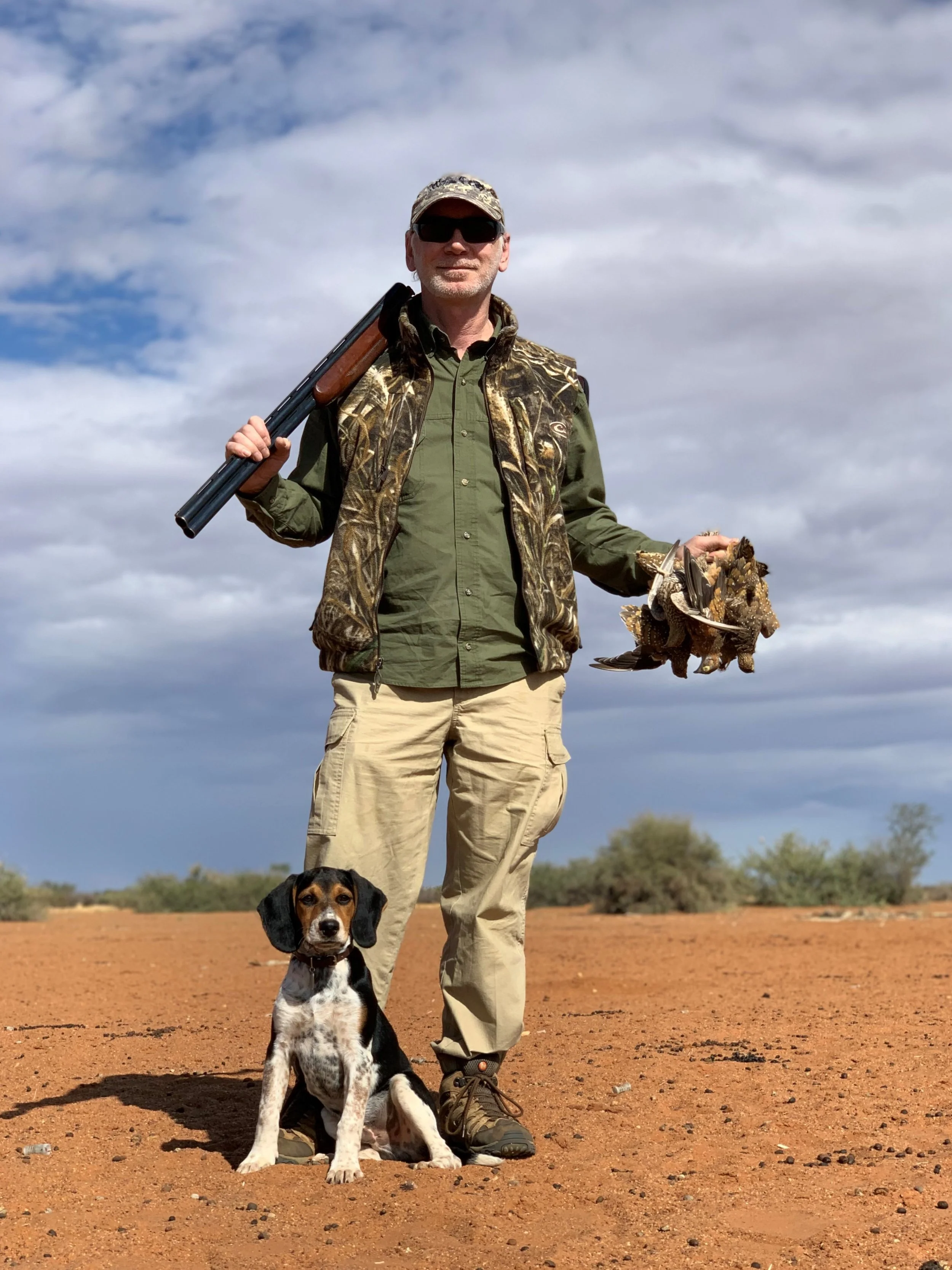
Sand grouse, Namibia
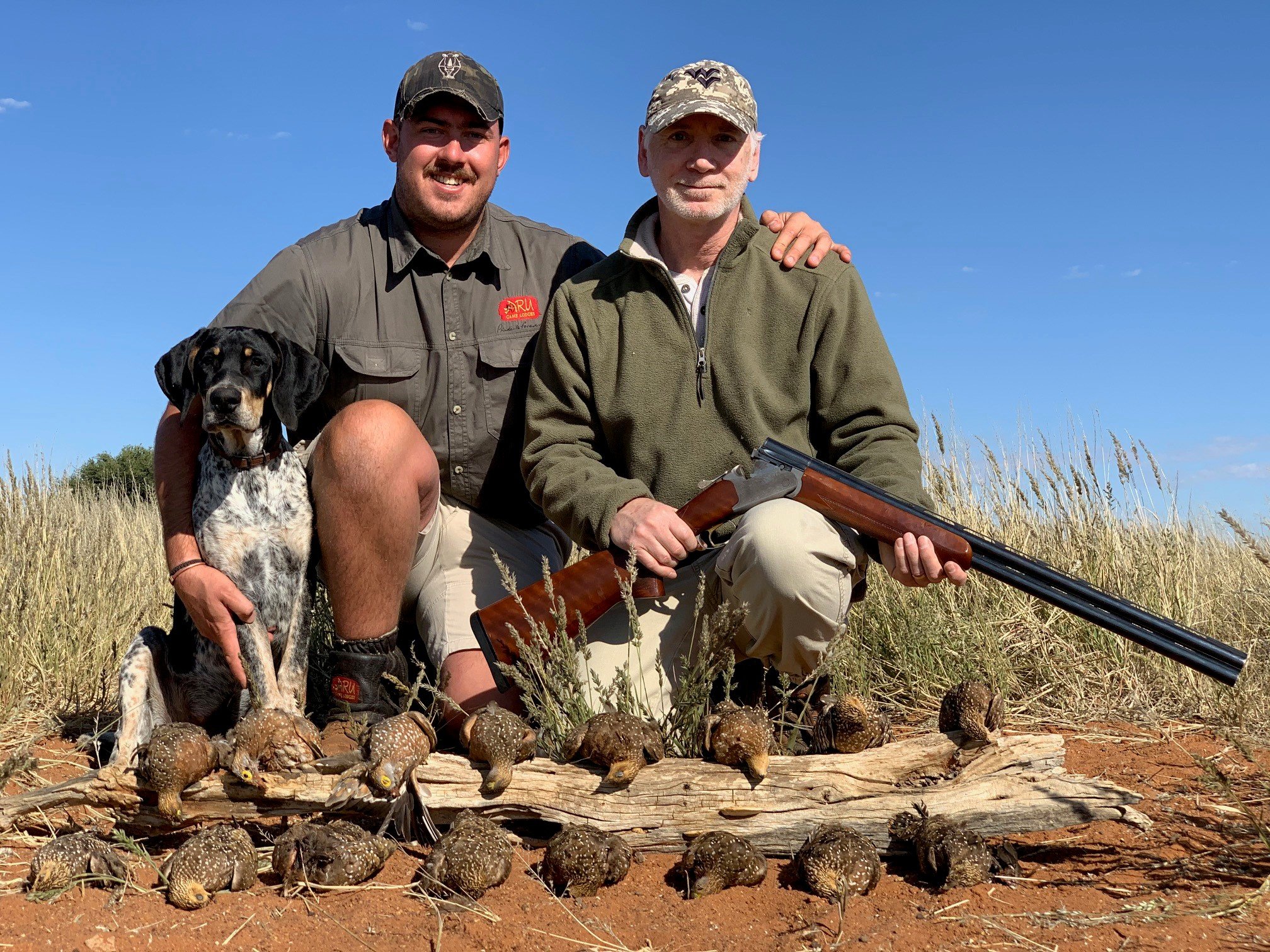
Sand grouse, Namibia
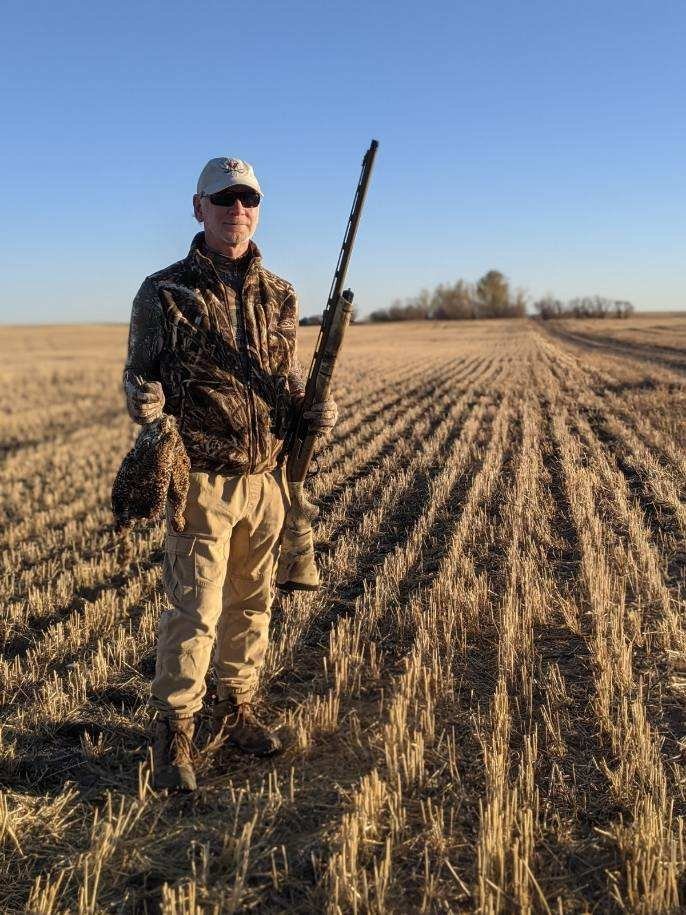
Sharp-tailed grouse, Montana border
MDD and Doug Austen
duck hunting
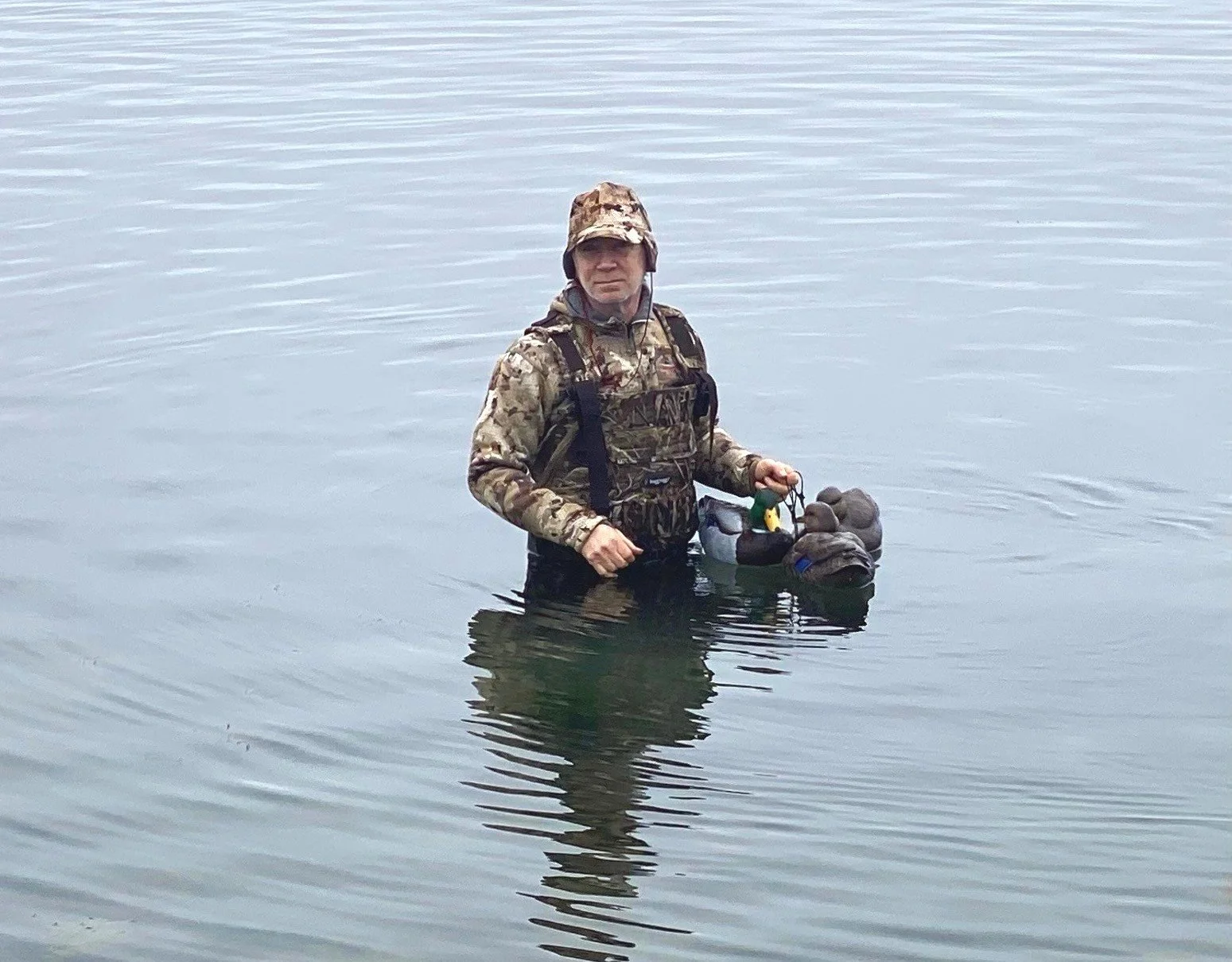
Setting decoys
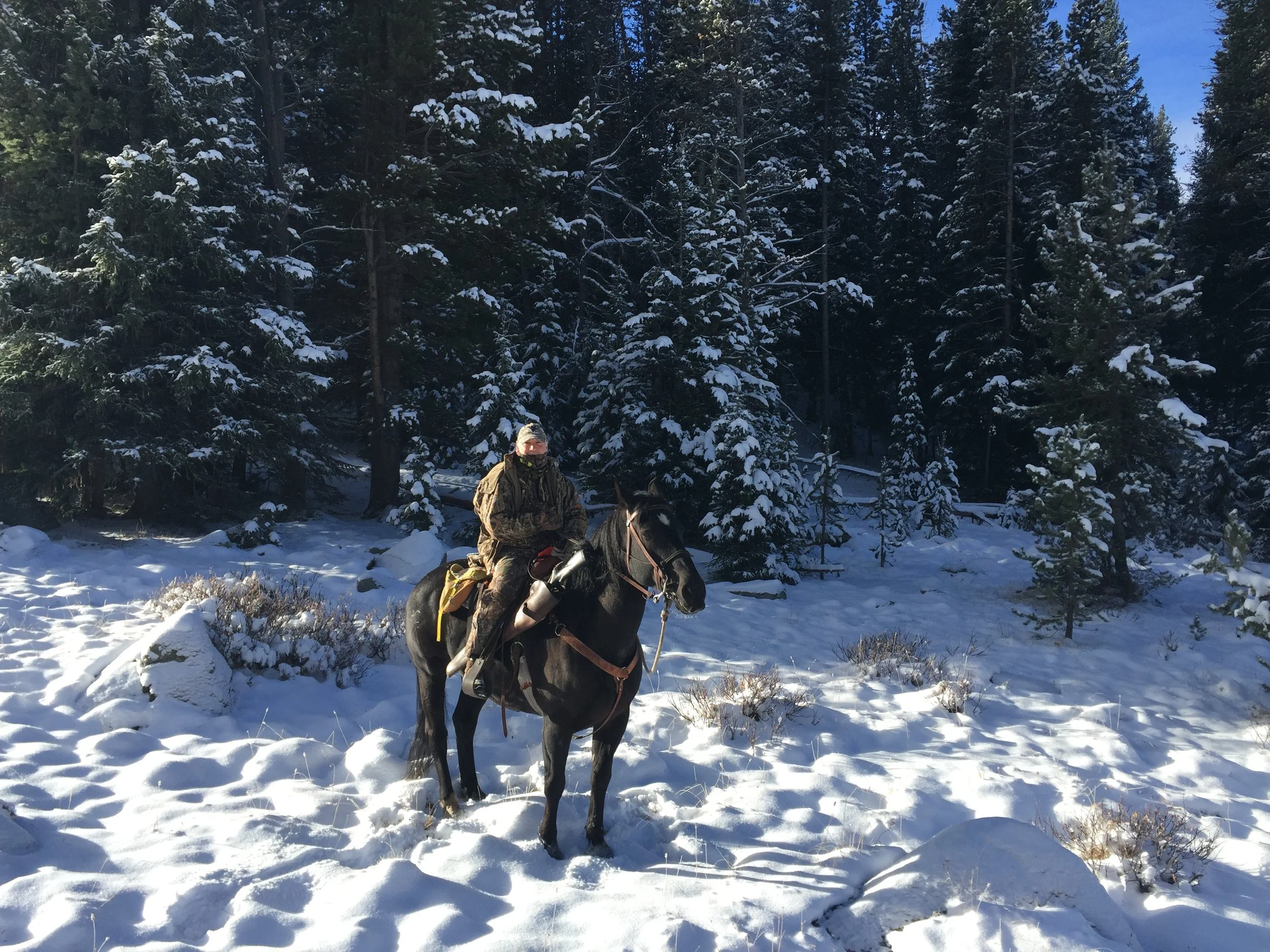
Elk hunt in Wyoming
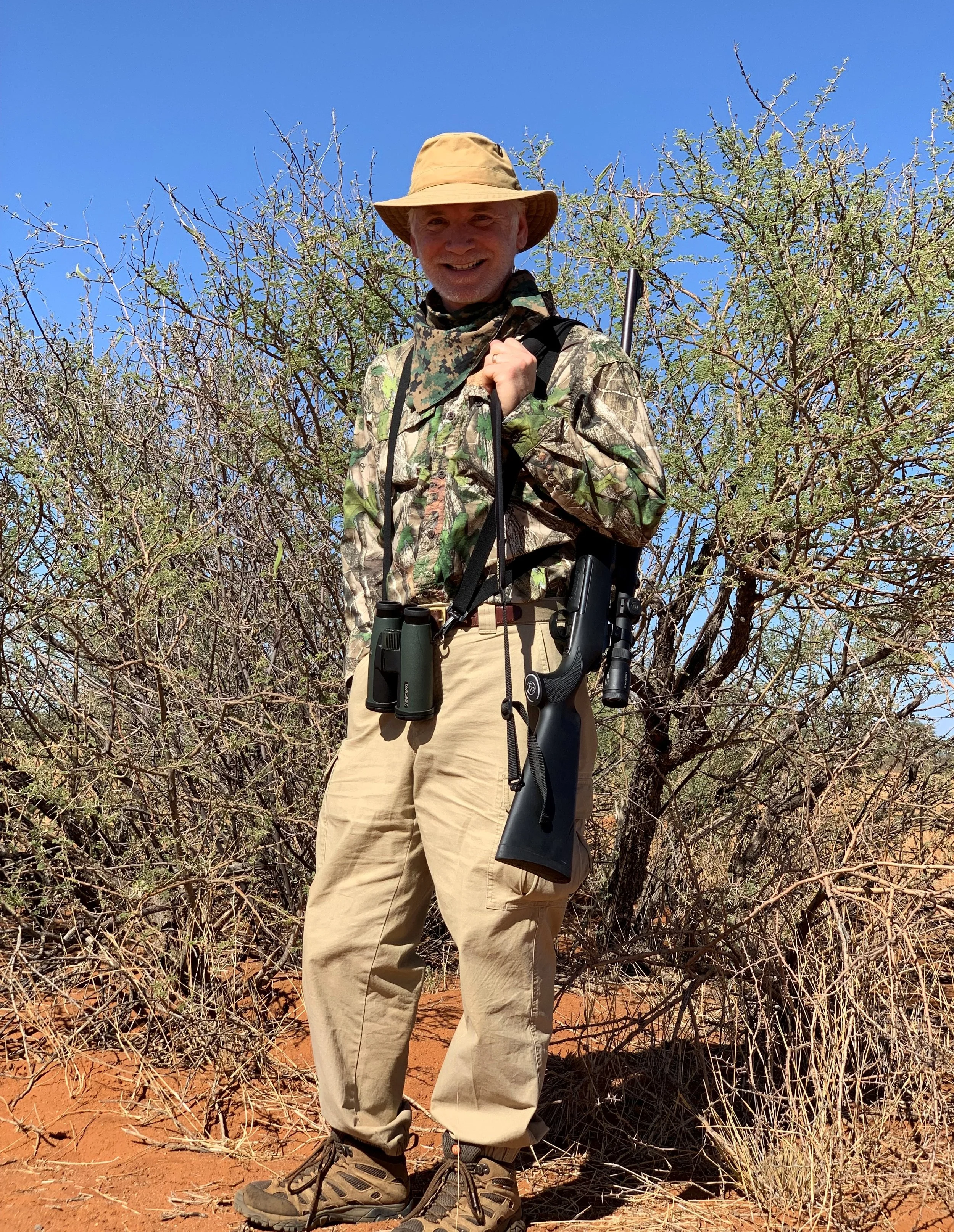
Namibia
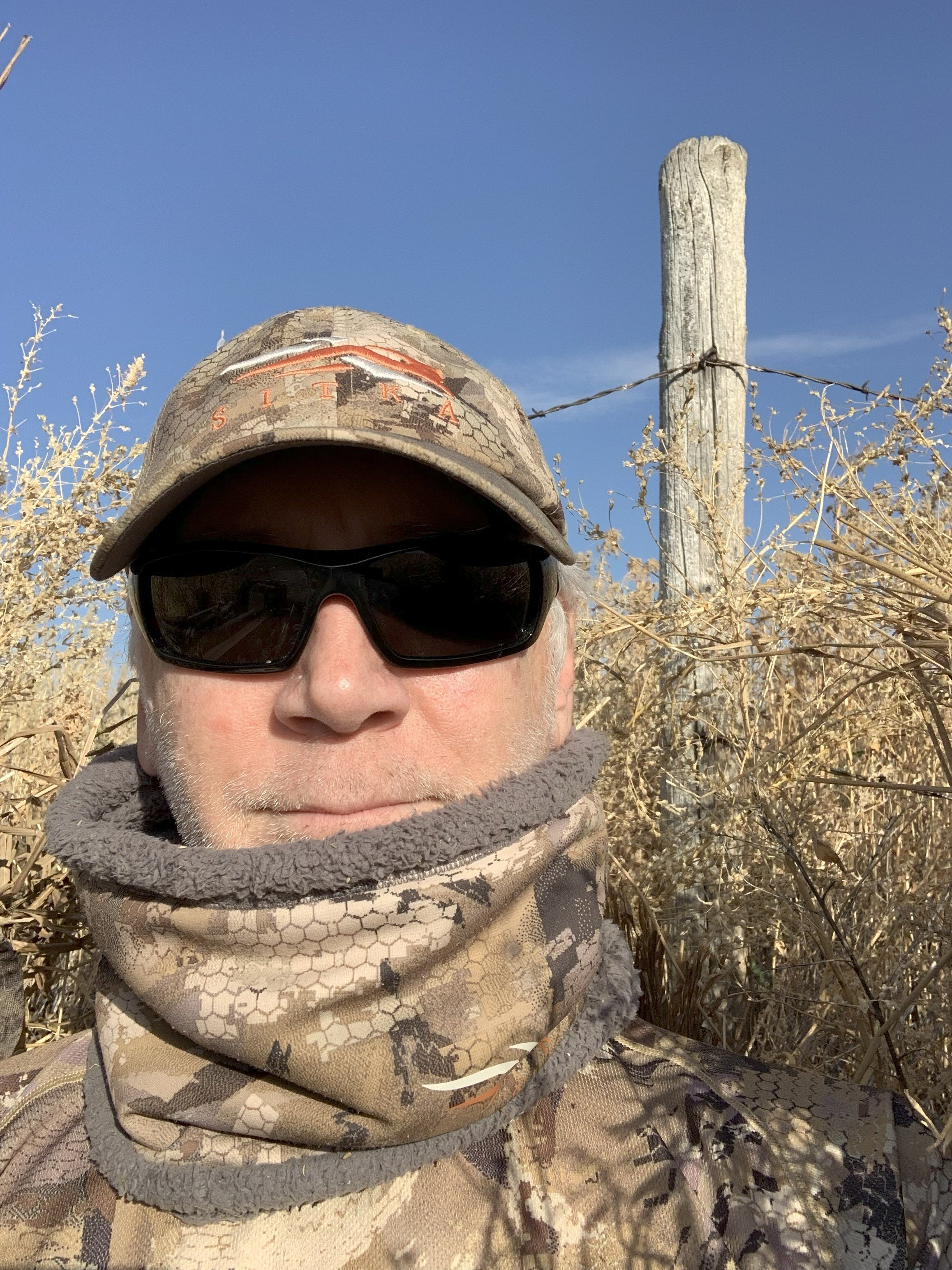
Saskatchewan/Montana Border
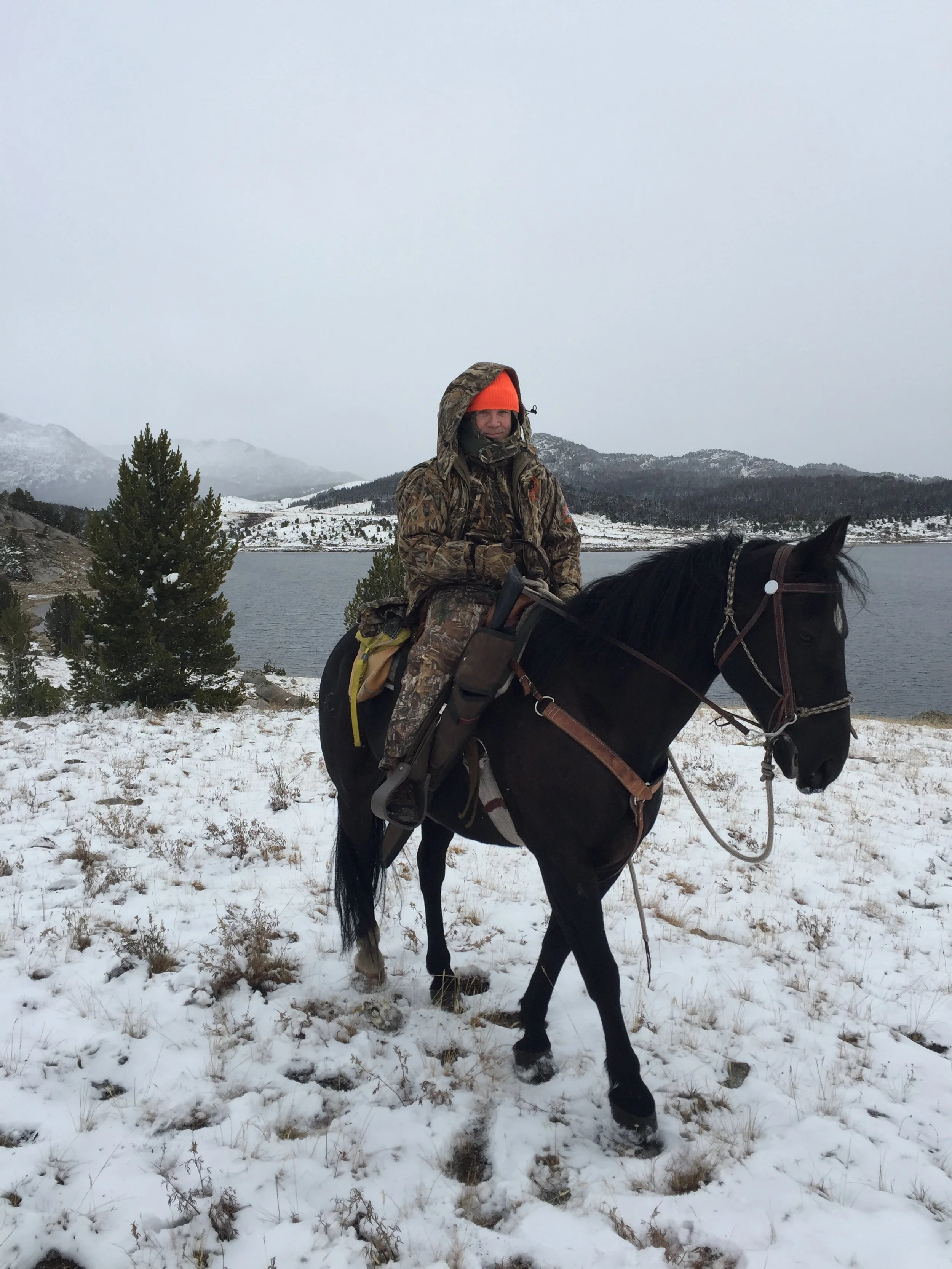
Elk hunt in Wyoming

South Carolina
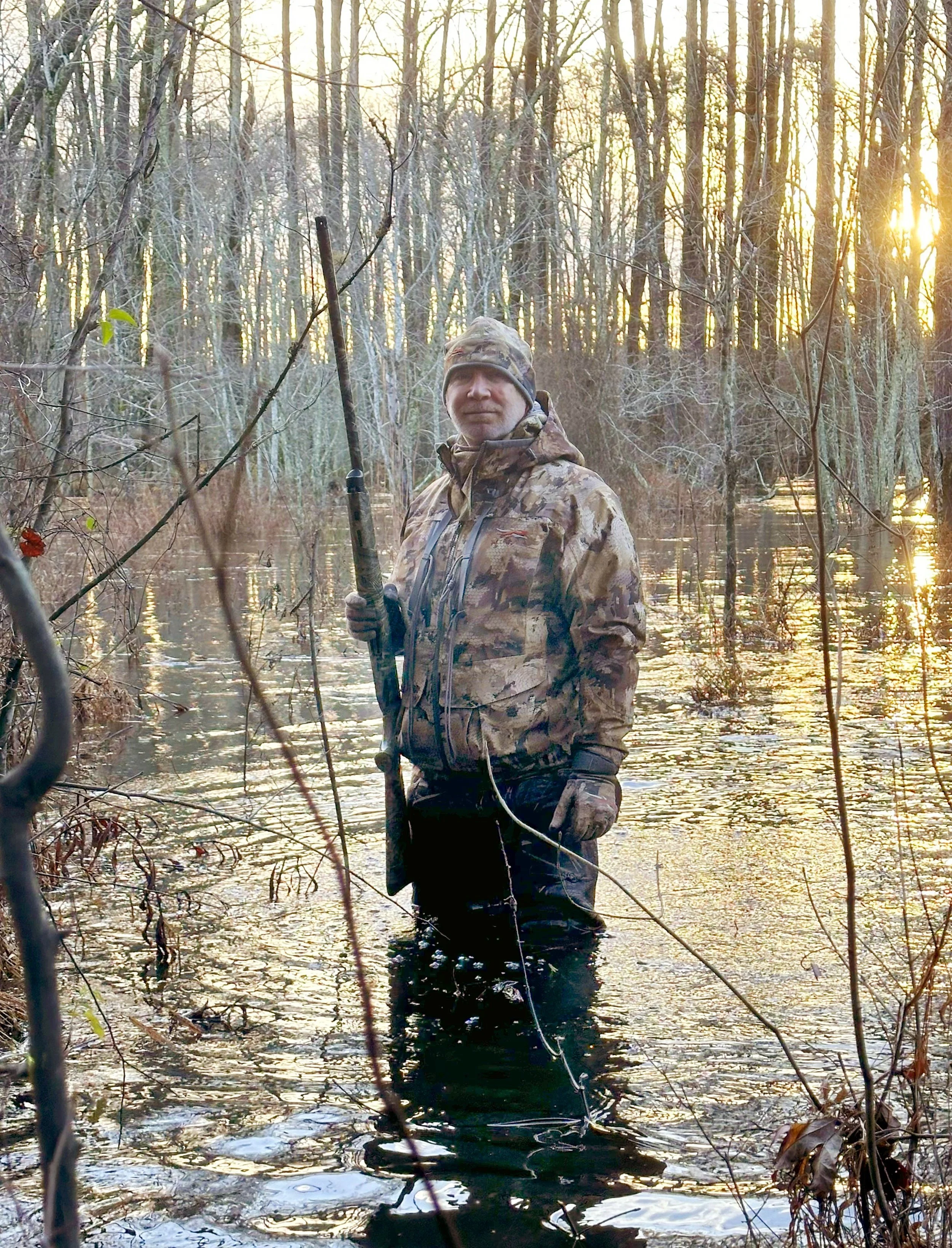
Wood duck hunting
North Carolina

Saskatchewan
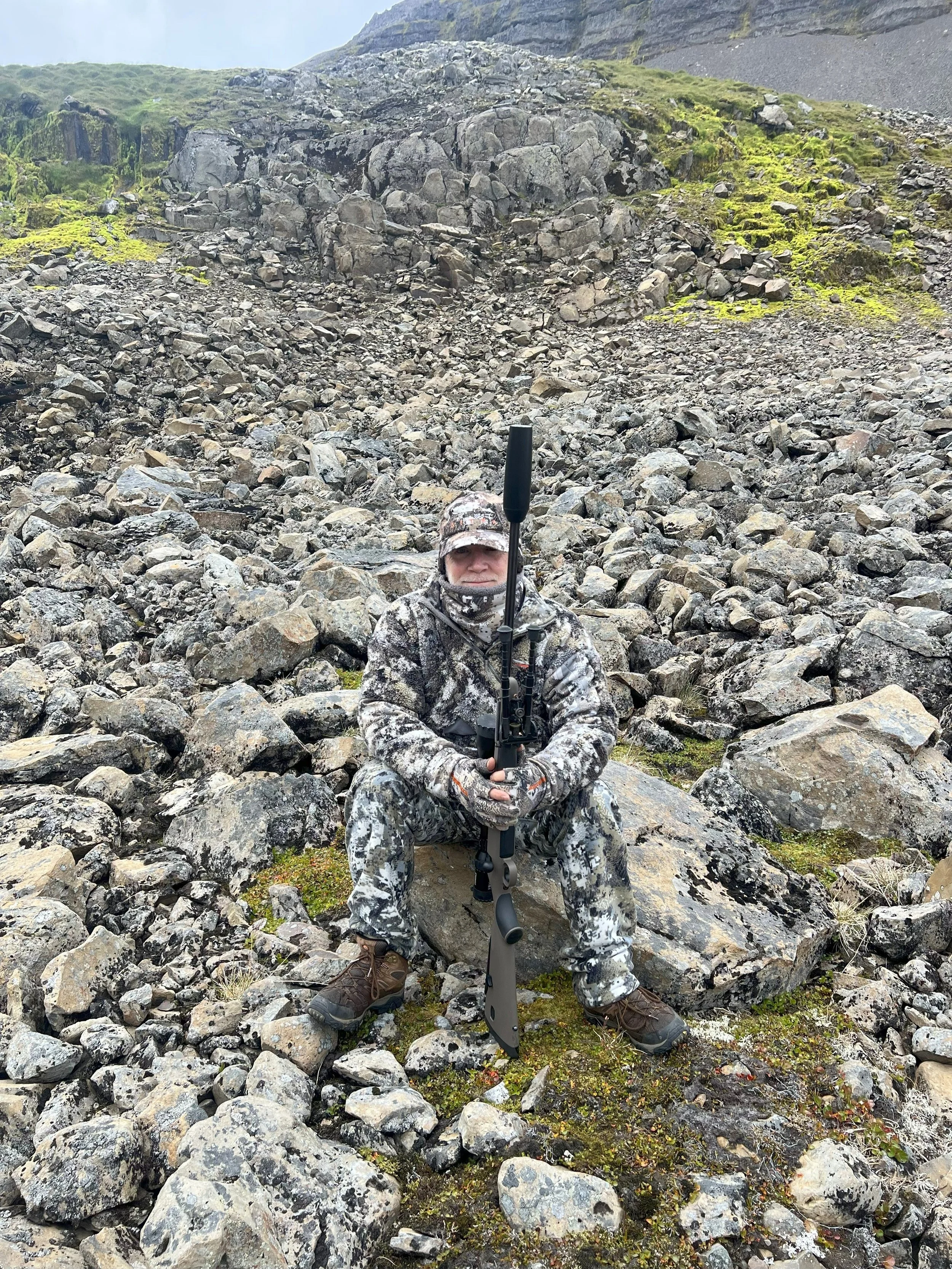
Iceland
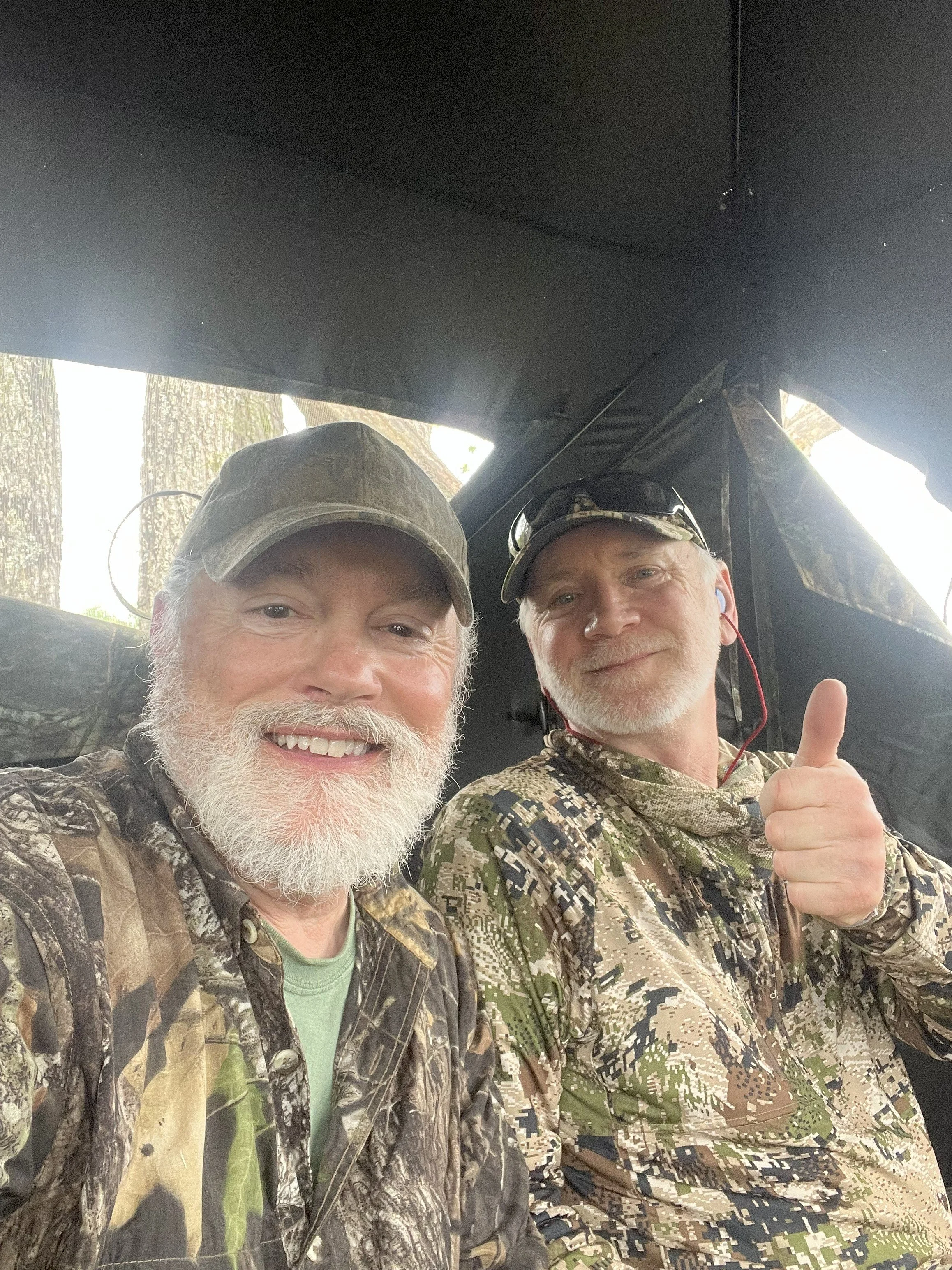
MDD and Mike Warren turkey hunting in North Carolina